H5 Bird Flu: If you notice multiple sick or dead birds or other animals record your location and report it to the 24-hour Emergency Animal Disease Hotline on 1800 675 888.

Stewardship News -
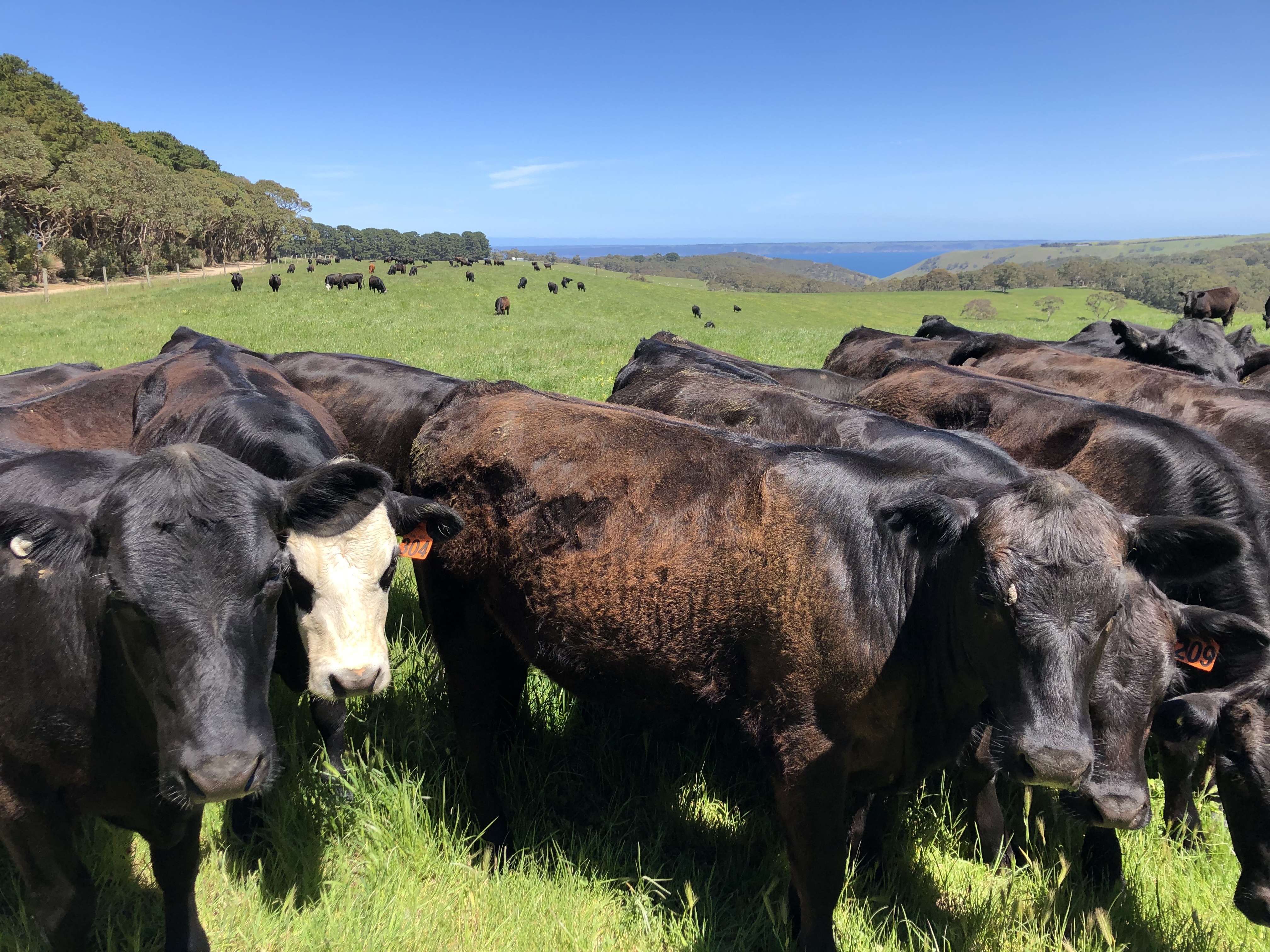
Make the most of spring pasture growth with rotational grazing
After a promising start to the season across the Hills and Fleurieu, many landholders are looking at paddocks full of feed and wondering how best to turn it into productive livestock, resilient pastures and healthy soils. Spring growth is a valuable opportunity, but how it is managed over the coming months will influence farm profitability and pasture persistence well beyond this season.
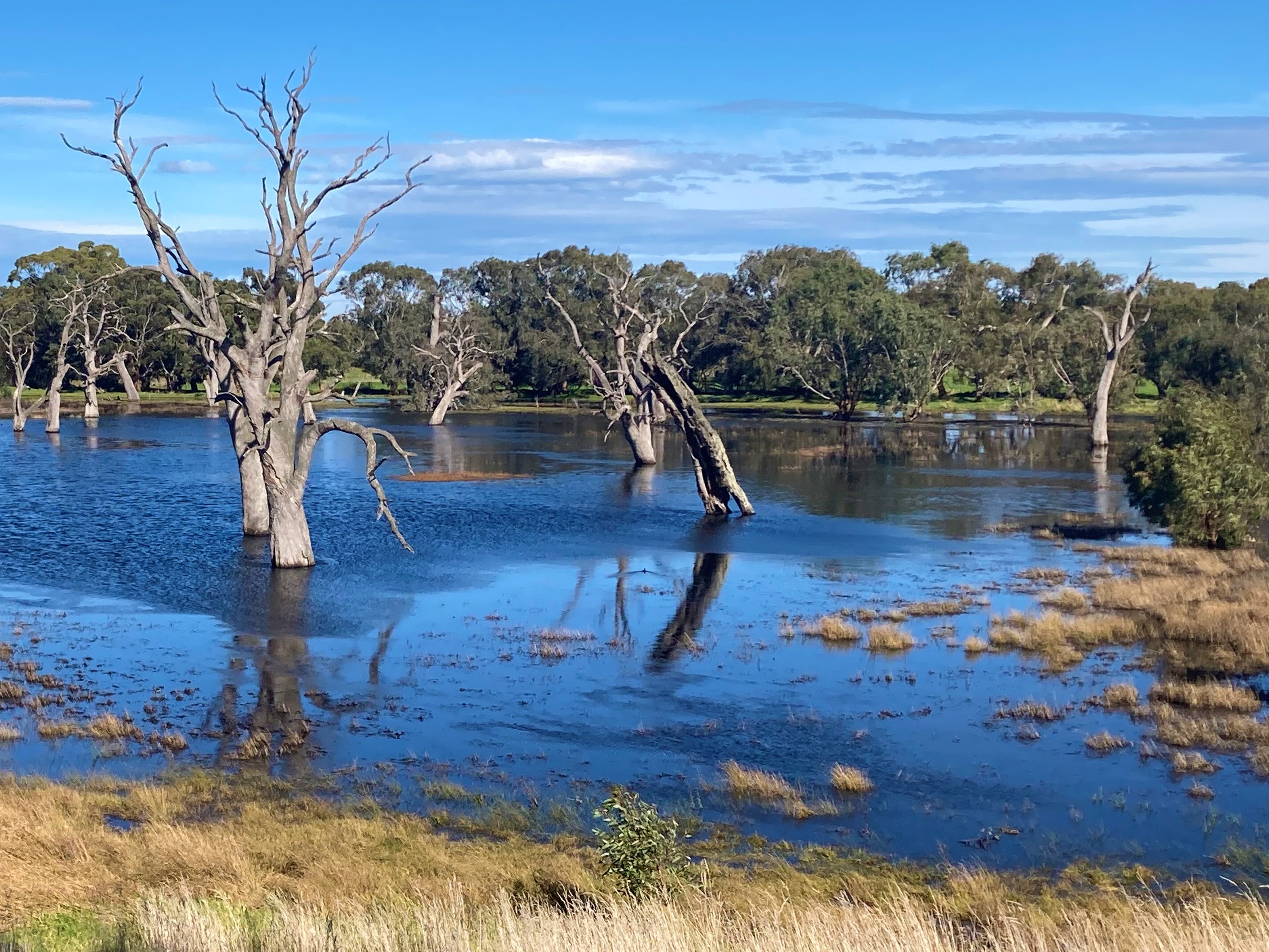
First protect paddocks that remain waterlogged. Grazing wet soils can casue pugging, compaction and damage to pasture roots. This can reduce pasture growth well into spring and increase the risk of erosion and nutrient loss. Where possible, limit stock access to vulnerable areas and use a sacrifice or containment paddock or defer grazing until the soil has dried sufficiently.
As pastures enter their rapid growth phase, grazing management becomes critical. A simple rule of thumb is to move stock when pasture height is no shorter than 7.5-10cm. Maintaining adequate residual pasture height preserves leaf area for photosynthesis, supports root growth and helps pastures recover quickly after grazing. It also protects soil moisture and groundcover, reducing the risk of degradation during drier periods.
Rotational grazing can make the most of spring feed.Moving stock regularly and allowing paddocks time to recover, keeps plants in their most productive, vegetative growth stage. Well-managed rotations can encourage more even grazing, stronger root systems, improved pasture utilisation and greater persistence of desirable species.
Plan rest periods now support pasture health through summer and into the following season. Learn more about Rest periods and how to build recovery periods into your grazing plan.
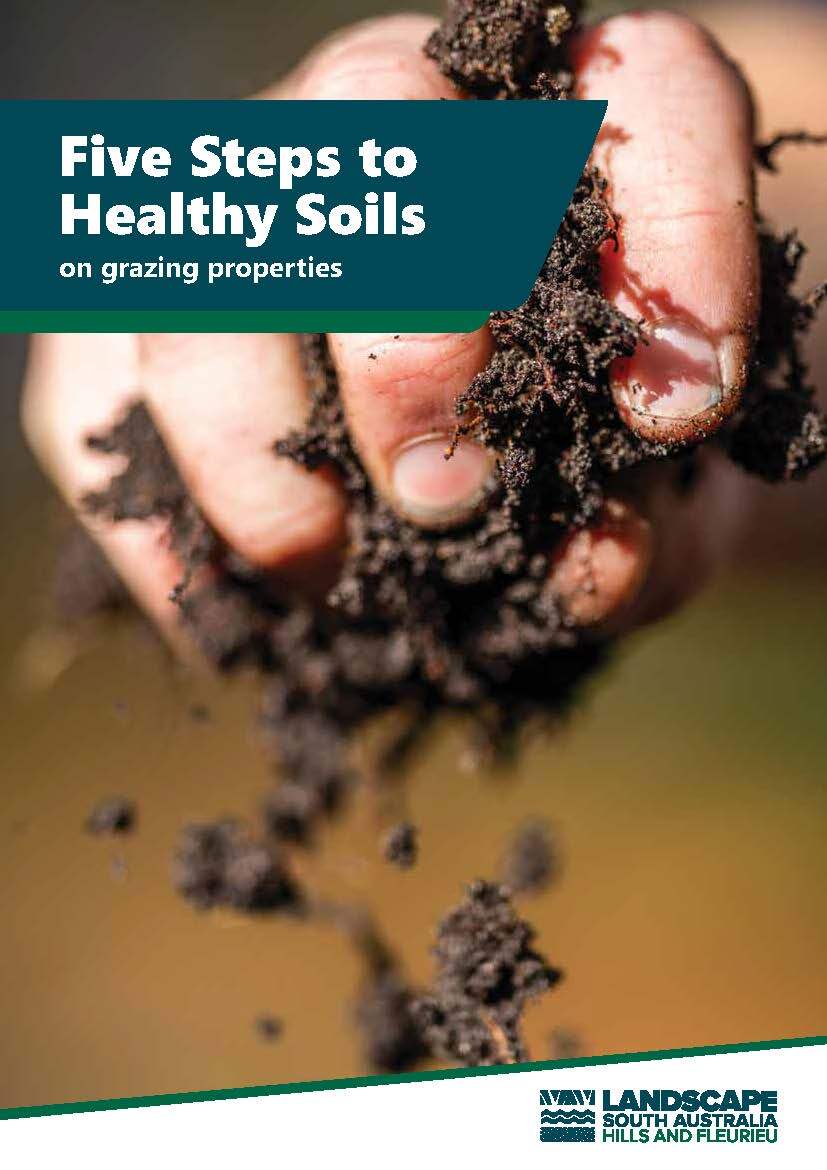
Download the Five Steps to Healthy Soil guide
Our Five Steps to Healthy Soil guide makes it easy to get started with practical advice you can follow at your own pace. Whether you’re managing a small block or a larger property, the guide walks you through understanding your soil, identifying issues and planning your next steps to improve soil health.
Download both and start making a difference on your property today.