H5 Bird Flu: If you notice multiple sick or dead birds or other animals record your location and report it to the 24-hour Emergency Animal Disease Hotline on 1800 675 888.

Stewardship News -
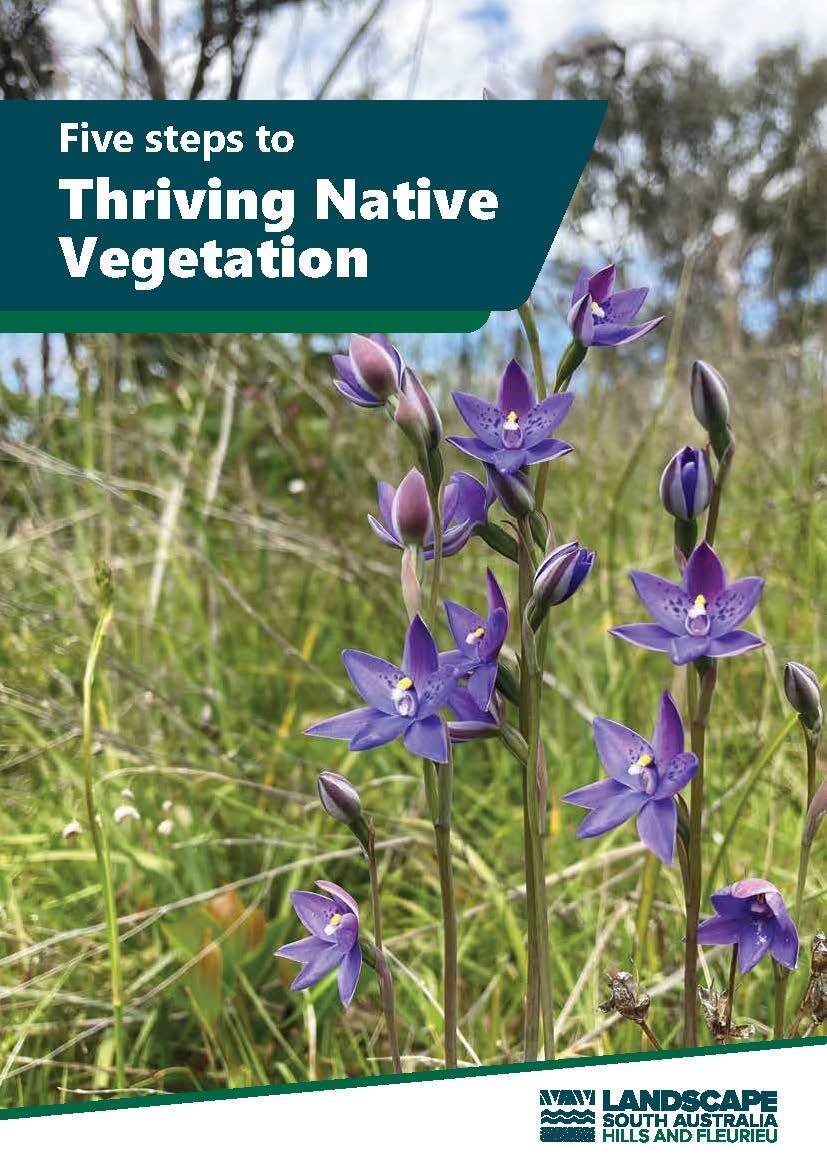
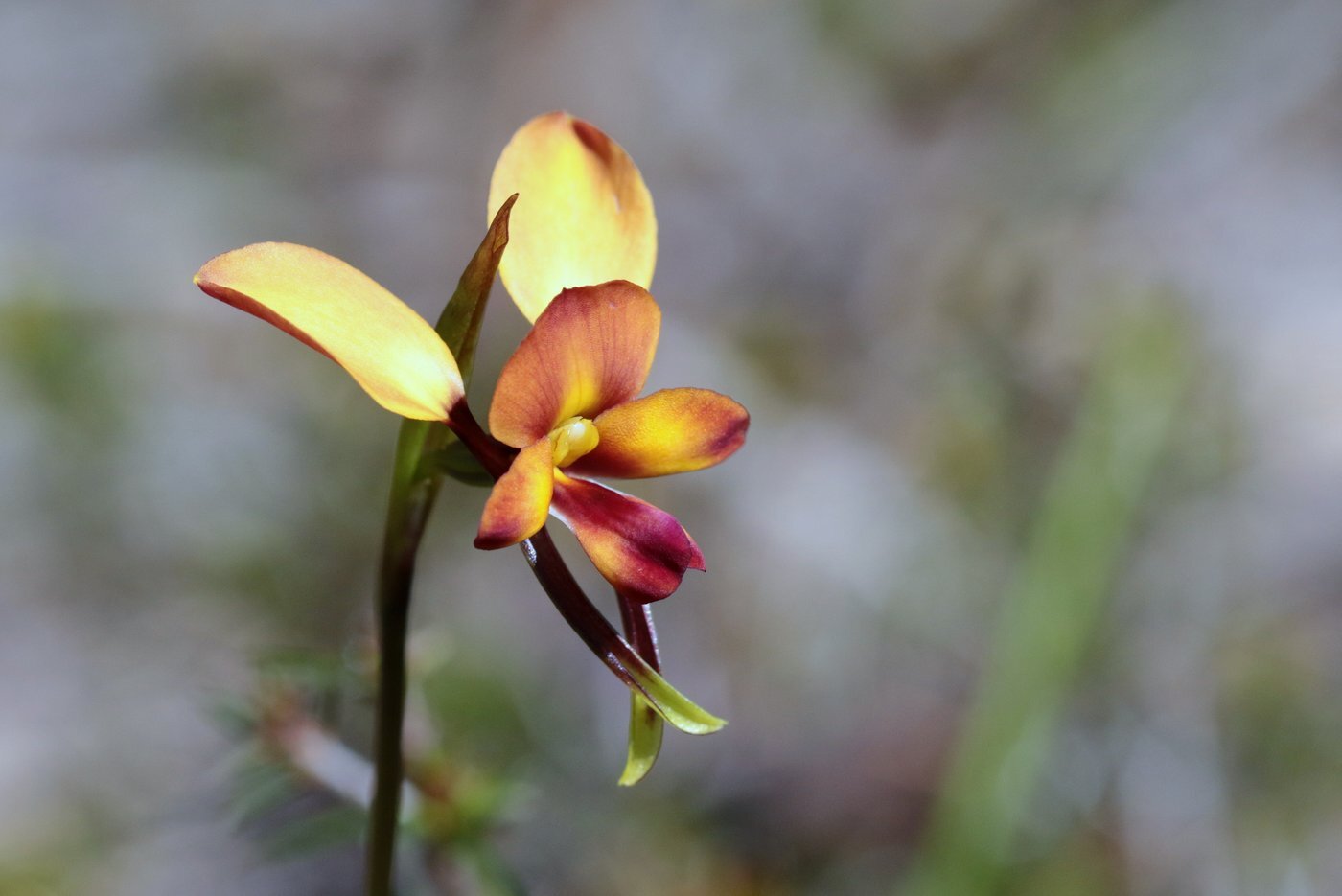
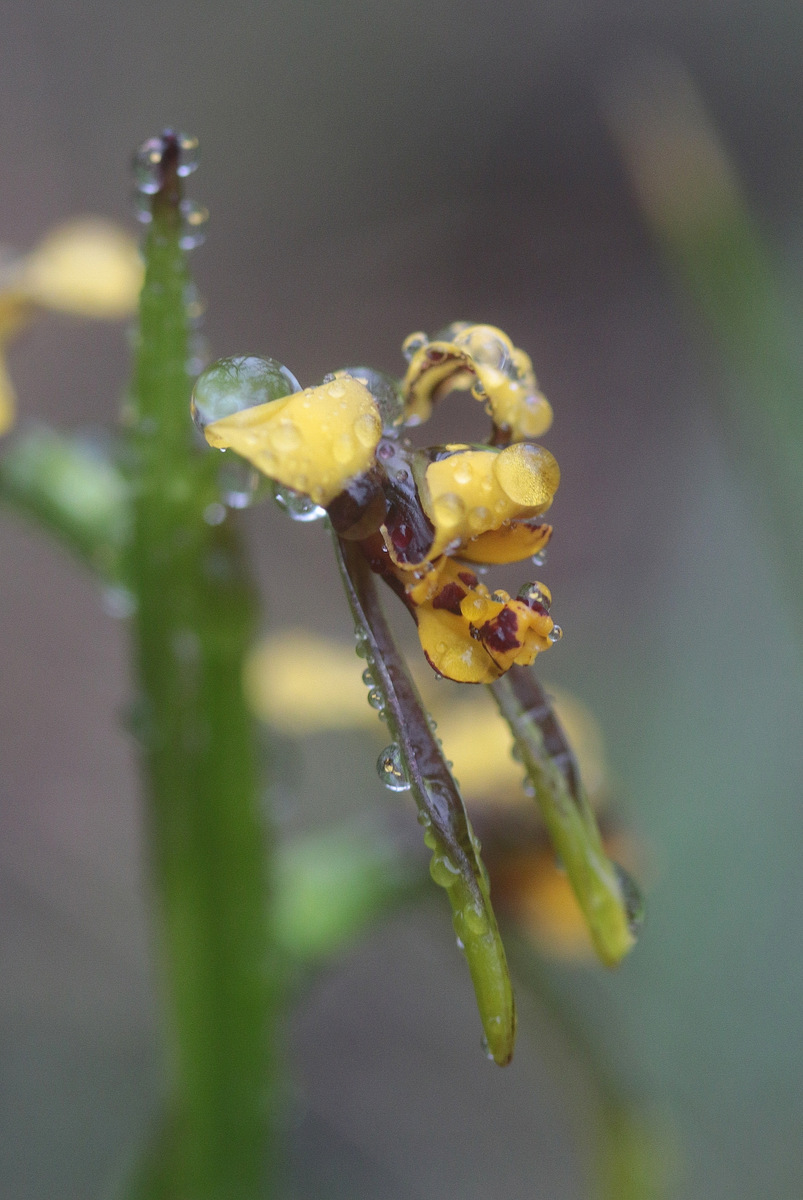
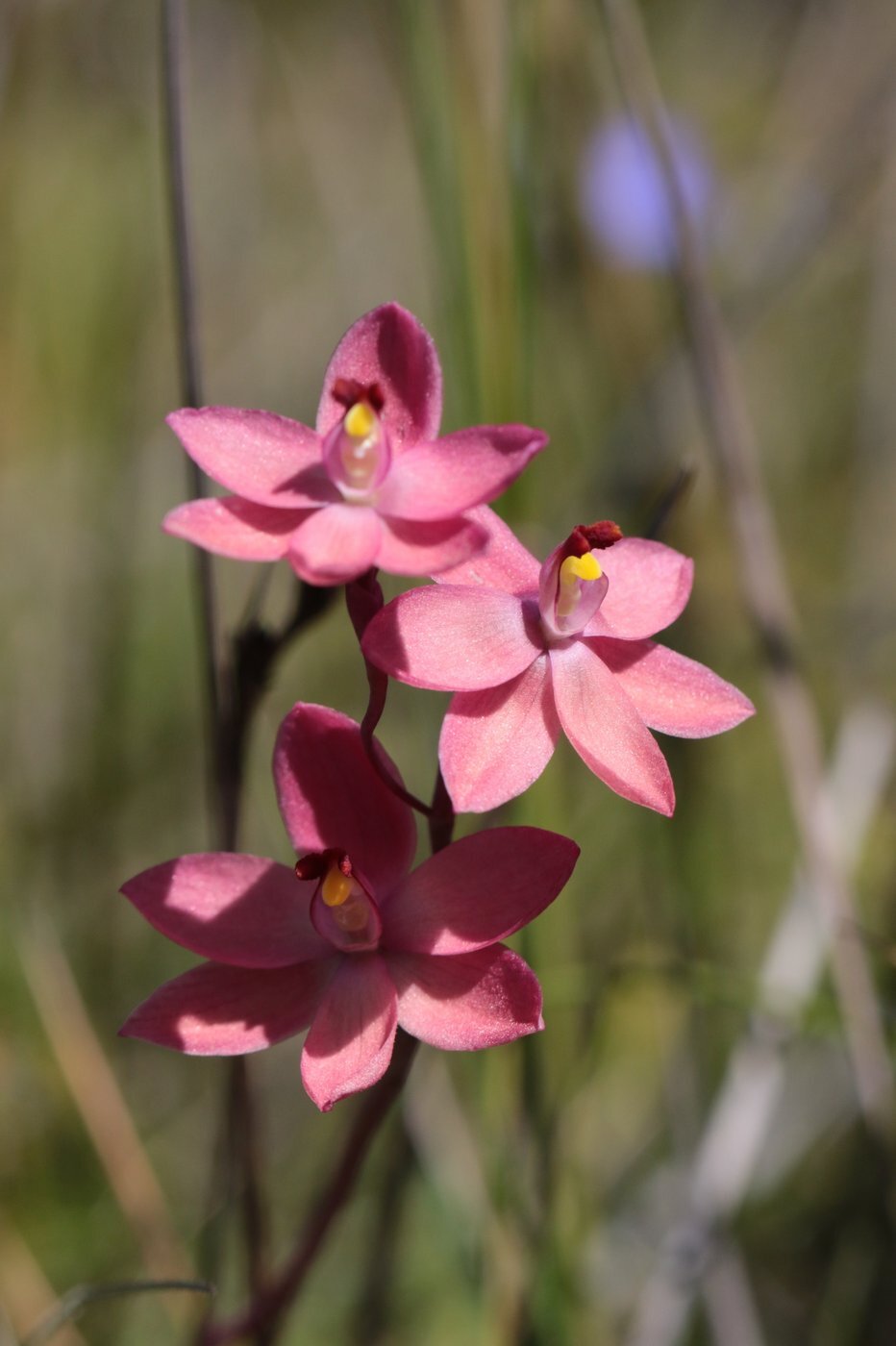
Look out for native orchids in bloom
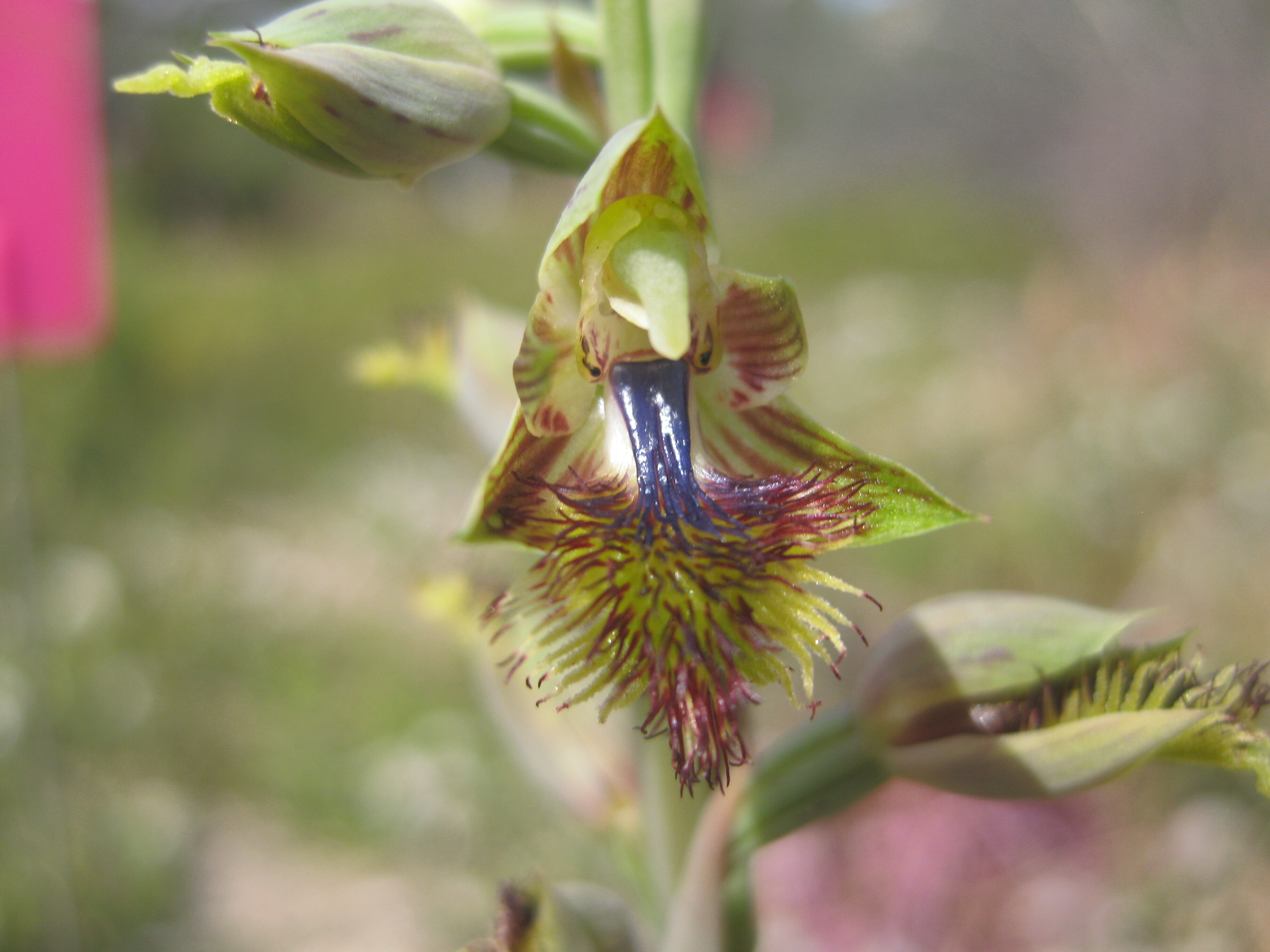
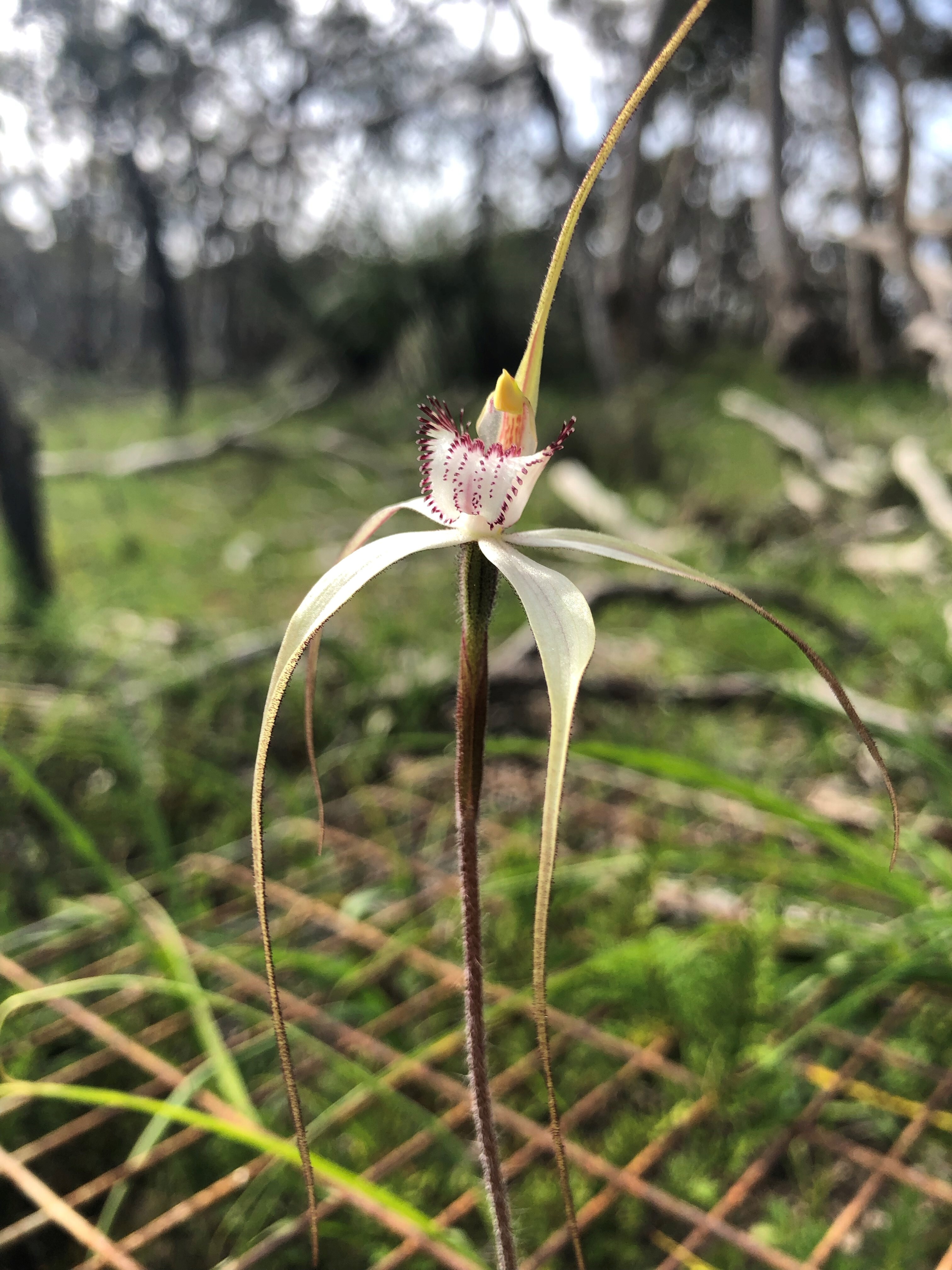
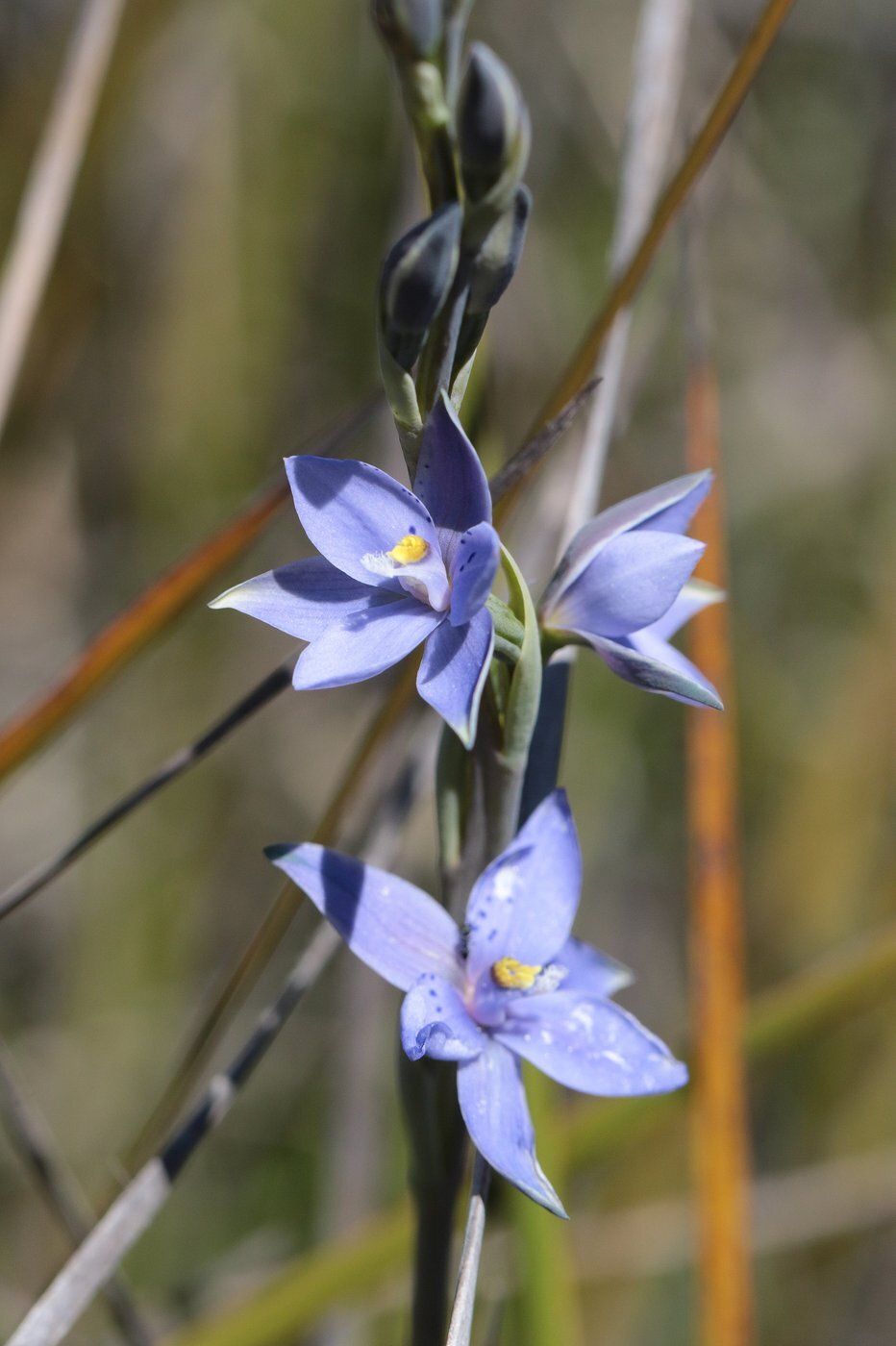
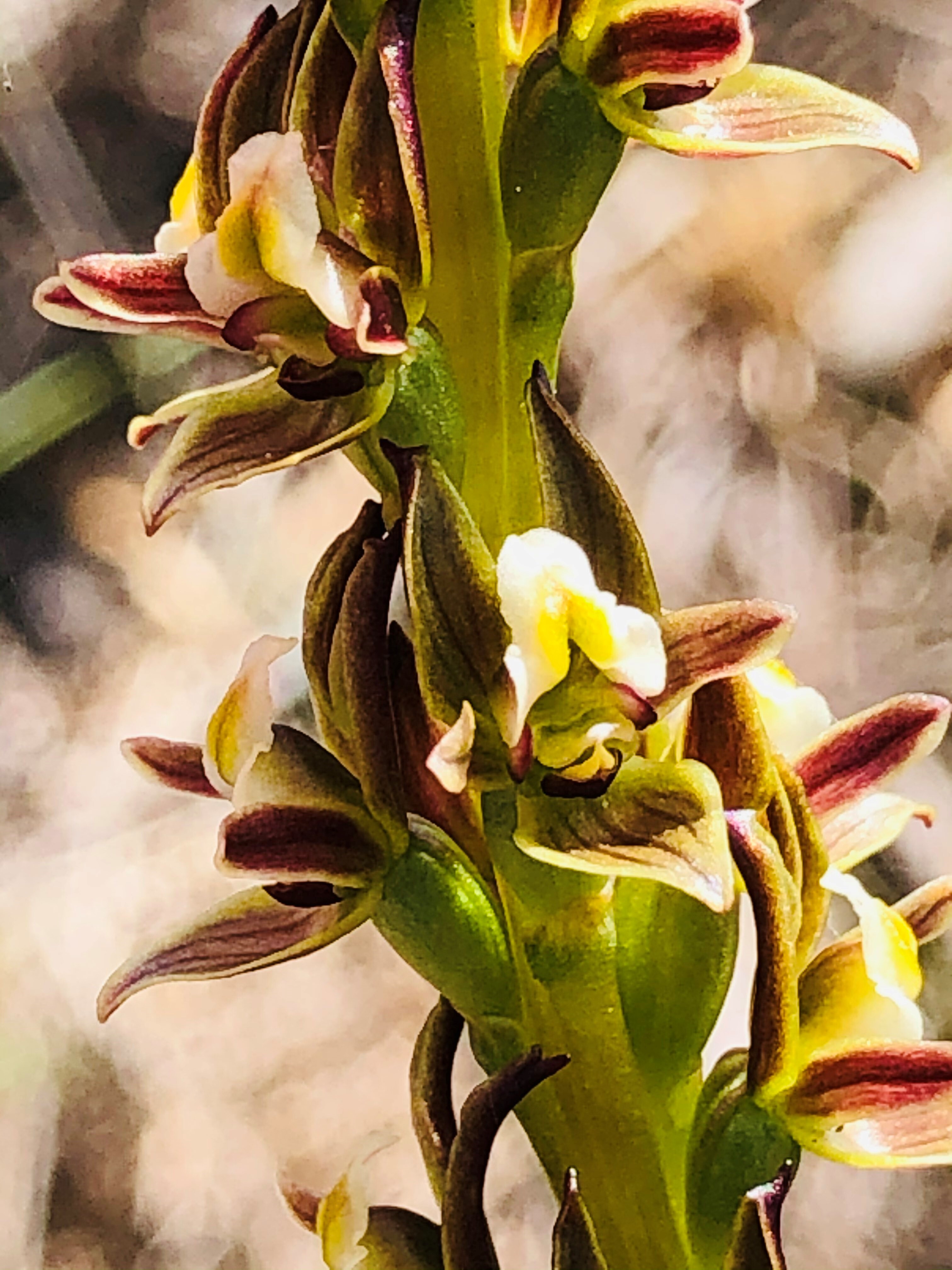
Did you know South Australia is home to more than 350 species of native orchid? Often overlooked, these plants are an important part of our native vegetation and can tell us a lot about the health of the landscape. Their survival depends on complex relationships with soil fungi and specific pollinators, making them fascinating plants to look out for when you're exploring the bush.
Unfortunately, many native orchids are threatened or declining due to land clearance, altered fire regimes, overgrazing, weed invasion, and trampling and illegal harvesting.
There is still hope. Despite their reputation as delicate plants, orchids can persist in high-use areas such as golf courses and railway corridors, as well as protected areas including national parks.
Native orchids also have passionate individuals on their side. Robert and Rosalie Lawrence of the Native Orchid Society of South Australia (NOSSA) encourage landholders to record sightings in iNaturalist.
“From a landholder perspective we want people connected with nature; the more they photograph things the better, even mosses, the more variety the better,” said Robert.
“The more you know, the more connected you are with your property.”
However, Robert and Rosalie emphasise that going slowly through the bush is key.
“When you see something interesting, don’t rush! Look where you position yourself to take a photograph. The next generation could be within 30cm of that beautiful orchid,” Rosalie warned.
“The biodiversity is in the small stuff, and the next generation is in the small stuff, that’s the problem, because seedlings are impossible to see and easy to destroy through foot traffic."
“Respect the habitat and view ourselves as a guest, use the same level of respect as if visiting friends.”
Keen to spot a native orchid? Start with our orchid identification chart.
Download the Five Steps to Thriving Vegetation guide
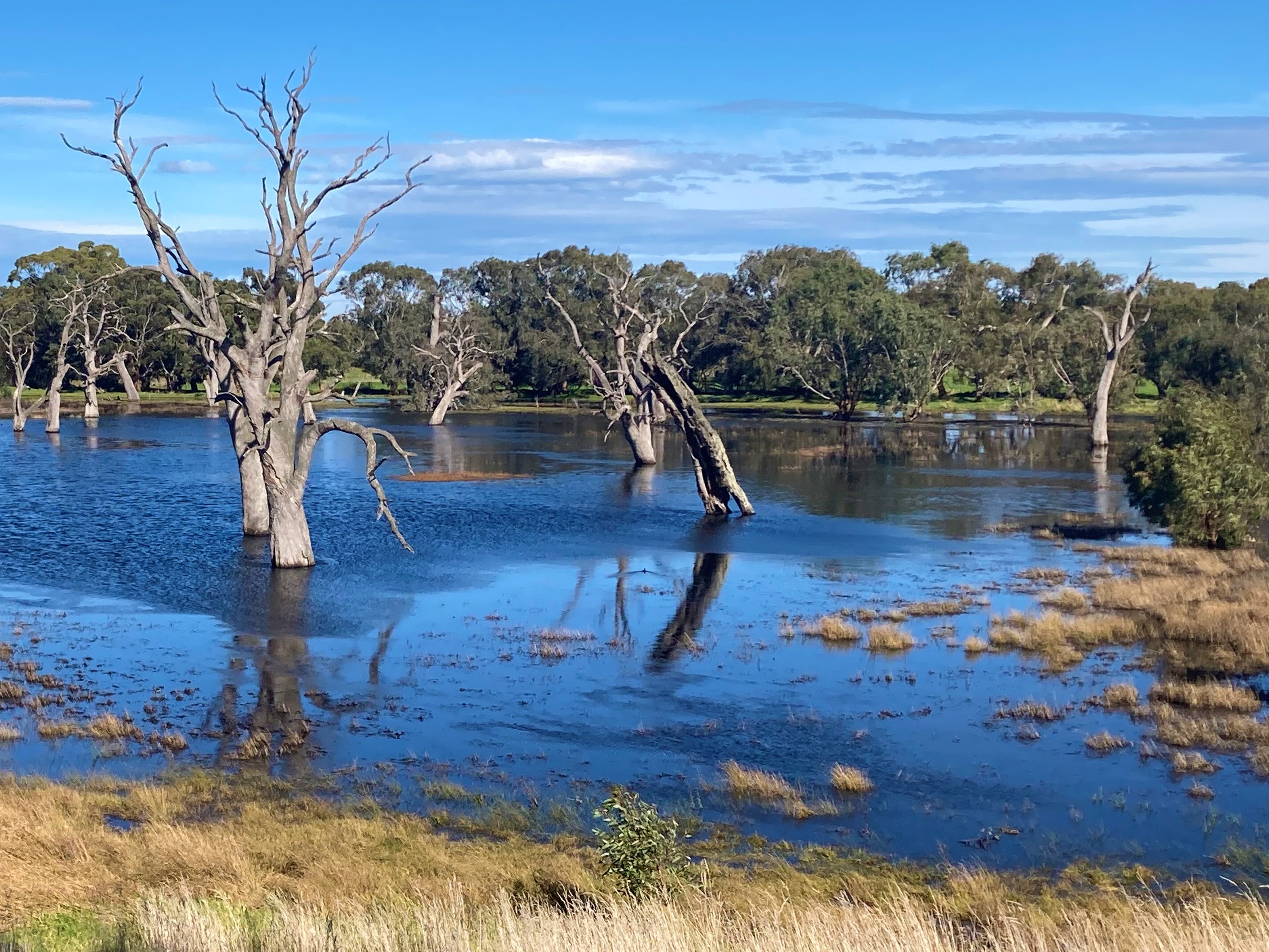
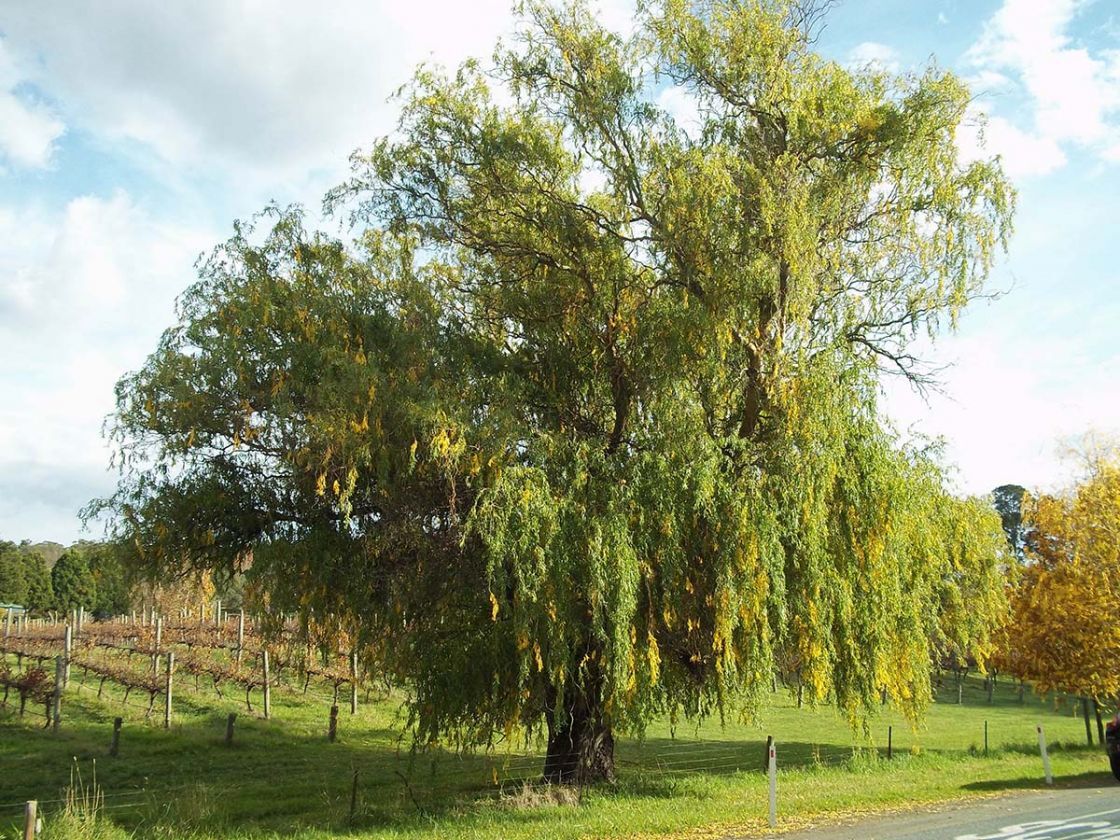
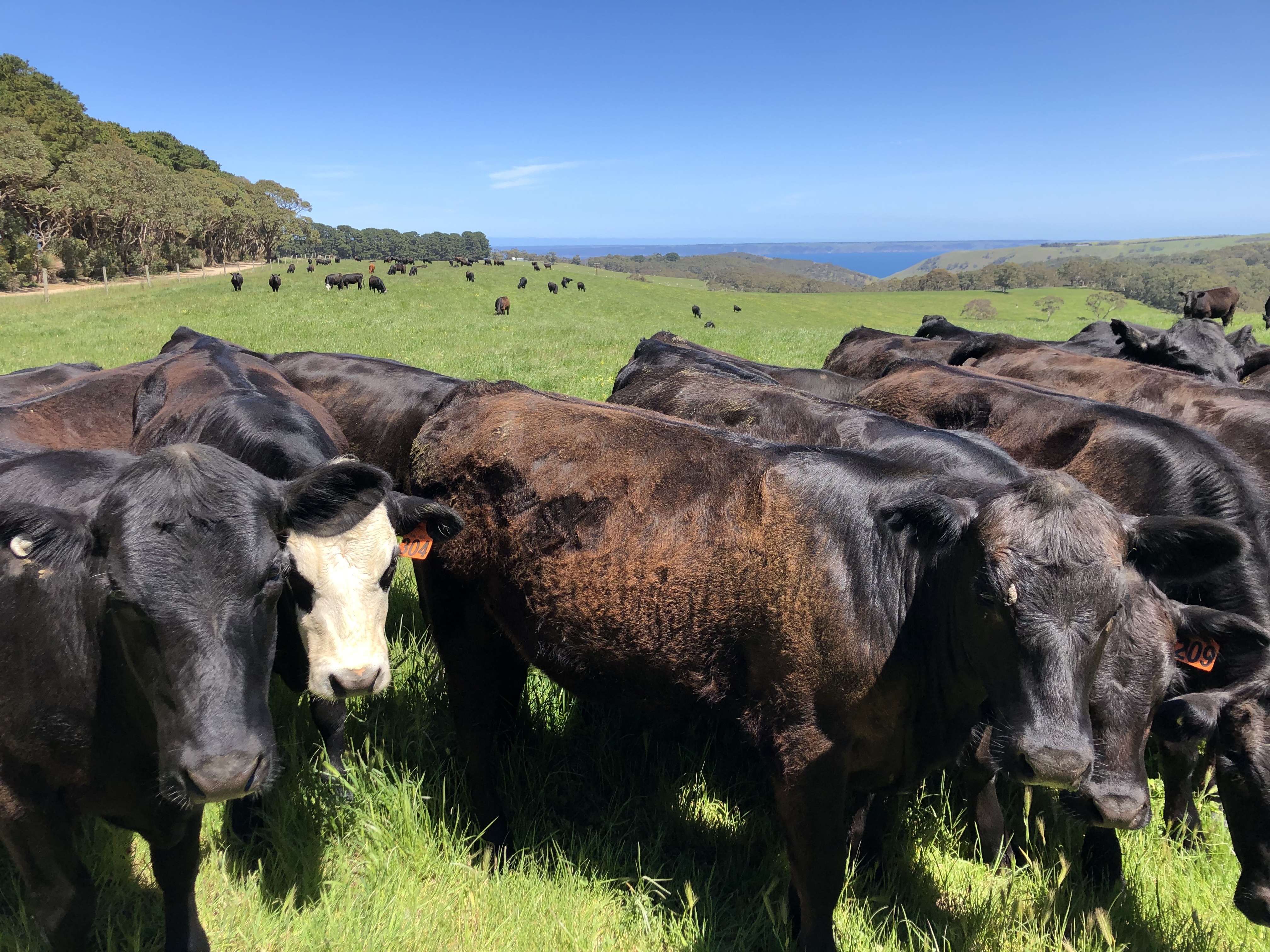
Caring for native vegetation on your property is essential for the health of your land, your farming practices and the environment.
Native plants help improve water quality, prevent soil erosion, and provide valuable habitats for wildlife, including pollinators and native animals. They also play a crucial role in regulating the climate by acting as carbon sinks and providing windbreaks for your stock.