The Landscapes Hills and Fleurieu office will be closed on Wednesday 21 October and will reopen on Thursday 22 October. Our phones will not be monitored during this time

Hills and Fleurieu Regional Landscape Plan 2026 - 2031
 Back to projects
- Project status Current
- Start date
The next five years will be pivotal.
Across the Hills and Fleurieu, landscapes are under growing pressure from a changing climate, biodiversity loss, water stress and increasing demands on land and resources. These challenges are real, but they are not beyond our influence.
What we do now matters.
The actions we take today will shape how well our landscapes adapt, recover and continue to support our communities, industries, culture and wellbeing. This plan is about more than responding to change. It sets out a shared vision for a future where nature and people can thrive together.
Protecting what matters, restoring what has been lost and investing in long-term solutions will require collaboration, commitment and additional investment. With clear priorities and a shared understanding of the challenges ahead, meaningful change is achievable.
The future of our region will be shaped by the choices we make today. The Hills and Fleurieu Regional Landscape Plan 2026–2031 sets out a vision, priorities and actions to guide collective effort across the region over the next five years.
Explore the plan and supporting documents
-
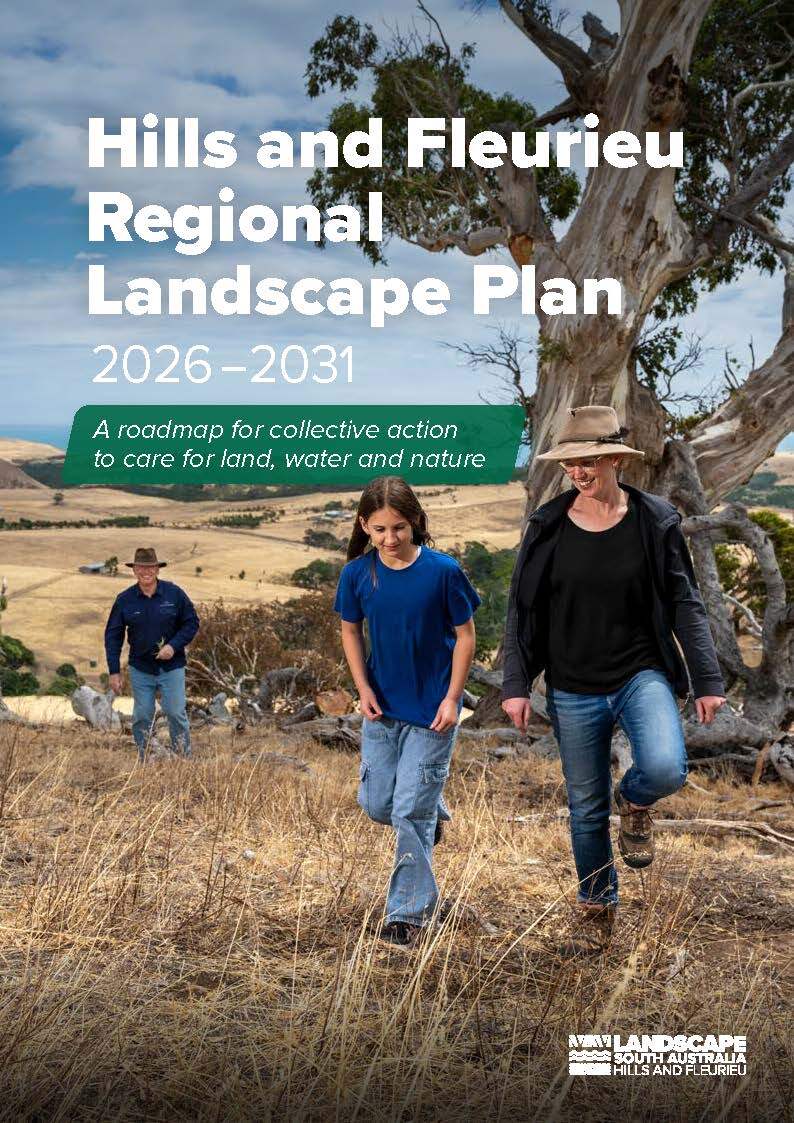
Hills and Fleurieu Regional Landscape Plan 2026 - 2031
-
Consultation Report
-
Monitoring, Evaluation, Reporting and Improvement Framework 2026-31
-
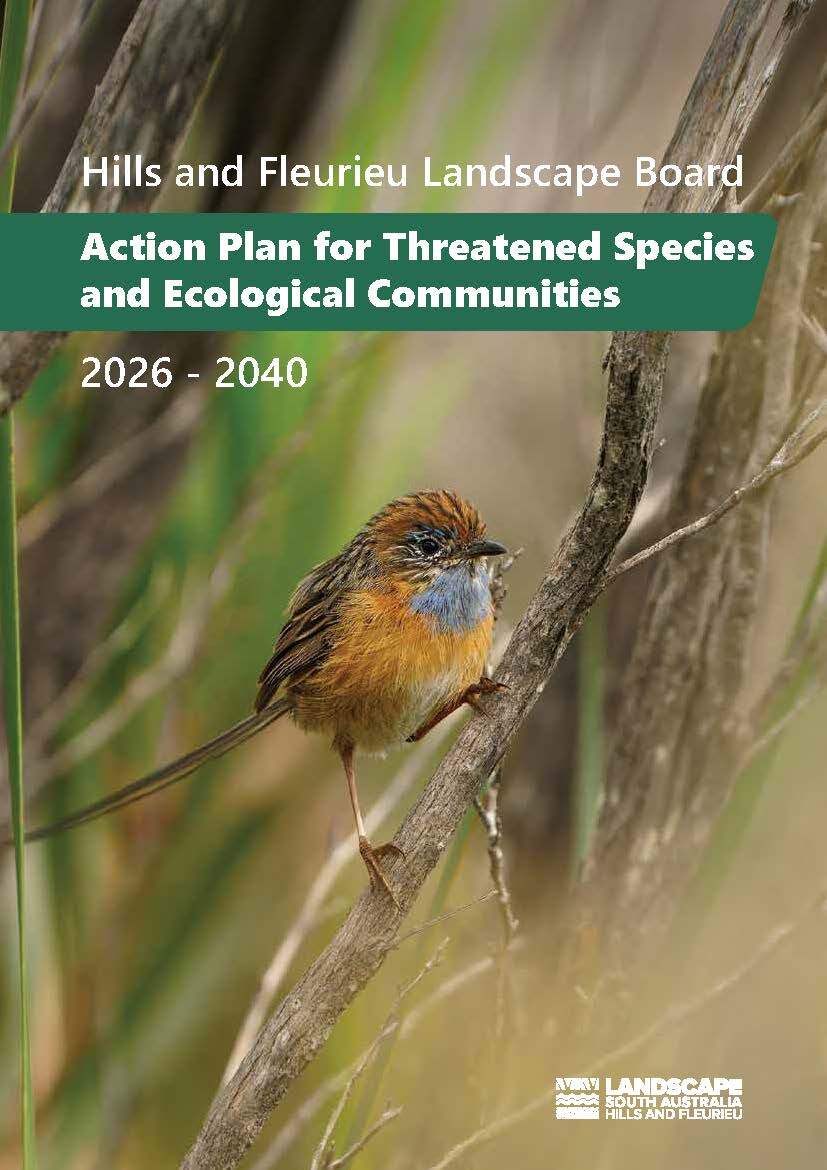
Supporting plan: Action Plan for Threatened Species and Ecological Communities
-
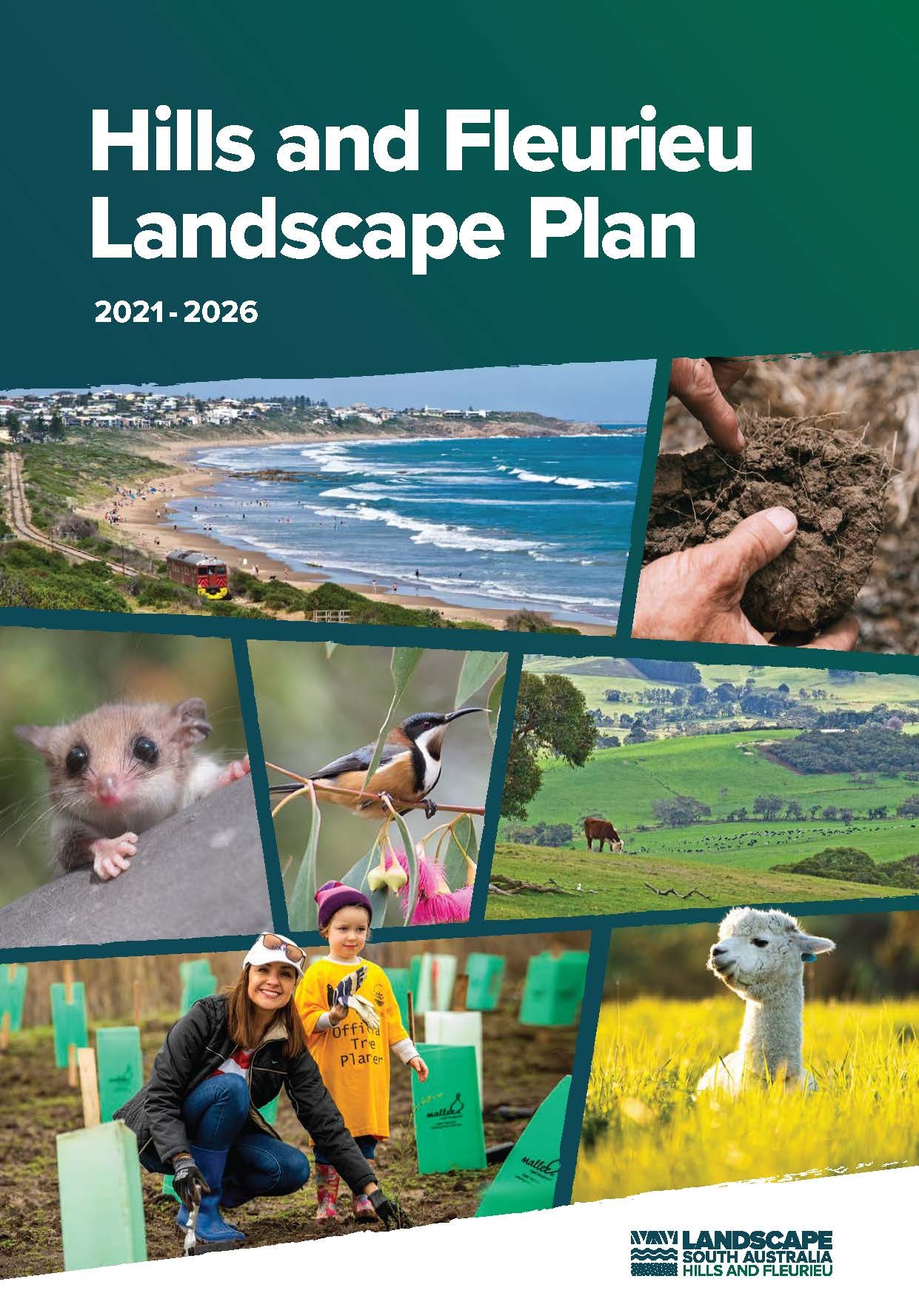
Hills and Fleurieu Landscape Plan 2021 - 2026
-
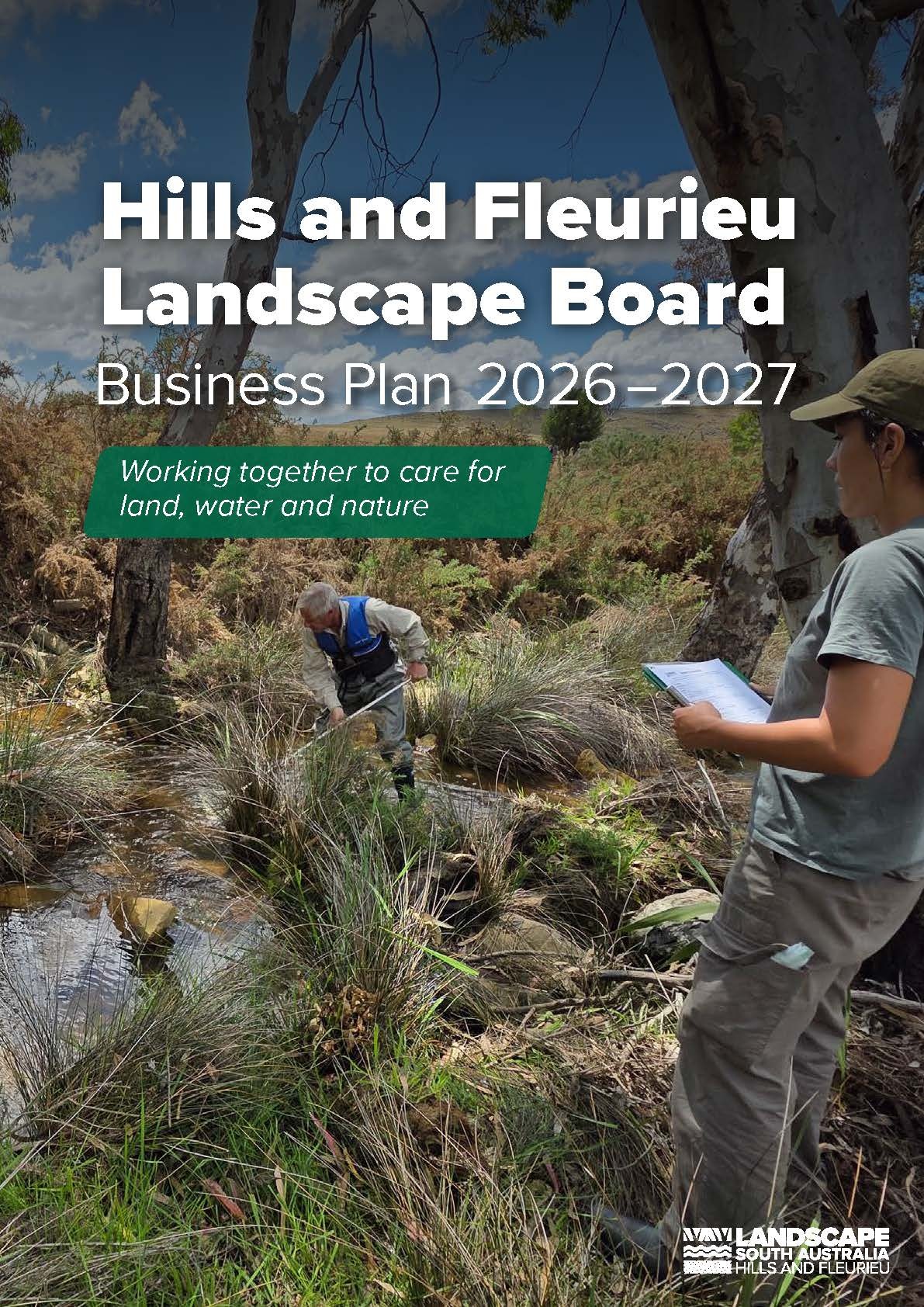
Hills and Fleurieu Business Plan 2026 - 2027
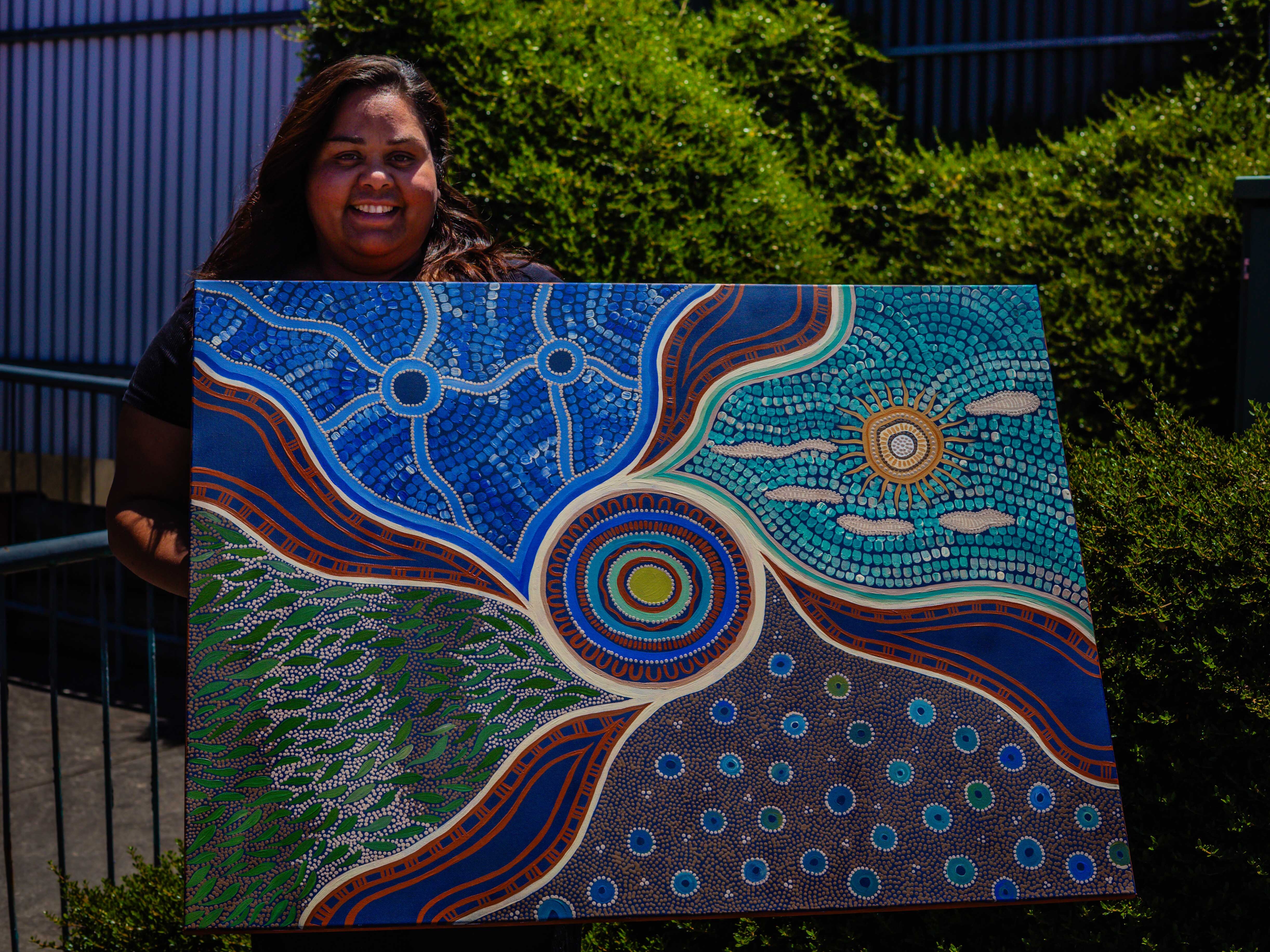
The story behind the artwork
Ngarrindjeri artist Jamaya Branson created the artwork featured throughout the Hills and Fleurieu Regional Landscape Plan 2026–2031. The piece reflects the plan's five priorities of Land, Water, Nature, Climate and Community through a cultural lens grounded in connection to Country and community.
The artist selection process was guided by representatives from peak-body Peramangk, Kaurna and Ngarrindjeri organisations, helping ensure the process was respectful, collaborative and connected to community.
Frequenty asked questions
The Hills and Fleurieu Regional Landscape Plan is the five-year strategic plan for the whole region. It sets shared priorities for caring for land, water, nature, and building climate and community stewardship. It is not a plan for the Board alone - it reflects the combined efforts and responsibilities of many partners across the Hills and Fleurieu.
Regional Landscape Plans are reviewed and updated every five years. The new plan responds to changes in our region, the results of the 2021-26 plan, emerging environmental pressures and more than 770 ideas gathered through the 2025 Landscape Conversations with community, partners and stakeholders.
Many organisations and individuals contribute to landscape management. The plan identifies shared roles for councils, state government agencies, industry, community groups, NGOs, First Nations partners, research organisations and both private and public land managers. The plan provides a common direction for working together
The draft focuses on five priorities shaped by community input:
Community - Everyone caring for our landscapes
Climate - A net-zero, climate-resilient region
Land - Healthy, productive land supporting people, industry and nature
Water - Sustainable water management and healthy waterways
Nature - Protecting and restoring native ecosystems and wildlife
Tracking progress is important to understanding what is working, where improvements can be made and how our actions are contributing to healthier landscapes.
Landscapes Hills and Fleurieu uses a Monitoring, Evaluation, Reporting and Improvement (MERI) Framework to measure progress against the Regional Landscape Plan and assess its impact over time. This framework is supported by a detailed MERI Plan that guides how data is collected, monitored and reported.
The MERI Plan is regularly reviewed and updated to ensure it reflects the best available information and supports continuous improvement.