H5 Bird Flu: If you notice multiple sick or dead birds or other animals record your location and report it to the 24-hour Emergency Animal Disease Hotline on 1800 675 888.

Stewardship News -
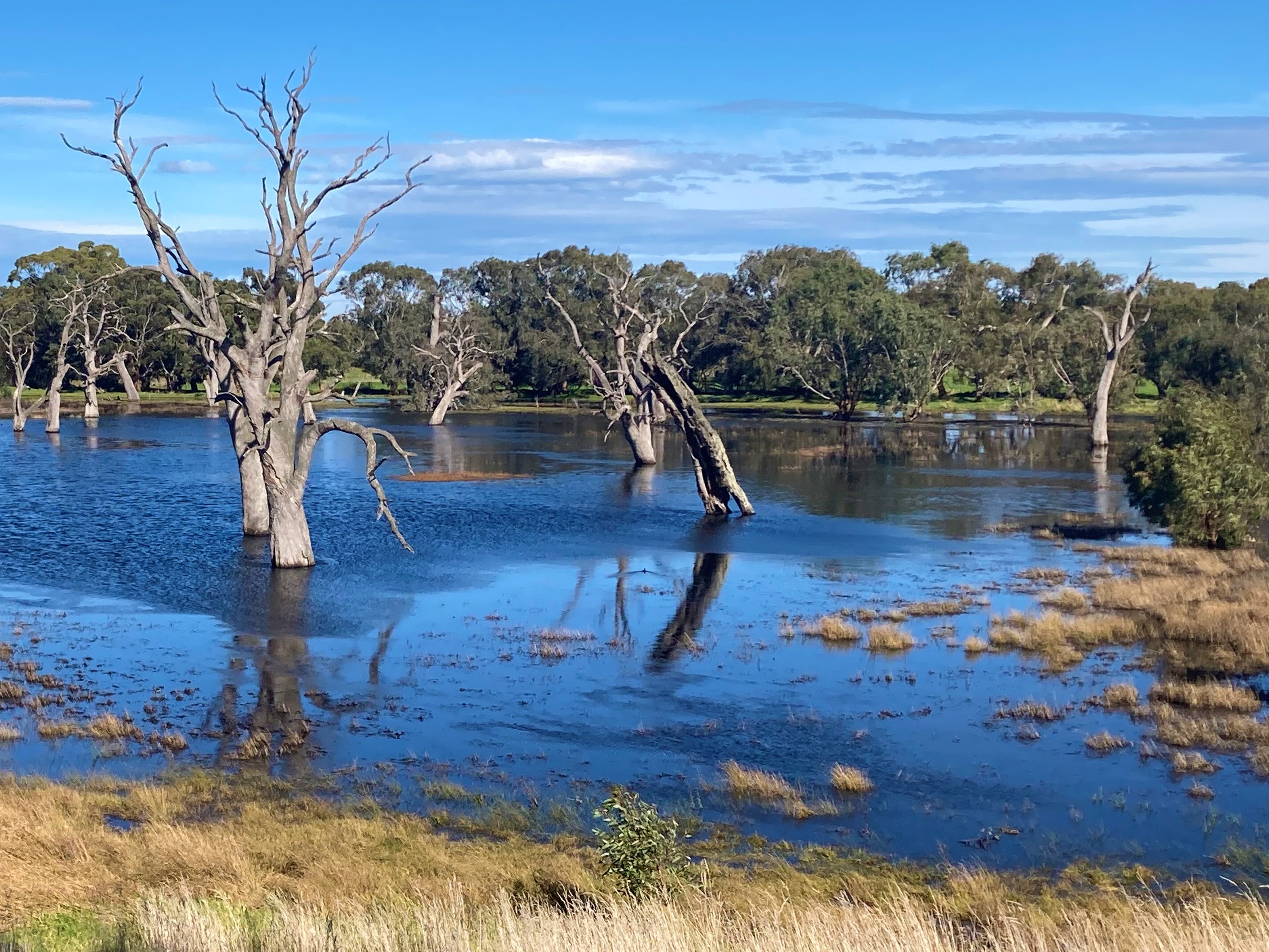
Willows on waterways: what to know before removing them
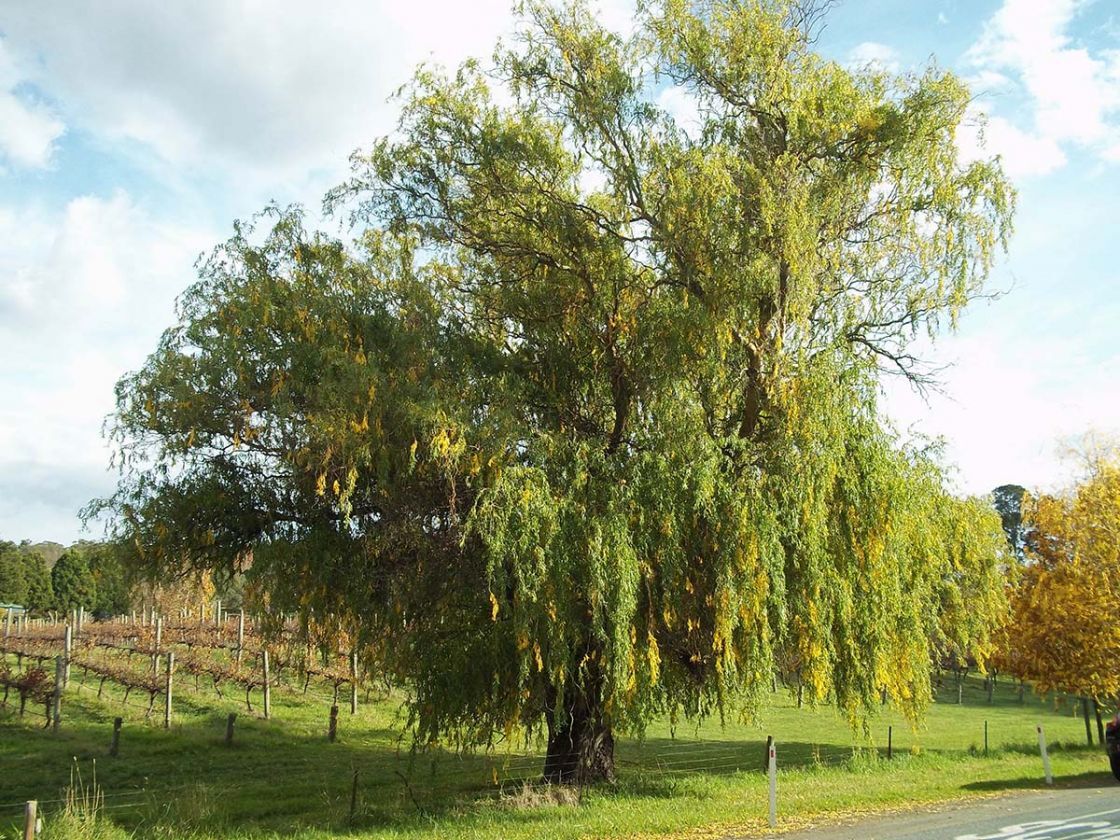
Willows were introduced to Australia by early European settlers and were once valued for shade and bank stabilisation. Today, many, willows are recognised as environmental weeds in waterways, where their impacts can outweigh their benefits.
Willows can form dense stands that outcompete native vegetation, alter stream ecosystems, and use large amounts of water. As deciduous trees from the northern hemisphere, they shed large volumes of leaves each autumn. This sudden leaf fall decomposes rapidly, reducing oxygen levels in the water and impacting native fish and aquatic life.
Removing willows
If you have willows along a waterway, careful planning is important. Drill-and-fill treatment with an aquatic-safe herbicide is often an effective way to control established willows.
Where it is safe and appropriate to leave the tree standing as it dies and breaks down naturally, this approach can avoid unnecessary disturbance to the bank.
If branches or limbs need to be removed, avoid disturbing the base of the trunk or root mass where possible. Leaving the root system in place can help maintain bank stability while replacement vegetation becomes established.
Once the willow has been treated, revegetate the area with locally appropriate native species suited to wet areas. Native vegetation can provide habitat and food for wildlife while helping to restore the natural function and stability of the waterway.
Remember: Willow branches can readily sprout when they meet moist soil or water. If you cut green willow branches, make sure they are removed from the site and disposed of appropriately so they cannot take root and create new plants.
Planning to remove a willow near a waterway?
Check the current recommended practice for vegetation removal before you start. It outlines when a Water Affecting Activity (WAA) permit may be required and the approved removal methods for willows.

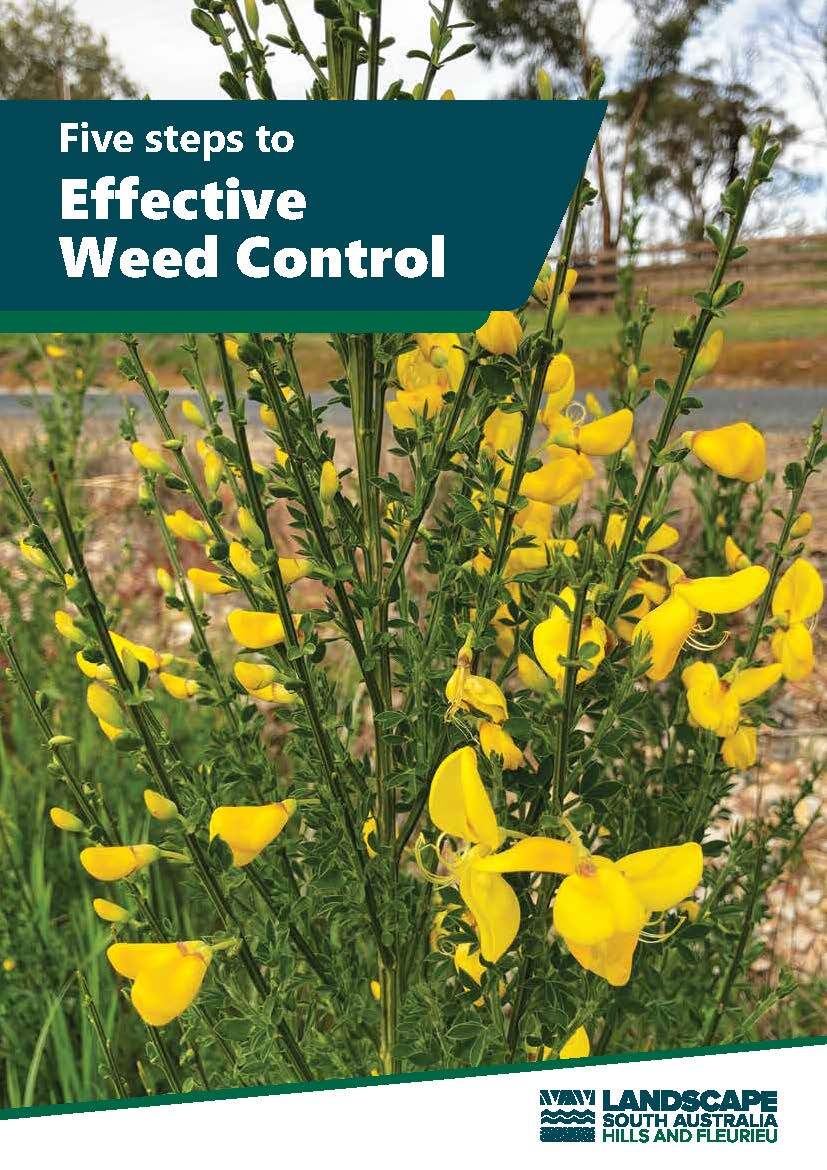
Download the Five Steps to Effective Weed Control guide
Weeds are a common challenge across our region, affecting many landowners and managers. From woody shrubs to invasive bulbs, these plants threaten property health, native wildlife, and biodiversity.
By tackling weeds together, we can protect native vegetation, support local ecosystems, and keep our landscapes healthy for generations to come.