H5 Bird Flu: If you notice multiple sick or dead birds or other animals record your location and report it to the 24-hour Emergency Animal Disease Hotline on 1800 675 888.

Stewardship News -
Managing paddocks for rest: Why it matters and how to do it well
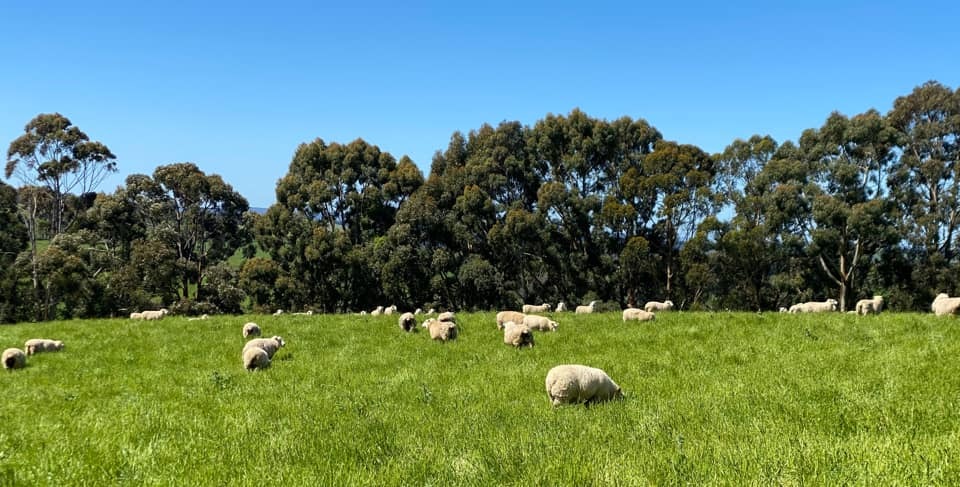
Resting paddocks is one of the simplest and most effective ways to improve pasture performance and animal health. In practice, it means giving a paddock a complete break from grazing so plants can recover, rebuild energy reserves, and grow stronger.
Why rest matters
Grazing animals naturally return to the tastiest plants first. Without rest, those plants are repeatedly grazed before they can recover, leading to thinning pastures, bare soil, weeds, and reduced feed quality. Rest periods allow plants to:
Regrow leaf area
Rebuild root systems
Restore energy reserves
Improve groundcover and soil health
Healthy pastures support healthier animals and reduce feed costs over time.
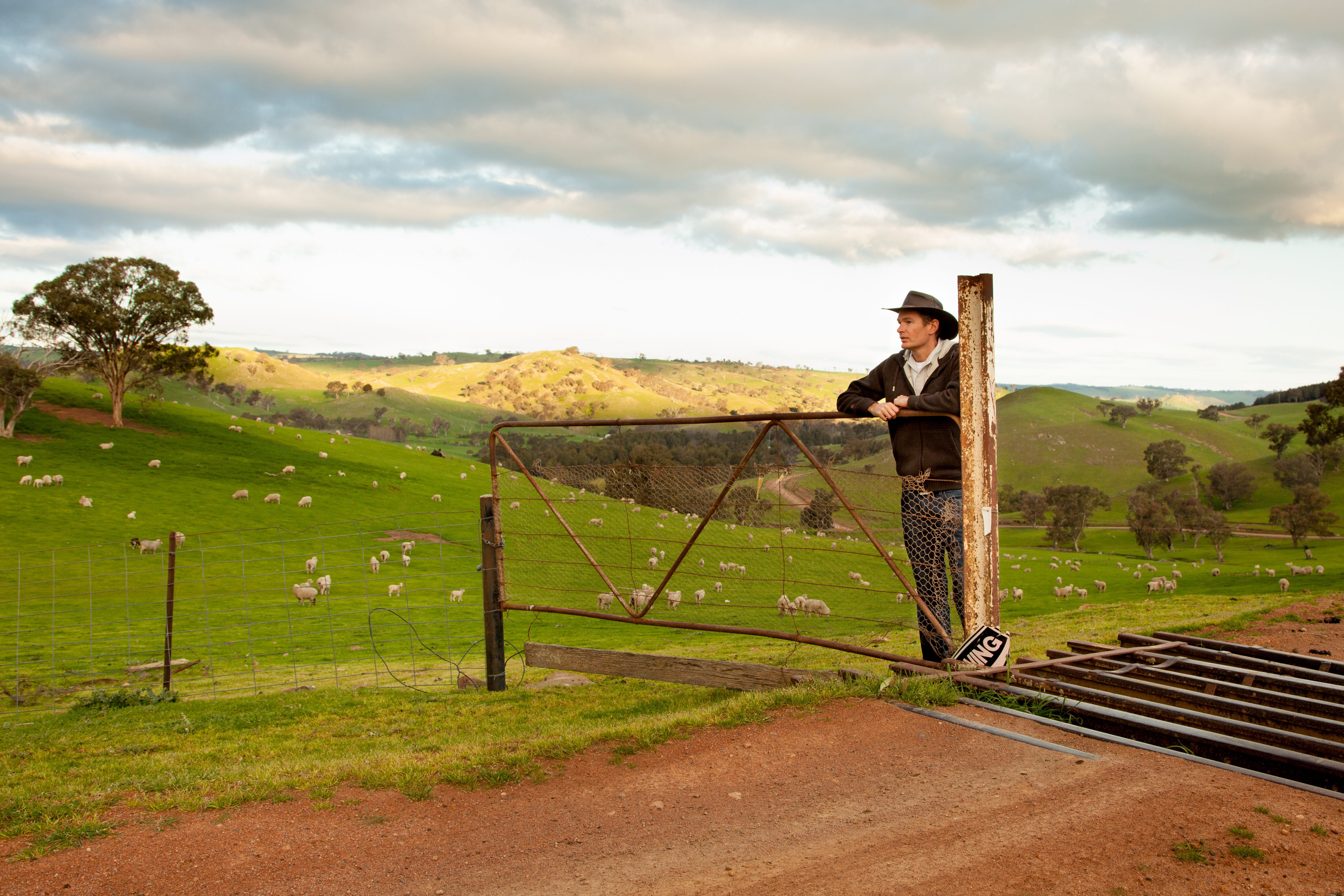
How to put paddock rest into practice
1. Use multiple paddocks
Whether you have two hectares or 200, rotating animals between several paddocks is the key. Smaller properties can still benefit - paddocks may simply be smaller, but the principles stay the same.
2. Move animals before overgrazing occurs
Timing is everything. A good rule is to move stock when pasture height is no shorter than 7.5–10 cm. Leaving animals too long encourages overgrazing and slows recovery.
3. Allow enough recovery AND rest
After grazing, plants need time to regrow new shoots and rebuild biomass. This recovery phase is essential, but rest doesn’t stop there.
A practical rule of thumb:
Observe how long it takes for plants to regrow new shoots and develop pointed leaf tips (the recovery phase)
Then double that time to allow for full rest.
In most cases, this will be no less than 20 days, but it varies with season, rainfall, and pasture type.
4. What if growth is slow - or paddocks are too wet?
If pasture isn’t keeping up with grazing pressure, consider:
Using a containment paddock to protect your main pastures. Find more details here.
Reviewing stocking rates to ensure they match feed availability.
These strategies help prevent long‑term pasture damage.

Climate-smart farming support, right here in the Hills and Fleurieu
Get local advice, connections and opportunities from our Sustainable Agriculture Facilitator.
Sustainable Agriculture Facilitators are supported by the Australian Government through funding from the Natural Heritage Trust under the Climate-Smart Agriculture Program.