H5 Bird Flu: If you notice multiple sick or dead birds or other animals record your location and report it to the 24-hour Emergency Animal Disease Hotline on 1800 675 888.

Stewardship News -
Farm the soil, not just the crop
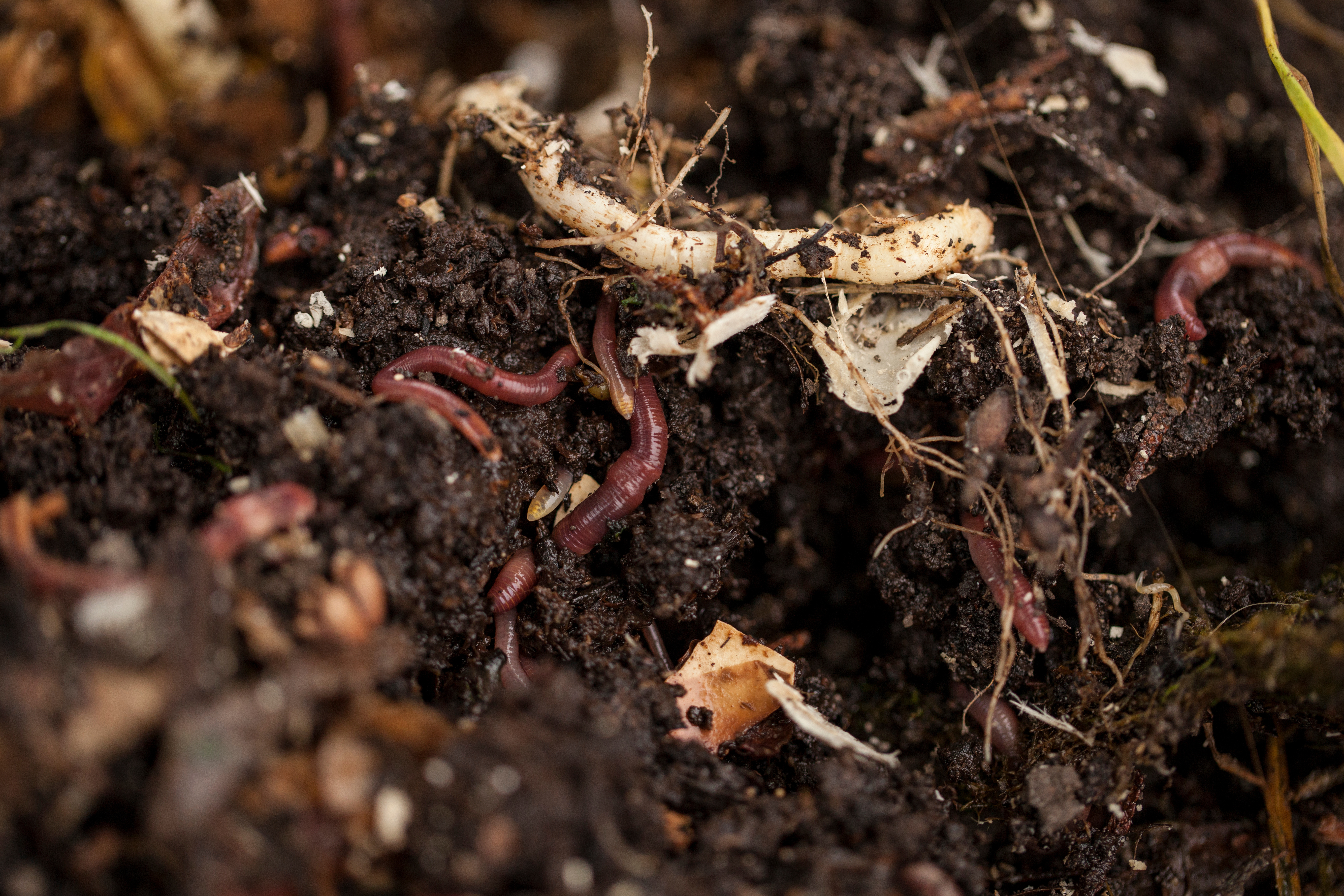
People often use the terms dirt and soil interchangeably, but they are not quite the same. Dirt refers to the mineral particles of sand, silt and clay. Soil is much more than these mineral particles. It is a living ecosystem made up of minerals, organic matter, water, air and a diverse community of microorganisms including bacteria, fungi and other beneficial organisms.
Healthy soil supports plant growth by storing water, cycling nutrients and creating a favourable environment for roots and soil biology. Organic matter also plays an important role by improving water-holding capacity, soil structure and biological activity.
As with all healthy ecosystems, diversity matters. Diverse plant communities can support diverse soil biology, contributing to a more resilient and productive farming system.
Improving soil health is a long-term process. Practices such as maintaining groundcover, increasing organic matter, growing a diversity of plant species, and applying quality compost can help build biological activity and improve soil function over time.
At recent workshops in Blewitt Springs and Ashton, soil biologist Mary Cole encouraged participants to focus on soil health as the foundation of crop and pasture performance.
“Ask what does my soil need today, rather than what does my crop need today”
Mary explained that building healthy soil can create a more resilient production system, with benefits for soil function and plant health over the longer term.
Drawing on examples from her own farming experience in Victoria, Mary described how increasing soil biological activity and using fungal-dominated compost tea was associated with reduced capeweed in pastures over time. She also discussed the role soil fungi can play in influencing conditions around plant roots and supporting nutrient availability.
Key takeaways:
- Farm the soil as well as the crop or pasture.
- Maintain year-round groundcover wherever practical to protect soil and support biological activity.
- Encourage diversity in both plants and soil biology.
- Build soil organic matter to improve water-holding capacity and soil function.
- Review synthetic input use and consider opportunities to support soil biological health.
- Incorporate perennial species to maintain living roots in the soil throughout the year.
- Consider regenerative practices such as rotational grazing to support soil health and groundcover.
- Focus on long-term soil resilience as the foundation of a productive farming system.
This project is supported by the Australian Government through funding from the Natural Heritage Trust under the Climate-Smart Agriculture Program.
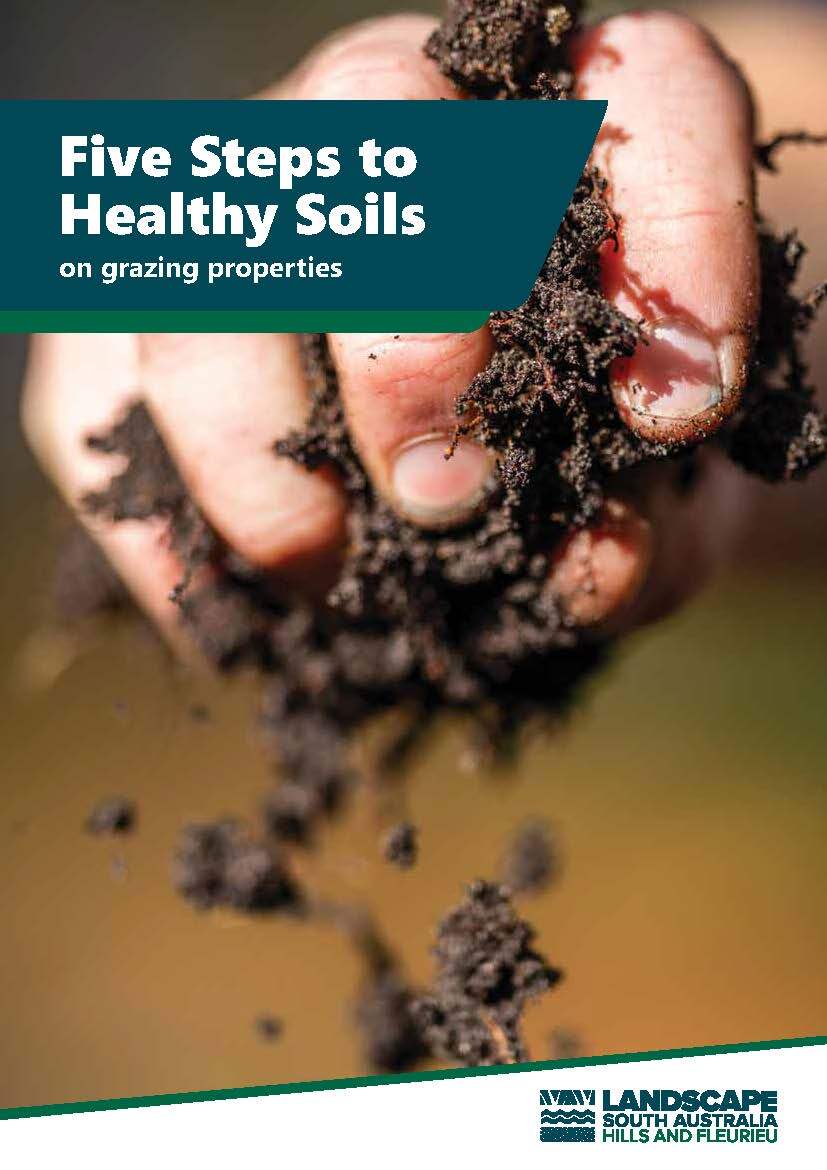
Download our free Five Steps to Healthy Soils guide
Our Five Steps to Healthy Soil guide makes it easy to get started with practical advice you can follow at your own pace. Whether you’re managing a small block or a larger property, the guide walks you through understanding your soil, identifying issues and planning your next steps to improve soil health.