H5 Bird Flu: If you notice multiple sick or dead birds or other animals record your location and report it to the 24-hour Emergency Animal Disease Hotline on 1800 675 888.

Stewardship News -
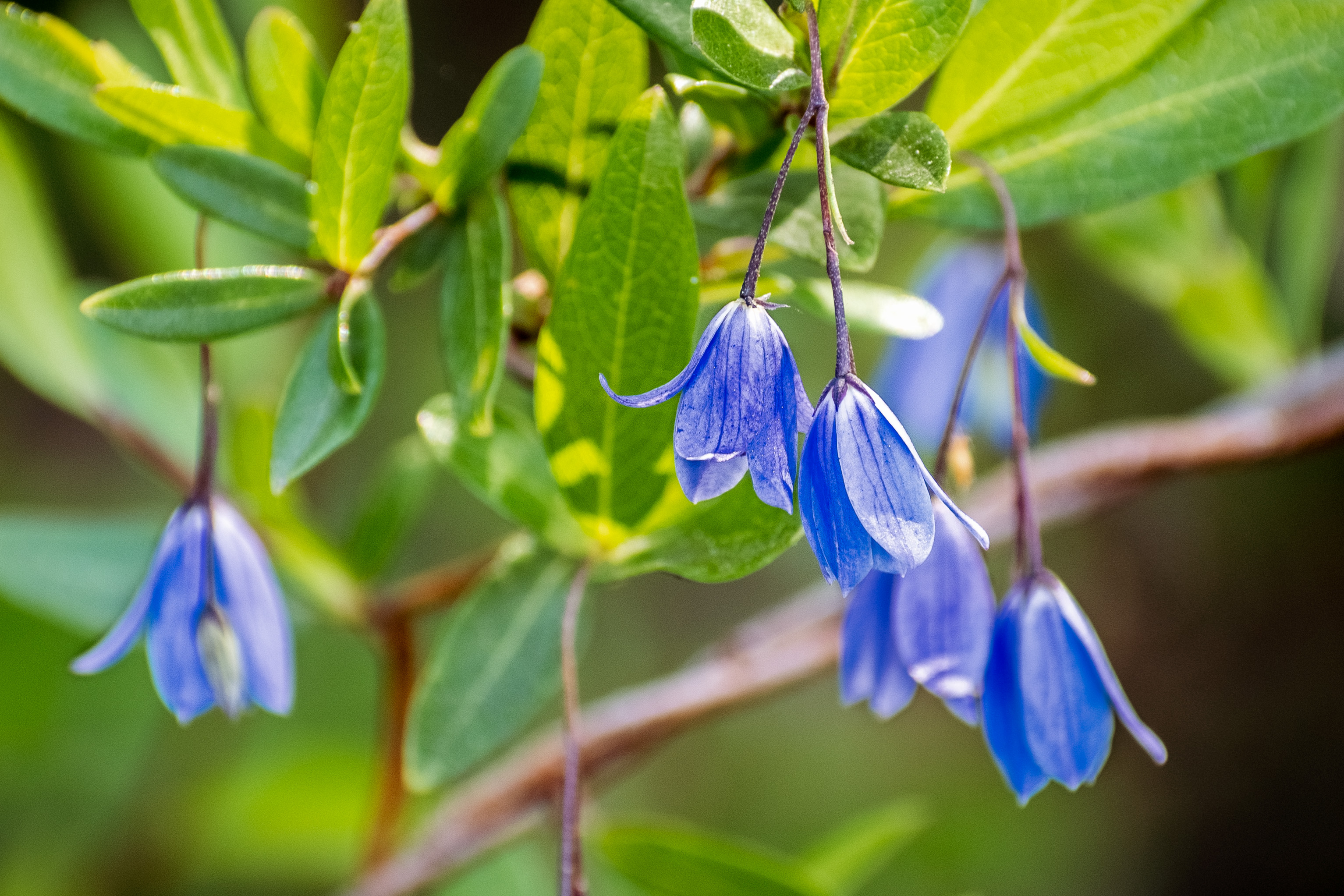
Swap out bluebell creeper
At first glance, bluebell creeper may seem like an attractive garden plant, with delicate blue flowers and a vigorous climbing habit. However, in South Australia, this fast-growing vine poses a threat to our natural environment and is a declared pest plant under the Landscape South Australia Act 2019, which means it must be controlled and is banned from sale.
Why is bluebell creeper a problem?
Native to Western Australia, bluebell creeper (Billardiera heterophylla, formerly Sollya heterophylla) is an environmental weed in South Australia. It invades native vegetation and smothers shrubs and groundcover plants by outcompeting them for light and space.
Many infestations begin when plants escape from gardens. Bluebell creeper produces many seeds contained within fleshy berries that are eaten by birds and other animals, helping the weed spread across the landscape.
Look out for native lookalikes
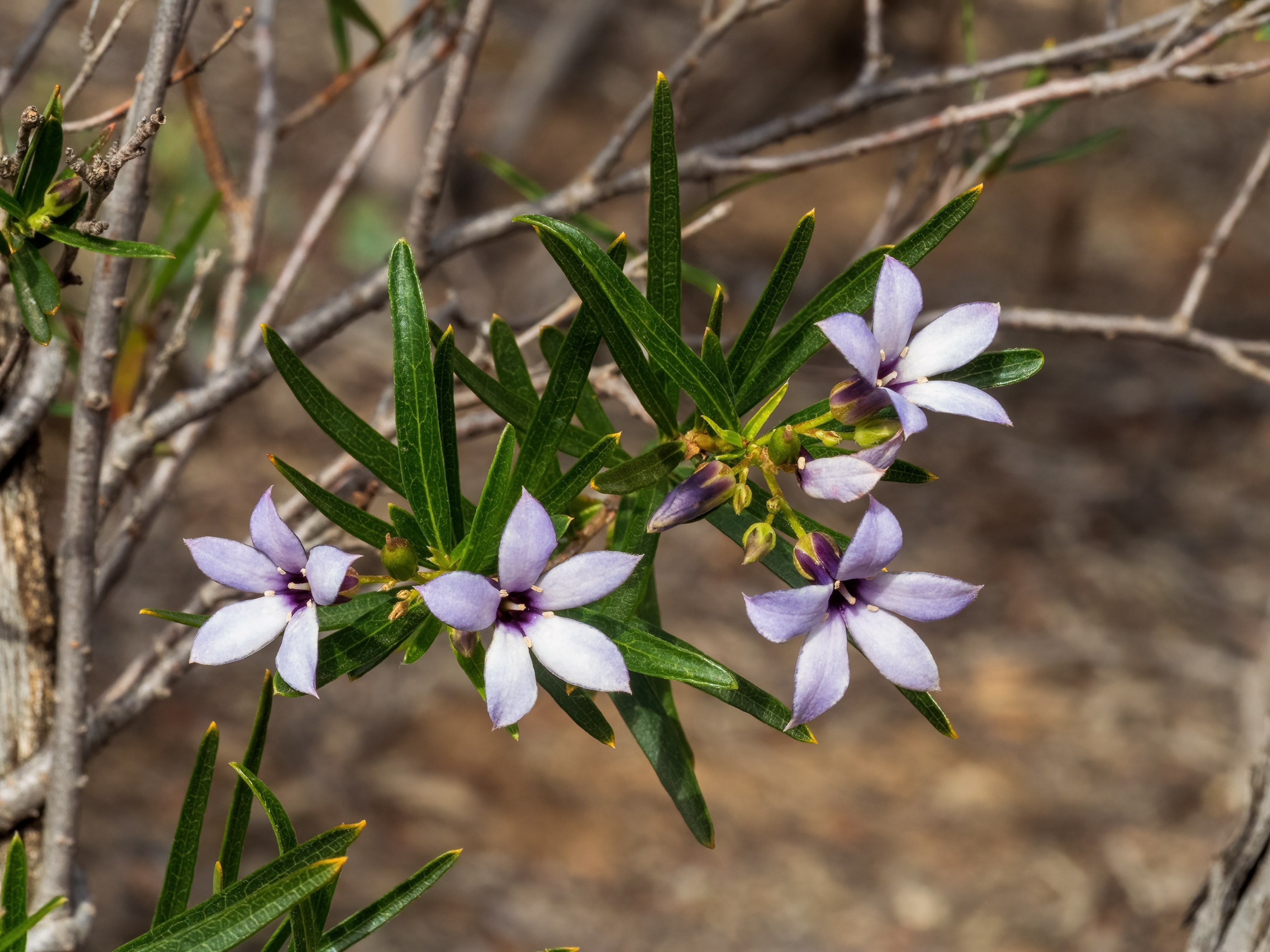
Several native climbing plants closely resemble bluebell creeper, making correct identification essential before any control work begins.
Native lookalikes include:
- Sweet apple-berry (Billardiera cymosa ssp. cymosa)
- One-flower apple-berry (Billardiera uniflora)
- Yellow-flower apple-berry (Billardiera versicolor)
If you think you have bluebell creeper, download our Bluebell creeper factsheet before taking action. It includes identification tips, advice on distinguishing bluebell creeper from native apple-berry species, and practical control options. If you're unsure whether you've found bluebell creeper, contact a Stewardship Officer before removing it.
What you can plant instead
The good news is that there are native alternatives that provide the same climbing appeal without the environmental risks.
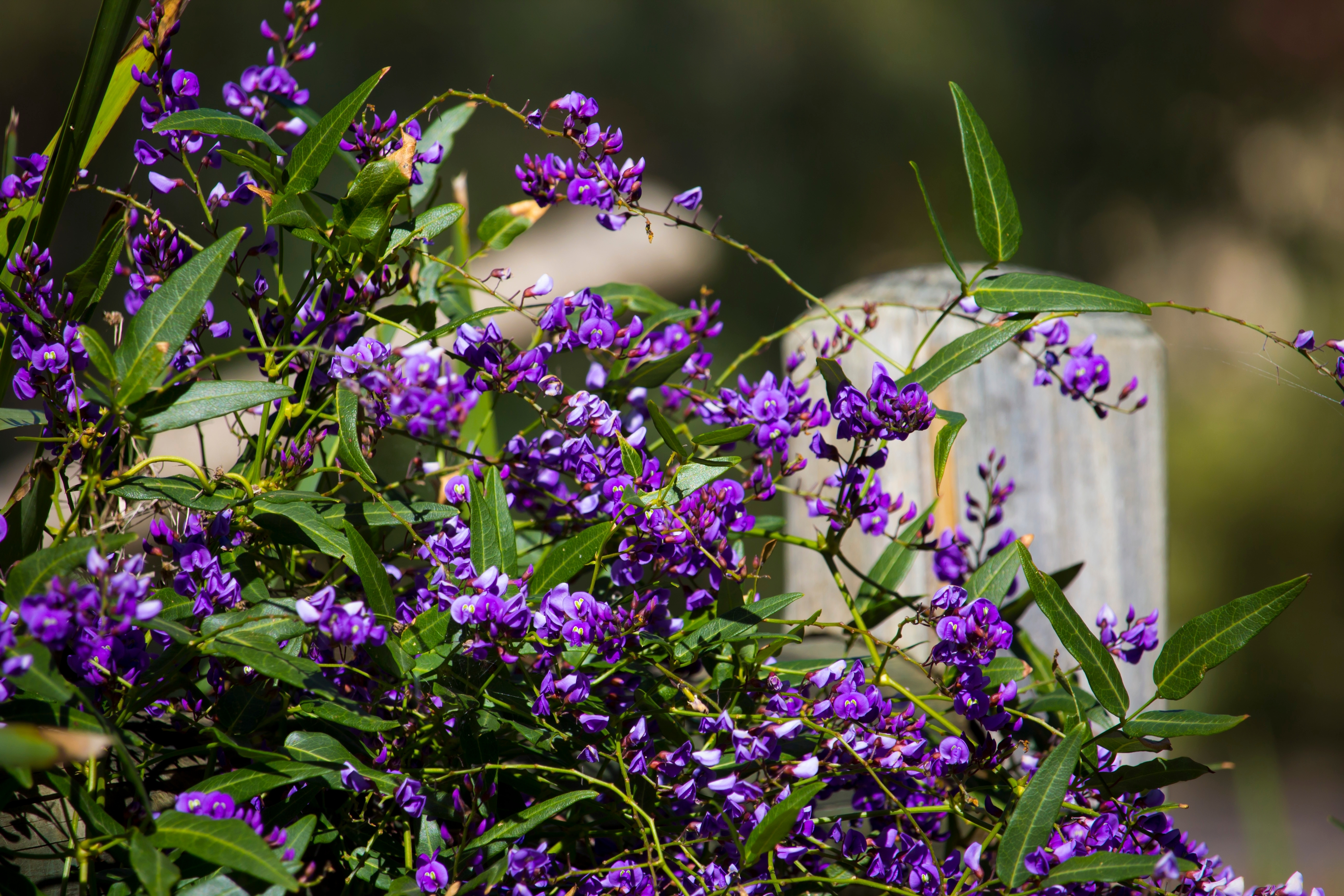
If you're removing bluebell creeper from your garden, consider replacing it with false sarsaparilla (Hardenbergia violacea).
This beautiful Australian native is available from nurseries and produces masses of stunning pea-shaped flowers during the cooler months and into spring. It is a versatile climber that can be trained over fences, pergolas, trellises, and other garden structures.
Flowering typically occurs from August through to November, creating a vibrant display that attracts pollinators and adds seasonal colour to the garden.
Protect local biodiversity
Bluebell creeper may be attractive, but its ability to spread rapidly and overwhelm native ecosystems makes it a serious environmental threat in South Australia. By learning to identify the plant, removing existing infestations, and replacing it with locally appropriate native alternatives, all of us can play a role in protecting the natural landscapes we value.
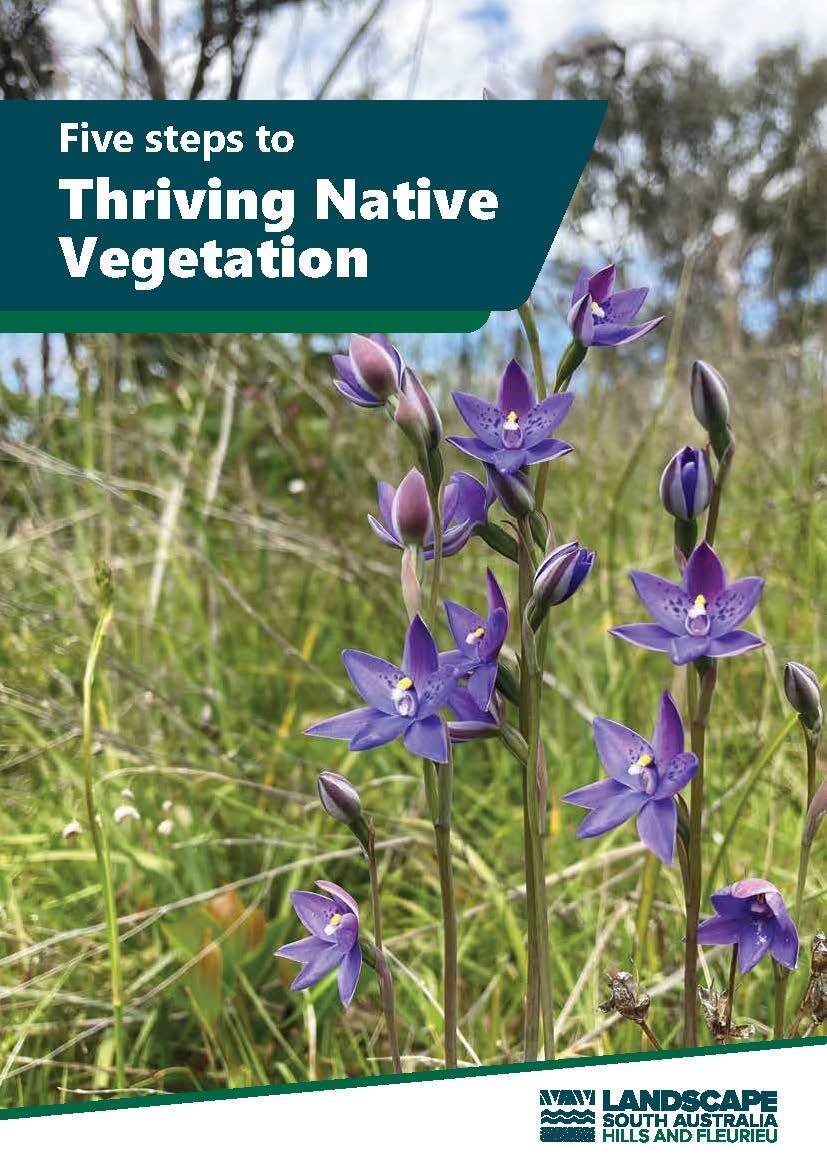
Download the Five Steps to Thriving Native Vegetation guide
Caring for native vegetation on your property is essential for the health of your land, your farming practices and the environment.
Native plants help improve water quality, prevent soil erosion, and provide valuable habitats for wildlife, including pollinators and native animals. They also play a crucial role in regulating the climate by acting as carbon sinks and providing windbreaks for your stock.