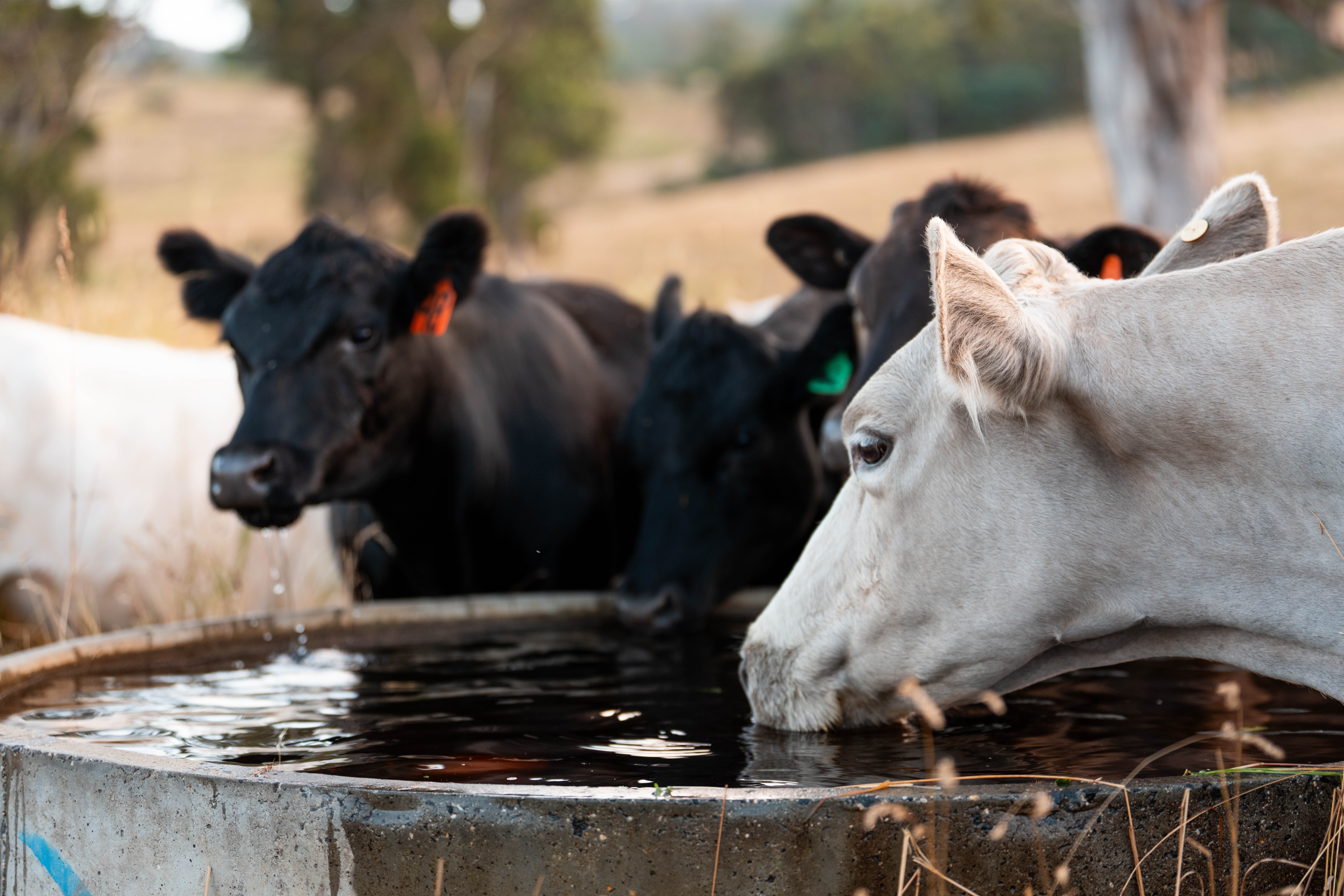
Planning your rabbit control? Find out which control methods you can use this season and what’s changing with K5 calicivirus-treated carrots.

Stewardship News -
Tailoring weed control to the right situation
Weeds are one of the most persistent challenges facing landholders across the Hills and Fleurieu. From grazing properties and vineyards to bushland, peri-urban areas, wetlands and coastal dunes, weeds compete with productive pasture, threaten native biodiversity and can quickly spread if left unmanaged.
The key to successful weed management is recognising that there is no one-size-fits-all solution. Different landscapes, land-uses and weed species require different approaches. What works in a paddock may not be suitable in a remnant bushland patch or along a creek line.
The most effective strategy? Detect new and emerging weeds early, act quickly, and tailor your control methods to the environment.
Weed management in a diverse landscape
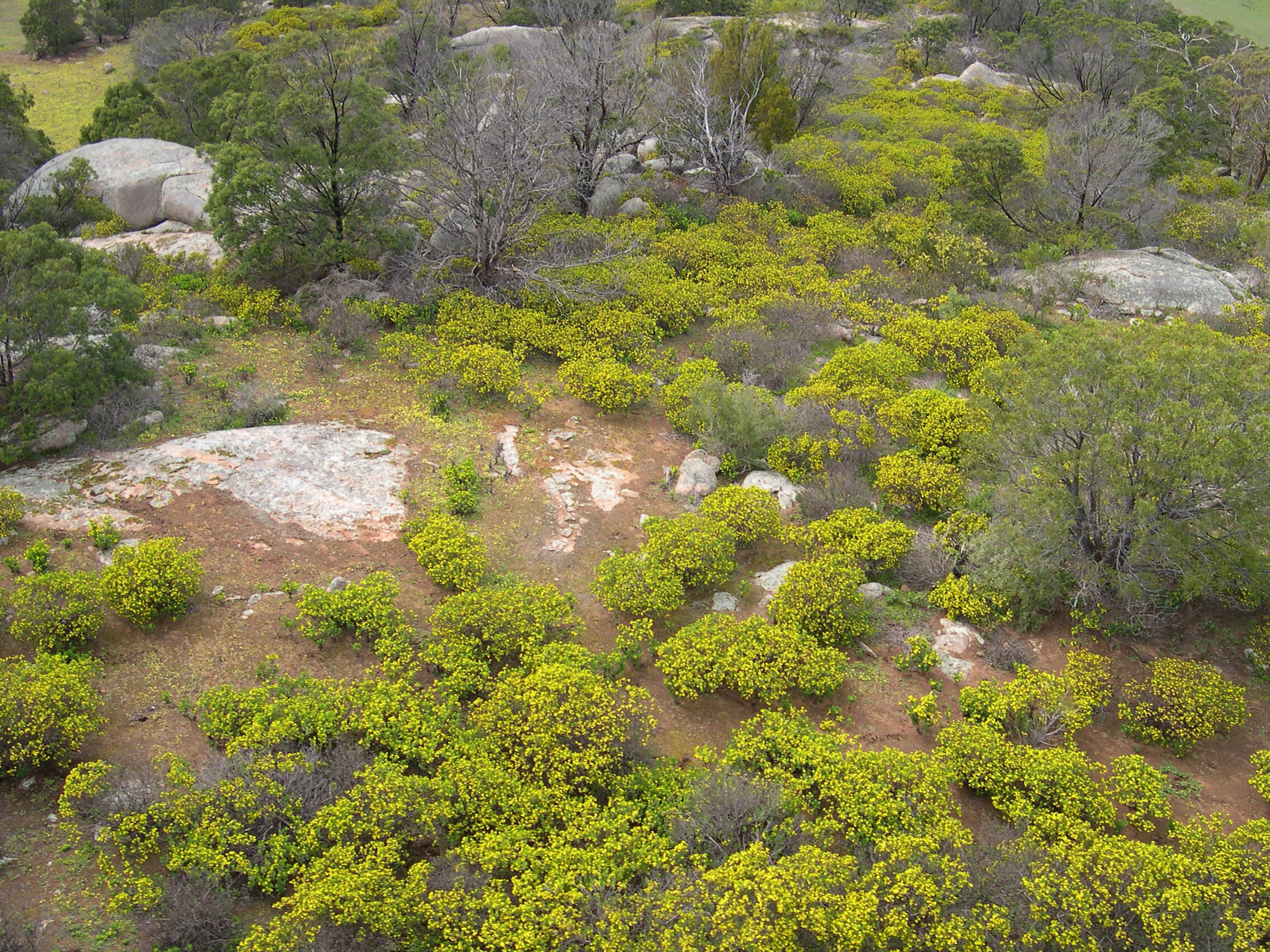
The Hills and Fleurieu region presents unique challenges for weed control. We have highly variable rainfall (ranging from approx 600–1,200 mm annually), steep slopes, gullies and rocky terrain, significant areas of remnant native vegetation, and a mix of grazing land, vineyards, conservation areas and lifestyle properties
These varied landscapes mean weed control methods need to be carefully selected to achieve the best outcomes while protecting productive land and environmental values.
Bushland and conservation areas
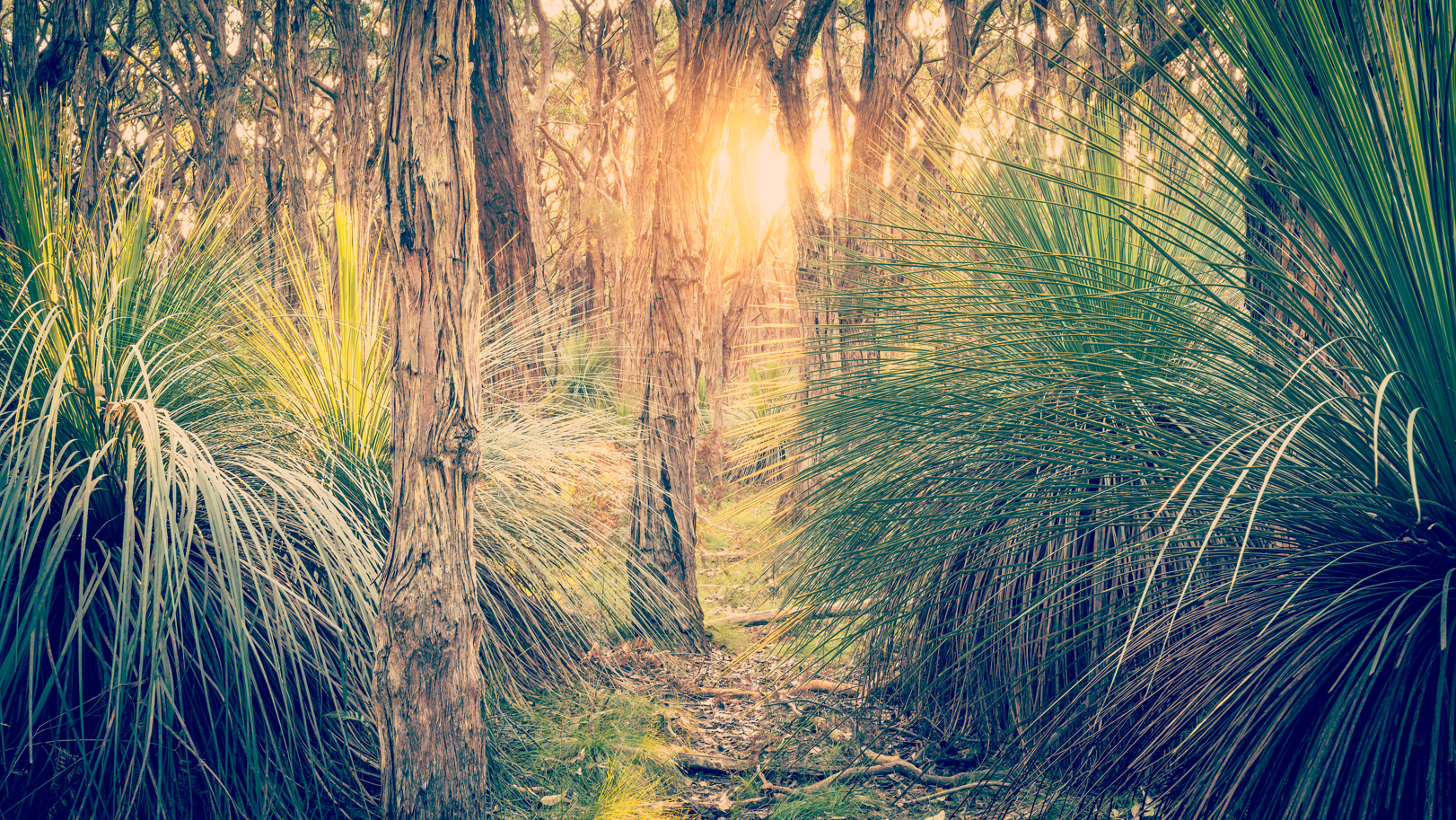
In native vegetation and conservation areas, protecting biodiversity should be the primary goal.
Many invasive species can outcompete native plants, reduce habitat quality and alter ecosystem function. However, control methods that disturb the soil can sometimes create opportunities for even more weeds to establish.
When managing weeds in bushland:
- Prioritise selective control methods such as cut-and-swab or drill-and-fill treatments for woody weeds like olives
- Use hand removal where practical to minimise disturbance
- Avoid unnecessary soil disturbance that may trigger secondary weed invasion
- Time control activities before weeds set seed
- Consider impacts on native flowering plants and pollinators
Patience is often required. Weed seedbanks can persist for many years, meaning ongoing monitoring and follow-up treatments are essential.
For some species, integrated approaches provide the best results. For example, combining biological control agents with targeted herbicide application can be highly effective for weeds such as bridal creeper.
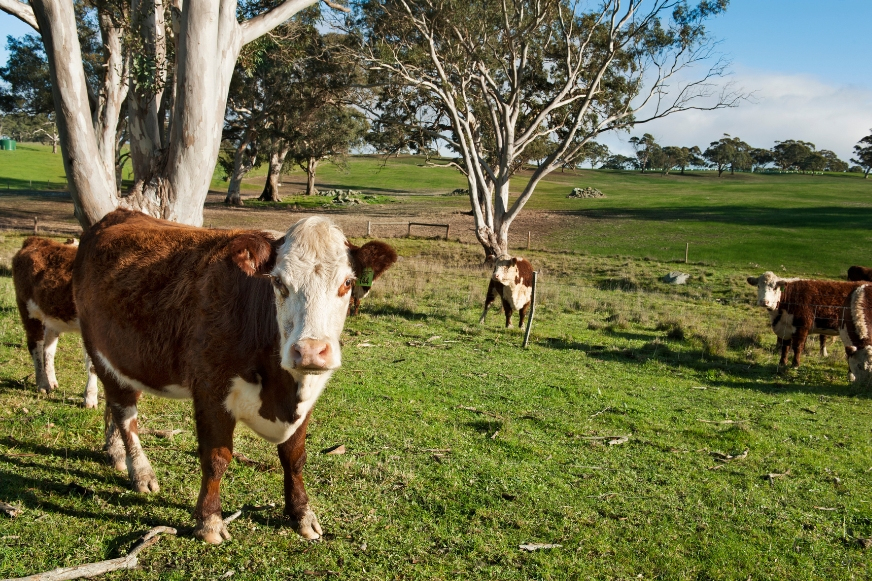
Grazing and agricultural land
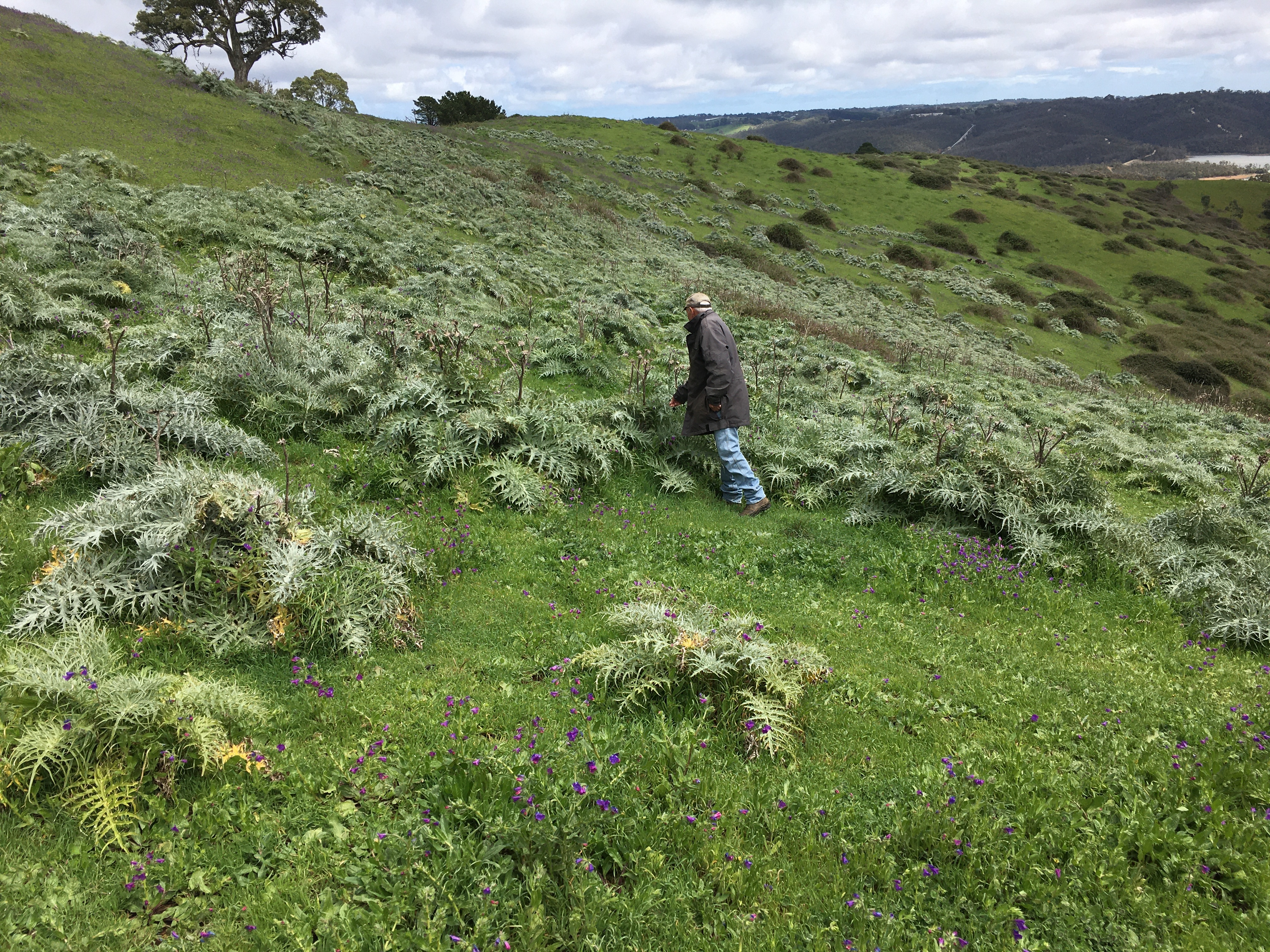
On farms and grazing properties, weed management should be part of a broader integrated land management strategy.
Healthy, competitive pastures are one of the best defences against weed invasion. Maintaining groundcover and avoiding overgrazing can significantly reduce opportunities for weeds to establish.
This Pasture Weed Guide provides some useful information about using the presence of pasture weeds to read the landscape, and how to take action.
Depending on the weed and scale of infestation, control options may include:
- Boom spraying for extensive infestations
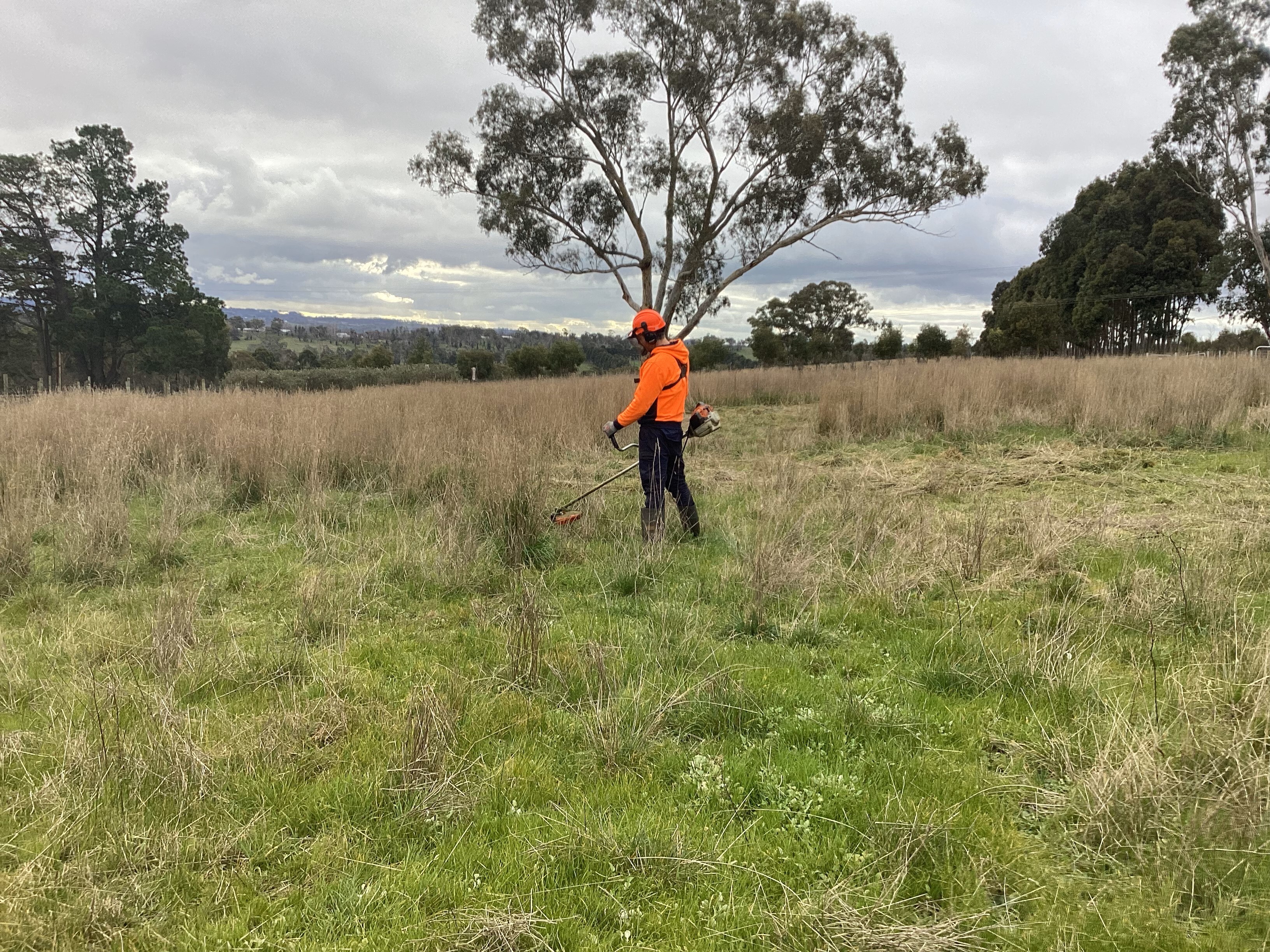
- Spot spraying for scattered weeds
- Strategic use of fire where appropriate and approved, such as reducing biomass before treating new growth of species like African lovegrass
Managing grazing pressure is equally important. Overgrazed paddocks create bare ground, providing ideal conditions for weed establishment.
Early intervention is important for new and emerging weeds. This is particularly important for weeds such as African lovegrass that are now being reported in new areas of the region. Small infestations are often far easier and less costly to eradicate than large, established populations.
Landholders should also consider practical measures to prevent weed spread, like creating weed-free buffers along fence lines and access tracks, cleaning machinery, vehicles and equipment before moving between properties and brushing down boots, clothing and tools after working in infested areas.
A few extra minutes spent on hygiene can prevent years of future weed problems.
Lifestyle properties and peri-urban areas
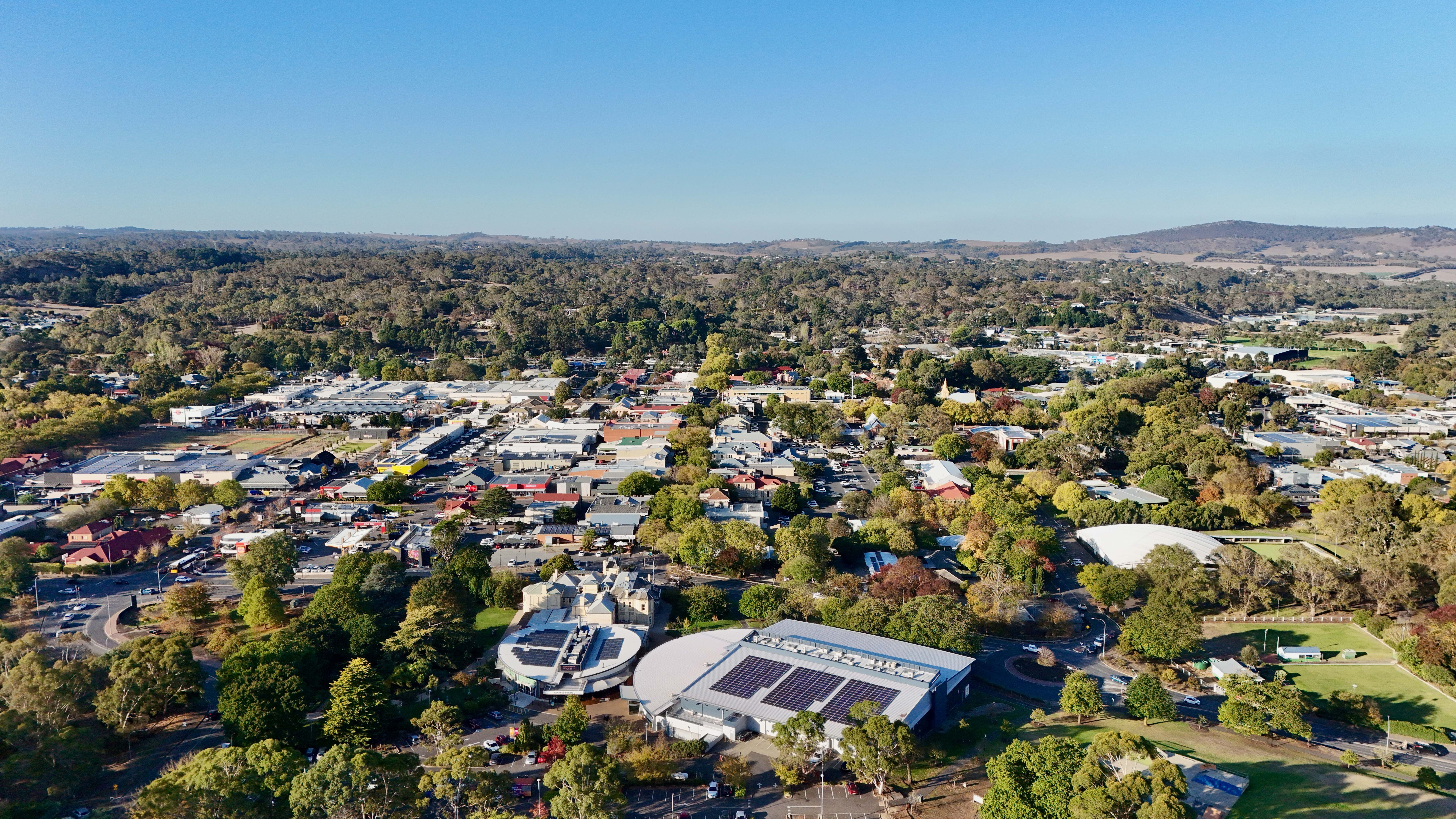
Lifestyle properties play an important role in regional weed management.
Many invasive plants begin as garden species before escaping into neighbouring bushland, waterways and roadsides. Fragmented land ownership can also make coordinated control more challenging.
For smaller properties, practical and accessible solutions often work best, including:
- Manual weed removal
- Safe and targeted herbicide use
- Regular property inspections to identify emerging weeds early
Particular attention should be given to garden escapees such as ivy, agapanthus and other ornamental plants known to invade natural areas.
Neighbour collaboration can make a significant difference. By working together, landholders can achieve better long-term outcomes and reduce reinfestation across property boundaries.
Riparian zones and wetlands
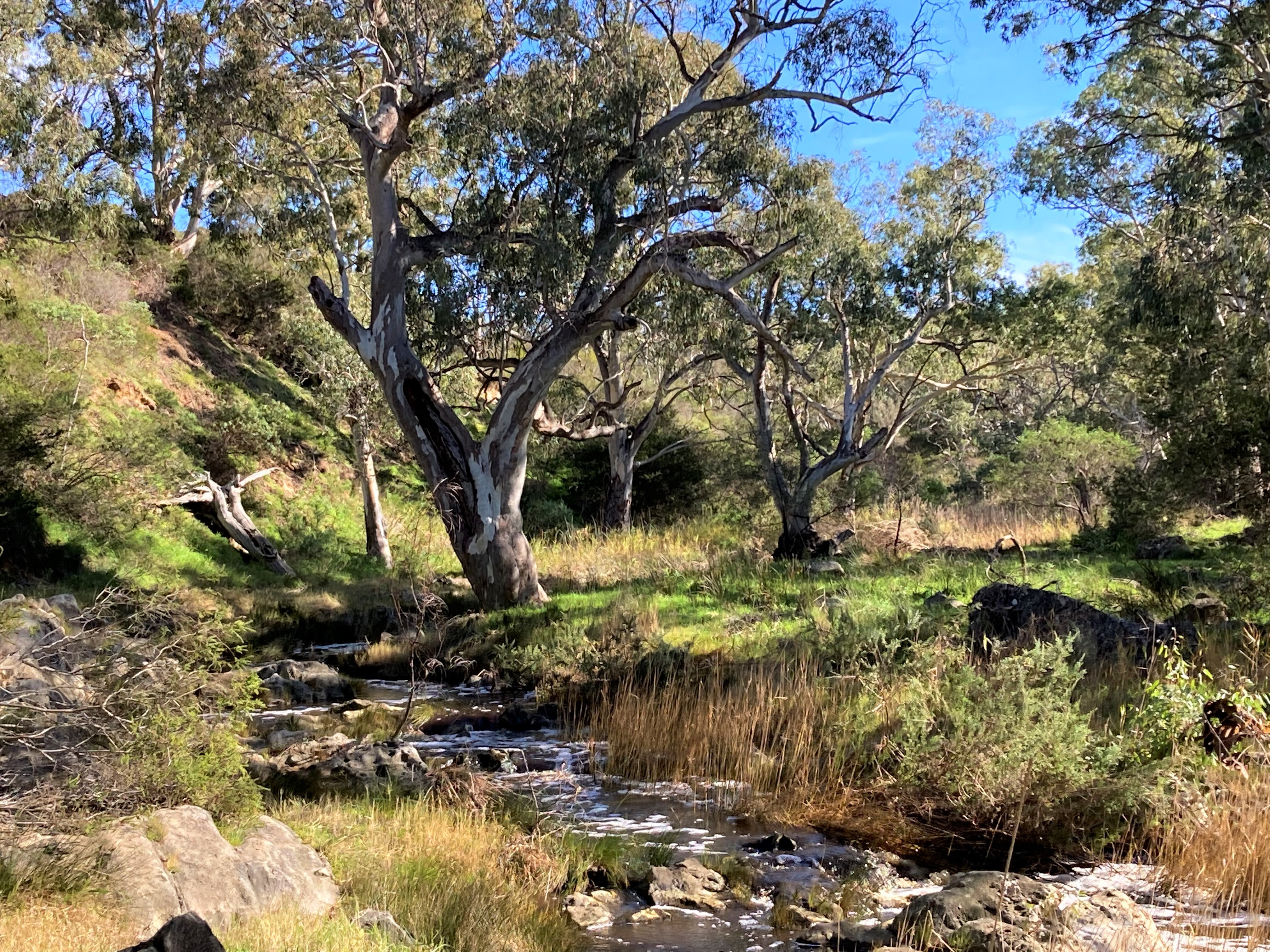
Creeks, rivers, wetlands and watercourses require special care during weed control operations.
These sensitive environments are particularly vulnerable to both disturbance and contamination, meaning control methods must be selected carefully.
When working in riparian areas:
- Use only herbicides approved for aquatic environments where herbicide application is necessary
- Avoid spraying directly into waterways unless specifically permitted
- Use manual or mechanical removal where practical
In some situations, gradual or staged weed removal may be preferable. For example, large blackberry infestations can provide temporary bank stability and habitat. Removing all vegetation at once may increase erosion risks.
Successful riparian weed control should typically be followed by revegetation with appropriate native species to stabilise banks and improve habitat values.
Be prepared for follow-up work, as regrowth is often rapid in these high-moisture environments.
Coastal and sandy environments
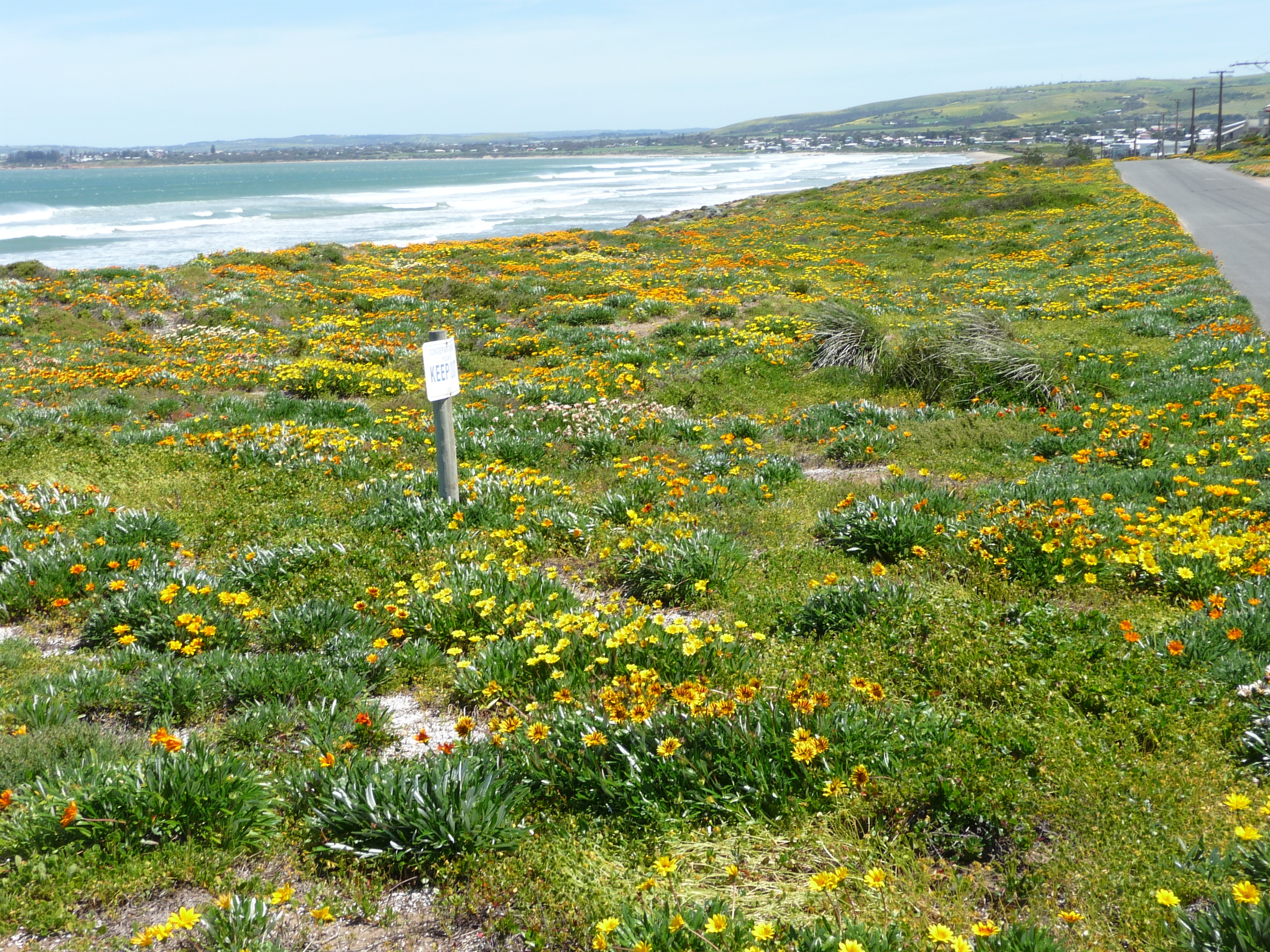
The Fleurieu Peninsula's coastal dunes and sandy environments are naturally dynamic and highly vulnerable to disturbance.
Weed management in these areas should aim to protect dune stability while removing invasive species.
Best-practice techniques often include:
- Hand removal of smaller infestations
- Carefully targeted herbicide application
- Minimising soil disturbance
- Avoiding heavy machinery wherever possible
Priority coastal weeds may include species such as sea spurge, marram grass and gazania.
In sensitive dune systems, gradual removal is often preferable to large-scale clearing. This helps maintain dune integrity while allowing native vegetation to re-establish.
Native revegetation should always form part of the long-term management plan.
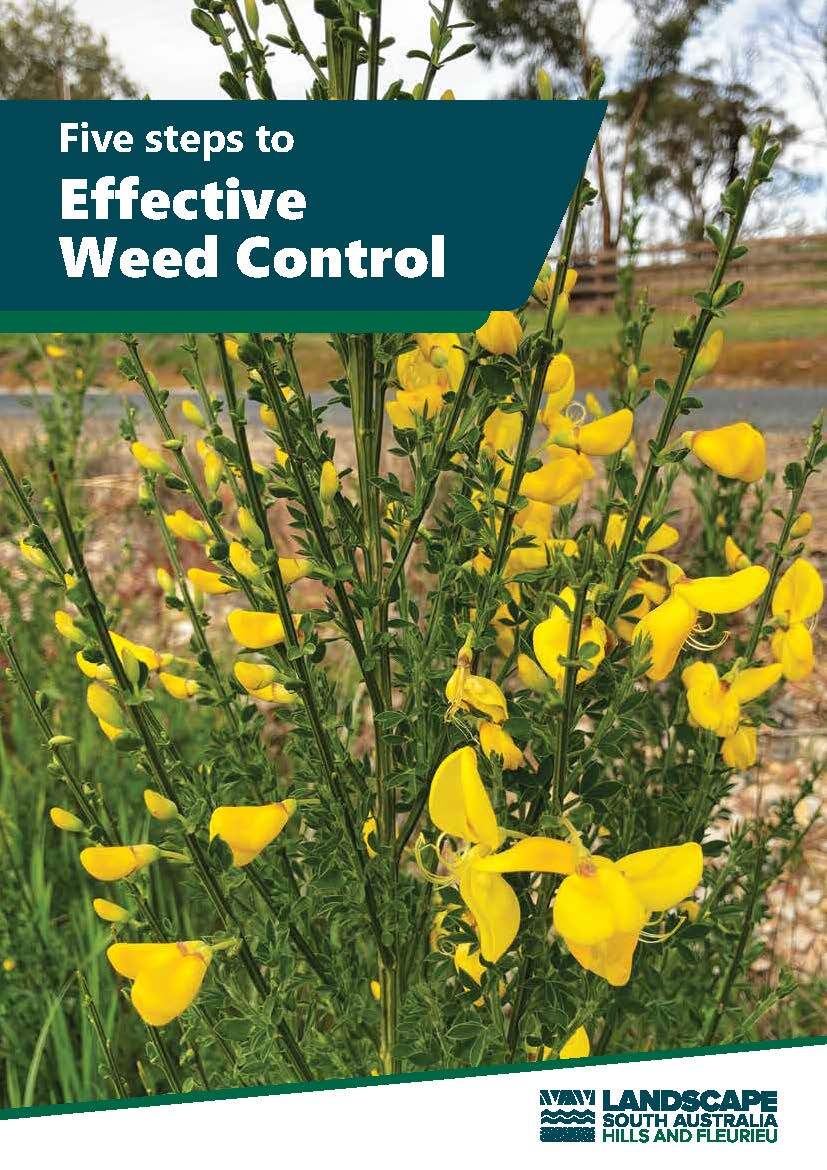
Check our Five Steps to Effective Weed Control Guide
Weeds are a common challenge across our region, affecting many landowners and managers. From woody shrubs to invasive bulbs, these plants threaten property health, native wildlife, and biodiversity. By tackling weeds together, we can protect native vegetation, support local ecosystems, and keep our landscapes healthy for generations to come.