The Landscapes Hills and Fleurieu office will be closed on Wednesday 21 October and will reopen on Thursday 22 October. Our phones will not be monitored during this time

Stewardship News -
Weed control for bushfire preparedness
Now is a good time to consider which weeds may become a fire hazard over summer.
Grass weeds can displace native species and, in some cases, create serious fire risks. This is particularly true of species that form dense tussocks. A good example is pampas grass, which can grow several metres tall and when left uncontrolled, can dominate an area and create high fuel loads. Similarly, pasture grasses such as phalaris and African lovegrass can produce dense biomass when unmanaged, resulting in significant fuel loads and the ability to burn while still green.
It is also important to consider dense infestations of woody weeds. Olive trees, gorse and blackberry are all examples of weeds that can present significant fire hazards. Their ability to outcompete other vegetation, form monocultures and accumulate large amounts of highly flammable biomass can increase the intensity and severity of a fire.
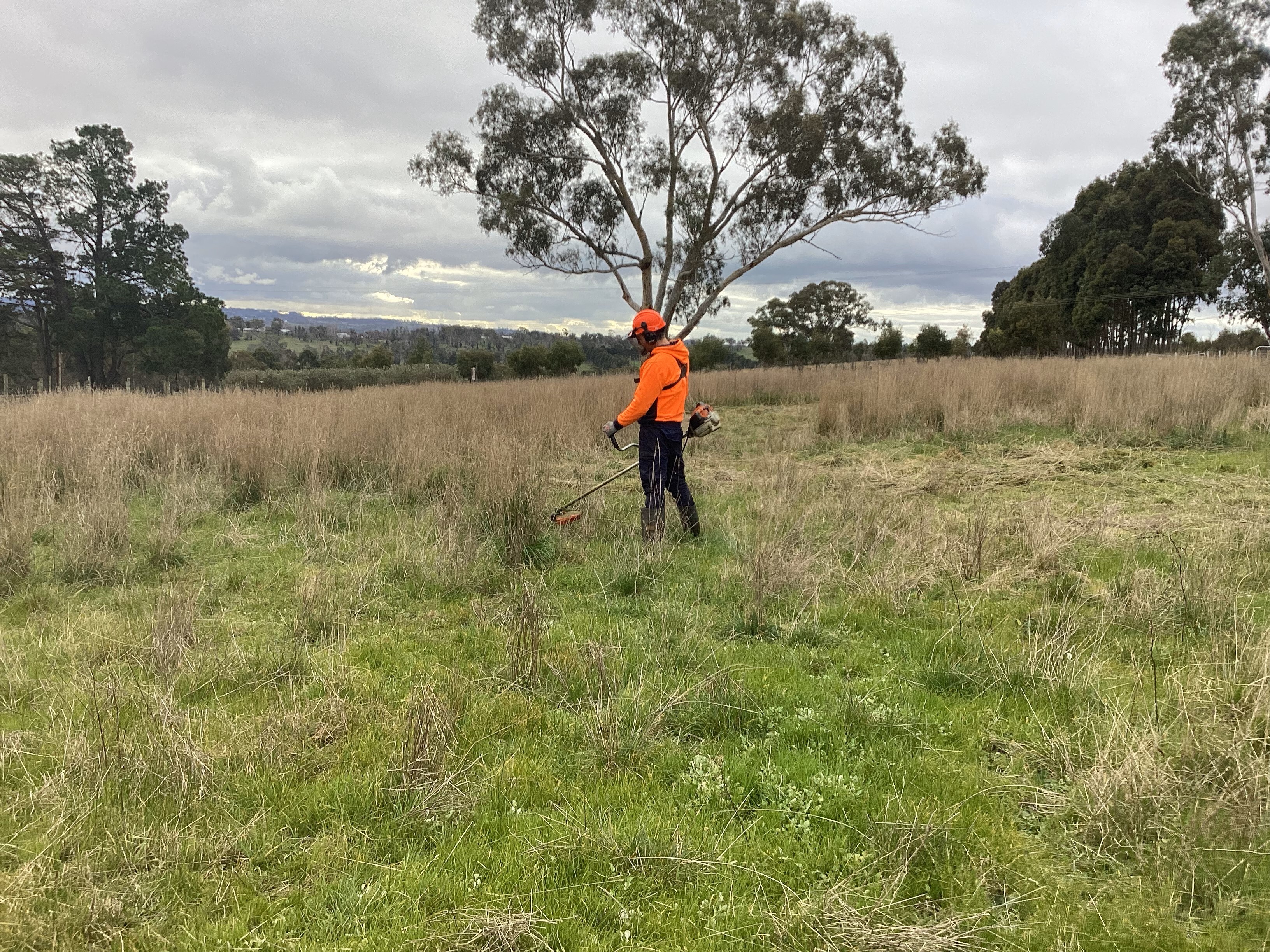
Managing vegetation on your property is an important part of bushfire preparedness. Trimming vegetation along tracks and fence lines, removing fallen tree limbs and piles of debris close to the home, and keeping grass mown can all help reduce fire risk and improve your property's resilience if threatened by a bushfire.
It is also timely to clean your gutters and remove other combustible materials from around your home and shedding. The CFS has more useful information about preparing your property for summer on their website.
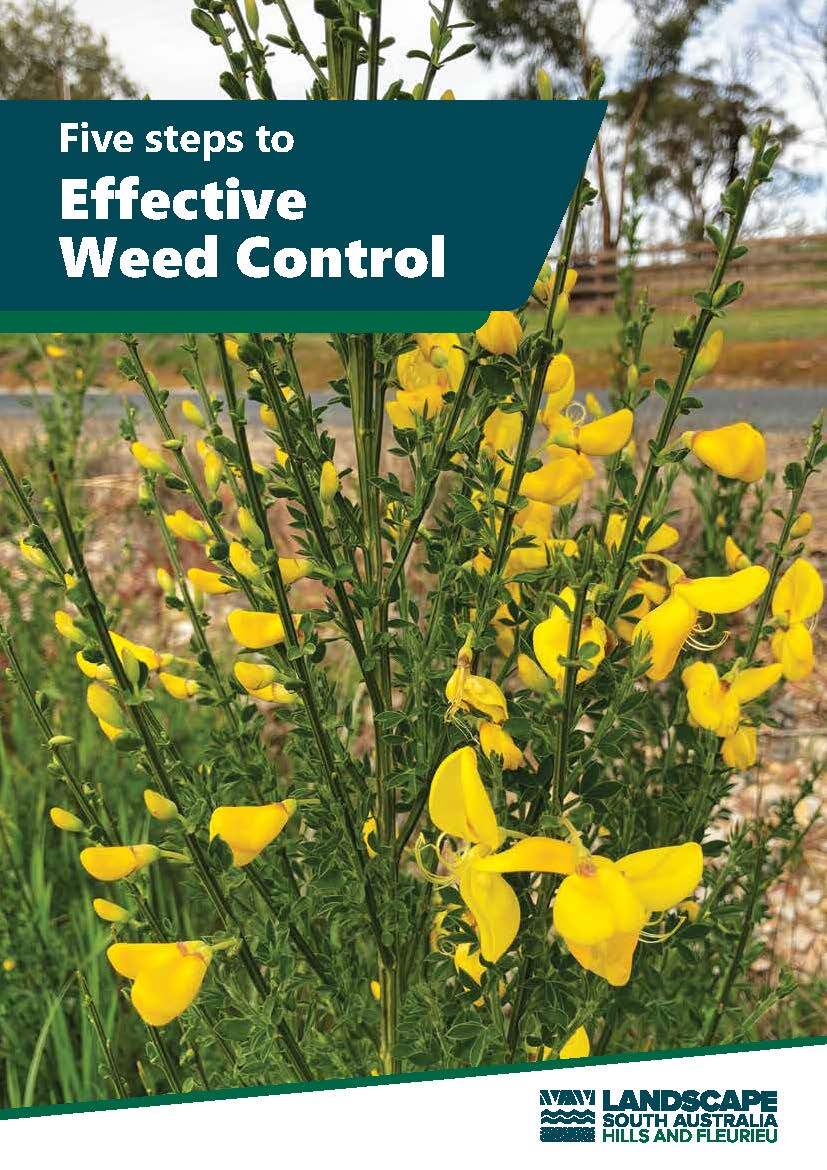
Download the Five Steps to Effective Weed Control guide
Weeds are a common challenge across our region, affecting many landowners and managers. From woody shrubs to invasive bulbs, these plants threaten property health, native wildlife, and biodiversity.
By tackling weeds together, we can protect native vegetation, support local ecosystems, and keep our landscapes healthy for generations to come.