The Landscapes Hills and Fleurieu office will be closed on Wednesday 21 October and will reopen on Thursday 22 October. Our phones will not be monitored during this time

Stewardship News -
New nesting hollows trialled for Adelaide Hills yellow-tailed black cockatoos
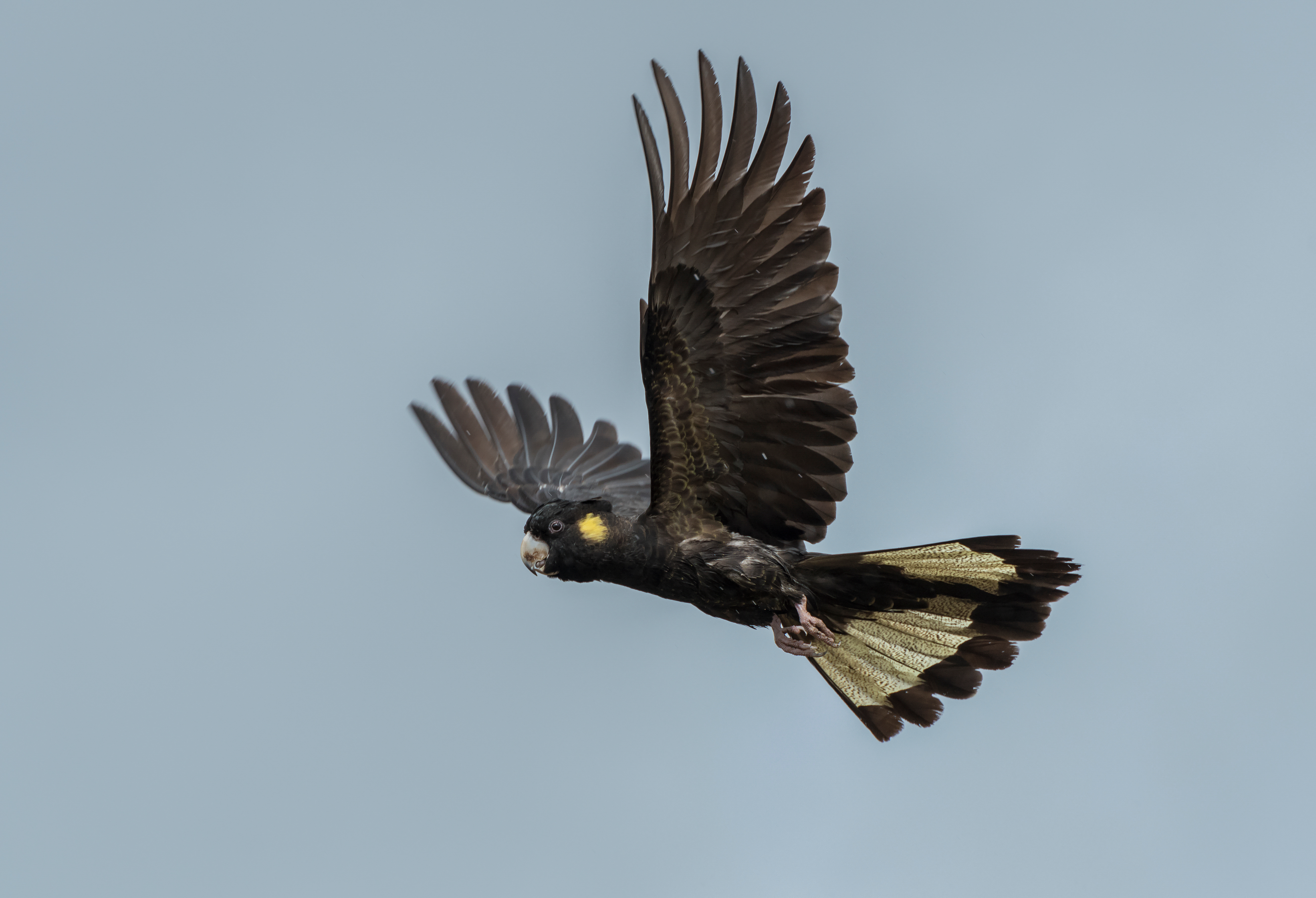
The yellow-tailed black cockatoo is one of the most recognisable birds in the Adelaide Hills, but ongoing habitat loss and the decline of large hollow-bearing trees continue to present challenges for local populations.
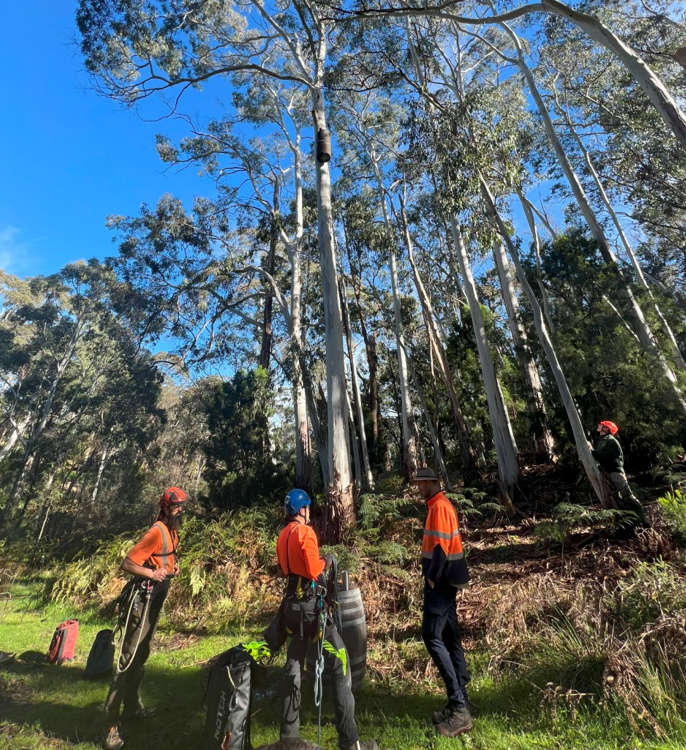
Motivated by a desire to protect the species and the habitat they depend on, a group of Adelaide Hills landholders, volunteers and community organisations have joined forces through the Hills Yellow-tailed Black Cockatoo Project. Supported by the Hills and Fleurieu Landscape Board's Grassroots Grants program, the project is helping strengthen habitat through revegetation, community engagement and an innovative trial of artificial nesting hollows.
Project coordinator Jane Macnaught spoke about the project and what it involves.
“The yellow-tailed black cockatoo is an iconic species and we want to make sure they have the resources to persist into the future. We know the loss of food sources and nesting hollows is putting pressure on local populations, so we've focused on practical actions that can make a difference."
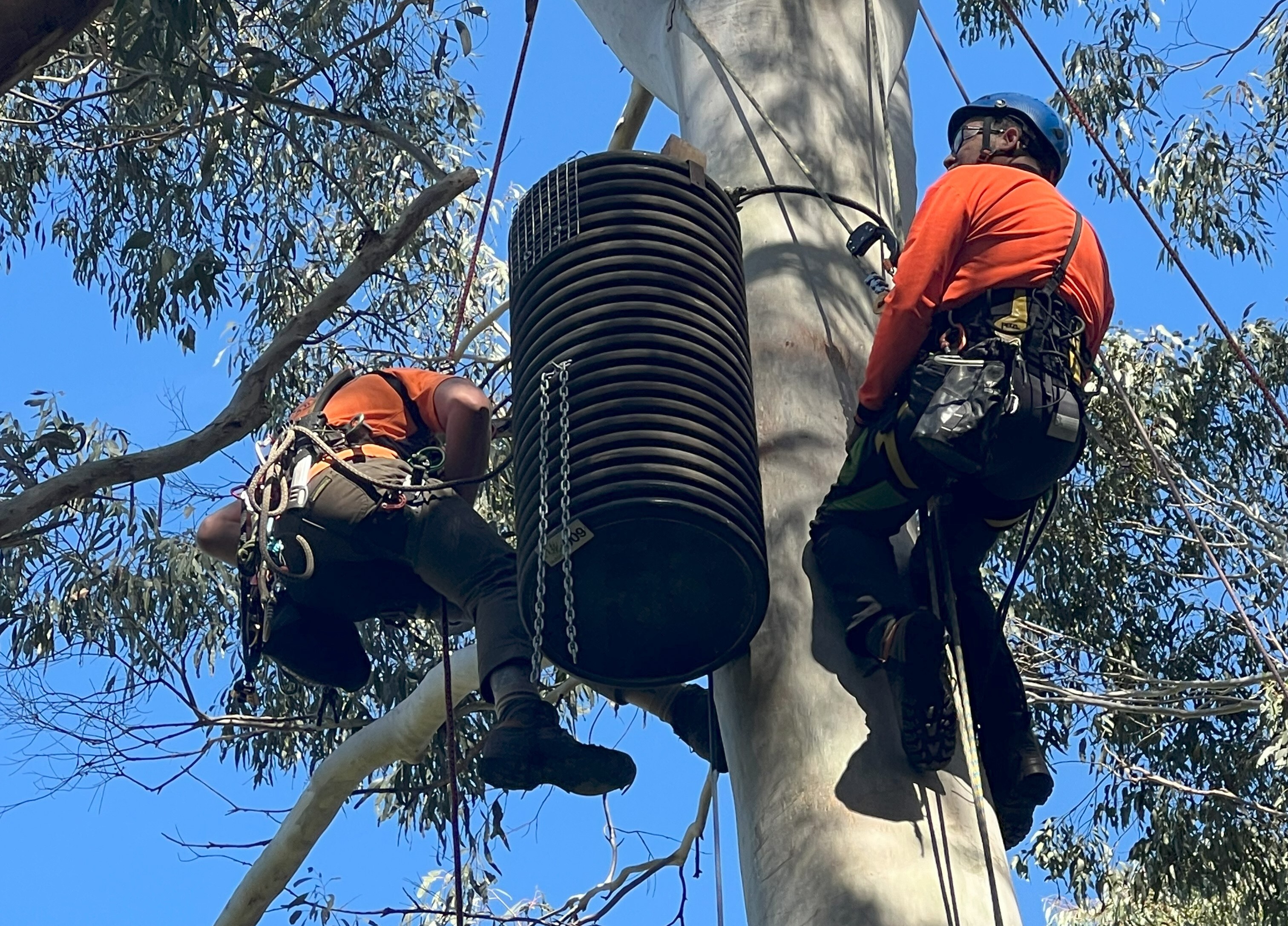
“We've installed nine artificial nesting hollows near known breeding areas around Norton Summit. Next autumn we will commence targeted revegetation on seven sites initially in the Basket Range, Montacute and Norton Summit areas. We have many landholders, volunteers and experts involved who all share a passion for protecting yellow-tailed black cockatoos and the environment they depend on,” Jane said.
To better understand the uptake of the artificial hollows, each installation is being monitored throughout the breeding season using remote cameras. There are also plans to mount a camera for a live feed from an occupied natural hollow.
“Monitoring the cameras will help us understand how the birds respond to different artificial hollow designs and guide future conservation efforts,” said Jane.
Community information sessions attracted strong interest from residents keen to learn more about practical ways they can contribute to habitat protection on their own properties.
“The community response has been amazing. The project is already building community awareness and creating strong partnerships, founded around people’s drive to protect these beautiful birds.
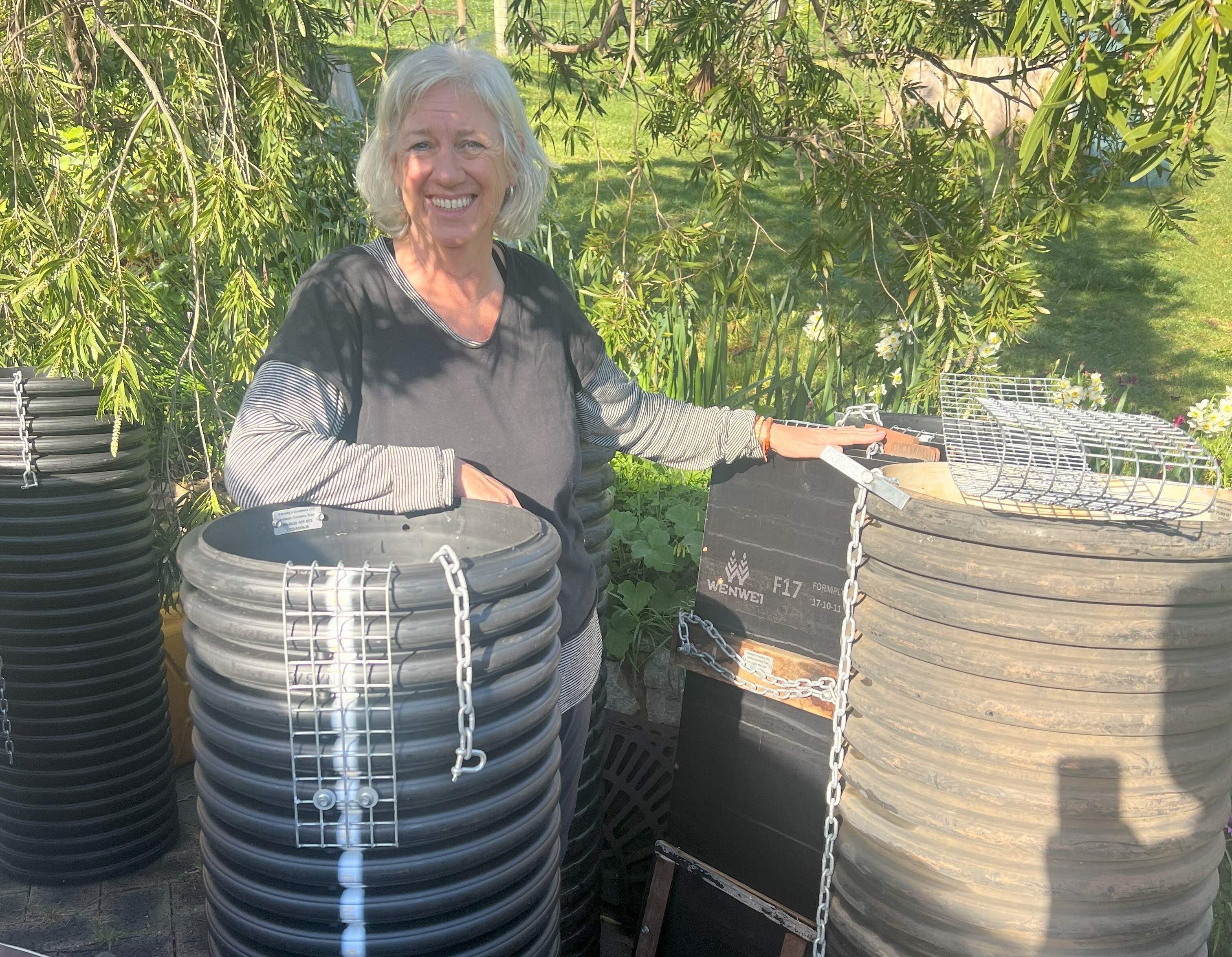
“Along with the many volunteers helping with revegetation, data monitoring, community engagement and more, the support from the Hills and Fleurieu Landscape Board, the Hills Environment Centre and Carnaby’s Crusaders (who designed, built and installed the artificial hollows) has been pivotal to getting the project off the ground.
“We're looking forward to seeing what the monitoring reveals over the breeding season. Hopefully it’s the start of something that will help sustain local yellow-tailed black cockatoo populations for a long time,” she said.
Stay up to date with the project and ways to be involved by subscribing to the Hills Yellow-tailed Black Cockatoo Project newsletter at https://hills-black-cockatoo-project.beehiiv.com/
The Hills Yellow-tailed Black Cockatoo Project is supported by the Hills and Fleurieu Landscape Board's Grassroots Grants Program and is funded by the landscape levy.