The Landscapes Hills and Fleurieu office will be closed on Wednesday 21 October and will reopen on Thursday 22 October. Our phones will not be monitored during this time

Stewardship News -
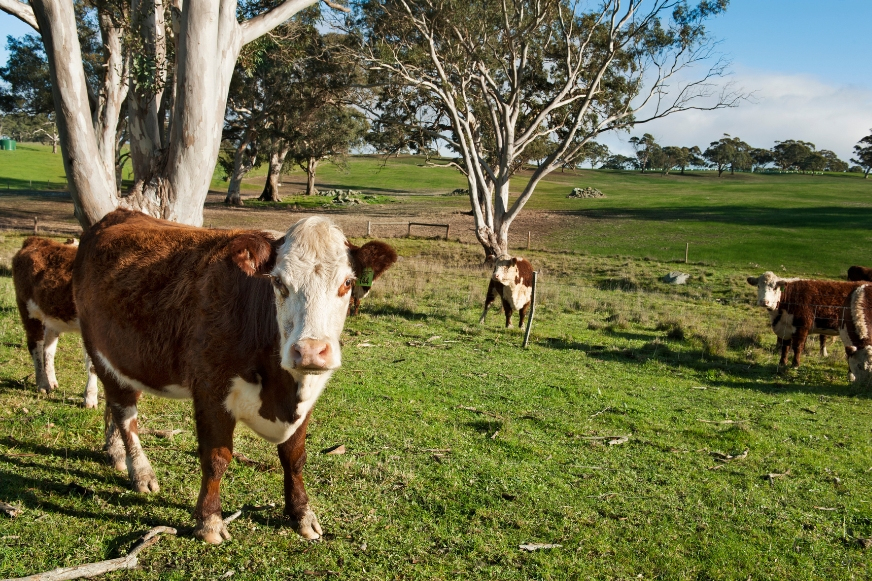
Prevent feed shortage with stock containment
While many properties across the Hills and Fleurieu currently have feed available, seasonal conditions can change quickly. Having a plan in place can help you respond early if pasture growth slows or feed becomes limited later in the season.
One of the most effective ways to prepare for a feed shortage is to consider how and when you would use a stock containment area. Often viewed as a drought response tool, containment areas can play an important role in year-round farm planning for properties of all sizes.
By moving stock into a containment area before paddocks are heavily grazed, landholders can protect valuable groundcover, reduce erosion risk, and preserve pasture productivity for when conditions improve.
Planning ahead is key. A well-designed containment area should provide reliable access to water, adequate shade and shelter, secure fencing, and enough space for livestock to remain healthy and comfortable. Sites should be located on stable soils and away from watercourses to minimise environmental risks. Because livestock in containment rely entirely on the feed provided, rations must meet all nutritional requirements, including energy, protein, roughage, minerals and vitamins. Regular monitoring is also essential to maintain animal health and condition.
It’s also worth identifying trigger points that signal when action may be needed. Declining pasture availability, reduced groundcover, increasing reliance on supplementary feeding, or livestock beginning to lose condition can all indicate that it’s time to implement your feed shortage plan before paddocks become overgrazed.
Planning doesn’t end when the rain arrives. Fresh green feed can be tempting, but releasing stock too early can set back pasture recovery and create nutritional challenges for livestock. Before returning animals to grazing, ensure there is enough feed available to support livestock while maintaining adequate groundcover. A gradual transition, supported by supplementary feeding can help to reduce animal health risks and improve pasture establishment.
Whether you manage a small lifestyle property or a larger farming operation, having a feed shortage plan in place before it is needed can help protect your livestock, preserve your pasture resources, and improve the resilience of your property through seasonal ups and downs.
Looking for practical guidance on stock containment areas and livestock management during seasonal challenges? Visit our livestock management page.
Sustainable Agriculture Facilitators are supported by the Australian Government through funding from the Natural Heritage Trust under the Climate-Smart Agriculture Program.