H5 Bird Flu: If you notice multiple sick or dead birds or other animals record your location and report it to the 24-hour Emergency Animal Disease Hotline on 1800 675 888.

Stewardship News -
From fire recovery to farming together
How a group of land managers are learning about regenerative agriculture
For a group of Adelaide Hills landholders, a desire to learn more about caring for their land has grown into an ongoing community of farmers sharing ideas, experiences and lessons from their own properties.
The Central Adelaide Hills Regenerative Agriculture Network, known as CAHRAN, grew from a series of post-fire recovery workshops in the Adelaide Hills. The workshops sparked an interest in regenerative agriculture, and participants wanted to keep the conversation going.
The network now brings landholders together, to visit each other's properties and learn from what is happening on the ground.
Learning from each other
For CAHRAN secretary Caroline Sullivan, one of the most valuable parts of the group is sharing experiences.
Events on members' properties, give people the chance to see different approaches in practice and talk openly about what is working, what is not and what they are learning.
“By holding regular events on members' properties, we get to share experiences regarding regenerative principles and practices,” Caroline said.
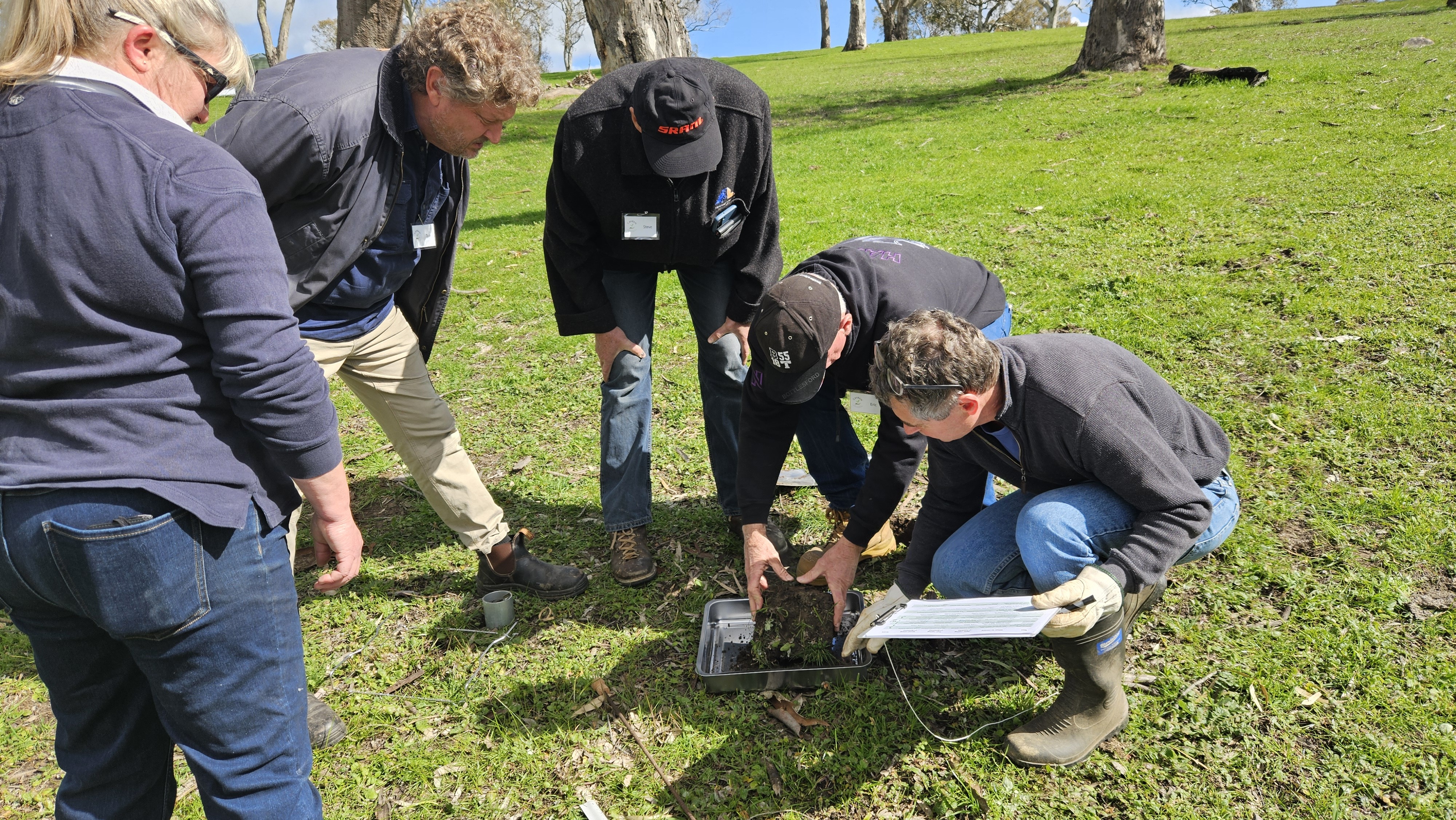
Members of CAHRAN during one of their workshops.
For people exploring regenerative agriculture, that opportunity to learn from others can be just as valuable as learning about the principles themselves.
Every farm is different. Soil, climate, rainfall, livestock, crops and individual goals all influence what will work on a particular property. Seeing how other farmers approach these challenges can provide ideas to take home and consider for your own farm.
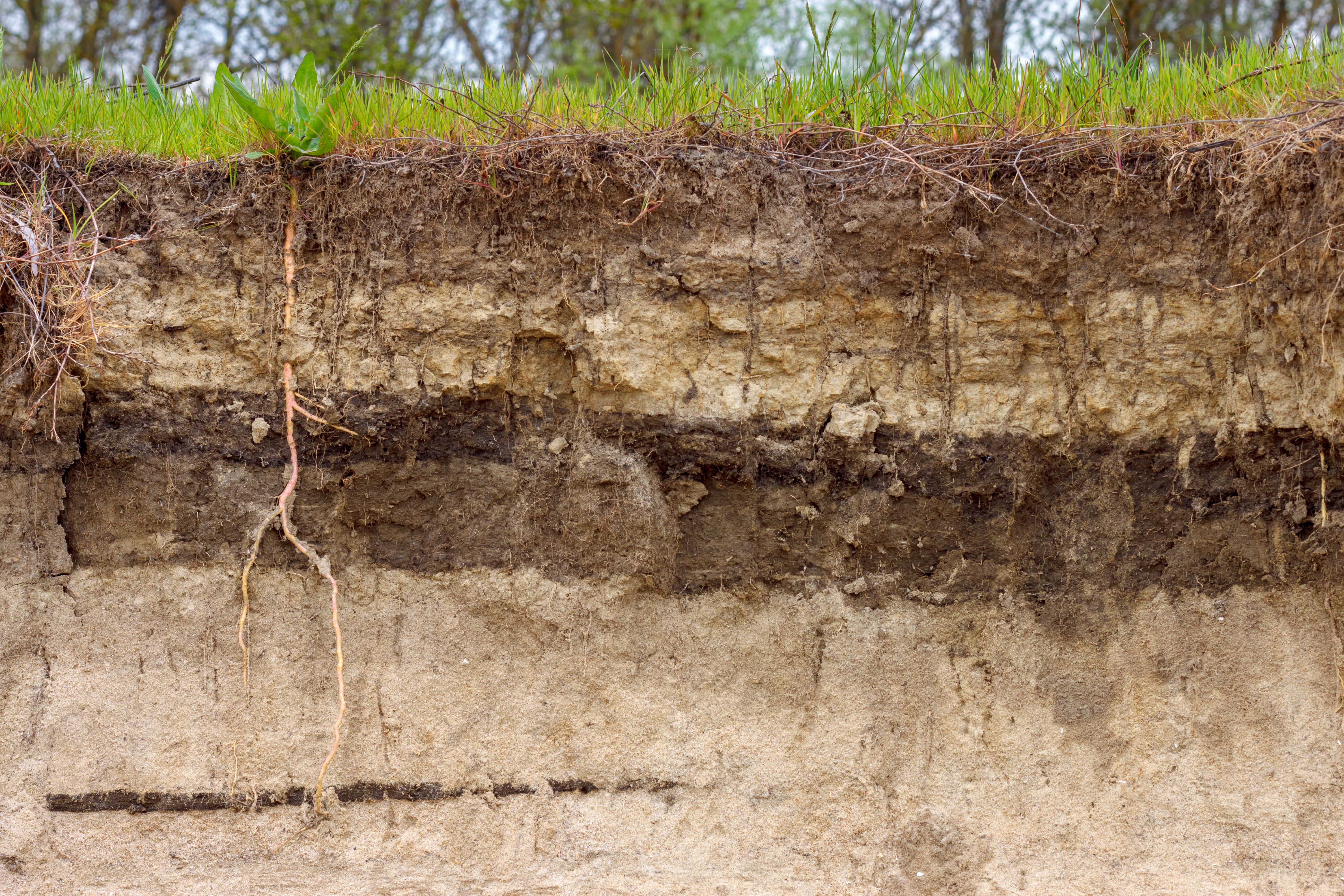
Starting with healthy soil
For CAHRAN members, soil health is a major part of the conversation.
Caroline said members see soil health as fundamental to the health of their farms, animals and communities.
“Improved soil health reduces the reliance on synthetic chemical inputs and conventional soil disturbing activities that degrade soil life, therefore reducing the natural functionality of the soil,” she said.
The group explores soil health through farm visits, workshops and practical activities. Recent events have covered soil chemistry and biology, discussing soil testing results and seeing different approaches to improving soil health in the field.
The practical focus is a key part of the network. Rather than trying to find one approach that works everywhere, members can see what others are doing and consider what might work on their own property.
A local network for learning
CAHRAN is part of a wider network of regenerative agriculture groups across the Hills and Fleurieu. The groups were established in response to feedback from farmers who wanted opportunities for peer-to-peer learning, local farm visits, guest speakers and sharing resources.
For landholders interested in exploring regenerative agriculture, joining a local group can be a simple way to meet others who are asking similar questions.
You don't need to have all the answers or already consider yourself a regenerative farmer. The groups provide an opportunity to listen, ask questions, see different approaches and learn from other people's experiences.
Want to connect with CAHRAN?
CAHRAN welcomes people interested in learning more about regenerative agriculture.
To find out more or enquire about joining, contact Caroline Sullivan at cahregenag@gmail.com.
The Hills and Fleurieu is home to several regenerative agriculture groups including Future Farmers SA, a community of farmers and agricultural enthusiasts working towards regeneration. Find a group near you and connect with other farmers interested in learning and sharing ideas.
What is regenerative agriculture?
While every farm is different, regenerative agriculture is guided by several key principles:
- Minimise soil disturbance to protect soil structure and beneficial soil biology.
- Maintain soil cover to reduce erosion from wind and water.
- Keep living roots in the soil for as much of the year as possible to support soil microbes and maintain soil function.
- Increase plant and animal diversity to improve nutrient cycling and ecosystem health.
- Integrate livestock through planned or rotational grazing to distribute nutrients and stimulate pasture growth.
These practices can be adapted to suit different farming enterprises, landscapes and management goals.
Interest in regenerative agriculture has grown significantly across Australia in recent years. Increasing climate variability, rising input costs and growing expectations around sustainable production are prompting many producers to explore new approaches that build resilience and improve farm performance.