H5 Bird Flu: If you notice multiple sick or dead birds or other animals record your location and report it to the 24-hour Emergency Animal Disease Hotline on 1800 675 888.

Regenerative Agriculture
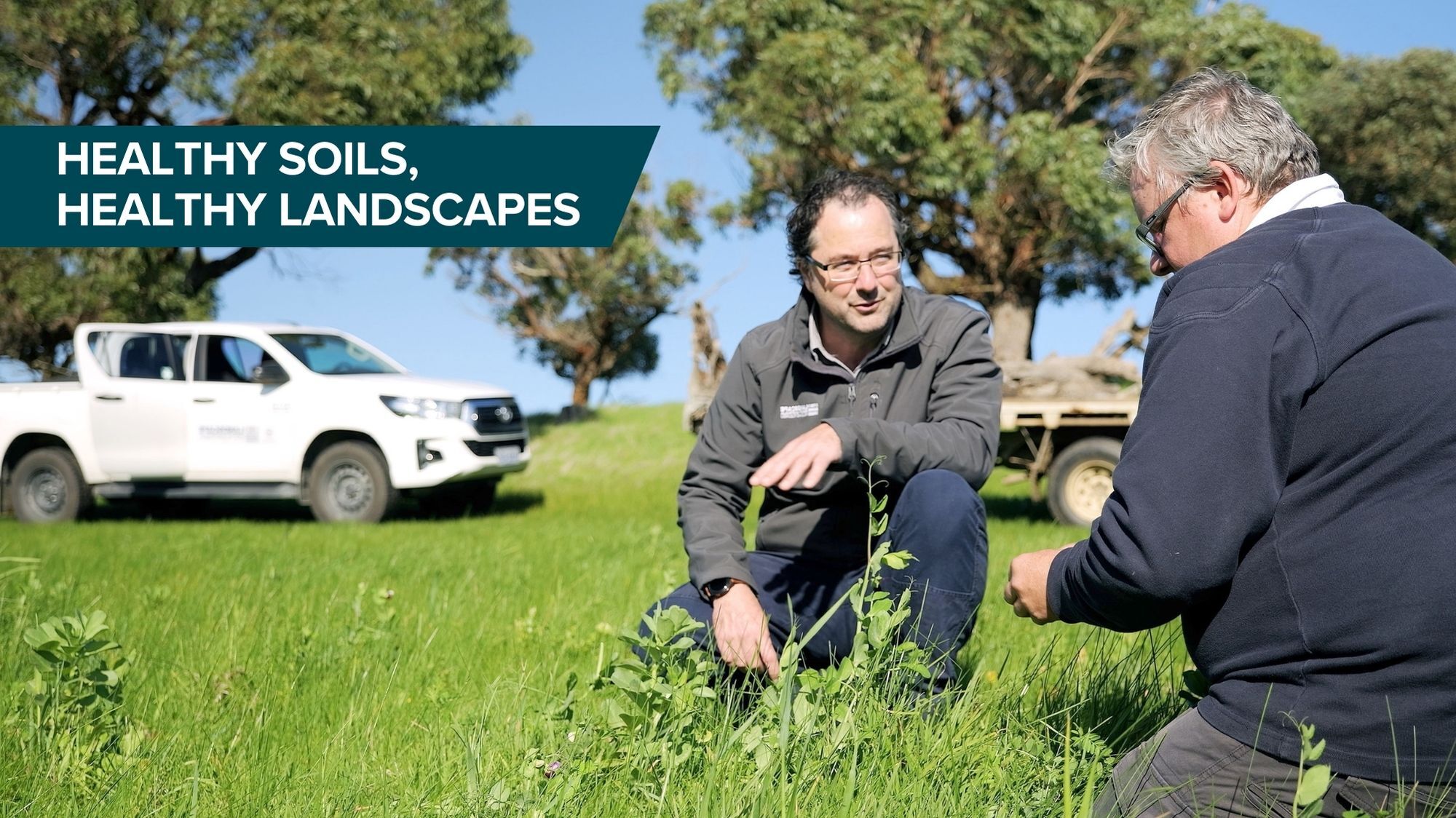
Many land managers share a common goal: to leave their land in better condition than they found it.
Regenerative agriculture is one approach being adopted by land managers across the region to achieve that goal.
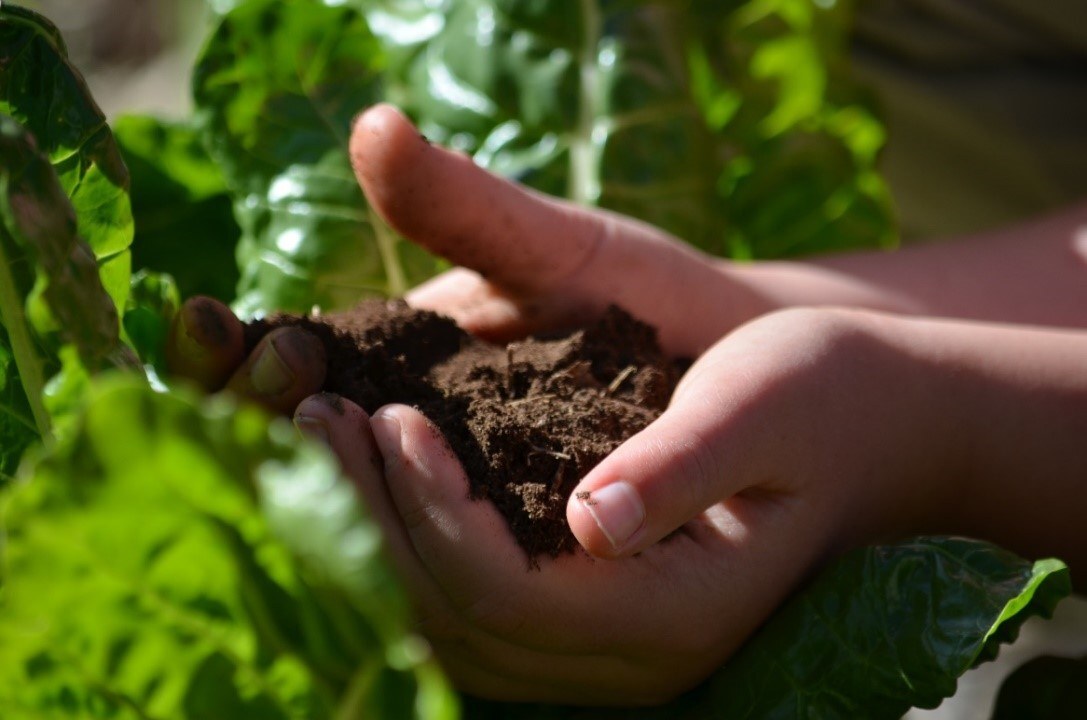
At its heart, regenerative agriculture is about not just restoring the land, but improving it. It focuses on building healthier soils, supporting biodiversity and strengthening the natural systems that productive farming depends on.
What this looks like in practice will vary from farm to farm. It’s about making practical changes that suit your property and help build a healthier, more resilient farming system for the years ahead.


What does regenerative agriculture involve?
Every farm is different, so there's no single way to approach regenerative agriculture. What works for you will depend on your soil, climate, farming enterprise and goals. You don't need to adopt every practice at once. Instead, regenerative agriculture is about finding practical approaches that suit your property and help build soil health, biodiversity and resilience over time. Some of the practices land managers may use include:
Keeping your soil covered
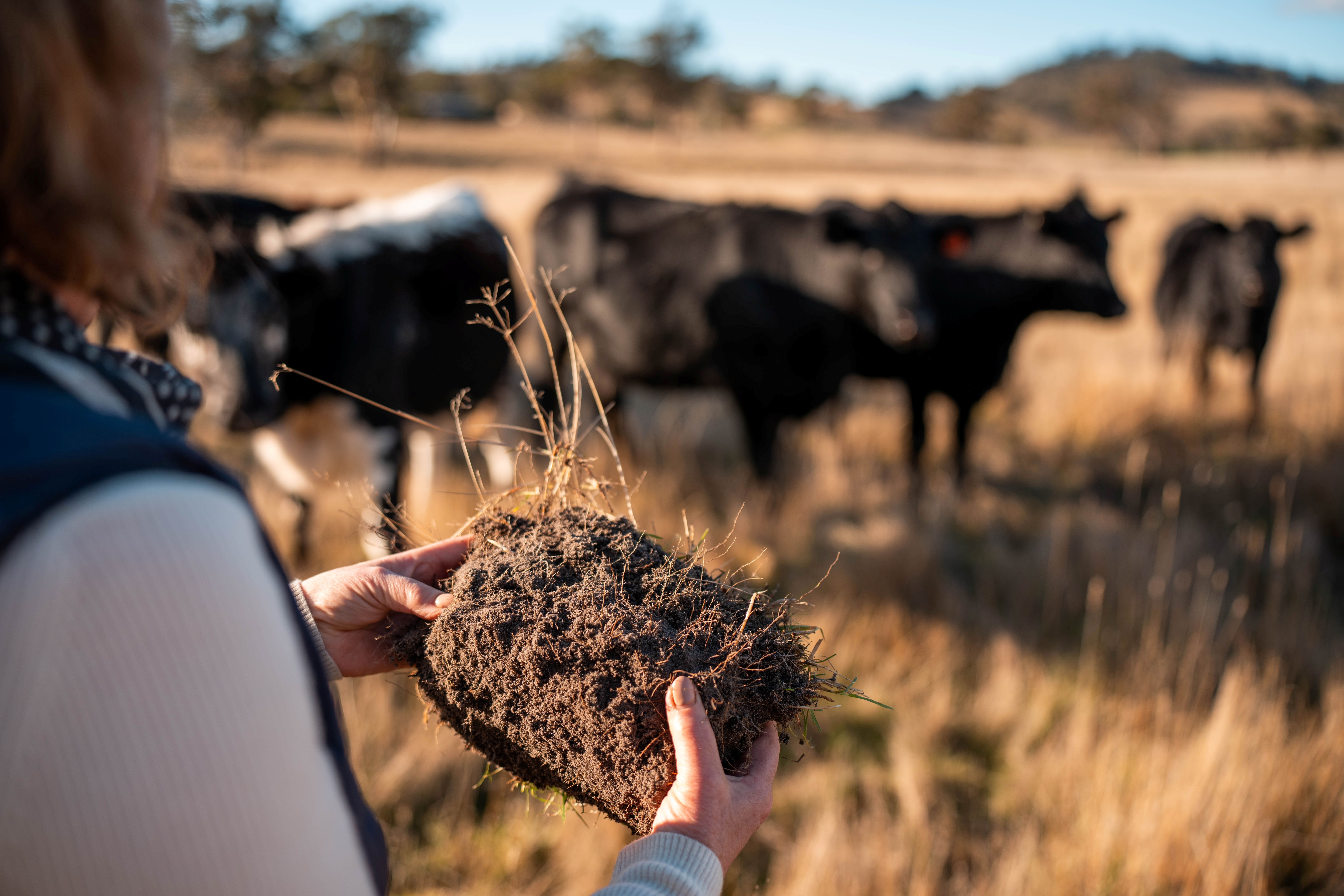
Keeping soil covered with living plants or plant residues can help protect it from wind and water erosion, while supporting soil health.
Minimising soil disturbance
Reducing cultivation and other disturbance can help protect soil structure and the beneficial organisms living in your soil.
Keeping living roots in the soil
Growing plants for as much of the year as possible provides food for soil microbes and helps maintain healthy soil function.
Increasing diversity
Growing a wider range of plants and incorporating different species into pastures or cropping systems can support nutrient cycling and ecosystem health.
Moving livestock strategically
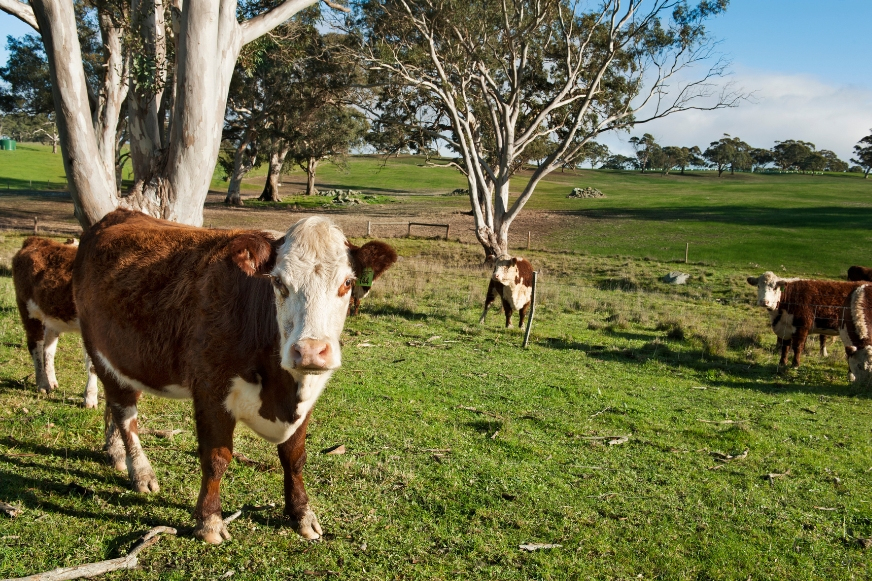
Planned or rotational grazing can help you manage pasture growth, distribute nutrients and give plants time to recover.
Regenerative agriculture is about more than sustaining what we have today. It's about creating farming systems that leave our land healthier, more productive and better equipped for the challenges of tomorrow.
How regenerative agriculture can support your farm
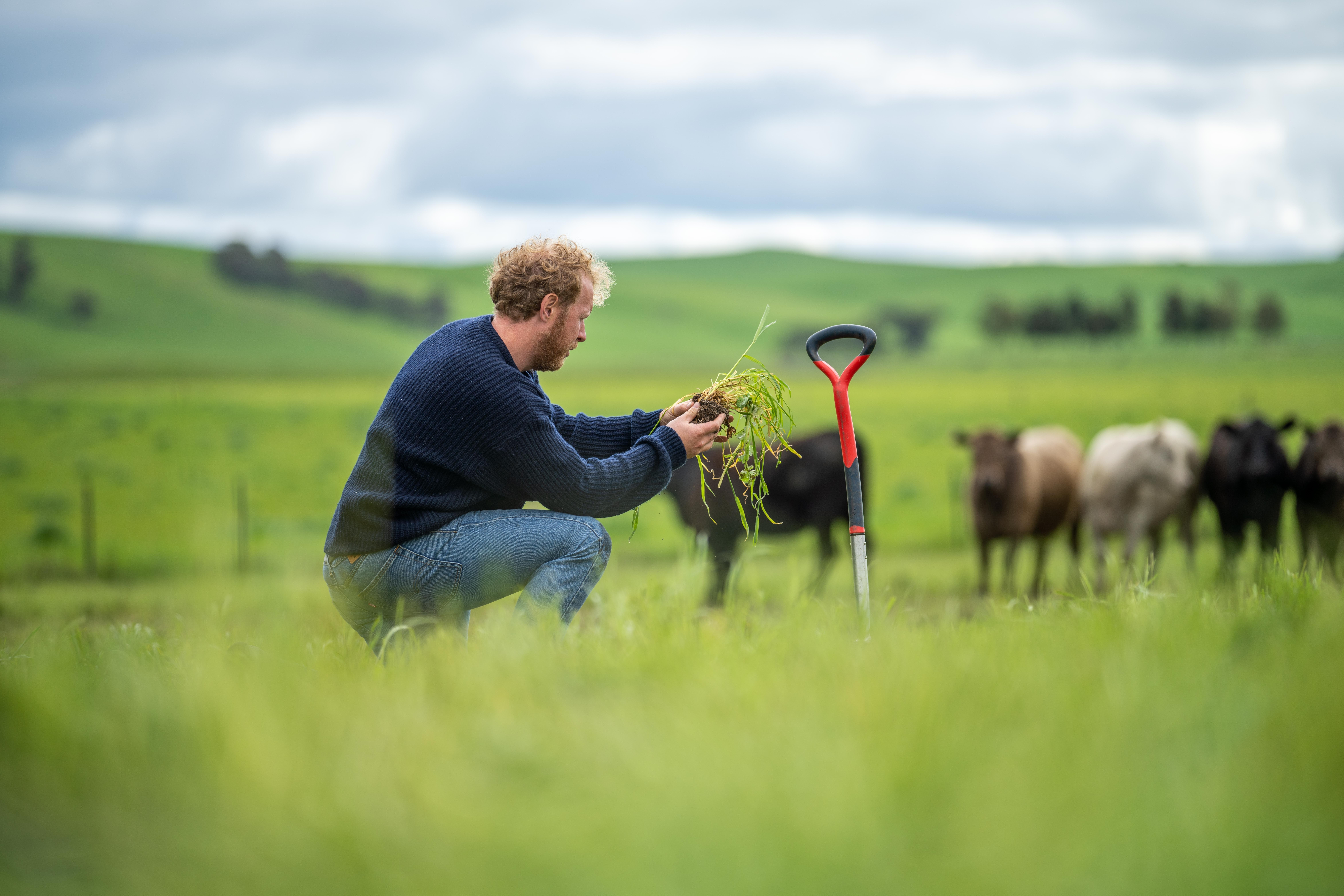
The benefits of regenerative agriculture will depend on your property, farming system and the practices you choose. Different approaches can help you improve your soil, make better use of water, support biodiversity and prepare your farm for changing conditions.
Healthier soils
Building soil organic matter and supporting diverse soil biology can improve soil structure, nutrient cycling and the ability of your soil to support productive crops and pastures.
Making better use of water
Healthy soils can absorb and hold more water, helping improve infiltration and making moisture available to plants for longer during dry periods.
More biodiversity on your farm
Diverse pastures, shelterbelts and other vegetation can provide habitat for beneficial insects, pollinators and native species, while contributing to a healthier landscape.
Potentially lower input needs
As your soil health improves, you may find opportunities to reduce your reliance on some fertilisers and other inputs. This can help reduce costs over time, depending on your farming system.
Greater resilience to a changing climate
Healthy soils and functioning ecosystems can help your farm better cope with drought, heavy rainfall and other extremes. Building this resilience can give you more options as conditions change.
A healthier farm and community
A productive, resilient farm supports your business, your family and the wider community. For many people, it also provides an opportunity to improve environmental outcomes while continuing to produce food and fibre.
Connect and learn about regenerative agriculture
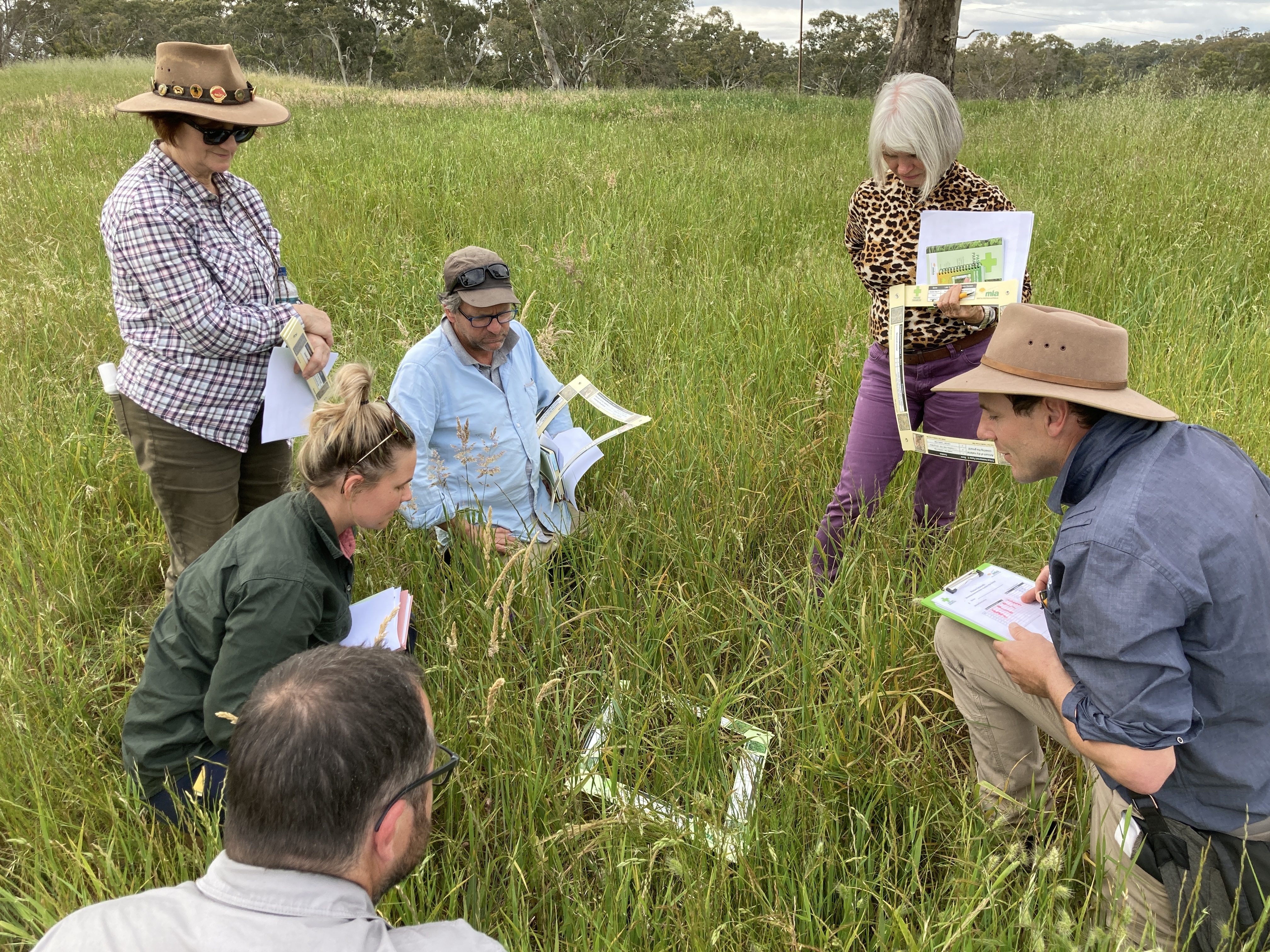
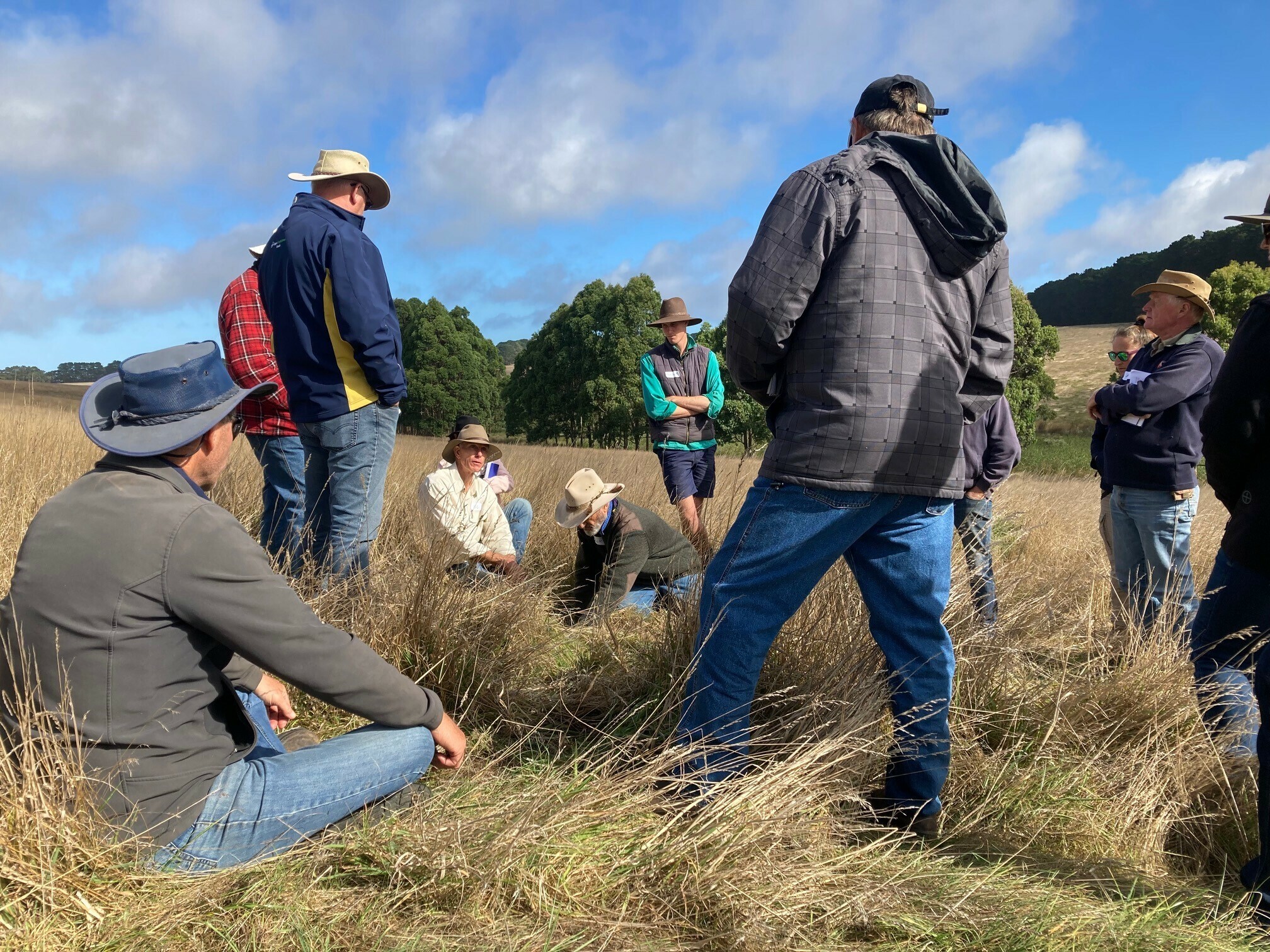
You don't have to work it all out yourself. Connecting with other landholders and trusted organisations can be a valuable way to share ideas, see regenerative practices in action, learn from others and access practical resources to support your journey.
-
Visit Facebook Community
Future Farmers SA
Join a community of farmers and agricultural enthusiasts working towards regeneration.
Contact: Jess Hardy
Email: jesshardy74@gmail.com -
Visit Facebook Community
Central Adelaide Hills Regen Agriculture Network
Join a group of local landholders with a passion for regenerative agriculture.
Contact: Caroline Sullivan
Email: cahregenag@gmail.com -
Visit website
Regenerative Food and Farming Alliance
Access information, events, case studies and resources that support regenerative food and farming practices. -
Visit website
Farmers for Climate Action
Find practical resources, events and information to help build climate resilience and support sustainable farming businesses.
How does regenerative agriculture differ from organic farming?
Organic farming follows defined standards for how food is produced, while regenerative agriculture focuses on improving the health and function of your farm. Regenerative practices can be used on organic farms, but regenerative agriculture does not necessarily mean organic farming.
Hear from farmers using regenerative agriculture
-
Regenerative Agriculture Groups
-
Alistair Just (Sheep and Cattle)
-
Jim Natt (Beef, cattle, cow calf)
-
Derek Walter (Beef)
-
Geoff Stuckey (Beef Cattle)
-
Tim Modra (Beef cattle and prime lamb)
-
Ken Woods and Annabel Walsh (Grazing sheep and cattle)
-
Rob Malone and Pamela Wright (Murray Grey Beef Cattle)