Planning your rabbit control? Find out which control methods you can use this season and what’s changing with K5 calicivirus-treated carrots.

Groundcover management
Groundcover management
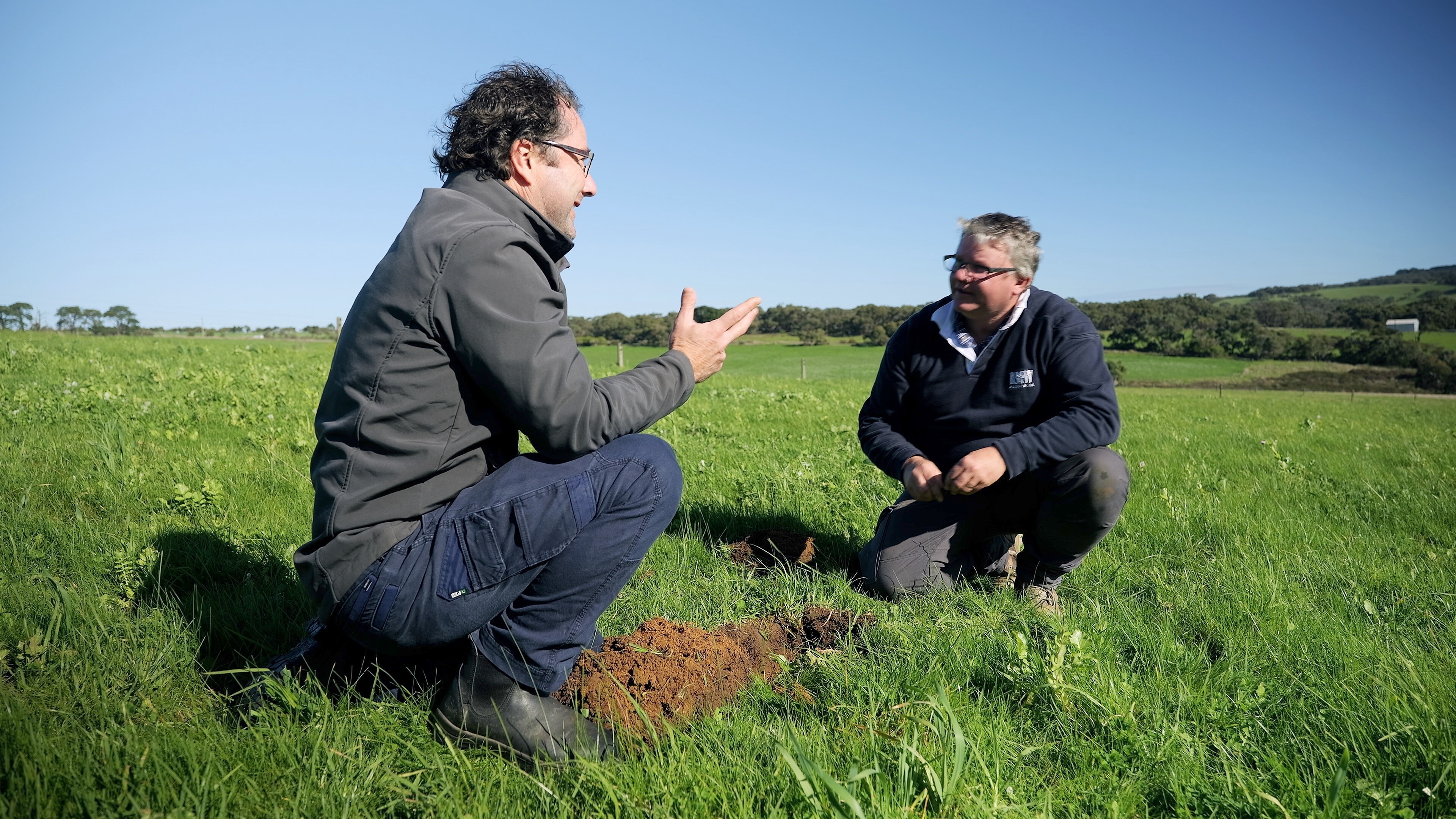
Groundcover is one of the most important indicators of land condition. It protects valuable topsoil from wind and water erosion, helps rainfall soak into the ground, retains water and nutrients within the paddock, supports healthy soil structure and biological activity, and contributes to long-term pasture productivity. Maintaining adequate groundcover can also help landholders meet their obligations under the Landscape South Australia Act 2019.
Groundcover is the protective layer that sits on top of the soil surface. It includes living pasture plants, dry or dead pasture material such as litter and mulch, biological crusts including moss and lichen, and rocks and small debris. Groundcover acts like a protective blanket for the soil by reducing erosion, helping rainfall infiltrate the soil, supporting healthy soil biology, and improving pasture resilience and productivity.
Regular monitoring and management of groundcover can help support sustainable grazing, maintain pasture productivity and improve resilience during dry times and late seasonal breaks.
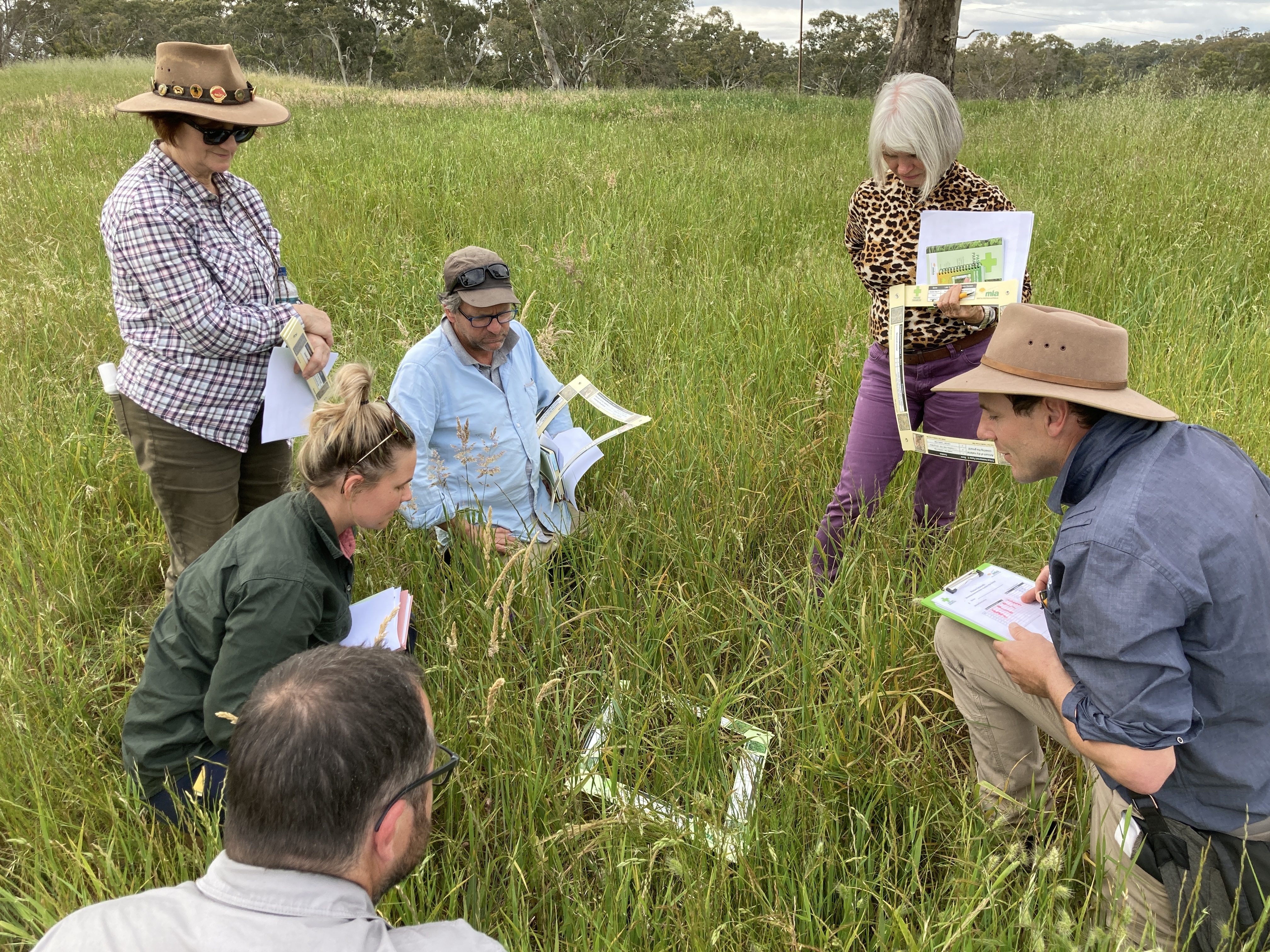
Assessing groundcover
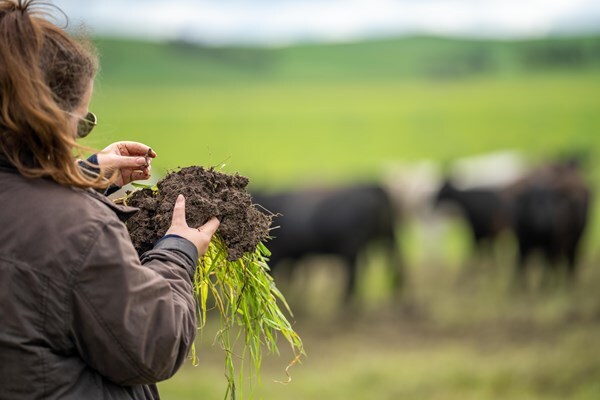
Regular monitoring helps identify changes before they become a problem. Monitoring groundcover provides an early warning when pasture condition begins to decline and helps inform management decisions before erosion risk increases.
As a general guide:
- Aim to maintain more than 70% groundcover year-round.
- Maintain 100% groundcover on slopes and fragile soils.
- Act early when groundcover begins to decline.

Optimising groundcover on grazing properties
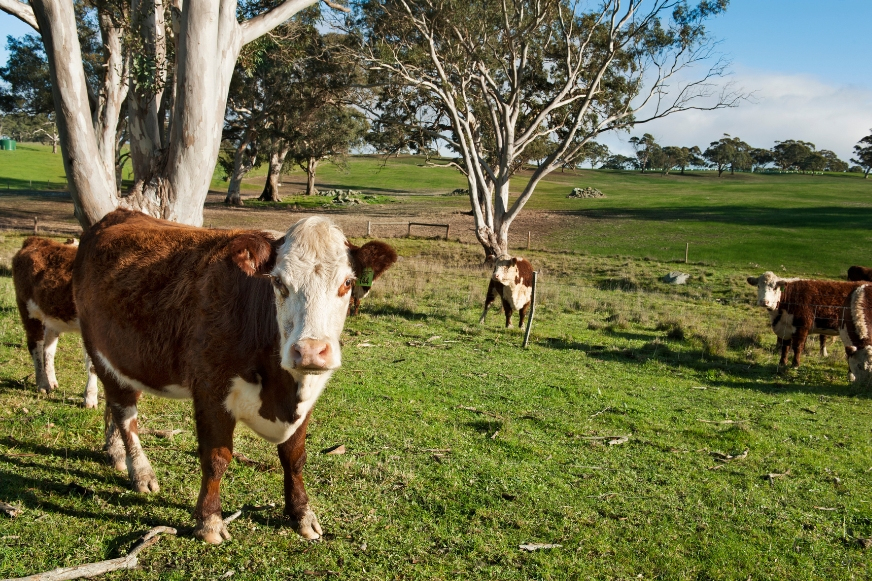
Grazing pressure has a direct impact on groundcover. When pastures are overgrazed, leaf area is reduced, plant regrowth slows, bare soil is exposed and the risk of erosion increases. Effective grazing management balances livestock feed requirements with pasture recovery and soil protection, helping to maintain groundcover and support long-term productivity.
Maintaining groundcover requires consideration of grazing intensity, grazing duration, rest periods, seasonal pasture growth, soil type and condition, and stock distribution across paddocks. Effective grazing management can improve pasture utilisation, support recovery and protect soils from degradation.
Managing groundcover through dry periods
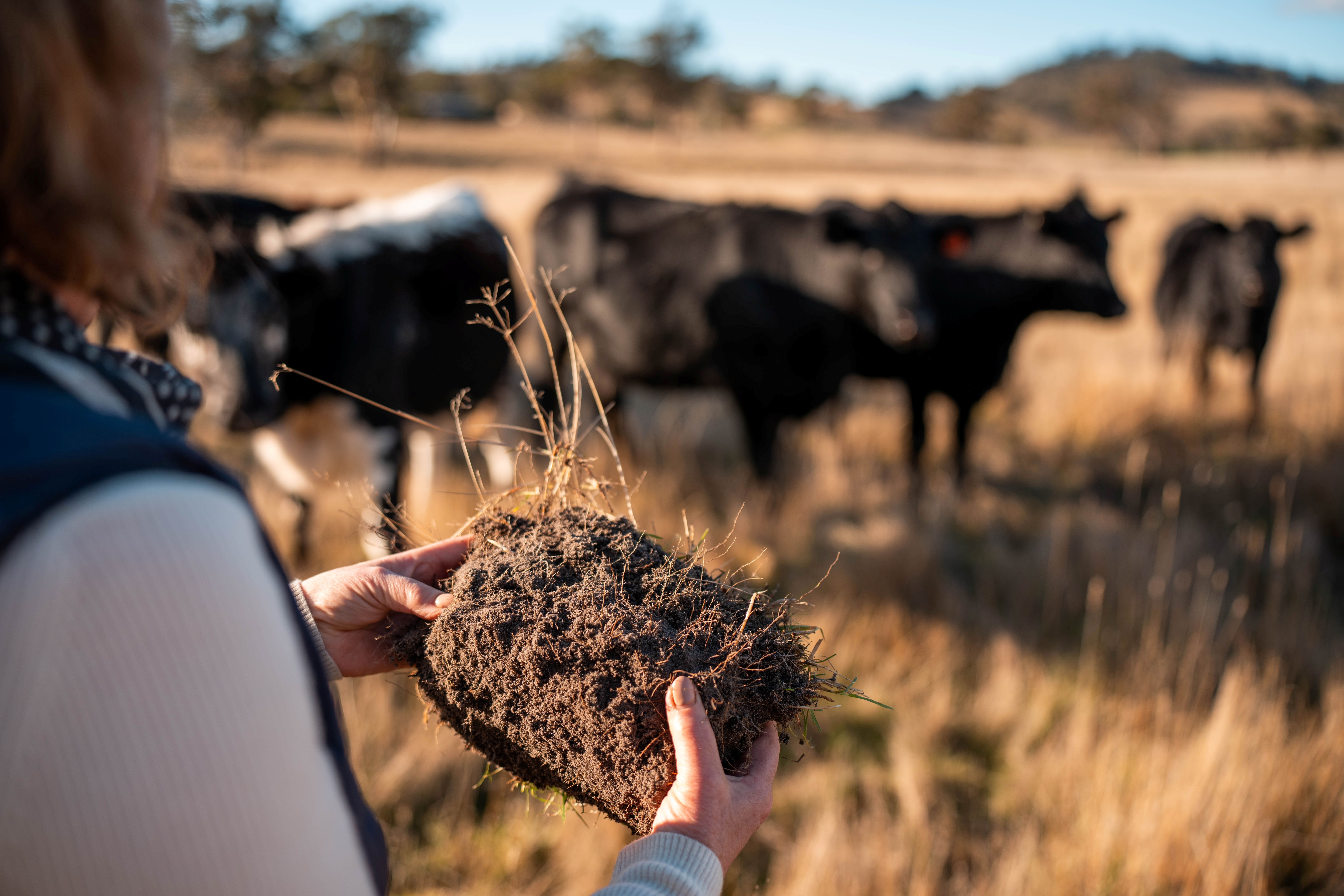
Groundcover is often most vulnerable during dry periods and after late seasonal breaks. As feed availability declines, stock may graze closer to the soil surface, increasing the risk of bare soil, erosion and long-term pasture damage. Planning ahead and acting early can help protect productive paddocks and support faster recovery when seasonal conditions improve.
Monitoring Feed on Offer (FOO), livestock condition and groundcover can help identify when management changes are needed. Early decisions such as adjusting stocking rates, agisting livestock, containment feeding or protecting vulnerable paddocks can help maintain groundcover and reduce recovery costs.
 MLA: Assessing groundcover learning module
 Stock containment areas fact sheet