H5 Bird Flu: If you notice multiple sick or dead birds or other animals record your location and report it to the 24-hour Emergency Animal Disease Hotline on 1800 675 888.

Stewardship News -
Don’t wait for the flowers! Winter is the time to control cape tulip
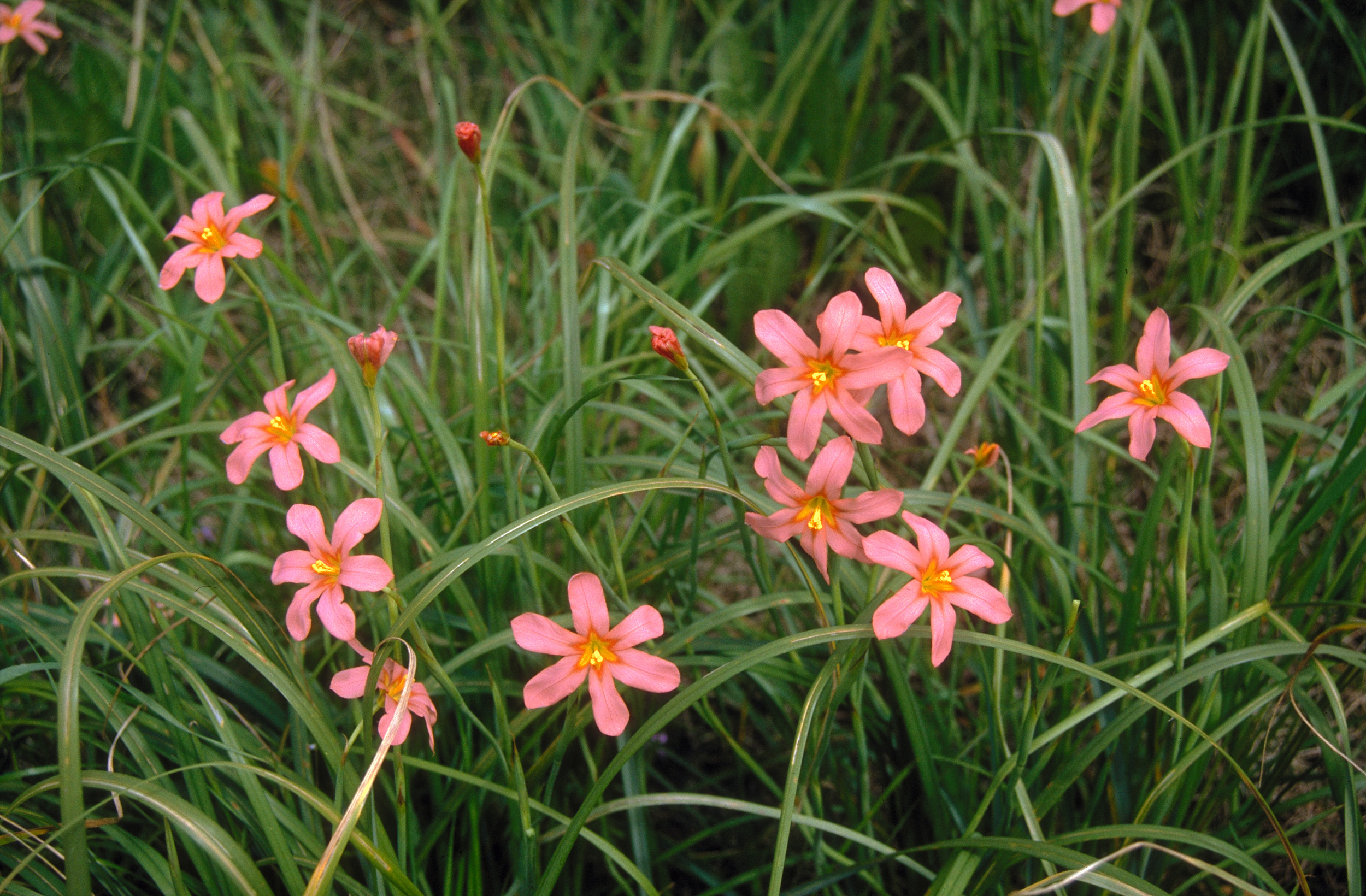
Recent rainfall has triggered the emergence of cape tulip, one of the region’s most troublesome pasture weeds. As leaves begin to appear, now is the ideal time for landholders to inspect their paddocks and plan control before plants flower.
Cape tulip is a bulb weed that is highly toxic to livestock and can spread quickly through pastures if left unmanaged. There are two types of cape tulip - one-leaf cape tulip and two-leaf cape tulip. While one-leaf cape tulip is the species most landholders will encounter, two-leaf cape tulip is also present in some localised areas and is worth keeping an eye out for. Both are toxic to livestock.
Timing is crucial when controlling cape tulip. The best time to spray is between June to August, before flower buds emerge, as once the plant has flowered it has produced a new corm underground which adds more plants to control. As herbicide can take 6-8 weeks to kill the plant, it needs to be applied early to prevent flowering and the development of the new corm.
Successful cape tulip management requires persistence. Not all underground corms germinate in the same season, meaning plants can continue to emerge for several years after treatment. Annual monitoring and follow-up control are essential, even in areas that have already been treated. Revisiting known infestations each winter will help reduce populations over time and prevent reinfestation.
Need a hand identifying the pest plant? Download the factsheet or contact a stewardship officer.
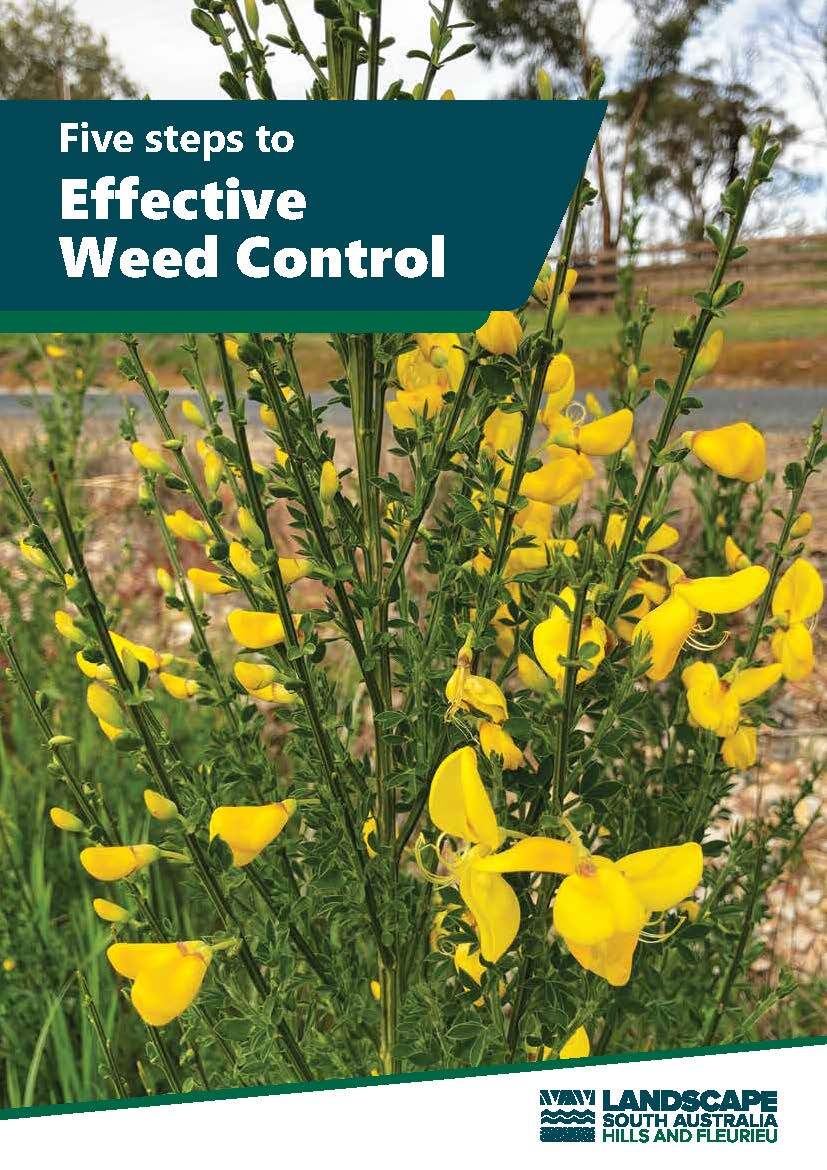
Download the Five Steps to Effective Weed Control
Weeds are a common challenge across our region, affecting many landowners and managers. From woody shrubs to invasive bulbs, these plants threaten property health, native wildlife, and biodiversity.
By tackling weeds together, we can protect native vegetation, support local ecosystems, and keep our landscapes healthy for generations to come.