Planning your rabbit control? Find out which control methods you can use this season and what’s changing with K5 calicivirus-treated carrots.

Stewardship News -
Consider drought resilient planting
Choosing drought-resilient native plants is one of the best ways to create a productive, attractive landscape that can withstand South Australia's challenging climate. Adapted to local conditions, these hardy species require less ongoing care while delivering significant environmental benefits.
Thriving on natural rainfall
One of the greatest advantages of drought-resilient plants is their ability to thrive with minimal watering. Having evolved to cope with hot, dry summers and variable rainfall, many local native species like sticky hop bush (Dodonaea viscosa) can survive on natural rainfall once established. This means less time spent watering and maintaining plantings, lower costs, and greater confidence that revegetation efforts will succeed.
Bushfire preparedness
Drought-resilient vegetation can also play an important role in bushfire preparedness. While no plant is completely fireproof, many native grasses like kangaroo grass (Themeda triandra) and summer-active species like Christmas bush (Bursaria spinosa) remain green for longer during the warmer months. This green growth can help reduce fire intensity compared with dry vegetation, making these plants a valuable consideration for shelterbelts, landscaping and revegetation projects.
The importance of groundcover
Maintaining healthy vegetation cover during summer also helps protect soil. Plant roots stabilise the ground, reducing erosion, suppressing dust and slowing water runoff during rainfall events. These benefits help safeguard both productive land and nearby waterways.
Support wildlife
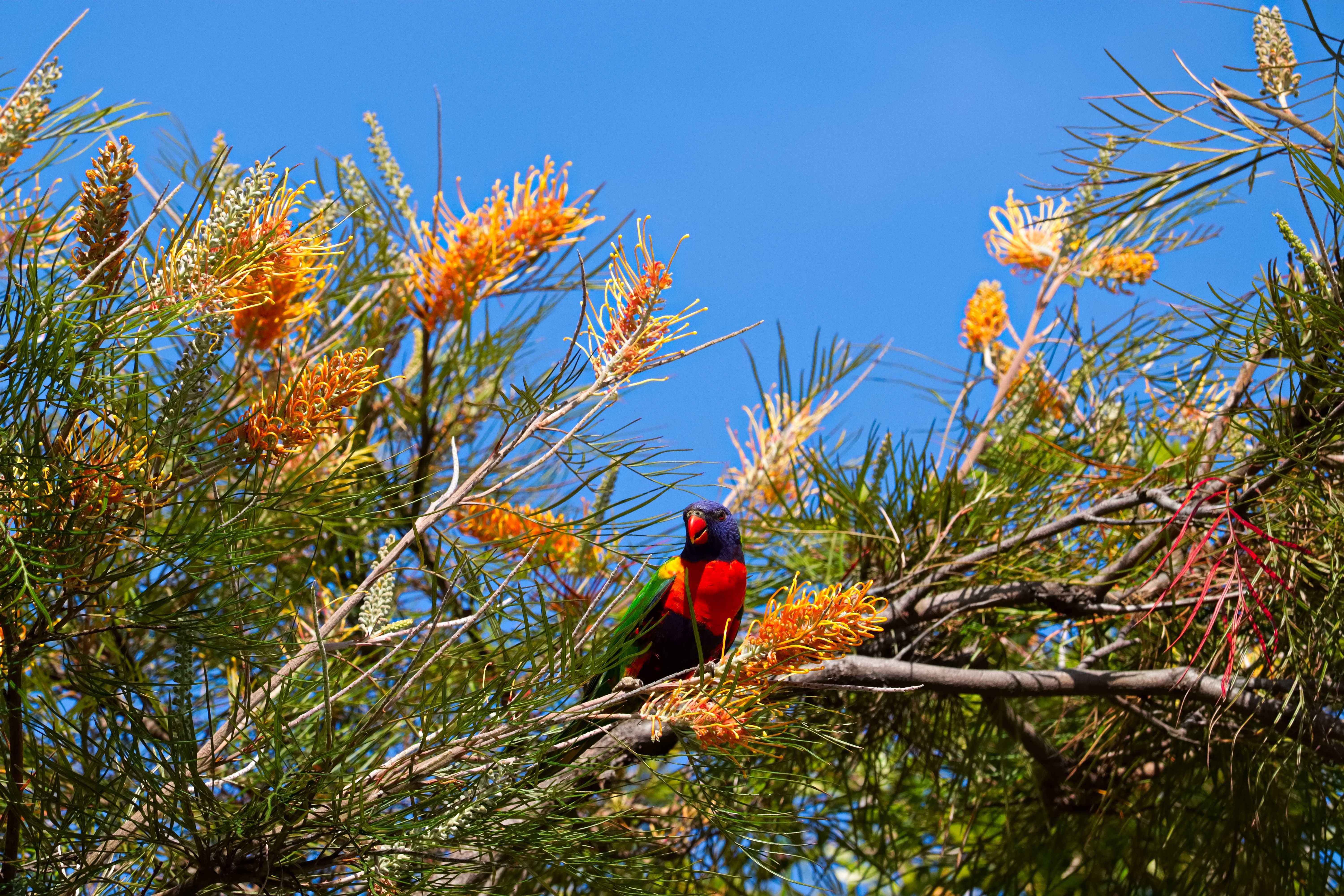
Native plants provide vital habitat for wildlife, particularly during dry periods when food and shelter can be limited. Many drought-tolerant species like drooping sheoak (Allocasuarina verticillata) support birds, pollinators and beneficial insects by providing nectar, nesting sites and shelter year-round.
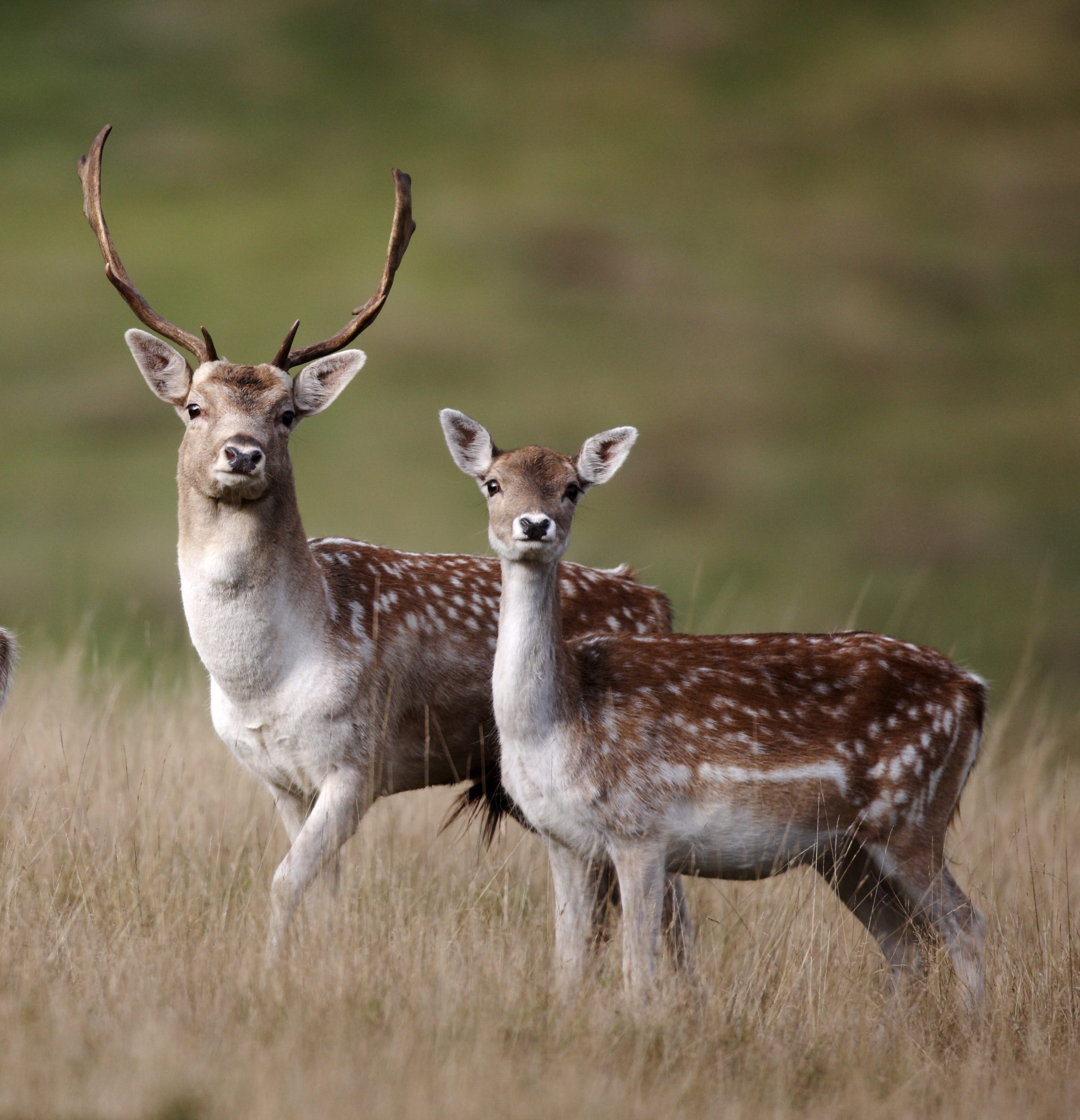
When establishing new plantings, it is important to protect young seedlings from grazing animals such as rabbits and kangaroos. Guards, fencing and other exclusion measures can significantly improve survival rates.
Best of all, drought-resilient natives are practical and attractive. Whether used for windbreaks, shelterbelts, habitat corridors or garden plantings, there is a diverse range of local species suited to almost any property or project.