Planning your rabbit control? Find out which control methods you can use this season and what’s changing with K5 calicivirus-treated carrots.

Stewardship News -
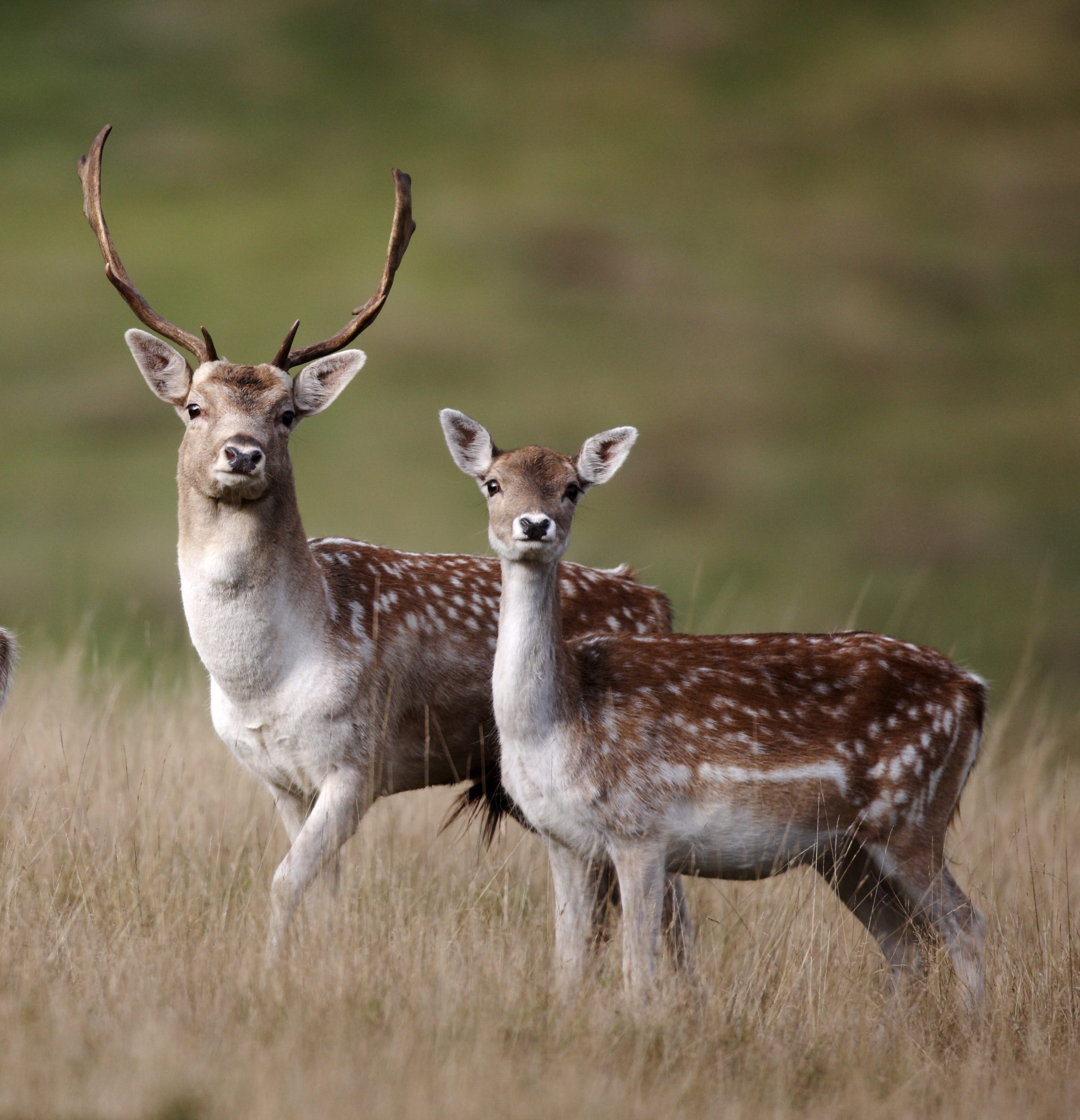
How deer impact biodiversity in the Hills and Fleurieu
It’s widely known that feral deer are a risk to our local biodiversity, however understanding just how serious their impact is at a grassroots level is important.
Deer cause many negative impacts on our environment. They graze, trample and ringbark vegetation, destroying understory, midstory and overstory habitat used by native animals. After fire, deer damage plant regrowth which reduces the environment’s ability to recover.
The Mount Lofty Ranges is one of 15 biodiversity hotspots in Australia and is home to many threatened species. Feral deer grazing contributes to habitat loss, which is the greatest threat to many threatened species. Threatened bird species such as the western beautiful firetail, and endangered marsupials like the southern brown bandicoot, can be more vulnerable to predation by foxes and cats because of feral deer grazing.
Deer also impact agriculture enterprises by damaging pastures, crops, vineyards and orchards. They pose a biosecurity risk, spreading weeds and livestock diseases between properties.
If you see a feral goat or deer, it is important to report it. The FeralScan app and website (www.feralscan.org.au/deerscan) allow the reporting of feral species sightings, and will trigger an alert to our team, who can better understand where sub-populations are residing to help plan control programs.
If feral deer are impacting your property, we invite you to register your interest to be involved in our coordinated eradication program.