H5 Bird Flu: If you notice multiple sick or dead birds or other animals record your location and report it to the 24-hour Emergency Animal Disease Hotline on 1800 675 888.

Stewardship News -
What every landholder needs to know about stream order

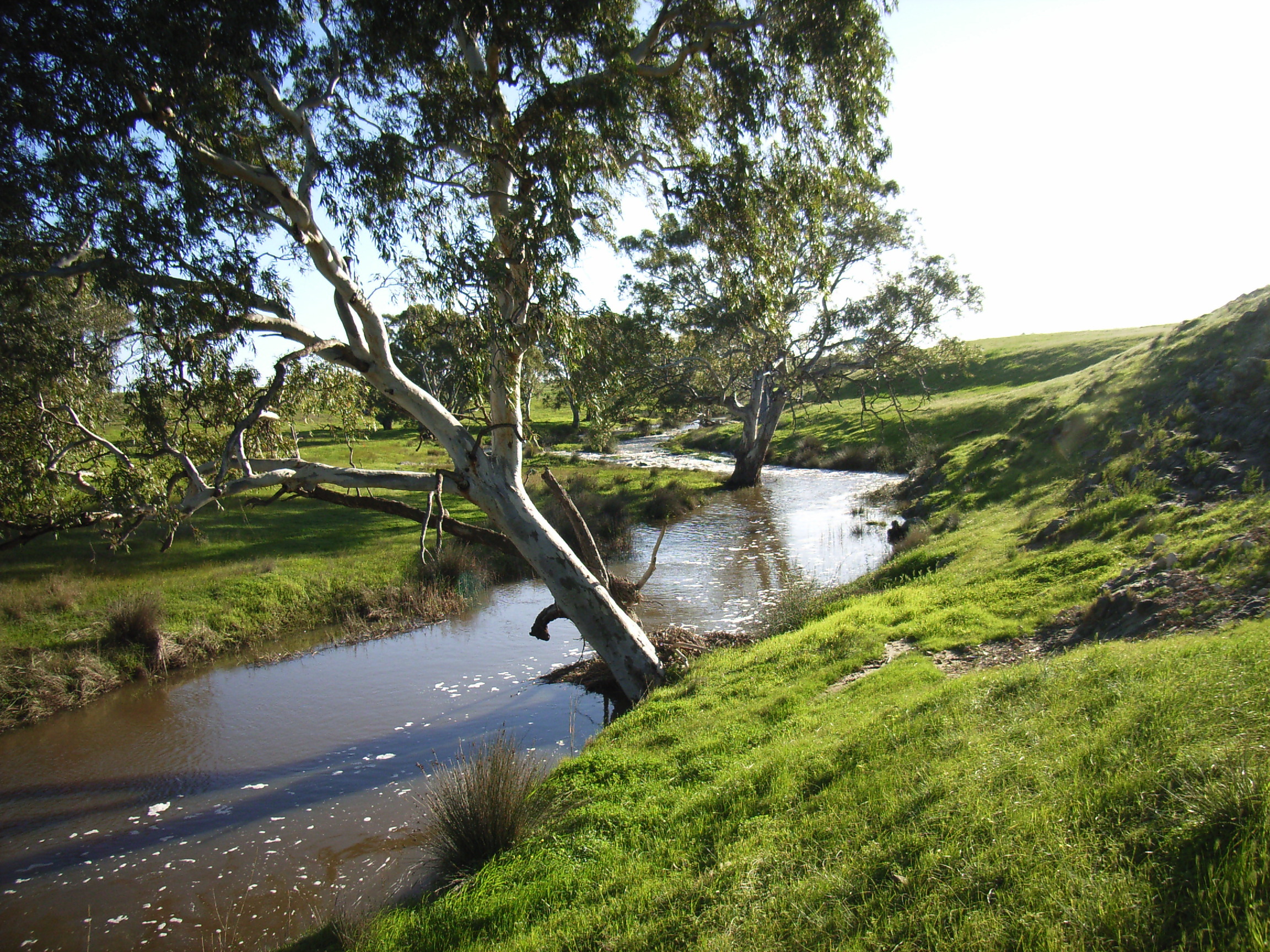
After rain is one of the best times to understand how watercourses on your property fit into the broader landscape, as flowing water reveals creek lines, erosion risks and connections to the wider catchment.
Taking it one step further, understanding where your creek sits in the catchment’s ‘stream order’ can provide a reliable indicator of potential challenges and opportunities - and even shape management decisions.
Knowing your stream's order helps you understand its size, flow, and biological importance. It provides a useful guide to how water moves through the landscape, how often a watercourse may flow, and what types of plants and animals it may support.
What is stream order?
Not all watercourses are the same. Depending on their location, their size and function changes. This is where stream order comes in. As the name suggests, stream order is a classification system that ranks waterways based on the number of tributaries feeding into them.
First-order streams are small headwater watercourses, and they fill first. When two join, they form a second-order stream. Larger waterways (third-order and above) develop as streams combine further downstream.
Higher-order streams carry more water, support a greater range of plants and animals and can pose a greater flood risk, but erosion often begins in the smaller upper catchments.
Matching management to stream order
Understanding stream order can help guide practical decisions on farm.
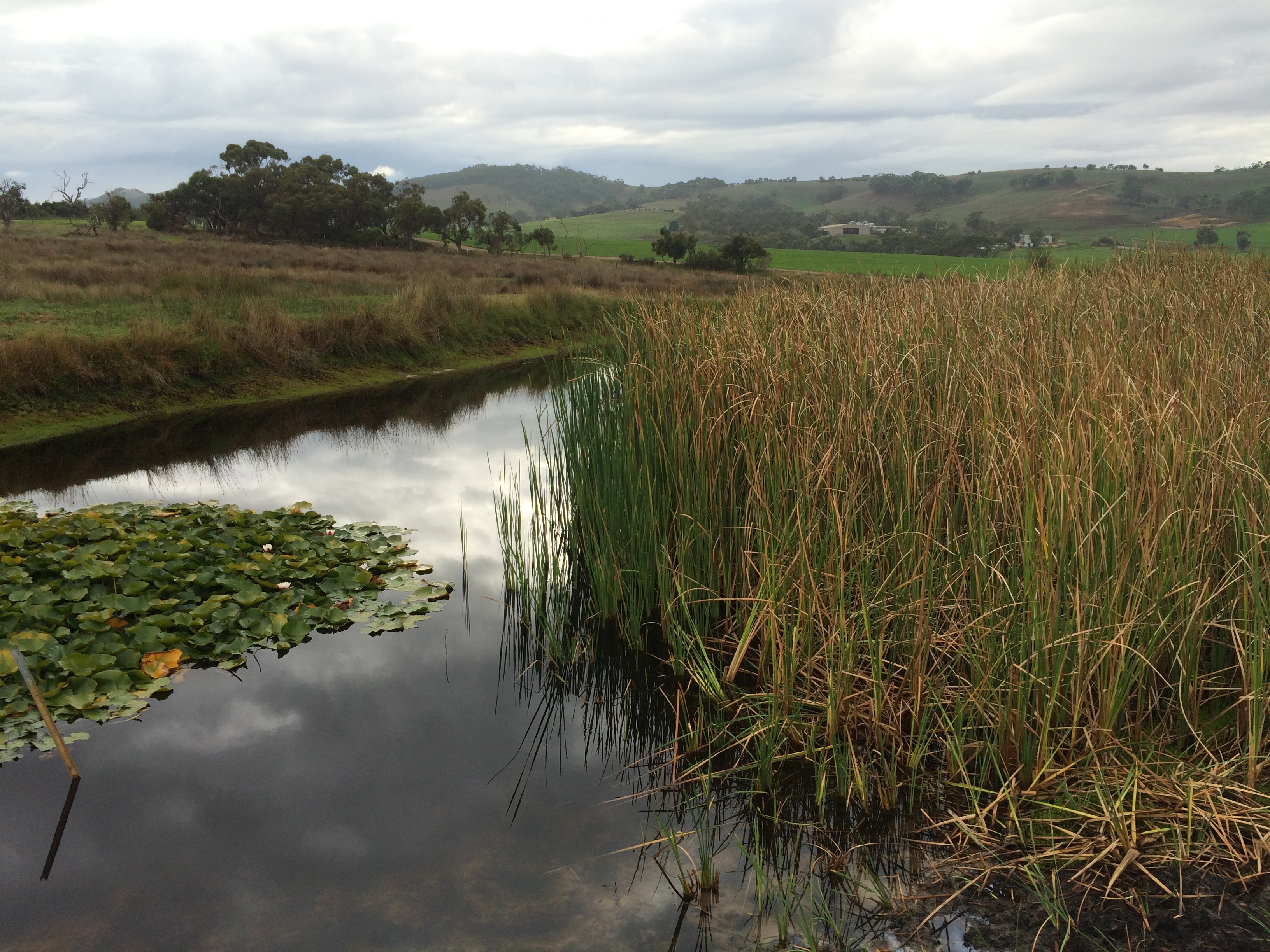
Maintaining groundcover and limiting disturbance are key in smaller headwater areas. Further downstream, stock exclusion, wider vegetated buffers and well-designed crossings become more important.
Across all watercourses, simple steps like fencing and off-stream watering points can reduce pressure and improve long-term condition.
Small changes, big benefits
Better watercourse management can reduce erosion, improve water quality, and support healthier pastures and biodiversity, while building resilience in both drought and heavy rain - it’s all about working with your unique landscape.
Online tools like NatureMaps can help you identify stream order and visualise drainage patterns within a broader catchment. Before undertaking any works to a dam or watercourse, check whether a Water Affecting Activity Permit is required through your local landscape board.
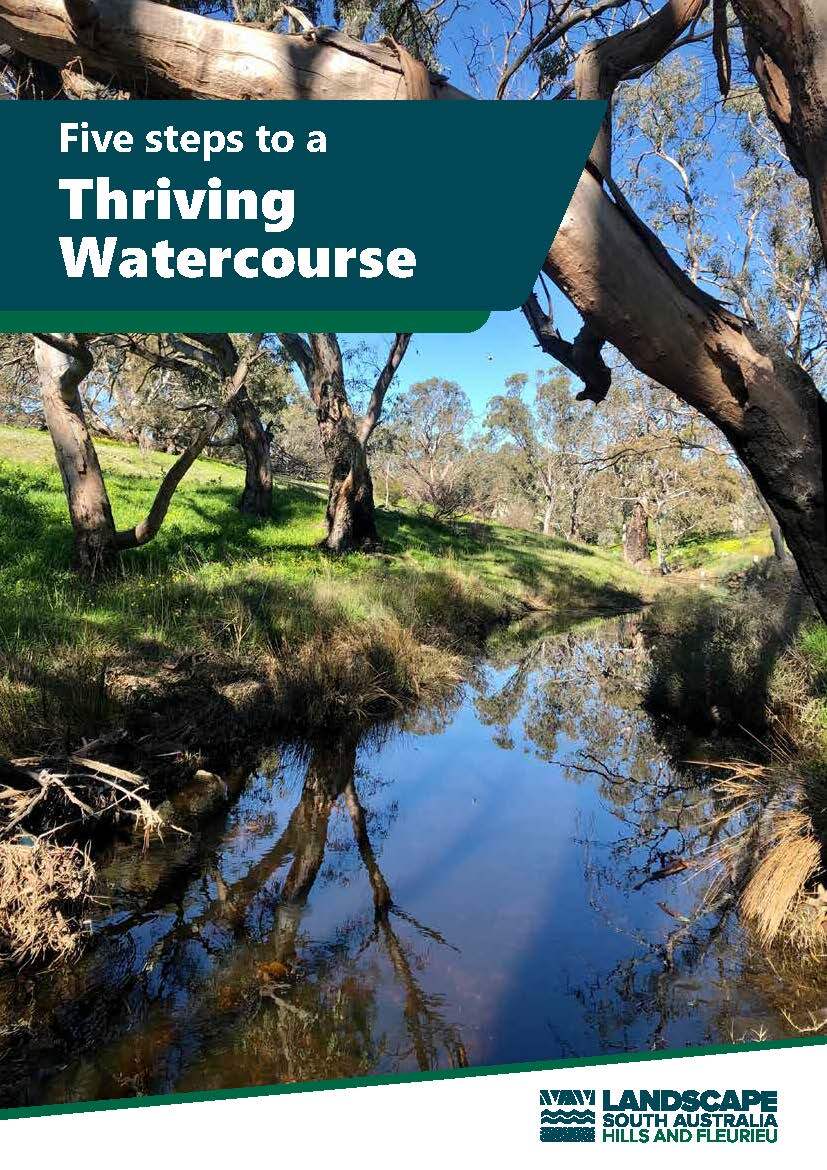
Download our Five Steps to a Thriving Watercourse
Ready to take action? Our 'Five Steps to a Thriving Watercourse' guide makes it easy to get started with practical advice you can follow at your own pace. Whether your watercourse is a small creek or a larger river, this guide will help you plan your work, avoid common mistakes, and set your watercourse up for long-term health.
Download the guide and take the first step towards protecting and restoring your watercourse today.