H5 Bird Flu: If you notice multiple sick or dead birds or other animals record your location and report it to the 24-hour Emergency Animal Disease Hotline on 1800 675 888.


Stewardship News -
Rehydrating your farm: How healthy soil and plants make every drop count
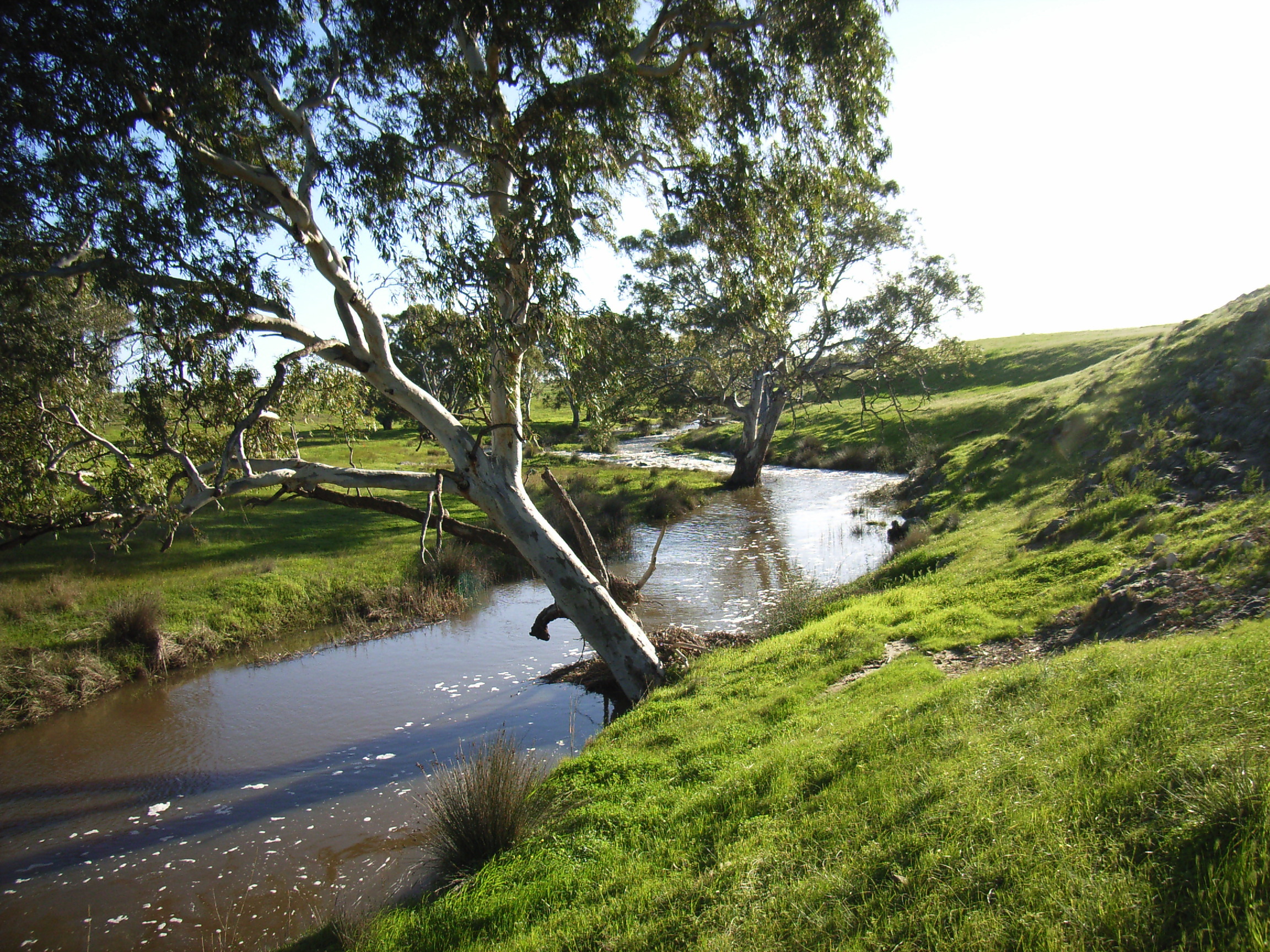
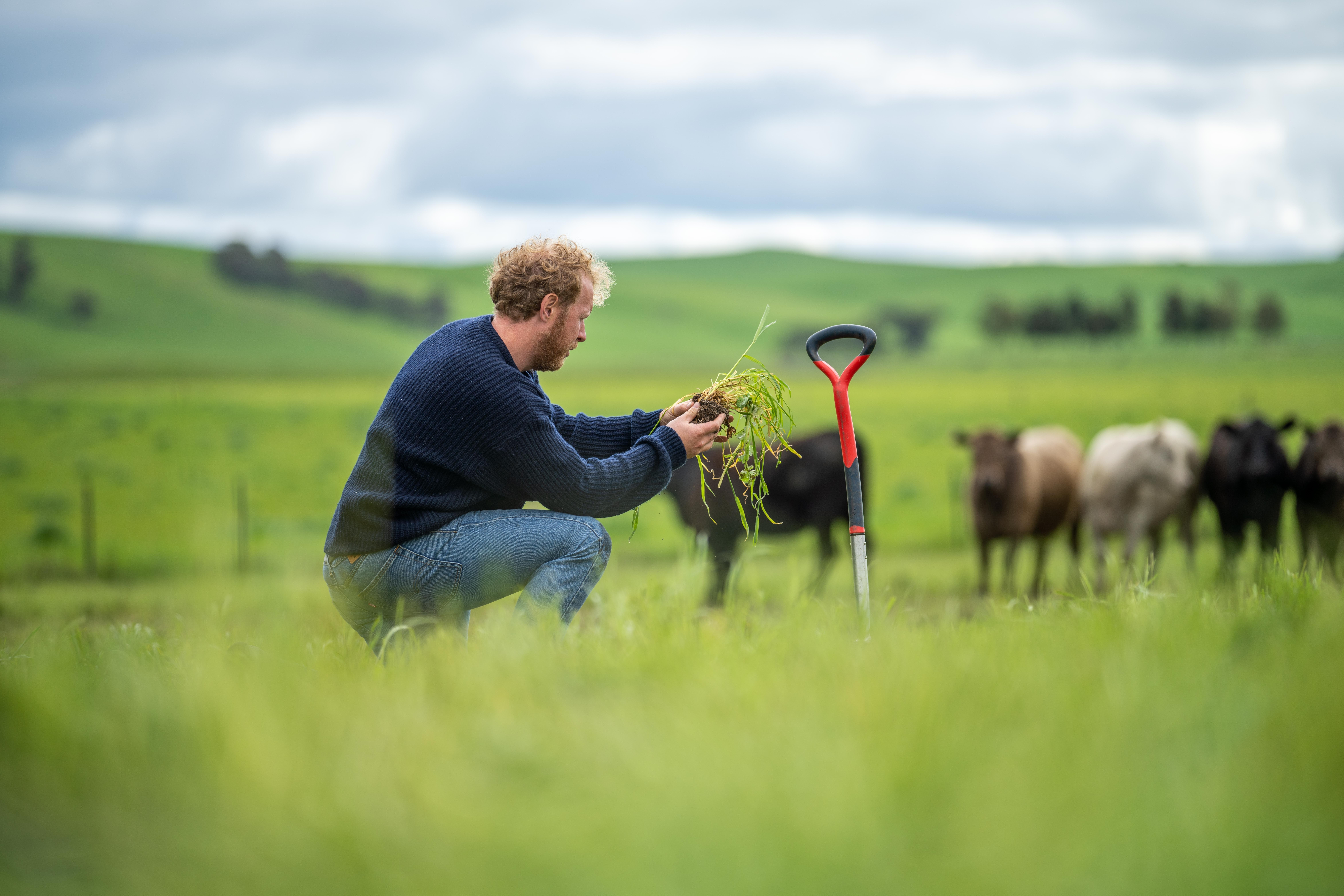
Water is constantly moving through a natural cycle of rainfall, soil, plants and the atmosphere, and for farmers, an opportunity lies in helping that cycle work more effectively across their properties.
When rainfall infiltrates the soil and moves through plants, it drives pasture growth, supports livestock production and builds resilience during dry periods. When water runs off the landscape, much of that opportunity is lost.
The good news? Healthy soils and plants are your most powerful tools for capturing, storing and cycling water on your farm.
Why water cycling on your farm matters
Water has some remarkable properties that influence how it moves through the landscape:
- It exists naturally as a solid, liquid and gas.
- It can move upward through plants against gravity via capillary action.
- It absorbs and releases heat, helping moderate soil and air temperatures.
These unique characteristics drive the water cycle. On farm, the aim is simple - help rainfall soak into the soil, move through plants, and remain in the system long enough to grow feed and support productive landscapes.
When rainfall infiltrates soil rather than running off, the benefits can be significant:
- More moisture available for plant growth
- Cooler soil temperatures
- Reduced erosion
- Improved drought resilience
- Better pasture utilisation and livestock performance
Every extra millimetre of rainfall that enters your soil instead of leaving the property represents more feed grown and potentially fewer dollars spent on supplementary feeding.
How plants and soils complement each other
Healthy soil acts like a sponge, storing water for future use. Plants act like pumps, drawing moisture through the soil profile while also protecting the soil surface from the elements. Together, they keep the water cycle functioning where it matters most - across your paddocks.
How plants help manage water
Healthy and diverse plant communities can improve water infiltration and retention by:
- Providing groundcover that slows runoff
- Creating surface roughness that encourages water to soak in
- Adding organic matter that improves soil structure
- Shading the soil surface and reducing evaporation
- Transpiring moisture, which cools the local microclimate and contributes to the water cycle
Did you know?
Dew can contribute the equivalent of up to 100 mm of additional moisture each year in many grazing systems. Dew forms when plant surfaces cool overnight and water vapour condenses into droplets, providing another reason to maintain good groundcover.

Healthy soil: The foundation of rehydration
The structure of your soil determines how easily water can enter, move through and be stored within the soil profile.
Some key indicators of healthy, well-structured soil include:
- Stable soil aggregates (which are clusters of primary soil particles that bind together, typically sand, silt, and clay)
- High levels of organic matter
- Deep, living root systems
- Minimal soil compaction
- Visible biological activity such as earthworms, fungi and healthy roots
Put simply:
Healthy soils + diverse plants + strong groundcover = a more effective water cycle on your farm.
Measuring Water Infiltration
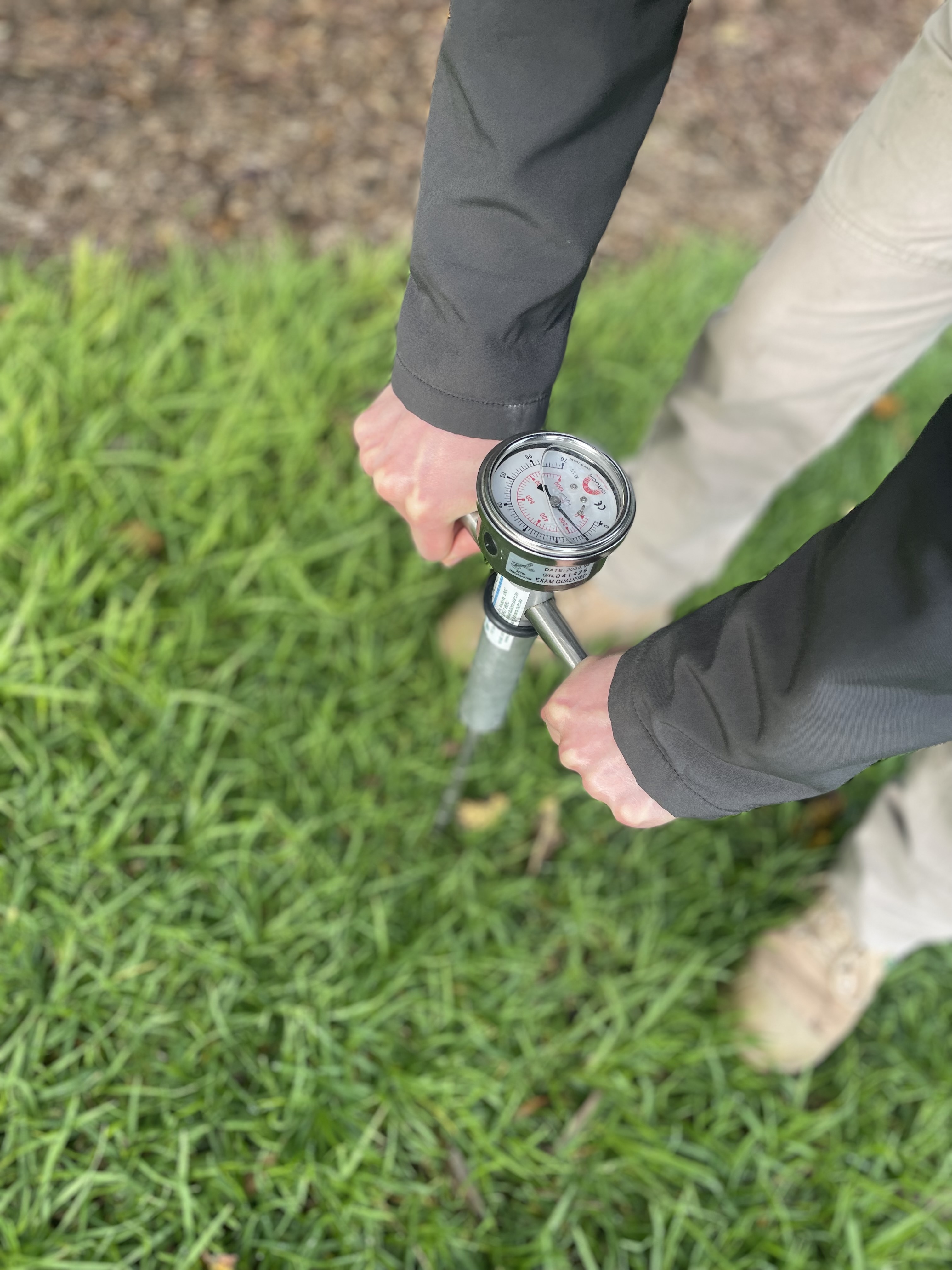
One simple way to understand how effectively your soil captures rainfall is to measure its infiltration rate.
The Five Steps to Healthy Soils Guide and the Knowing Your Soils Ute Guide provides practical tools to help land managers assess soil condition and identify opportunities for improvement. Measuring infiltration can provide valuable insights into how much rainfall is entering the soil profile and where management changes may improve performance.
Did you know?
Well-managed rotational grazing systems with adequate recovery periods can significantly improve infiltration rates compared with continuously stocked systems, helping more rainfall enter the soil rather than running off.
Four practical steps to improve farm rehydration
1. Protect and build groundcover
Aim to maintain 70–100% groundcover throughout the year wherever possible. Groundcover is one of the most important factors influencing water infiltration, helping to slow surface runoff, protect soil from erosion, reduce evaporation and promote biological activity.
2. Increase plant diversity
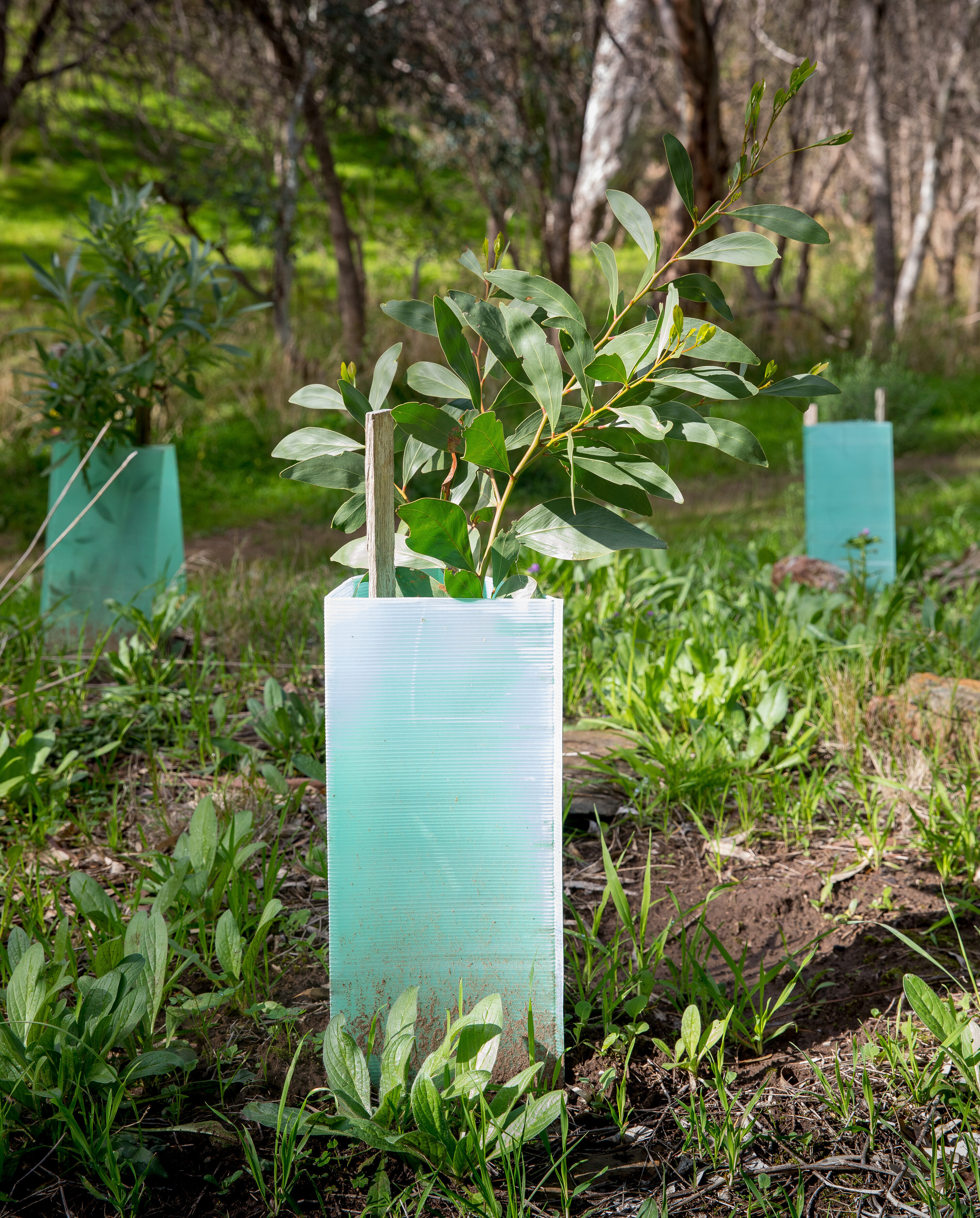
A mix of plant types creates a variety of root depths and structures, improving soil function and water movement. Consider incorporating deep-rooted perennial species, annual plants to provide seasonal feed, native grasses where appropriate and legumes to support nitrogen cycling and soil biology.
Diverse root systems create channels through the soil profile, allowing water to penetrate deeper into the landscape.
3. Improve soil organic matter
Build organic matter by using rotational grazing with adequate rest periods, minimising unnecessary soil disturbance and applying compost or biological amendments where appropriate. Over time, increased organic matter can improve both infiltration and water-holding capacity.
4. Address erosion early
Small erosion issues can quickly become large and costly problems if left unmanaged.
Where erosion is active stabilise affected areas as early as possible, maintain protective groundcover and design any remediation works with extreme weather events in mind. If earthworks are being considered, approval may be required through a Water Affecting Activity (WAA) permit. Always check with Landscapes Hills and Fleurieu before commencing works.
Sustainable Agriculture Facilitators are supported by the Australian Government through funding from the Natural Heritage Trust under the Climate-Smart Agriculture Program.