H5 Bird Flu: If you notice multiple sick or dead birds or other animals record your location and report it to the 24-hour Emergency Animal Disease Hotline on 1800 675 888.

Stewardship News -
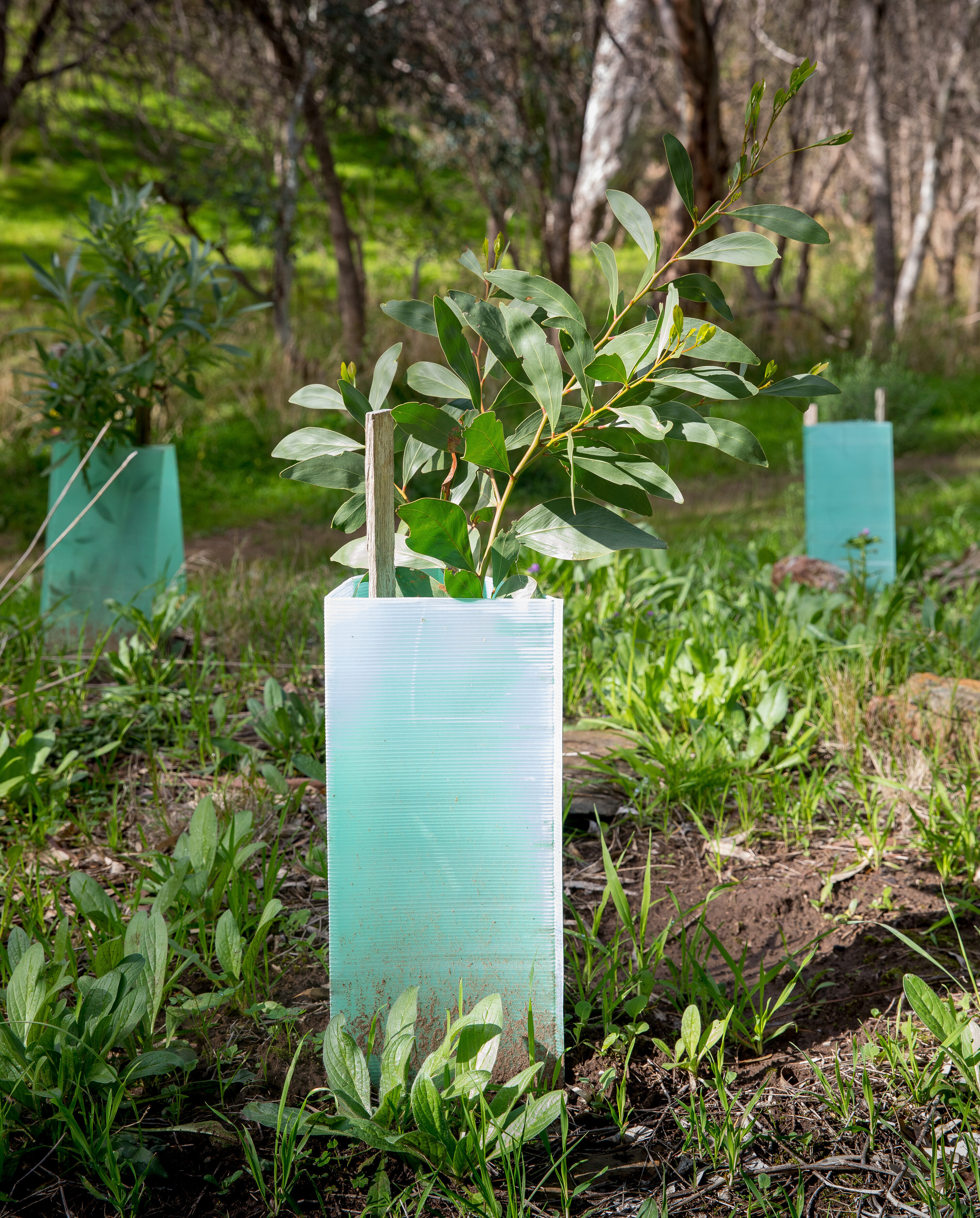
Caring for new revegetation
Planting is just one step of a successful revegetation project. Ongoing maintenance and monitoring are essential to help young plants establish, minimise losses and ensure your efforts deliver long-term benefits for biodiversity and landscape health.
Monitor your site regularly
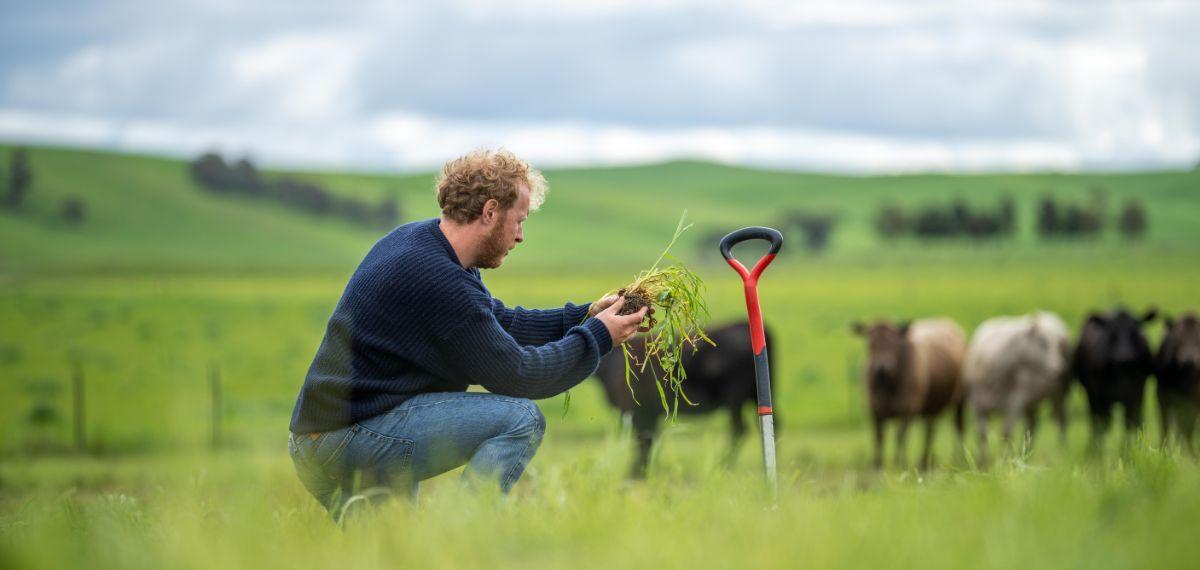
Monitoring is simply observing changes over time. By regularly checking your revegetation area, you can identify issues early and take action before they become major problems.
Keep an eye on:
- Plant growth and survival rates.
- Signs of water stress, such as wilting or discoloured foliage.
- Grazing damage from livestock, kangaroos, rabbits or other herbivores.
- Weed populations and the effectiveness of your weed control efforts.
- The appearance of any new weed species.
- Wildlife activity and how birds, insects and other animals begin using the site over time.
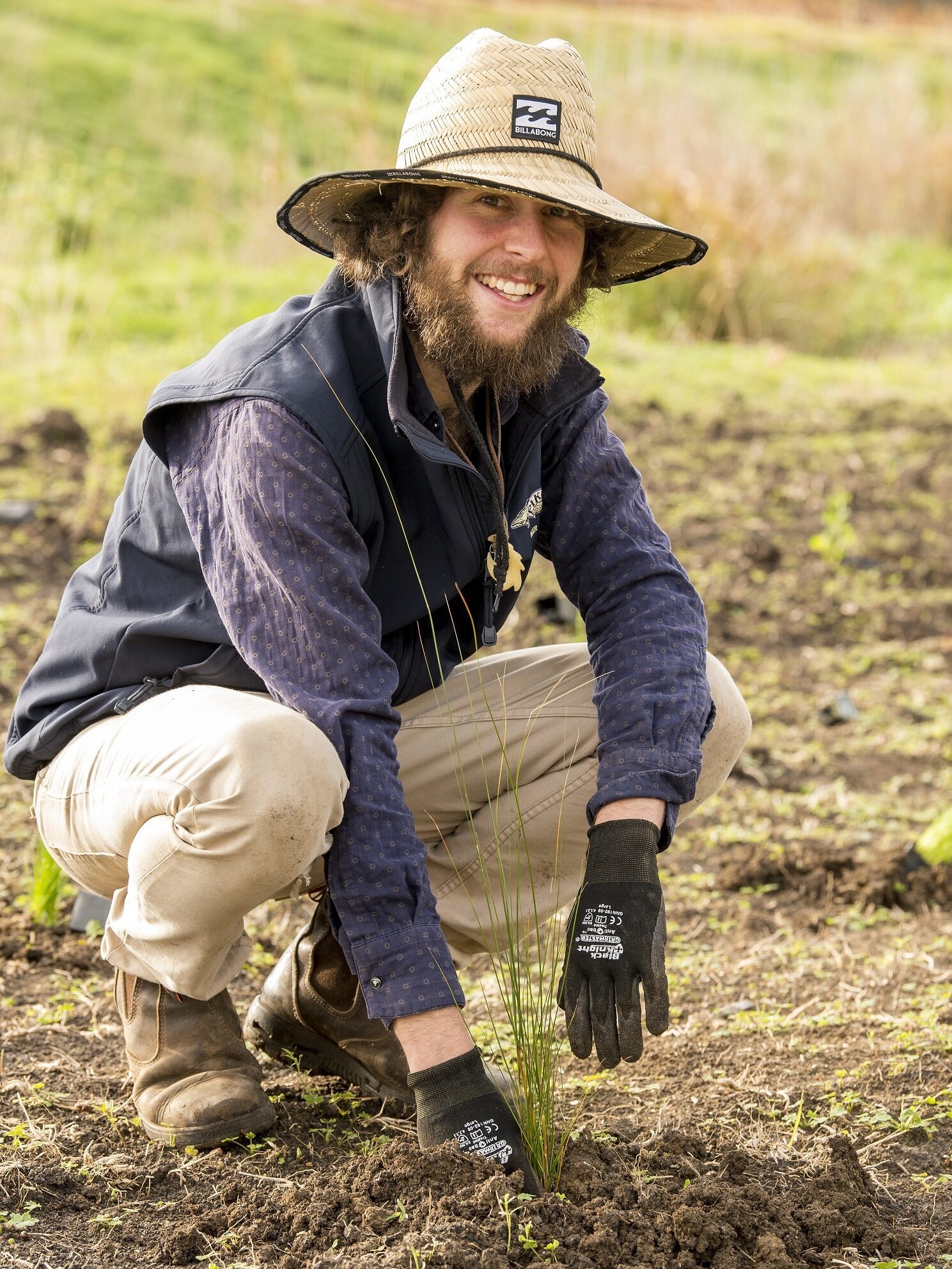
Watering
Access to water is often critical during the first few years of establishment. When planning a revegetation project, consider water availability and how much supplementary watering you can realistically provide.
Many native species will require additional watering during dry periods, particularly through summer. The amount of irrigation needed will depend on rainfall, soil type, drainage and the species being planted.
Ongoing weed control
Weeds are one of the biggest threats to young seedlings. Without regular management, they can quickly outcompete native plants for water, nutrients and light.
Weed control is typically most intensive during the first few years, while plants are becoming established. Consistent follow-up control will improve survival rates and help prevent weeds from spreading across your property.
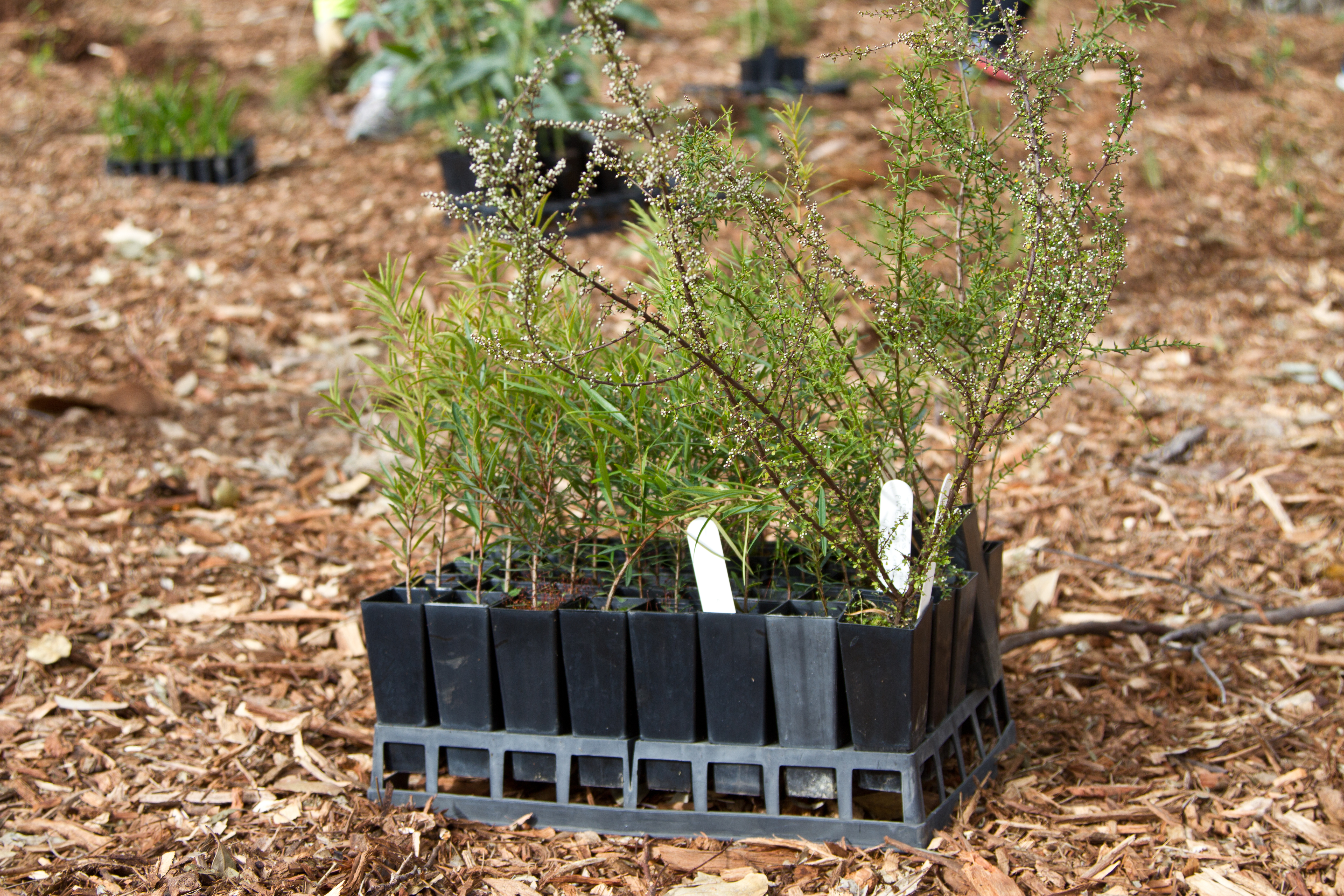
Fencing
Regularly inspect fences to ensure they continue to exclude livestock and other animals that may damage plants. Prompt repairs can prevent costly setbacks.
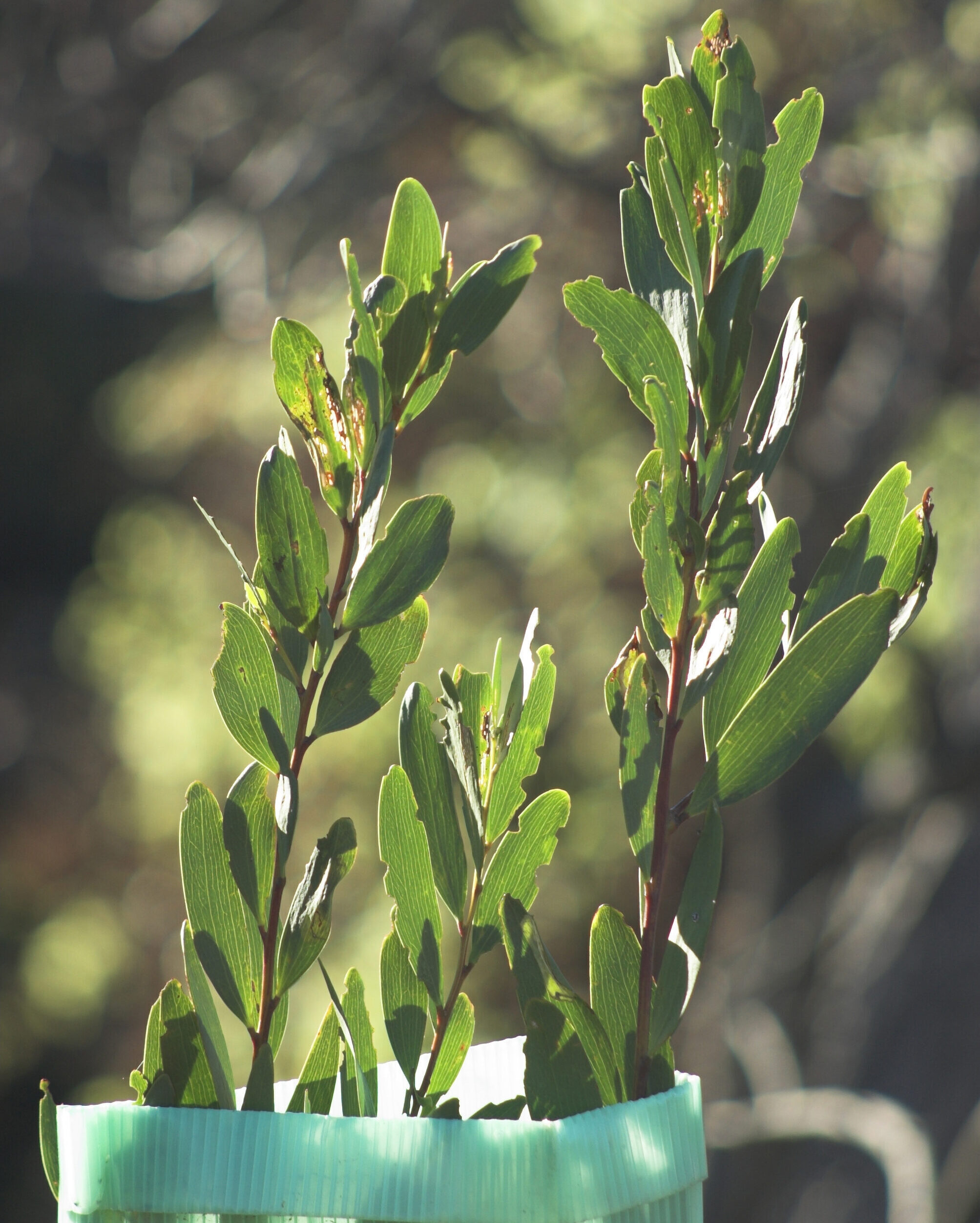
Tree guards
Tree guards provide valuable protection during establishment, but they require ongoing attention. Check guards regularly for damage and replace or reinforce them as needed, remove them when plants are large enough to grow without them and before the guards restrict growth, and store usable guards for future revegetation projects.
Managing pest animals
If pest animals become an issue, take appropriate action to reduce their impact and protect young plants.
Review and adapt
Every revegetation site is different. Regular maintenance and monitoring allow you to review what is working, adapt your approach and give your plants the best chance of thriving for years to come.
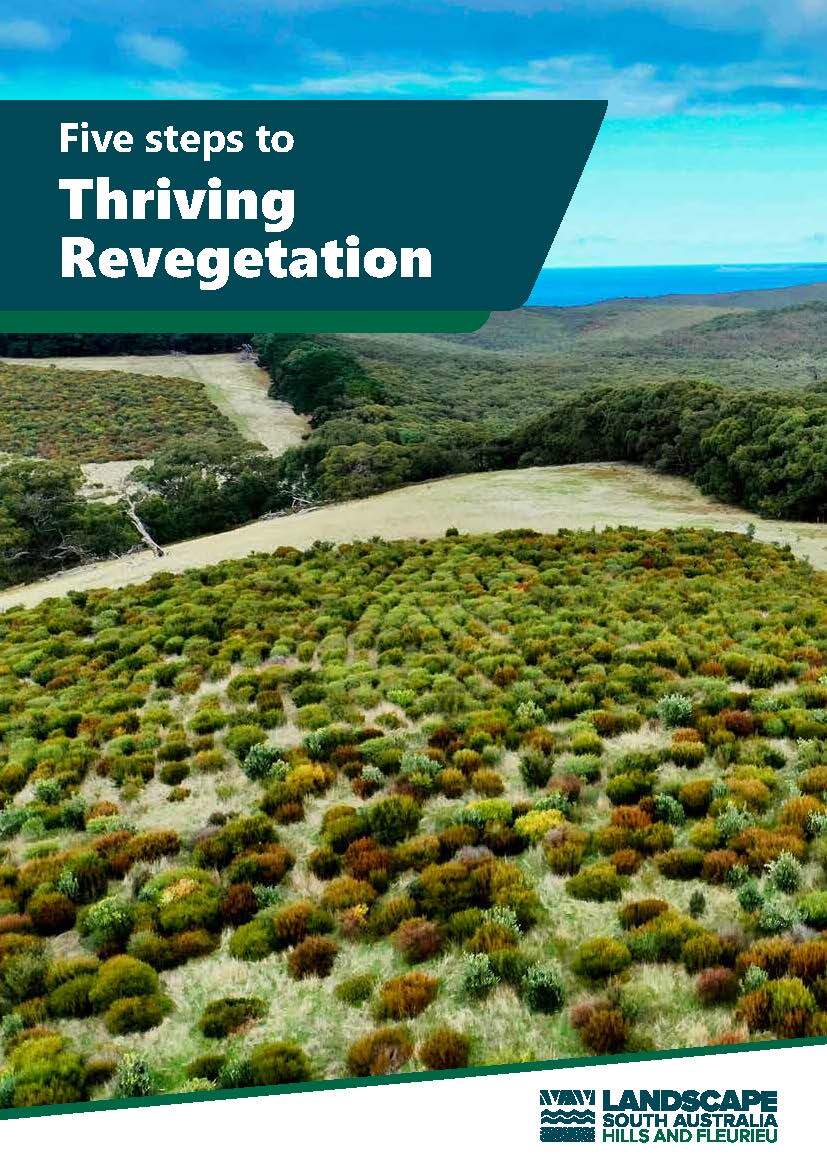
Download our Five Steps to Thriving Revegetation guide
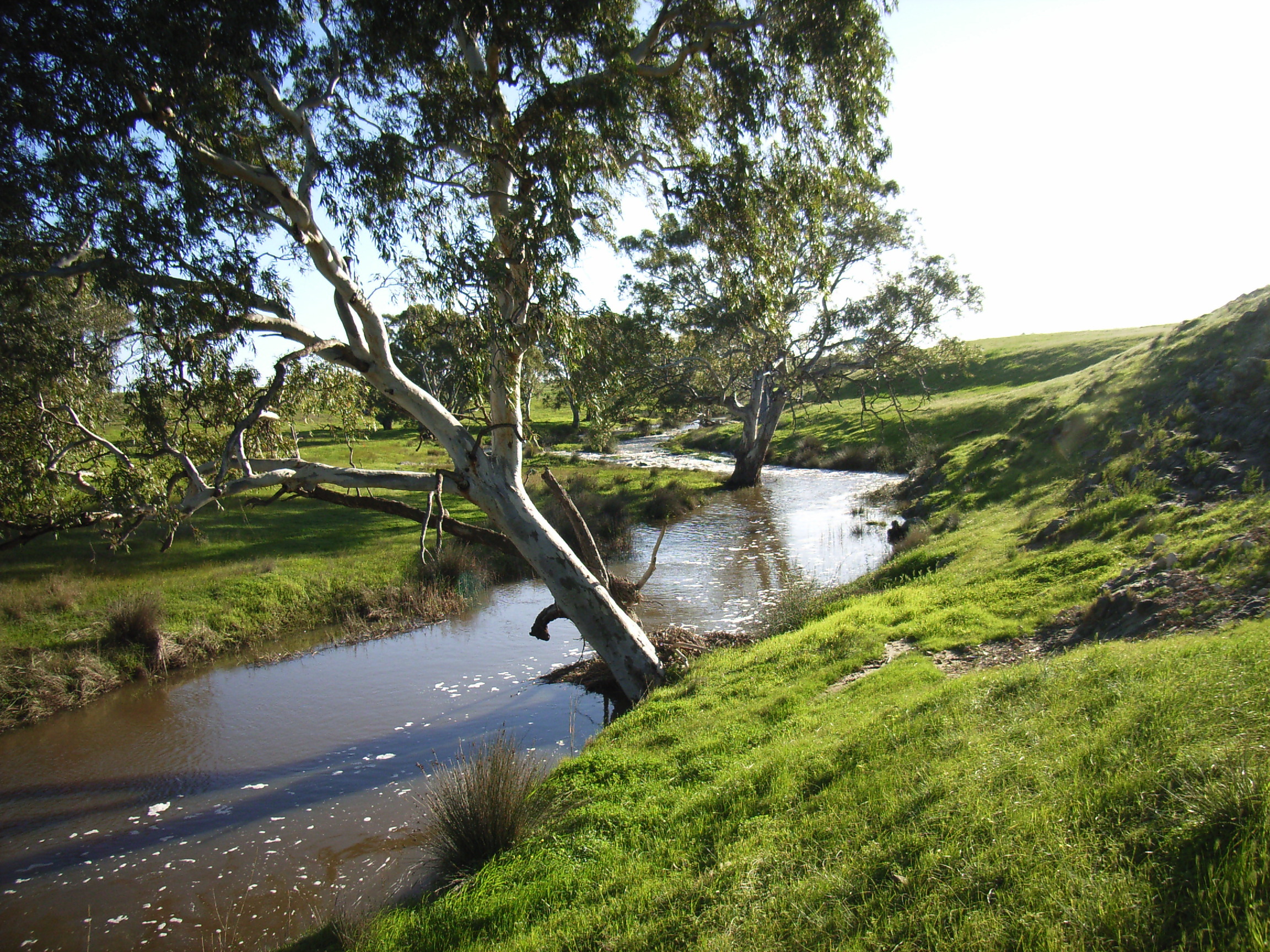
Restoring native vegetation is a great way to improve soil health, protect waterways and support local wildlife.
Whether planting paddock trees, creating a shelterbelt, protecting native vegetation, or replanting a creek line, revegetation boosts biodiversity, reduces erosion and enhances water retention.