H5 Bird Flu: If you notice multiple sick or dead birds or other animals record your location and report it to the 24-hour Emergency Animal Disease Hotline on 1800 675 888.

Create habitat for wildlife on your property
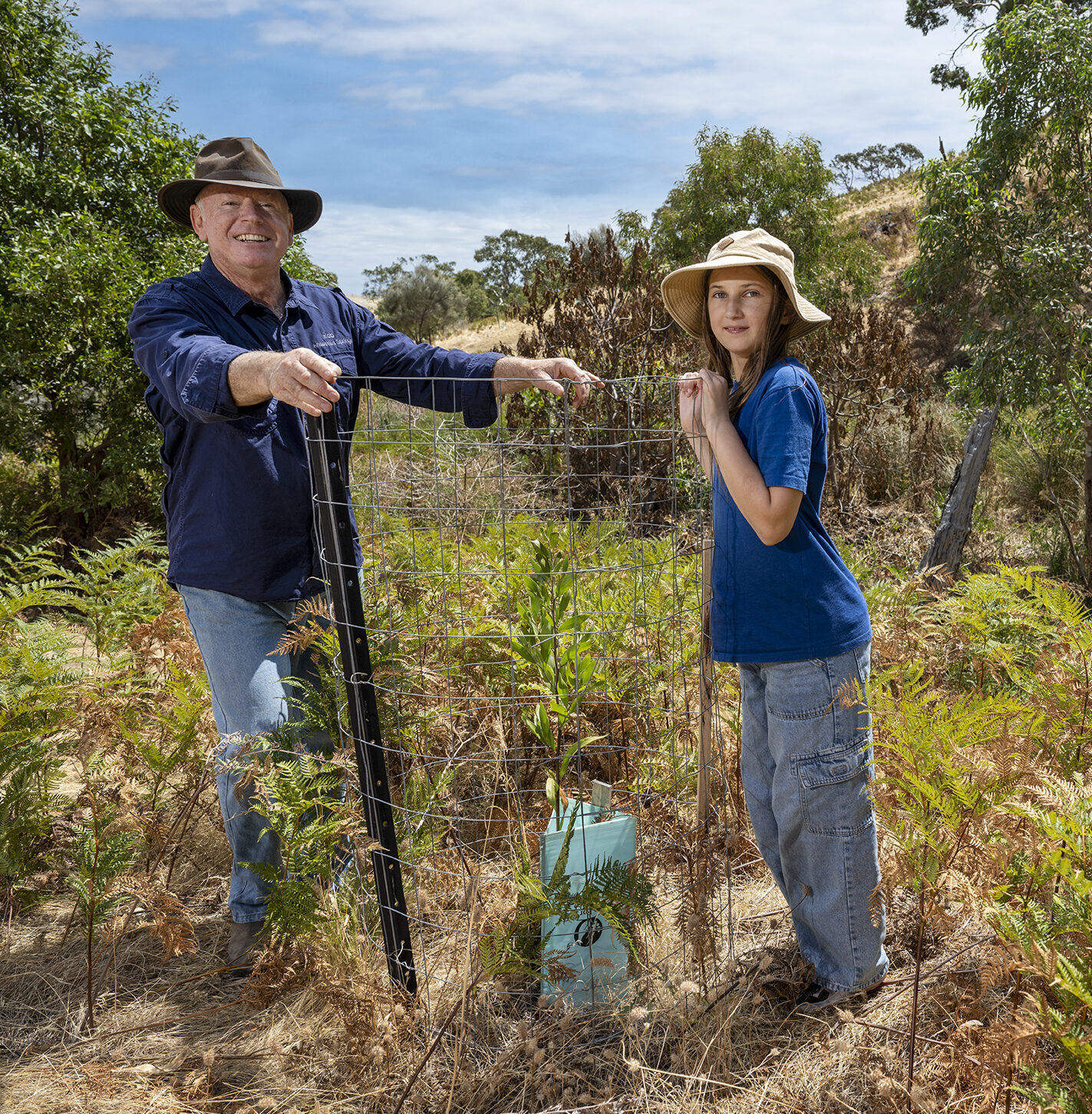
Why create habitat?
Every property has the potential to provide habitat for native wildlife. Whether you manage a farm, lifestyle block or rural property, the decisions you make can help create safe places for birds, pollinators, reptiles and other native species to feed, shelter and breed.
Across our region, native vegetation has become increasingly fragmented, making it harder for wildlife to move through the landscape and access the resources they need to survive. By protecting existing habitat and creating new habitat on your property, you can play an important role in supporting local biodiversity.
Creating habitat on your property can:
- Provide food, shelter and breeding sites for native wildlife
- Improve connectivity between existing areas of native vegetation
- Support pollinators and other beneficial species
- Contribute to healthier, more resilient landscapes
- Leave a lasting environmental legacy for future generations
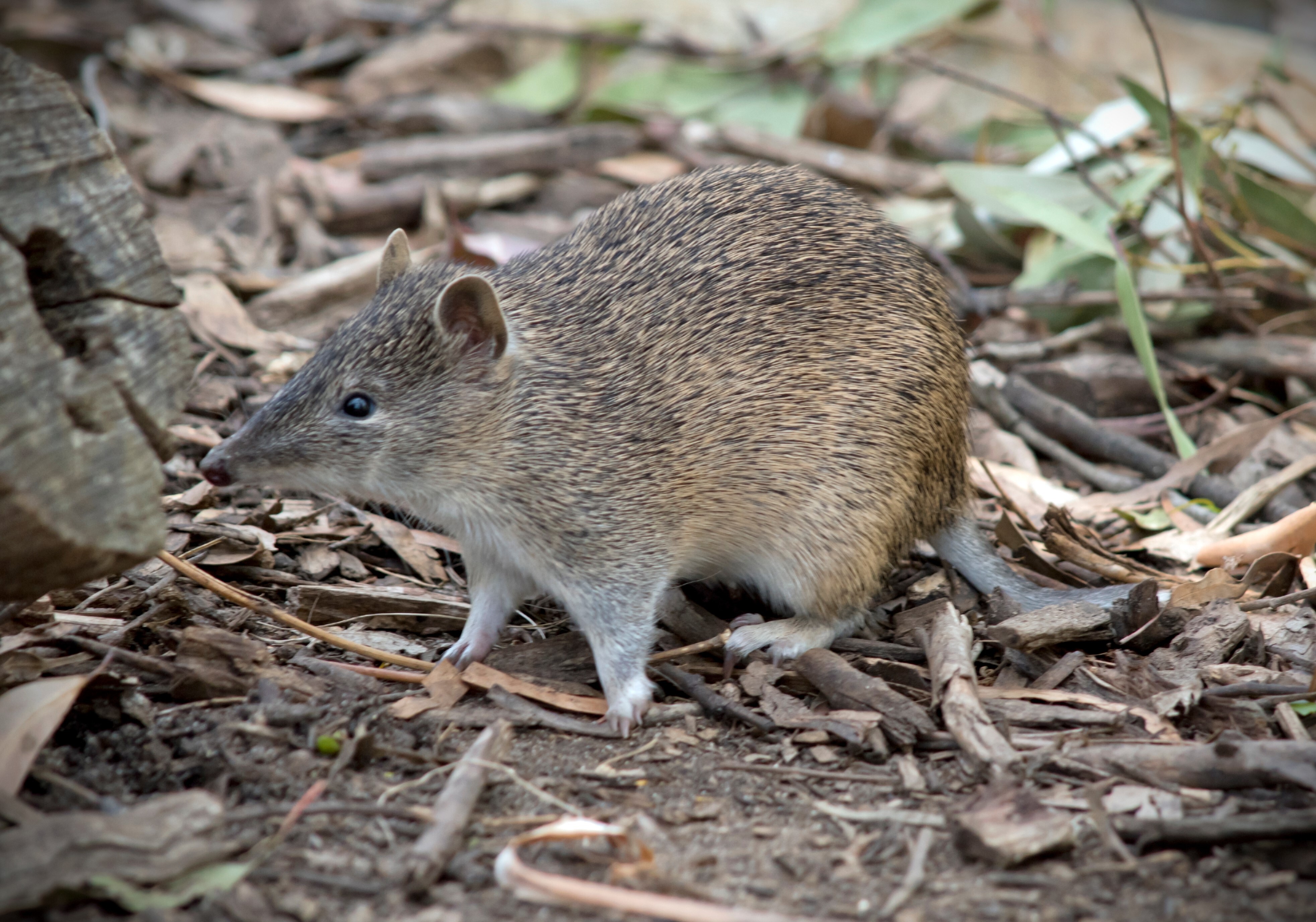
What does wildlife habitat look like?
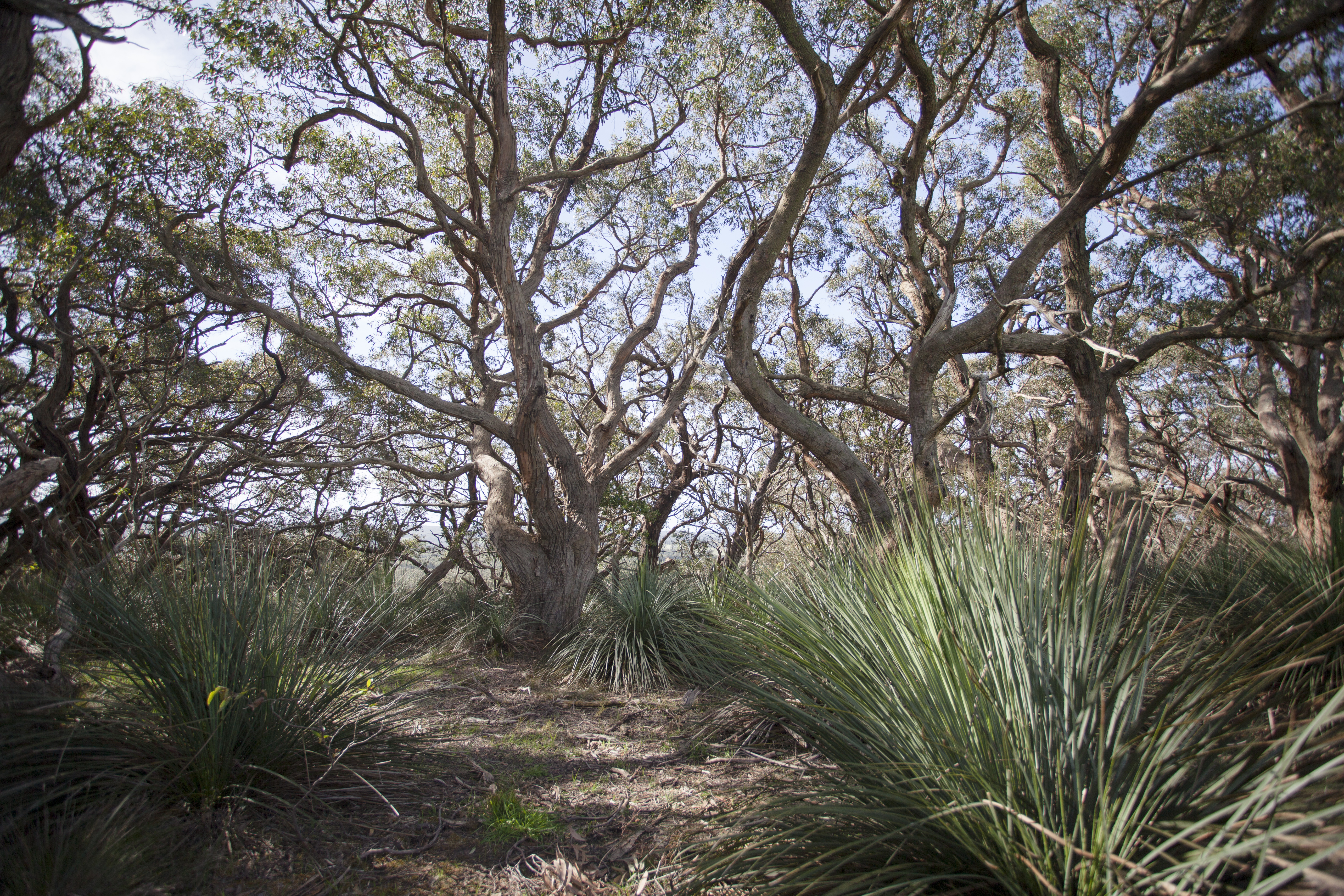
Wildlife habitat is more than just trees. Good habitat provides food, water, shelter and places to breed. This can include flowering plants for pollinators, dense vegetation for nesting birds, fallen timber and rocks for reptiles, and wetlands, dams or other water sources for frogs and other wildlife.
Habitat can take many forms, from protecting remnant vegetation and retaining paddock trees to establishing shelterbelts, revegetating creeklines and providing water sources. Even small actions can make a significant difference when they are part of a broader network of habitat across the landscape.
Native birds, reptiles, mammals, frogs and insects all rely on suitable habitat to survive. By creating spaces where wildlife can thrive, landholders can help ensure our region's unique plants and animals continue to be part of the landscape for generations to come.
Every patch of habitat matters. Together, rural landholders can help build a connected landscape that supports wildlife, strengthens biodiversity and enhances the natural values of our region.
How to create wildlife habitat
Creating wildlife habitat doesn't have to involve large-scale revegetation projects. Many of the features native wildlife rely on may already exist on your property. By protecting existing habitat and making small improvements over time, you can create a more wildlife-friendly landscape that provides food, water and shelter for native species.
To make your property wildlife-friendly:
- Protect native vegetation, old trees and fallen timber.
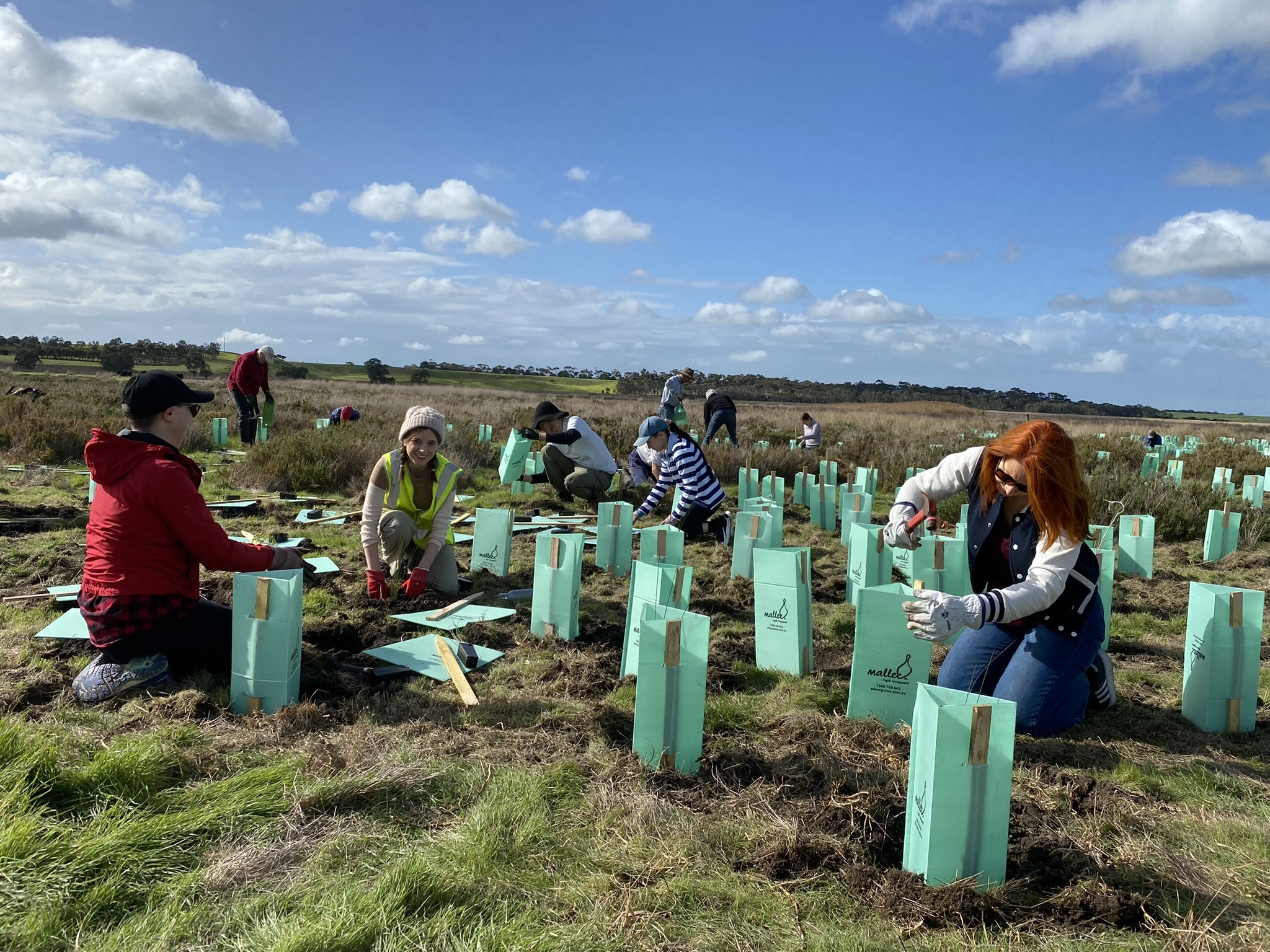
- Plant local native species that provide food and shelter.
- Create layers of habitat with trees, shrubs, grasses and groundcovers.
- Include water sources for wildlife, especially in summer.
- Connect patches of habitat with shelterbelts and revegetation.
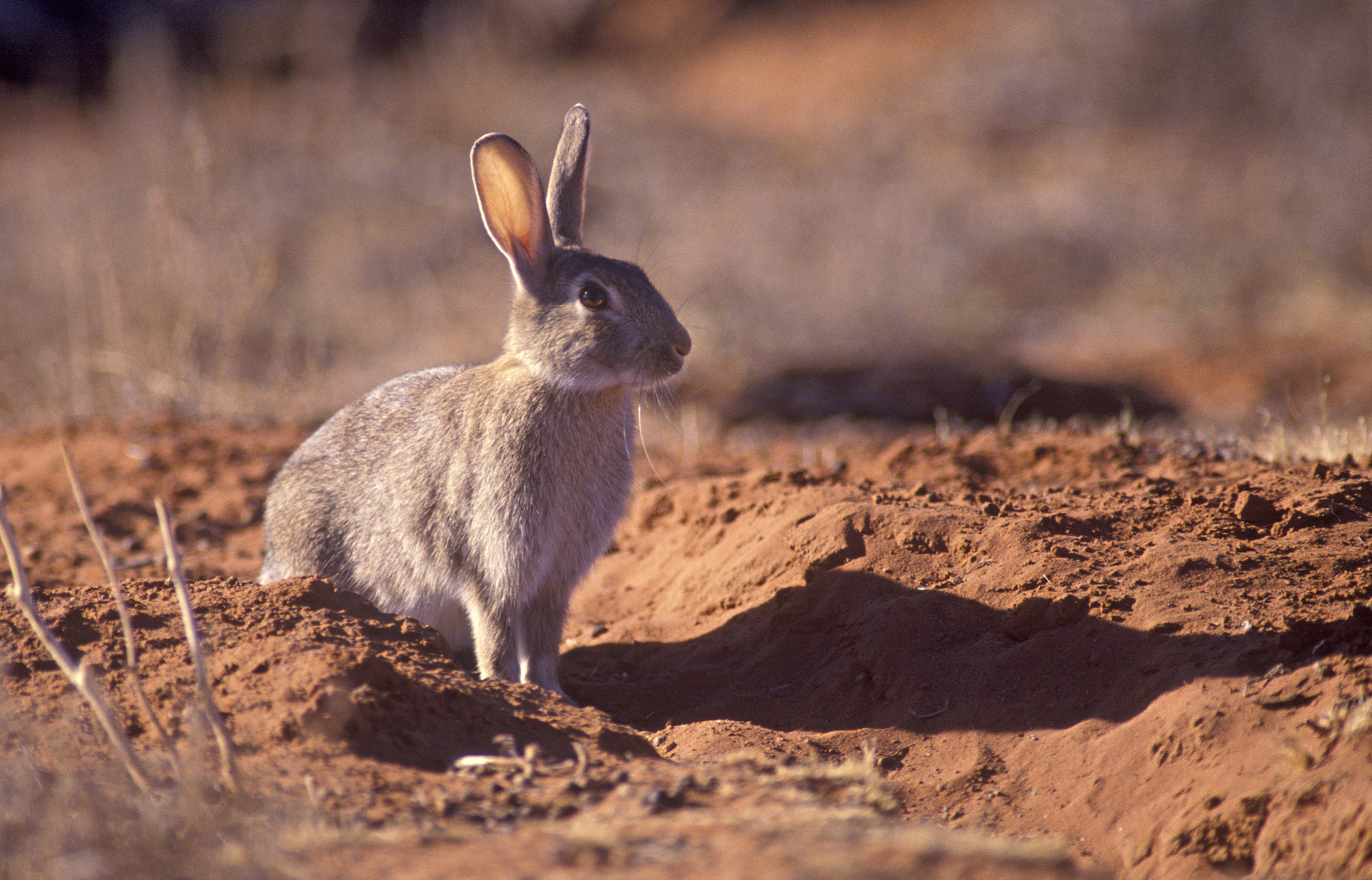
- Reduce threats by managing pest species and limiting chemical use.
- Leave leaf litter, rocks and logs in place to provide shelter for reptiles, frogs, insects and small mammals.
- Retain and encourage natural habitat features such as mistletoe, native grasses and flowering plants that provide valuable food and nesting resources.
- Install nest boxes, insect hotels or frog ponds where natural habitat features are limited.
- Record the wildlife on your property through citizen science programs such as iNaturalist to help monitor and protect local species.
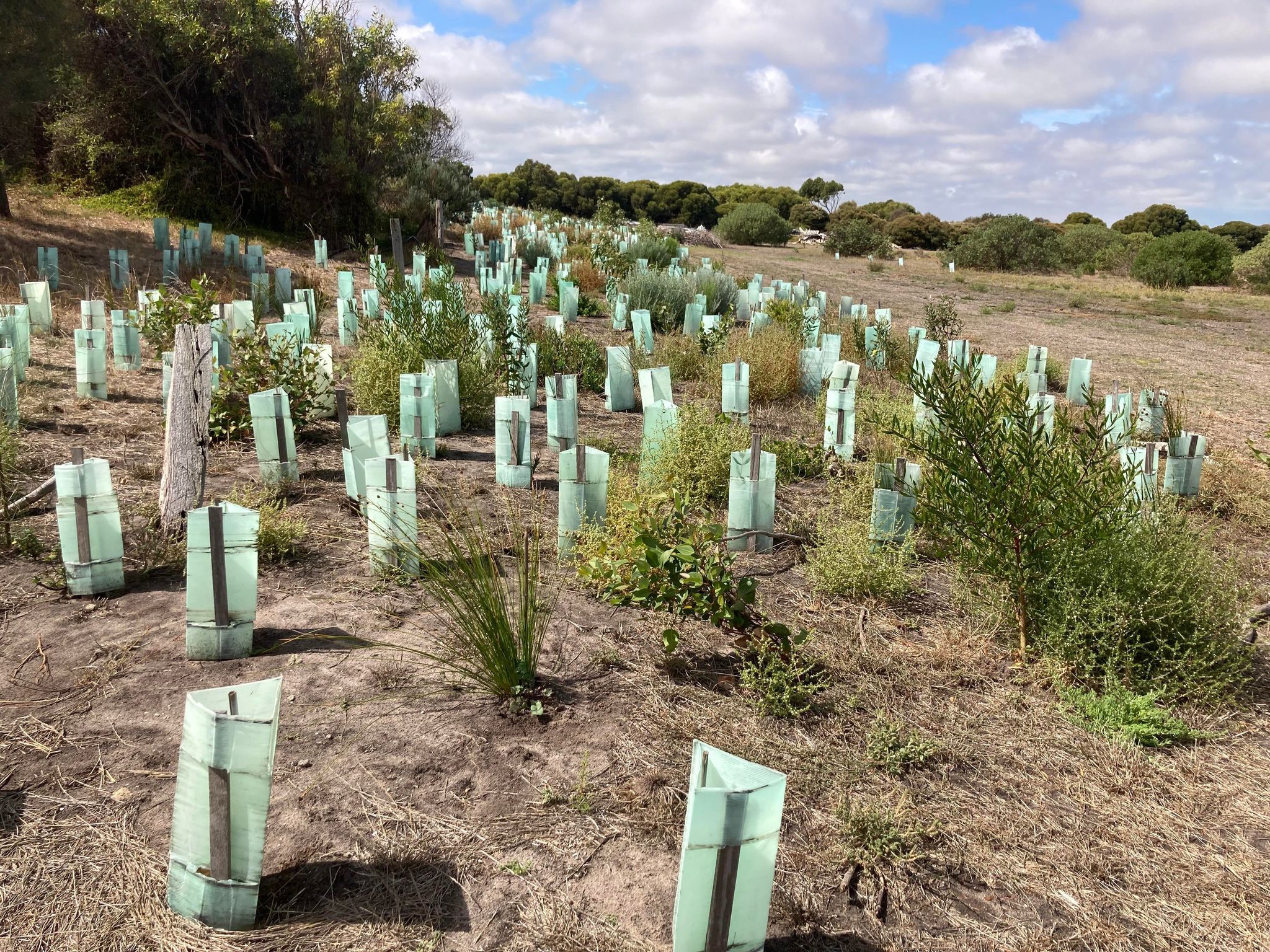
Selecting native plants for wildlife habitat
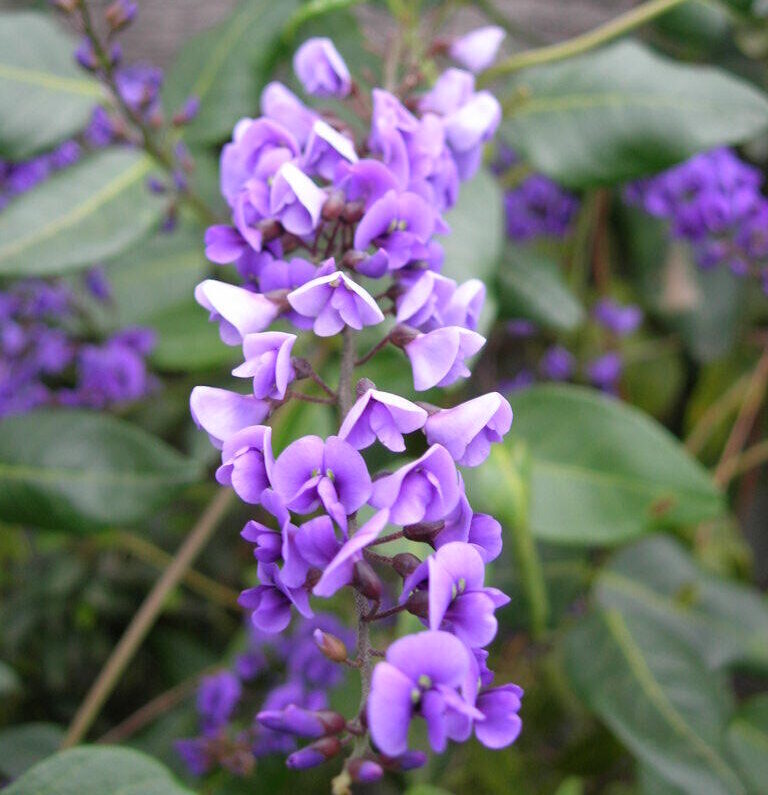
Native plants are attractive and versatile, offering a range of shapes, colours and densities. With the right species, you can enjoy flowers throughout the year. They’re easy to grow and support the environment by providing habitat for native birds, butterflies and lizards. Being naturally adapted to our conditions, native plants are low maintenance, drought tolerant, and require minimal water or chemicals.
Useful resources
-
 Five steps to thriving native vegetation guide
-
Five Steps to Thriving Revegetation
-
Creating a wildlife friendly garden
-
Planting Guide: Adelaide Gardens
-
Planting Guide: Coastal Gardens
-
Fact Sheet: Backyards for wildlife
-
Establishing a native garden
-
Bird, bat and possum nesting boxes
-
Building a raingarden
-
Planting native seedlings
-
 How to create habitat for birds