H5 Bird Flu: If you notice multiple sick or dead birds or other animals record your location and report it to the 24-hour Emergency Animal Disease Hotline on 1800 675 888.

Bandicoot Superhighway
 Back to projects
- Project status Completed
Protecting the Southern Brown Bandicoot
The Bandicoot Superhighway Project aimed to reduce the extinction risk facing the Endangered Southern Brown Bandicoot in South Australia’s Mount Lofty Ranges.
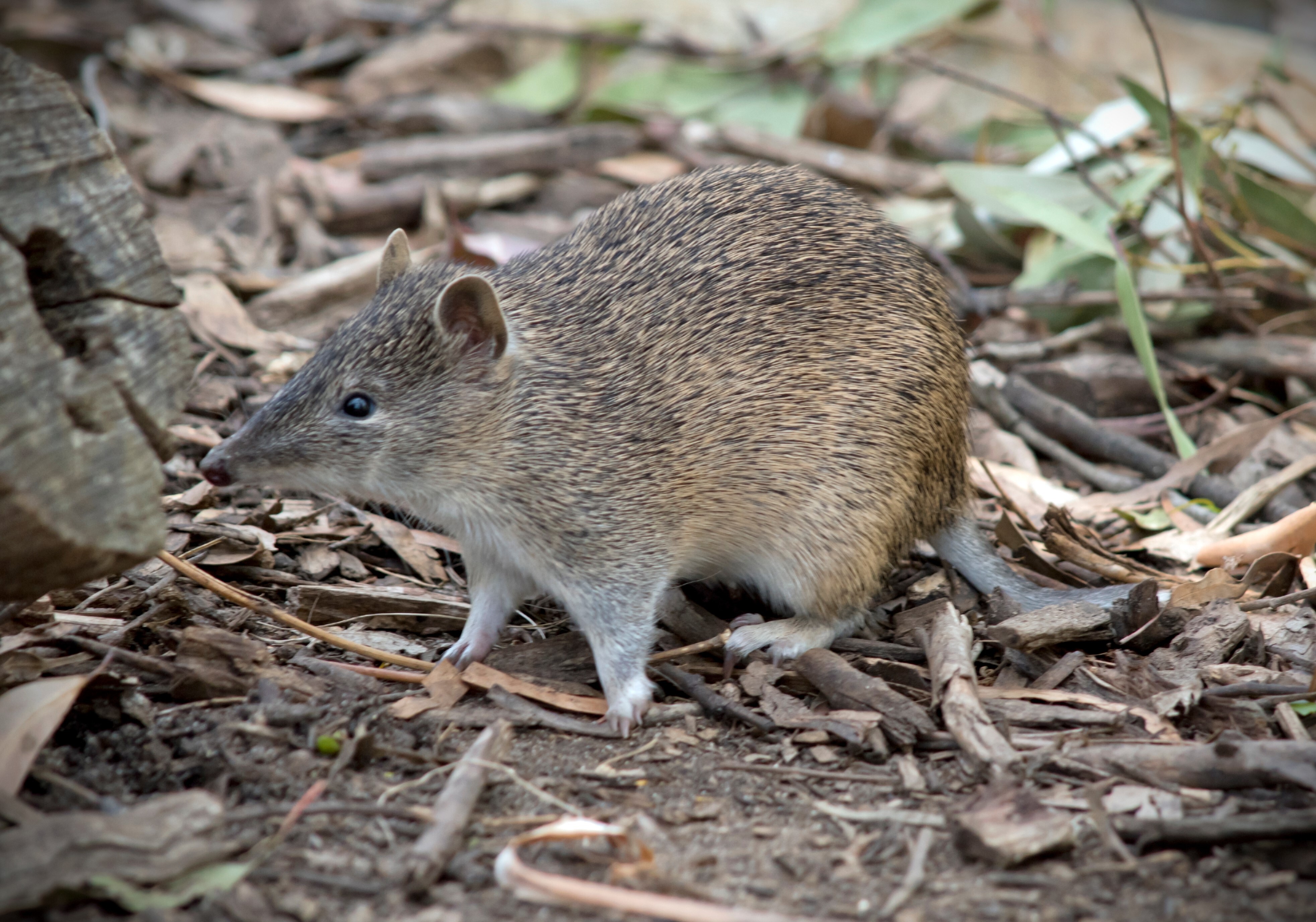
Once common across South Australia, the Southern Brown Bandicoot (Isoodon obesulus) is now the only one of the eight bandicoot species originally found in the state. Habitat loss and fragmentation, predation by cats, dogs and foxes, and increasingly frequent bushfires continue to threaten its survival.
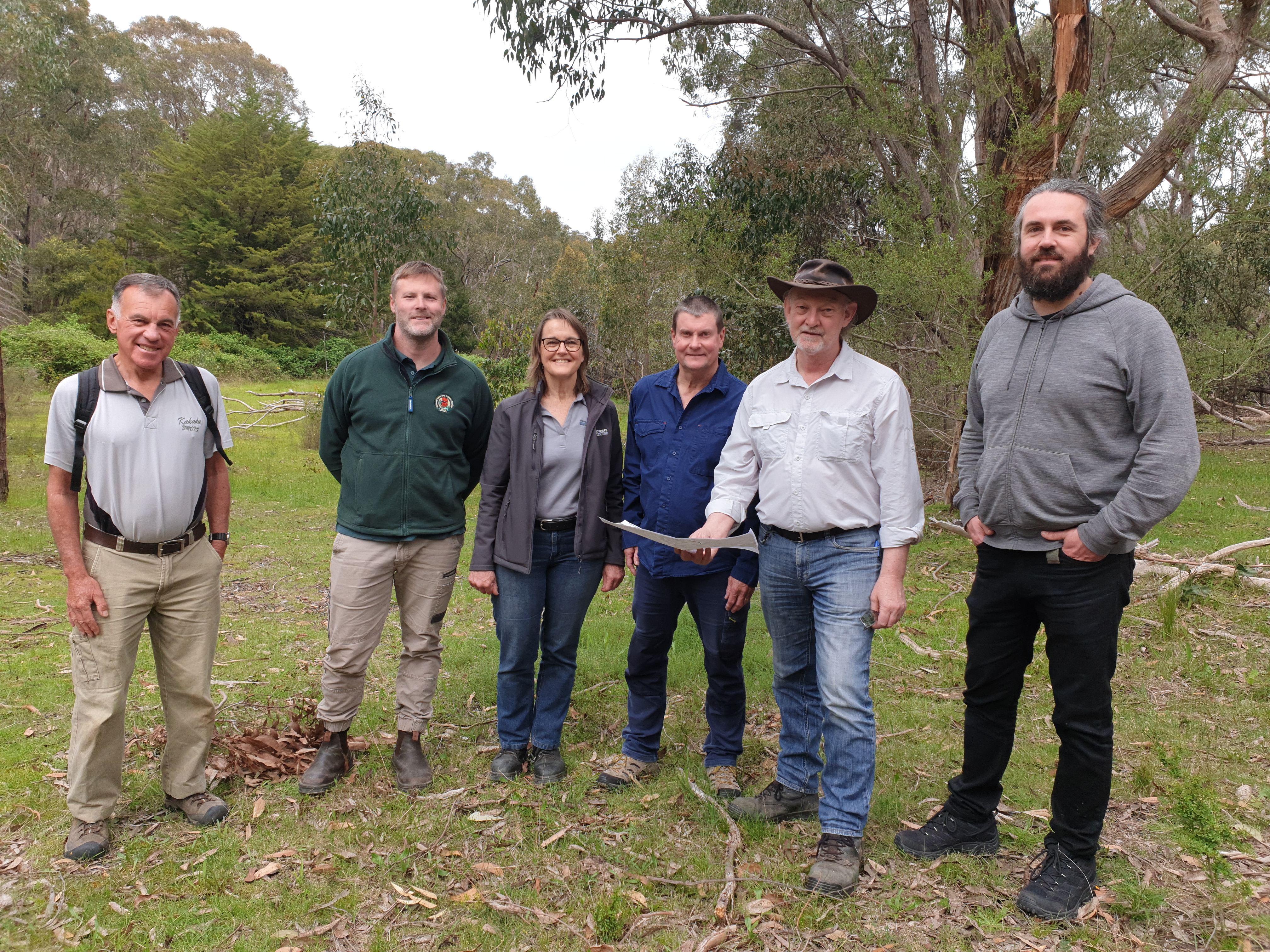
The project brought together Landscapes Hills and Fleurieu, the Sturt Upper Reaches Landcare Group (SURLG), community groups, government agencies, landholders and other partners to protect and reconnect bandicoot habitat and support the species’ recovery.
A partnership between Landscapes Hills and Fleurieu and SURLG secured $250,000 over two years from the Foundation for National Parks & Wildlife, which also supported the development of the project plan.
Why Bandicoots Matter
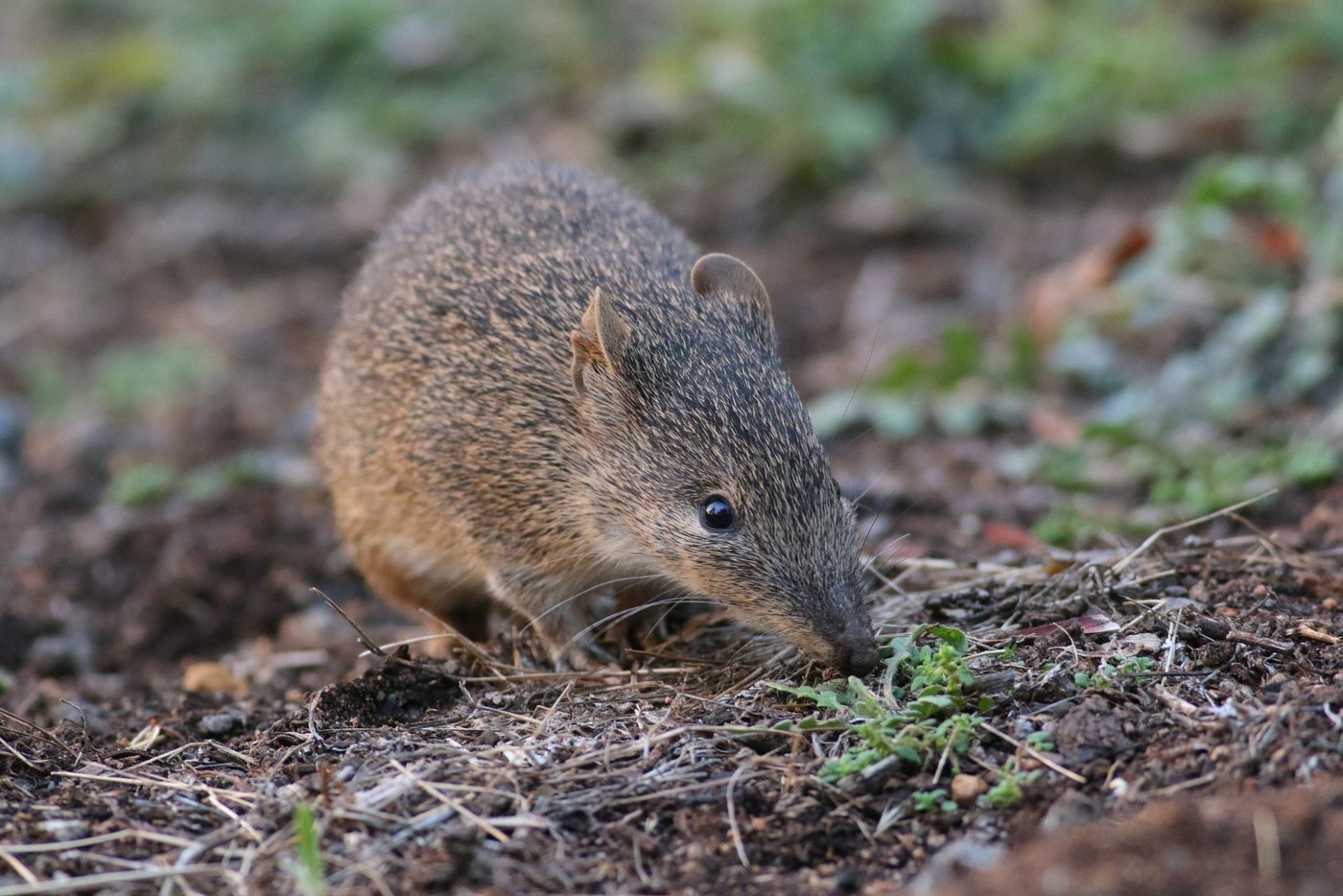
Southern Brown Bandicoots are native, ground-dwelling marsupials that can sometimes be mistaken for rats. They are larger and stockier, with rounded ears, a long pointed nose and a short tail.
They are also important “ecosystem engineers”. Through their foraging, bandicoots can turn over up to four tonnes of soil each year, helping to cycle nutrients and distribute mycorrhizal fungi that support healthy plant growth.
Their digging also creates small pits that collect water and leaf litter, creating favourable conditions for native seeds to germinate.
Building a Bandicoot Superhighway
The long-term vision of the project was an ecologically functional “Superhighway” of connected bandicoot habitat across the Mount Lofty Ranges.
Rather than creating a single corridor, the project focused on protecting and improving existing habitat, reconnecting fragmented areas and supporting a range of recovery actions to give bandicoots a better chance of moving, feeding and breeding safely.
Work included:
- expanding habitat through community and corporate planting
- increasing bandicoot surveys and monitoring through education and training
- using ecological burns to improve habitat
- controlling weeds and installing fencing to protect vegetation
- trialling translocations to expand the species’ range
The Impact
The Bandicoot Superhighway showed what can be achieved when communities, landholders, organisations and government work together to protect a threatened species.
Over the life of the project:
- 110 bandicoot sightings were reported
- 44 hectares of bandicoot habitat was rehabilitated and restored
- 34,669 native seedlings were planted to create habitat
- 6 habitat management workshops and survey training days were held, with more than 200 participants
- 100+ wildlife cameras were deployed across 40+ sites to survey bandicoots
Together, this work helped create better connected, safer habitat for Southern Brown Bandicoots across the Mount Lofty Ranges and strengthened the community’s role in their ongoing recovery.
Resources
 Bandicoot Fact Sheet