H5 Bird Flu: If you notice multiple sick or dead birds or other animals record your location and report it to the 24-hour Emergency Animal Disease Hotline on 1800 675 888.

Stewardship News -
Soil health in practice: listening to what plants tell us
Improving soil health can mean different things to different land managers, from getting more out of a crop in a dry season to building resilience over the long term. Finding practical, evidence based approaches that suit local conditions is a shared challenge across the region.
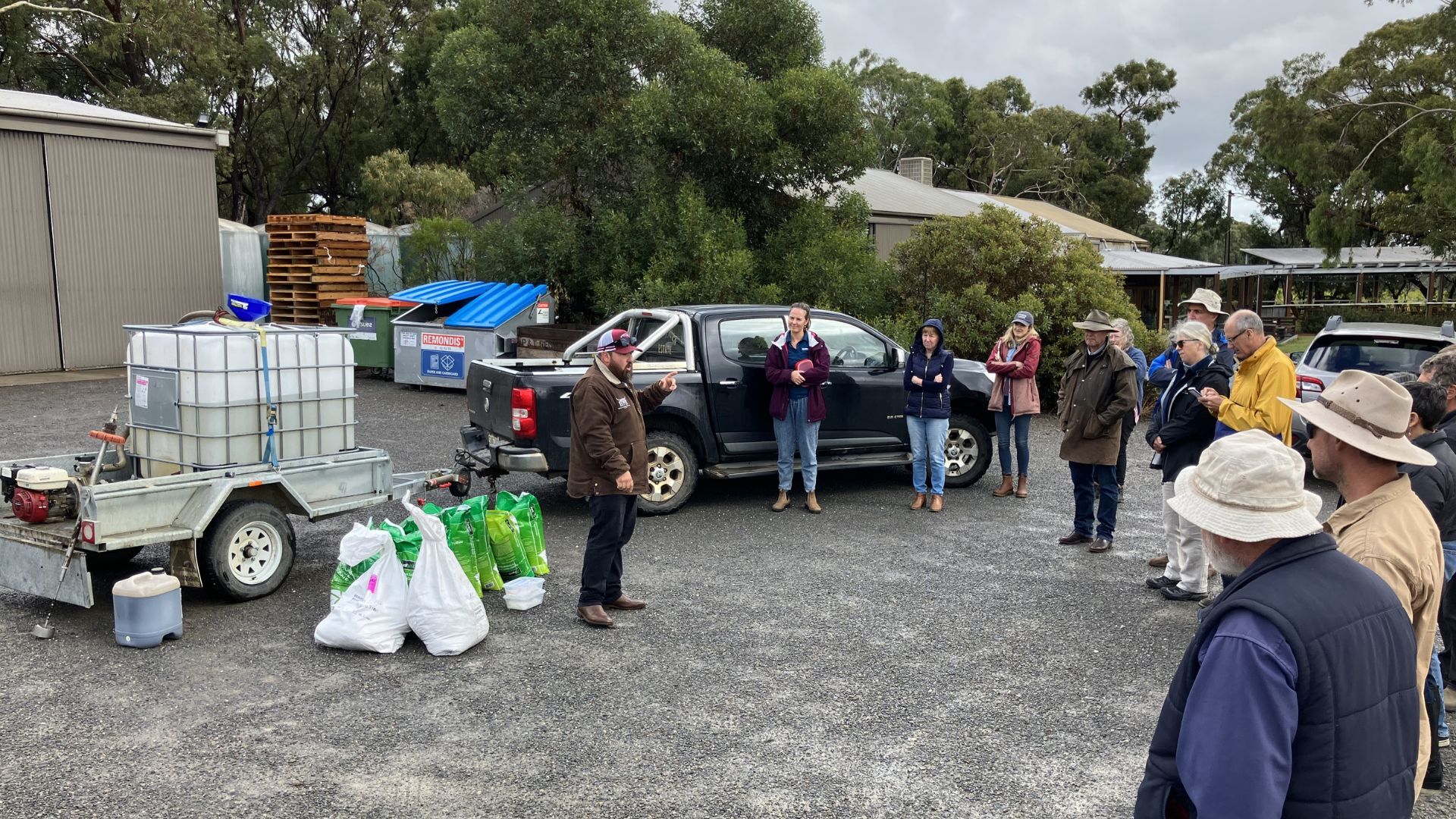
These issues were explored at the Soil Health in Practice workshop held with Future Farmers SA in McLaren Vale in April. The session brought together soil scientist Joel Williams and practitioner Tom Robinson to share perspectives on foliar nutrition, sap testing and how plants respond to seasonal nutrient stress.

Key learnings from the workshop:
1. Start with the basics: what limits plant growth
One of the key starting points was recapping the fundamentals of what limits plant growth. Healthy plants rely on photosynthesis including sunlight, carbon dioxide, water and nutrients. On many farms, water and nutrient availability are the main constraints.
Understanding where those limits sit helps guide more targeted decisions during the growing season, including when foliar nutrition may be useful to deliver nutrients directly to the plant when demand is highest.
2. How do you know what your crop needs? Ask the plant
A plant sap test gives a real time snapshot of nutrient availability inside the plant. Just because a nutrient is present in the soil does not mean the plant can access it. Sap testing shows what is actually missing, allowing you to respond more quickly rather than waiting for visual symptoms or relying solely on soil tests.
3. Using sap results to build a targeted foliar spray
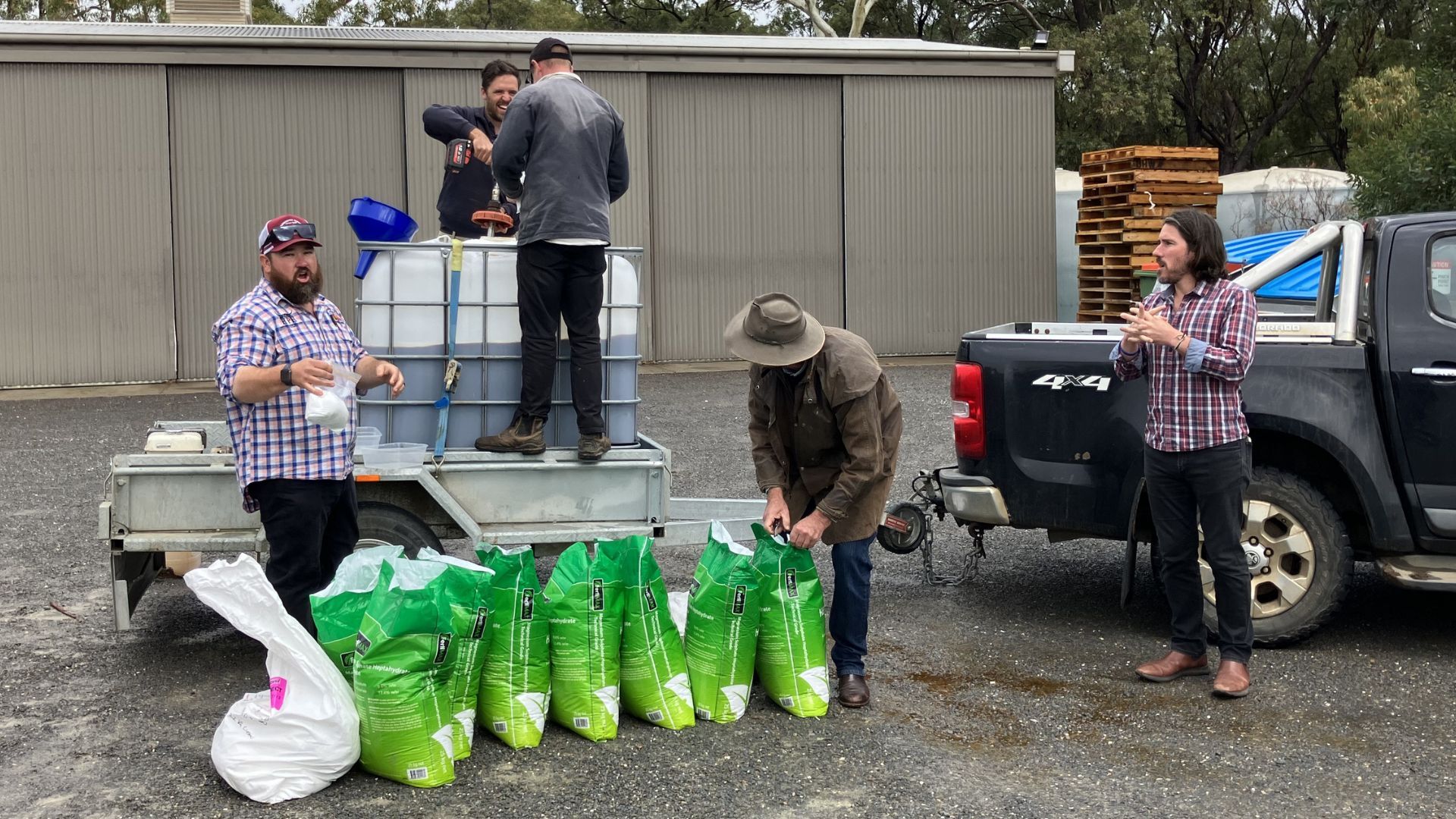
With sap test results in hand, a targeted biological foliar mix can be created. Tom demonstrated how growers can do this on farm. A well designed foliar spray can correct nutrient gaps, boost leaf growth and stimulate root development, all of which contribute to longer term soil health.
Not all products are compatible, so it is important to research products carefully and carry out a simple bottle test by mixing small amounts in a jar before applying anything at scale.
4. Why foliar applications make inputs work harder
Foliar nutrition allows inputs to be used more efficiently by supplying the plant with what it needs at the time it is needed. In many cases, the actual amount required is lower than expected. Improved growth above ground supports stronger root growth below ground. More roots help improve soil structure, water holding capacity and microbial activity.
5. Soil tests still matter
While foliar sprays can be a useful seasonal tool, soil tests remain important for understanding the broader nutrient cycling picture. They help guide longer term decisions and support improvements in soil biology, which can unlock nutrients already present in the soil and reduce reliance on foliar inputs over time.
Keen to try sap testing or foliar mixes on your own property?
- Talk with your local agronomist about sap testing options and whether biological foliar mixes may suit your system.
- Or for information on how to make a compost extract for biological folair applications check out these resources from RCS.
This workshop was supported by the Australian Government through funding from the Natural Heritage Trust under the Climate-Smart Agriculture Program.
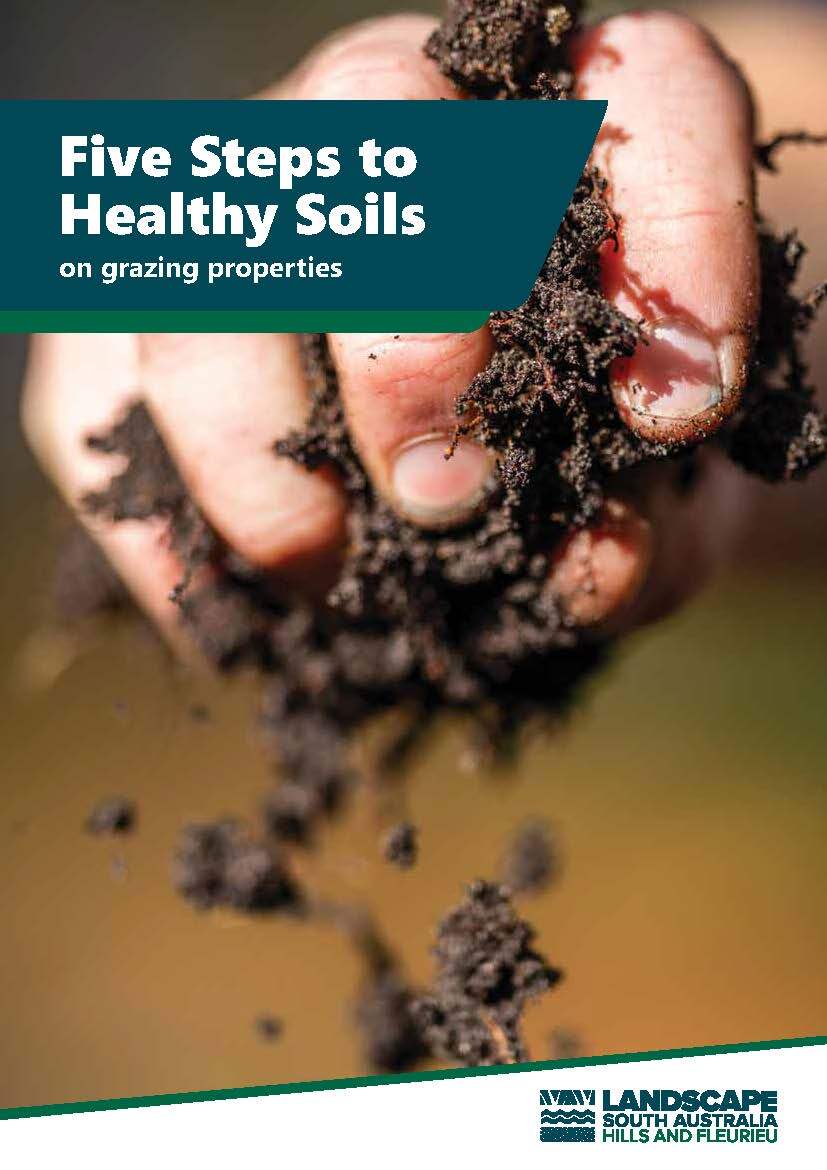
Download the 'Five Steps to Healthy Soils' guide
Our Five steps to healthy soil guide makes it easy to get started with practical advice you can follow at your own pace. Whether you’re managing a small block or a larger property, the guide walks you through understanding your soil, identifying issues and planning your next steps to improve soil health.
Download both and start making a difference on your property today.

Join our next event
Choose an event below for more details, or look at the full listing of upcoming events here.
Explore more