Planning your rabbit control? Find out which control methods you can use this season and what’s changing with K5 calicivirus-treated carrots.

Stewardship News -
Restoring roadside landscapes: Feral olive control in the Bugle Ranges
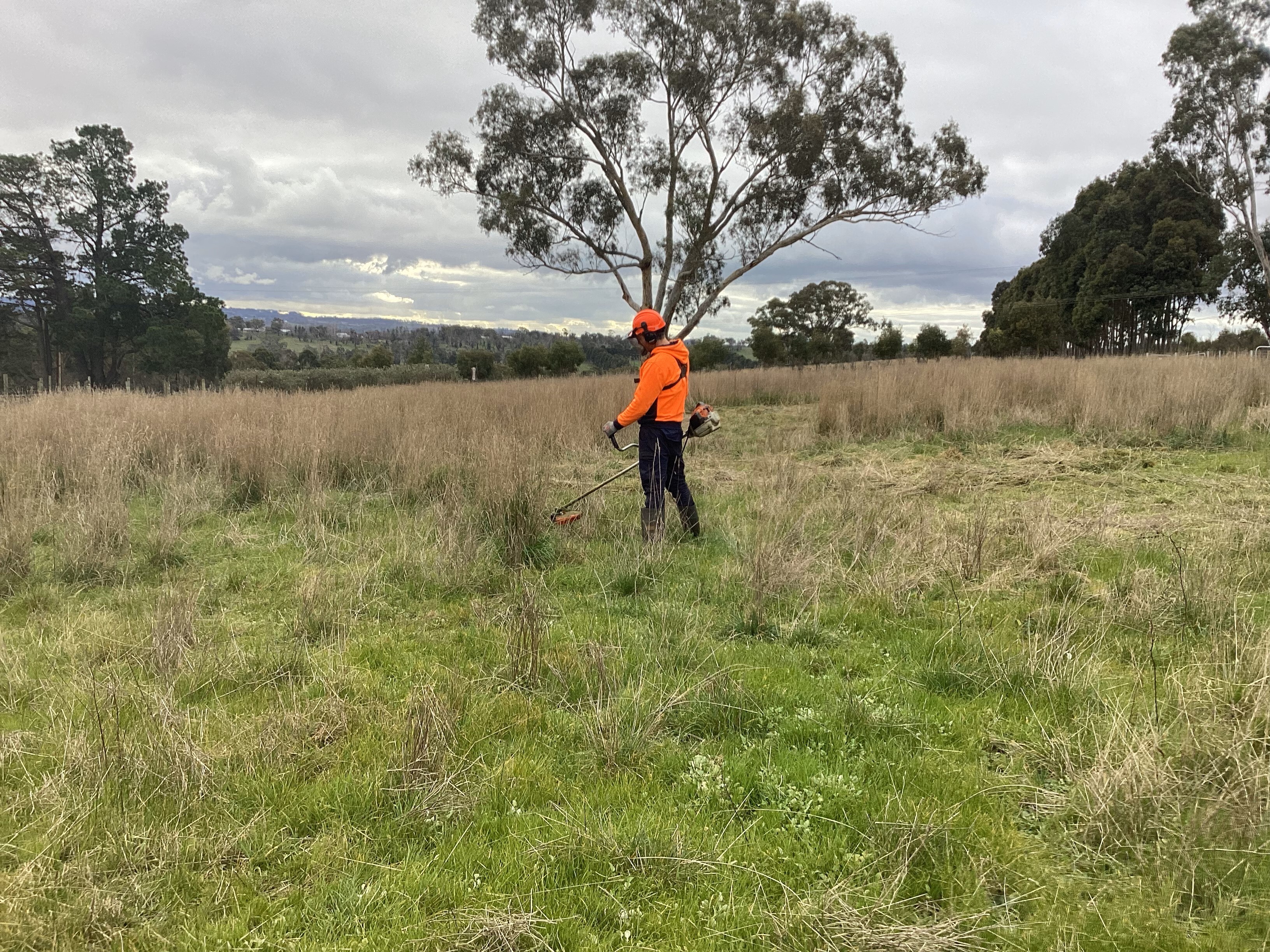
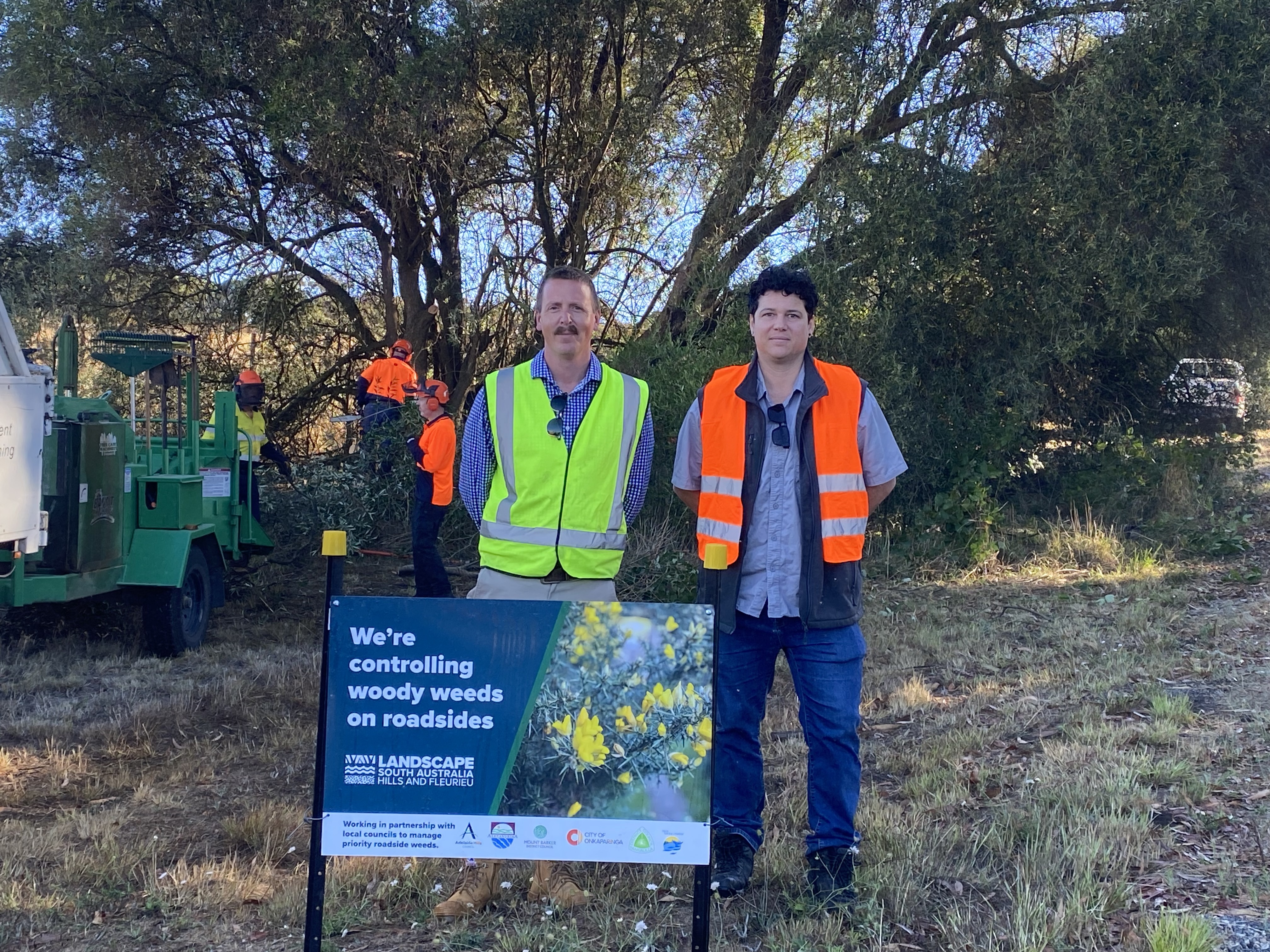
Along a stretch of Stamps Road in the Bugle Ranges, an example of collaborative environmental stewardship is taking shape. What might look like routine roadside maintenance is in fact a carefully coordinated effort to tackle one of the region’s most persistent pest plants: feral olive trees.
This project highlights what’s possible when multiple stakeholders work together with a shared purpose - protecting the environment, reducing fire risk, and preserving the health of native ecosystems.
“Feral olives are a declared weed, and their control is not just good practice - it’s a responsibility,” said Senior Stewardship Officer Charlie Balestrin.
“This collaborative roadside weed control program between Landscapes Hills and Fleurieu and the Mount Barker Council demonstrates how when agencies work together, we can deliver meaningful outcomes.”
Protecting native species
One of the key outcomes of feral olive removal is the protection of significant native trees, including large rough-barked manna gums and other eucalypt species. Previously, dense infestations of feral olives were smothering these trees, competing for resources and threatening their long-term health.
“With the olives removed, these iconic gums now have the space and conditions they need to thrive,” said Mr Balestrin.
“This not only supports biodiversity but also helps preserve the character and ecological value of the region.”
Reducing fire risk
Beyond environmental benefits, fire mitigation has been a major driver of this project. Feral olives are highly flammable, especially when they grow densely and connect with the canopy of native trees. This creates a dangerous fuel ladder that can escalate fire intensity and spread.
“By removing these infestations, the overall fuel load has been significantly reduced, making the area safer for both nature and the community,” said Mr Balestrin.
Creating space for regeneration
With the pressure of invasive species lifted, the landscape now can recover naturally. Native vegetation, including young gum trees, can regenerate without competition, and there is also potential for targeted revegetation with local native species where appropriate.
A call to landholders
This project is a reminder that everyone has a role to play. If you’re a landholder interested in managing feral olives on your property, now is the time to get involved. Reach out to Landscapes Hills and Fleurieu and be part of a growing effort to restore and protect our region.
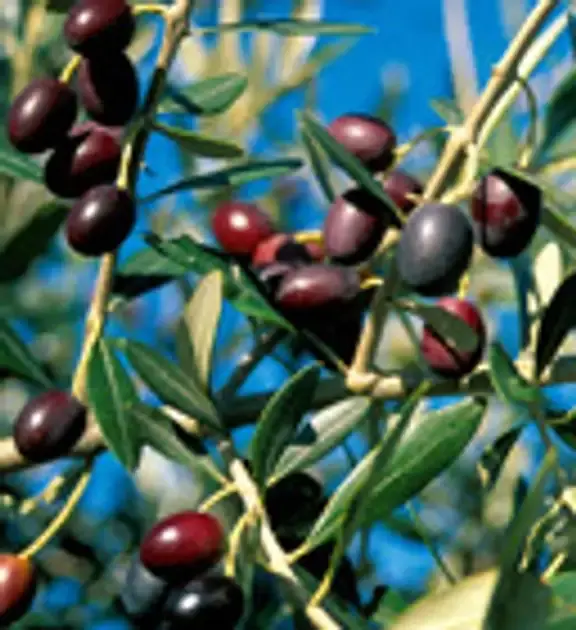
Need help managing feral olives?
This project is a reminder that everyone has a role to play. If you’re a landholder interested in managing feral olives on your property, our fact sheets and guides makes it easy to get started with practical advice you can follow at your own pace.