H5 Bird Flu: If you notice multiple sick or dead birds or other animals record your location and report it to the 24-hour Emergency Animal Disease Hotline on 1800 675 888.

Stewardship News -
Weed Alert: Chincherinchee
Keep your eyes peeled for chincherinchee
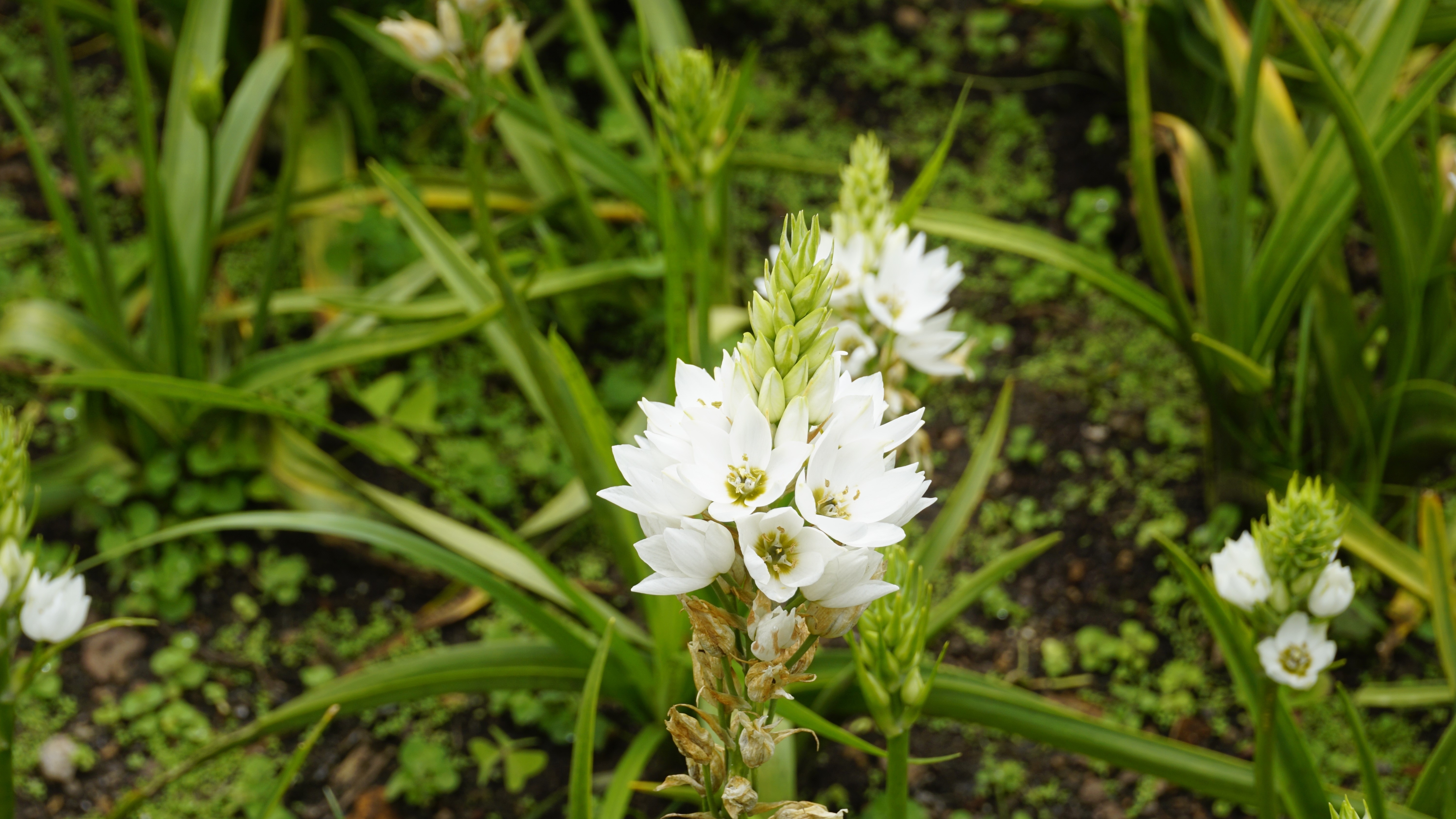
Keep a look out for the emergence of the green, grass-like foliage of chincherinchee (also known as Star of Bethlehem, Ornithogalum thyrsoides). This is a priority emerging weed that has escaped from gardens and can quickly invade pastures and native vegetation.
While its white flowers are attractive in spring and early summer, chincherinchee is toxic to livestock and can impact pasture productivity if left unmanaged. Early control is important. Target plants before flowering to prevent bulbs and seed from spreading further.
Control can be achieved by carefully spot spraying or wiping leaves using appropriate herbicide methods, or by physical removal. Alternatively, bulbs can be hand-dug, and any flowering stems removed before seed set. Dispose of plants carefully by double bagging and placing in your general waste bin (not green waste) to avoid further spread.
For larger infestations, slashing or brush cutting at early flowering (before buds open) can help contain spread, but follow-up control will be required. Ongoing monitoring is essential, as control may need to be repeated each year until the bulb and seed bank is exhausted.
 Chincherinchee fact sheet

Seen Chincherinchee? Let us know!
Help us protect the Hills and Fleurieu region by reporting priority weeds that pose a serious risk to agriculture, biodiversity and our landscapes.