Planning your rabbit control? Find out which control methods you can use this season and what’s changing with K5 calicivirus-treated carrots.

Stewardship News -
Spring woody weed control
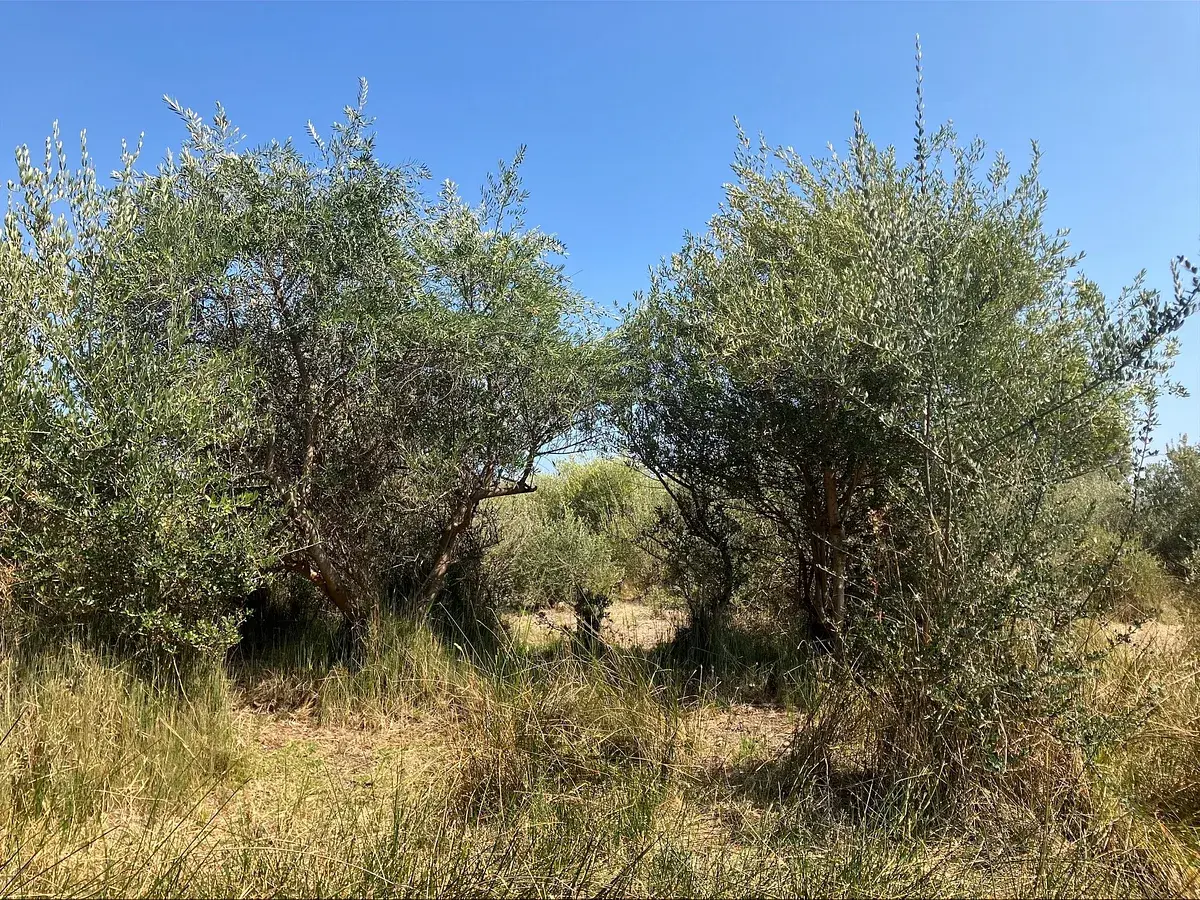
Spring is the ideal time to start tackling woody weeds on your property before the fire danger season arrives. Across the Adelaide Hills and Fleurieu region, invasive woody weeds such as gorse, broom, blackberry, boneseed and olives can increase bushfire risk by creating dense, flammable vegetation around homes, fences, roadsides and valuable native habitat.
Effective woody weed control not only helps reduce fuel loads but also improves biodiversity, protects productive land and supports healthy ecosystems. The key is to start early and take a long-term approach. Successful management often requires a combination of methods, including manual removal, herbicide application, biological control, grazing or follow-up monitoring to prevent reinfestation.
Every property is different, and factors such as terrain, erosion risk, access and nearby native vegetation should be considered when planning control activities. Removing weeds without a plan can sometimes create unintended impacts, so it's important to choose methods suited to your site and the target species.
As you prepare your property for summer, consider whether woody weeds could be contributing to bushfire risk. Taking action in spring can help create a safer property, protect environmental values and support your broader Bushfire Survival Plan.
Keen to learn more? Sign up to our Bushfire Preparedness: Woody Weed Control workshop on 20 November in Torrens Vale.

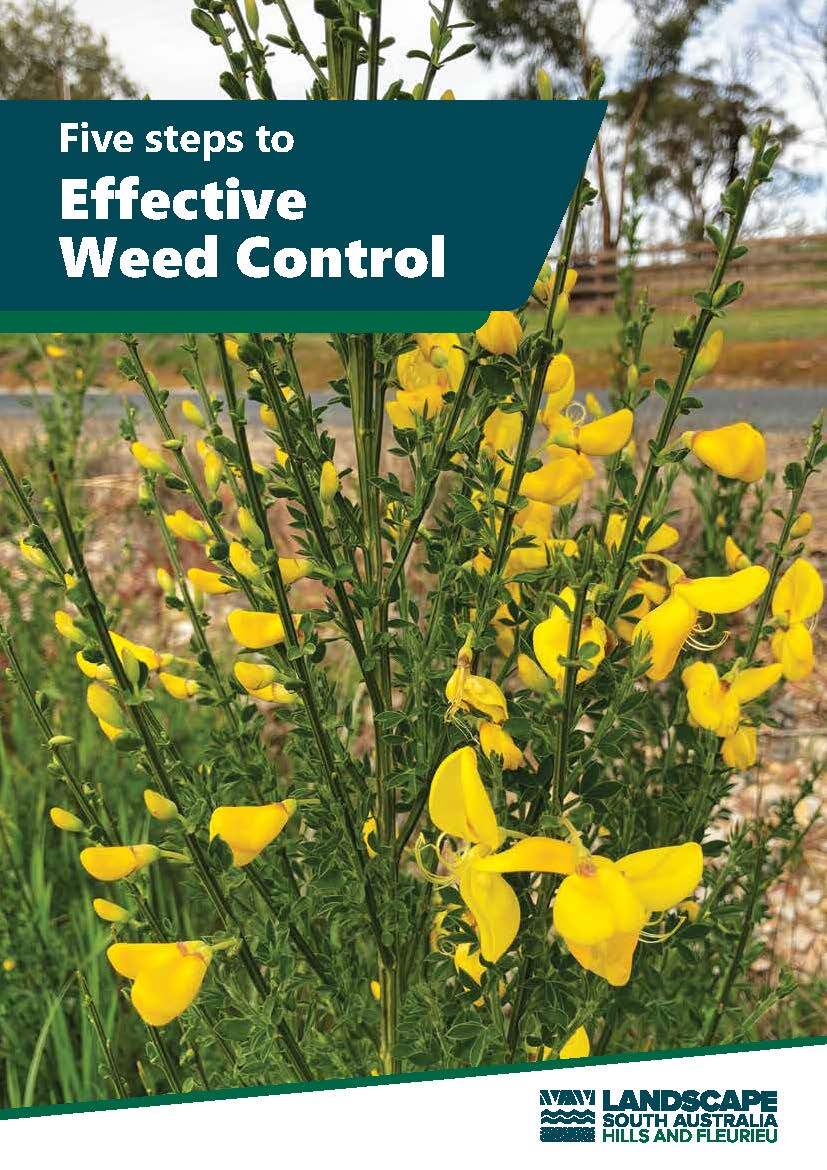
Download the Five Steps to Effective Weed Control guide
Weeds are a common challenge across our region, affecting many landowners and managers. From woody shrubs to invasive bulbs, these plants threaten property health, native wildlife, and biodiversity.
By tackling weeds together, we can protect native vegetation, support local ecosystems, and keep our landscapes healthy for generations to come.