Planning your rabbit control? Find out which control methods you can use this season and what’s changing with K5 calicivirus-treated carrots.

Stewardship News -
How to test for soil compaction
Soil compaction can be a hidden barrier to productive and healthy soils. It occurs when soil particles are pressed tightly together, reducing the pore spaces that allow air, water and roots to move through the soil. Compaction is commonly caused by machinery traffic or livestock moving across wet ground and can result in restricted root growth, poor crop or pasture establishment, reduced water infiltration and lower yields.
Testing for Soil Compaction
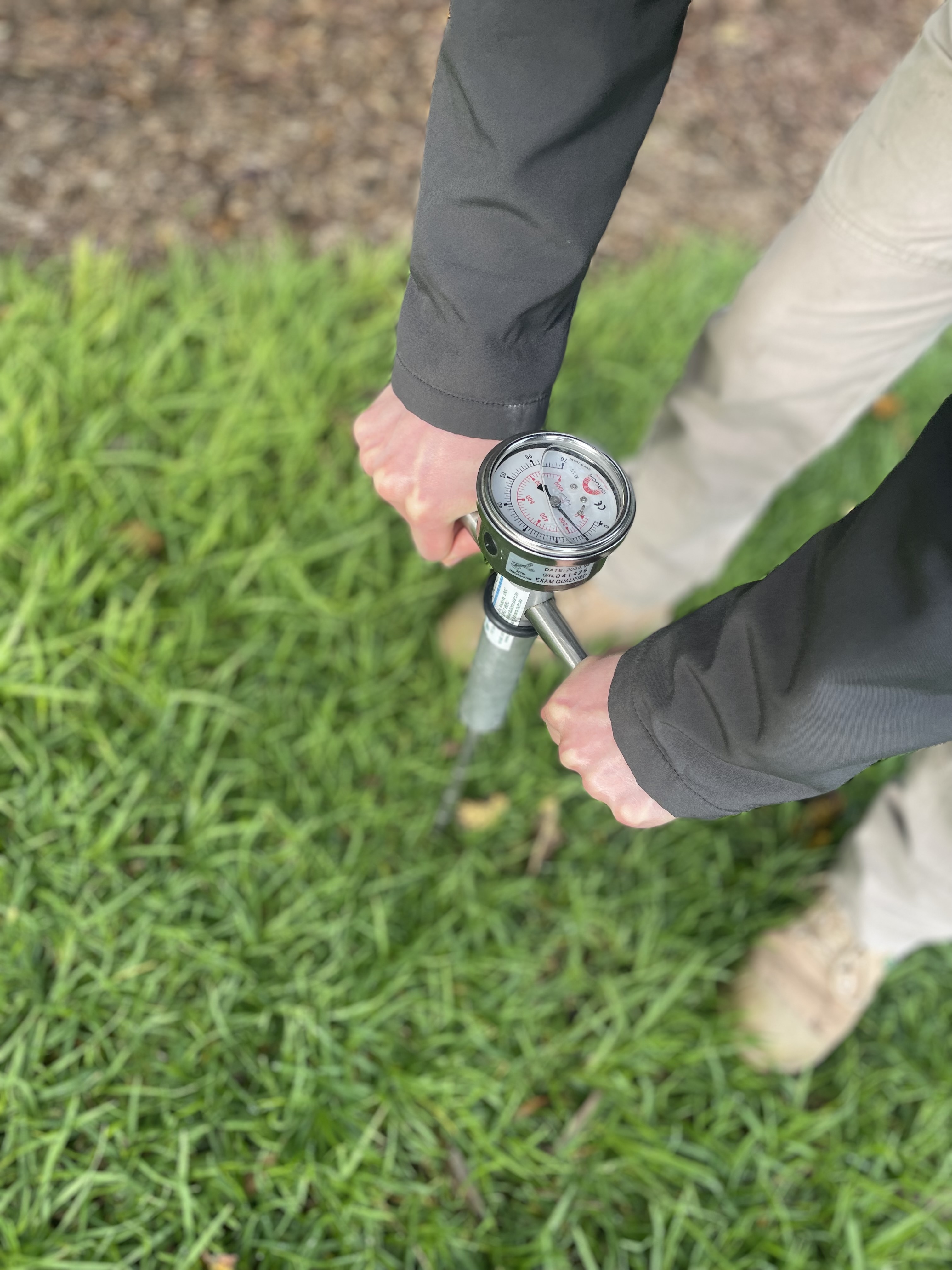
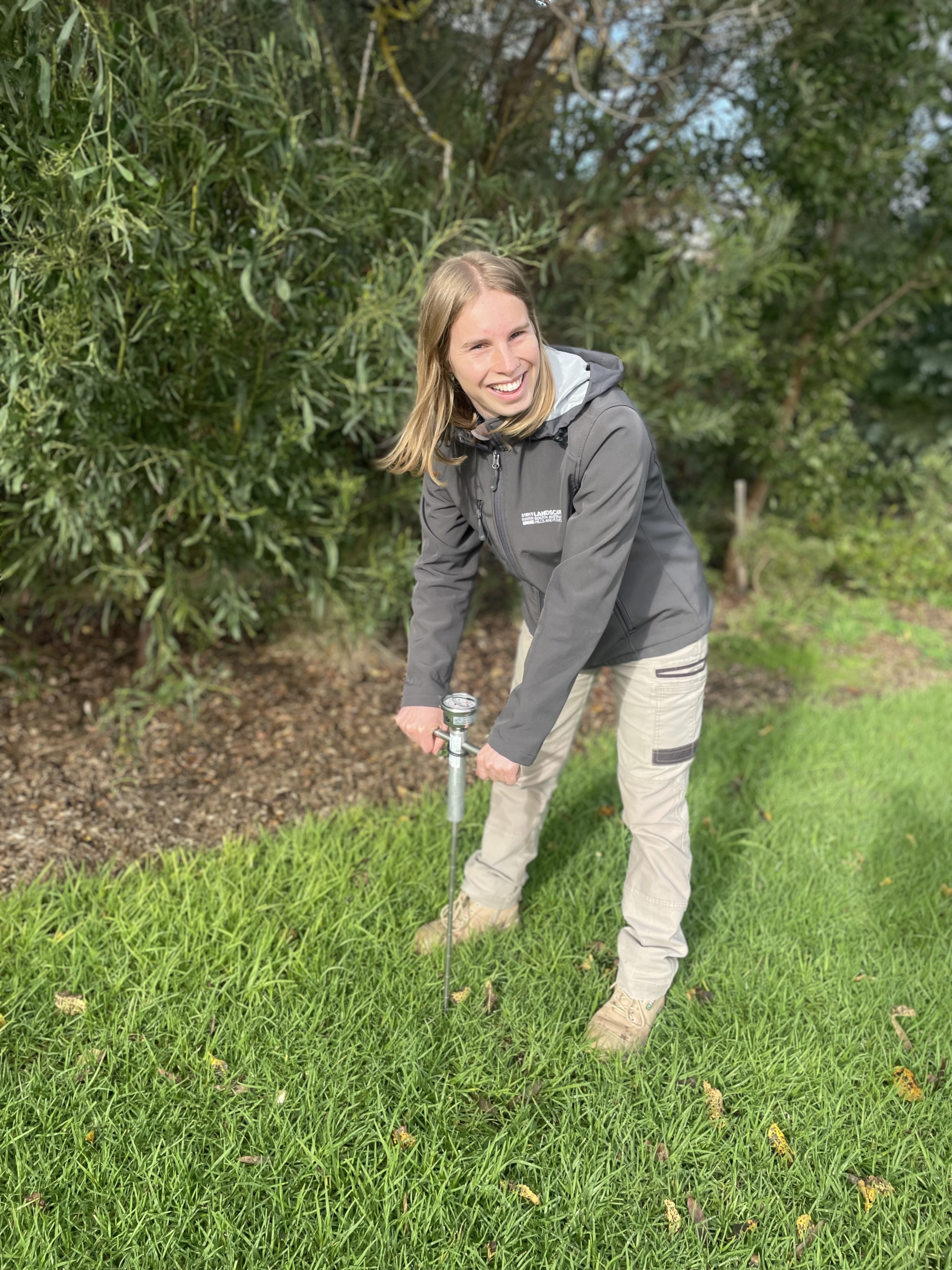
One of the simplest ways to assess compaction is by using a penetrometer, although a steel rod with a pointed end can be just as effective.
To test your soil:
- Choose a time when the soil is moist, but not waterlogged.
- Push the penetrometer or steel rod into the soil using steady, even pressure.
- Note any depths where resistance suddenly increases, as this may indicate a compacted layer.
- Look for signs of restricted root growth if examining a soil pit or exposed roots.
- Repeat the test in several locations across the paddock to identify any patterns.
Preventing Soil Compaction
Preventing compaction is far easier - and often more cost-effective - than trying to fix it later.
Practices that help reduce the risk of compaction include:
- Controlled traffic farming, which keeps heavy machinery on designated wheel tracks and limits the area affected by traffic.
- Rotational grazing, which helps maintain ground cover and reduces pressure on soil surfaces.
- Avoiding machinery operations and intensive grazing when soils are wet and most vulnerable to compaction.
What to learn more?
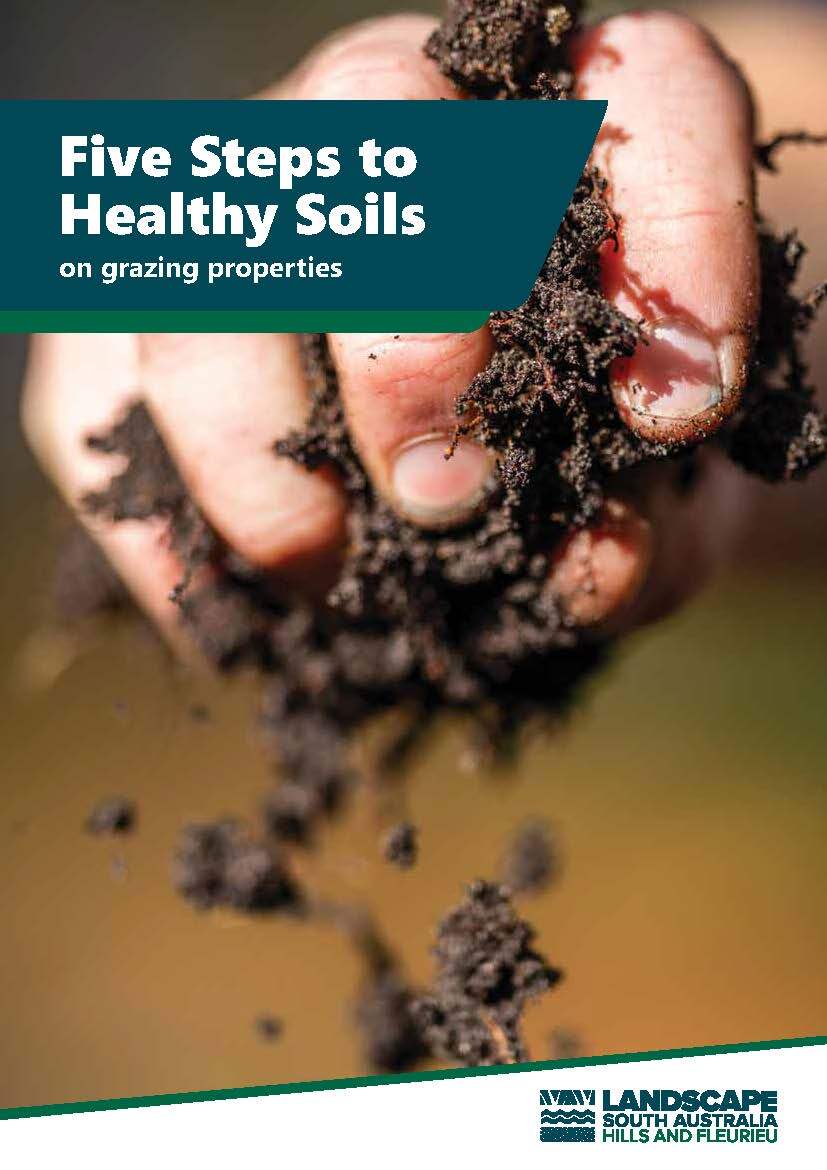
For more information on assessing and managing soil compaction, visit our Caring for Soils and our Five Steps to Healthy Soils guide. These resources provide practical advice to help you maintain soil structure and support productive, resilient farming systems.