Planning your rabbit control? Find out which control methods you can use this season and what’s changing with K5 calicivirus-treated carrots.

Stewardship News -
Healthy rivers start on healthy farms
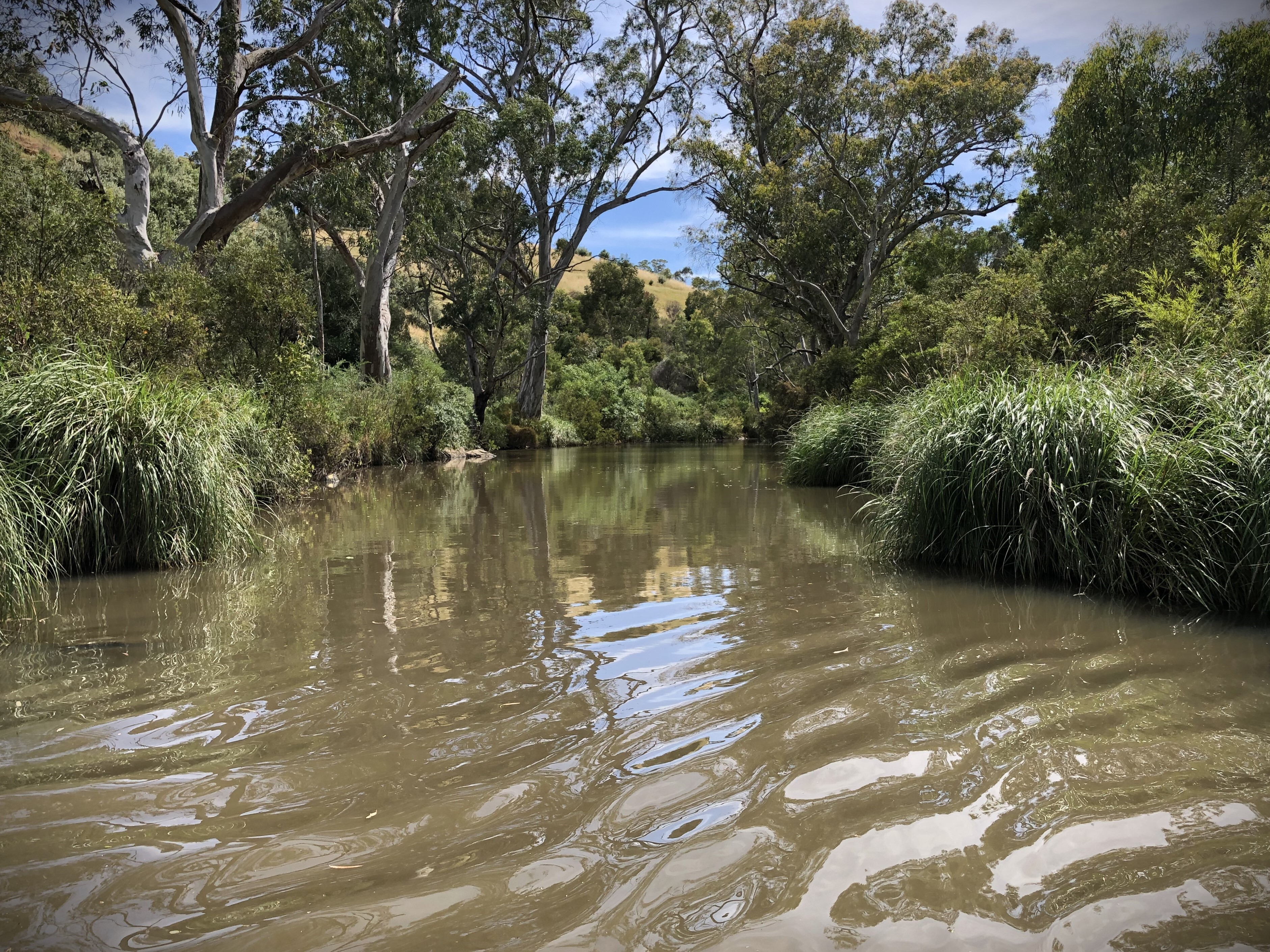
Watercourses are a vital part of our landscapes. Many traverse private properties, giving landholders a direct role in protecting water quality. When nutrients and soil leave the farm through runoff, they don’t just disappear. They end up in our waterways, affecting water quality downstream.
Working with land managers across the region, Sustainable Agriculture Facilitator Donna Bartsch at Landscapes Hills and Fleurieu is encouraging landholders to think about how their decisions affect water quality beyond their property.
“The way landholders manage their paddocks, hillsides and pastures directly influences the health of our waterways,” she said. “Nutrients and organic matter belong on the land, where they build soil, support plant growth and contribute to farm productivity – not in rivers, where they increase contamination.
“There are a number of actions farmers can take which benefits the land, rivers and their bottom line.” They include:
1. Maintain year‑round groundcover
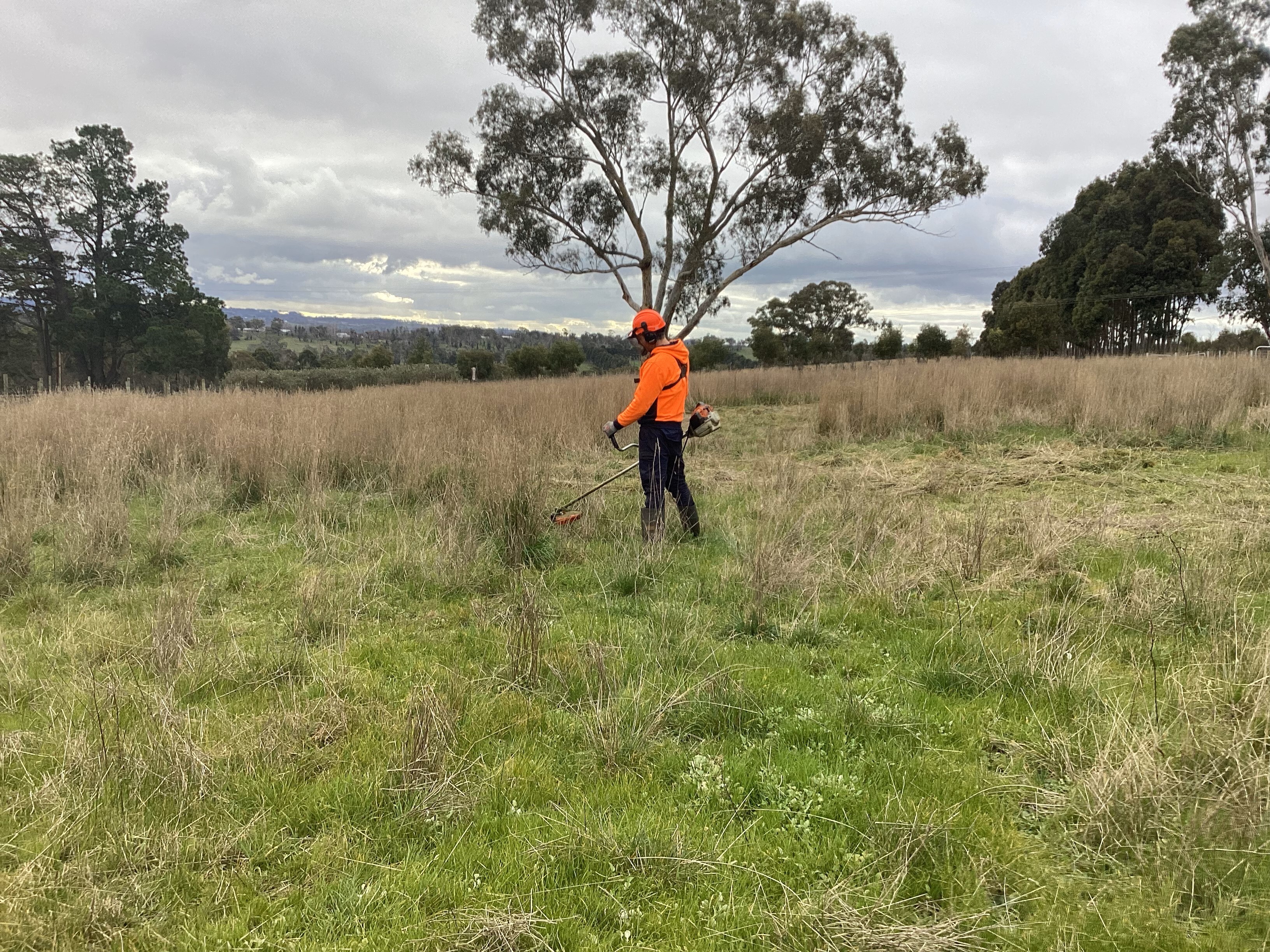
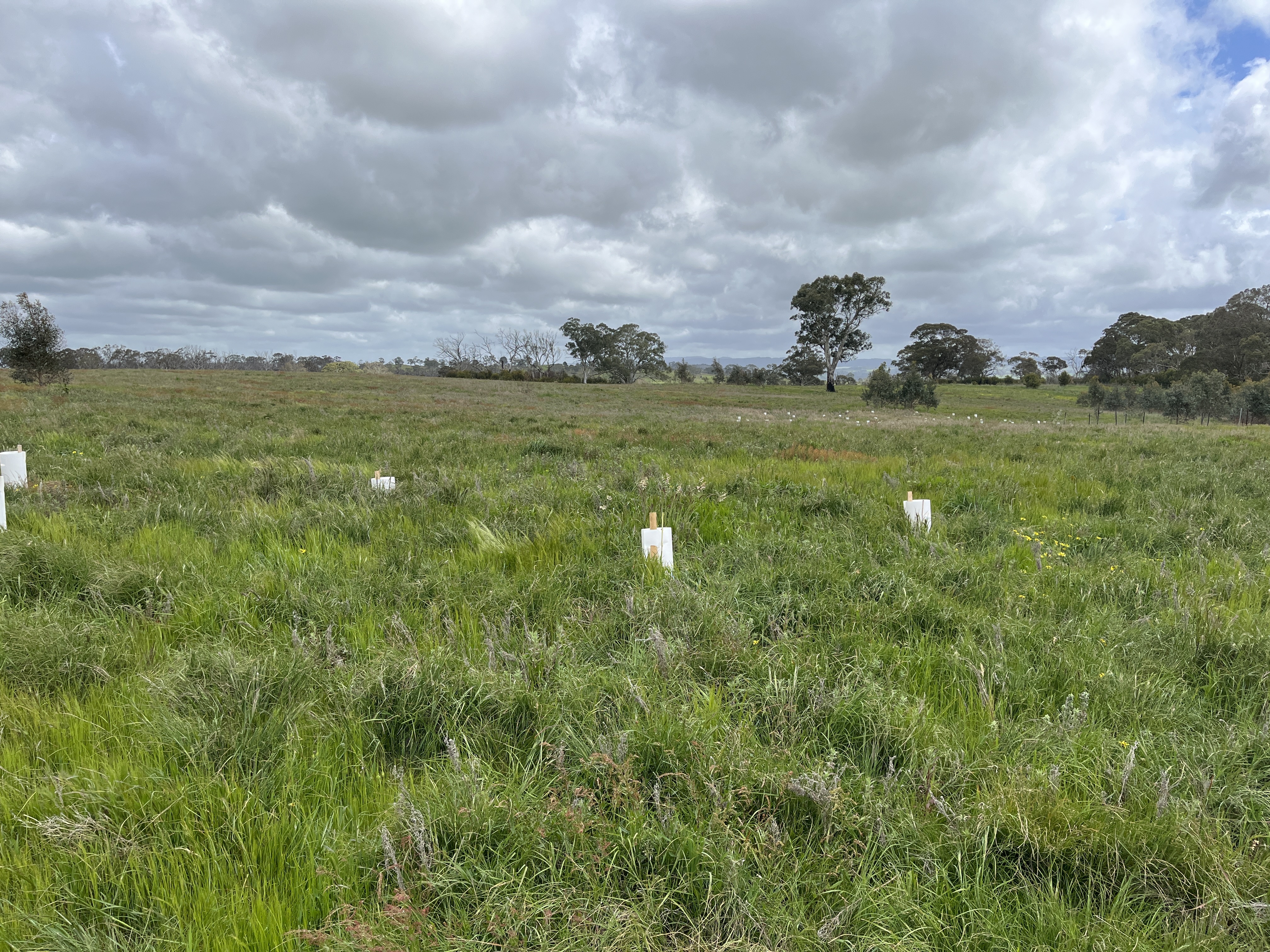
A diverse mix of living plants, especially perennial pastures, creates surface roughness that slows water movement. Because water is the main carrier of nutrients, slowing its flow allows more nutrients to infiltrate the soil rather than wash into rivers. Aim for at least 70% groundcover year-round (or 90% groundcover on sloping land), with particular attention in late summer and early autumn. Managing pastures for rest and recovery is essential to keeping groundcover resilient and productive.
2. Support dung beetle activity
Dung beetles are powerful allies. A single beetle can bury up to 250 times its body weight in dung overnight, helping move nutrients underground, improving soil structure and reducing runoff of faecal matter into waterways.
To encourage strong beetle populations, focus on reducing unnecessary chemical use (especially drenches), maintain groundcover to support beetle habitat, improve soil health through organic matter and biological activity and use rotational grazing to spread the dung more evenly. Different beetle species are active at different times of year; a mix of species will help maintain year-round dung burial.

3. Apply fertiliser using the 4Rs and sap tests
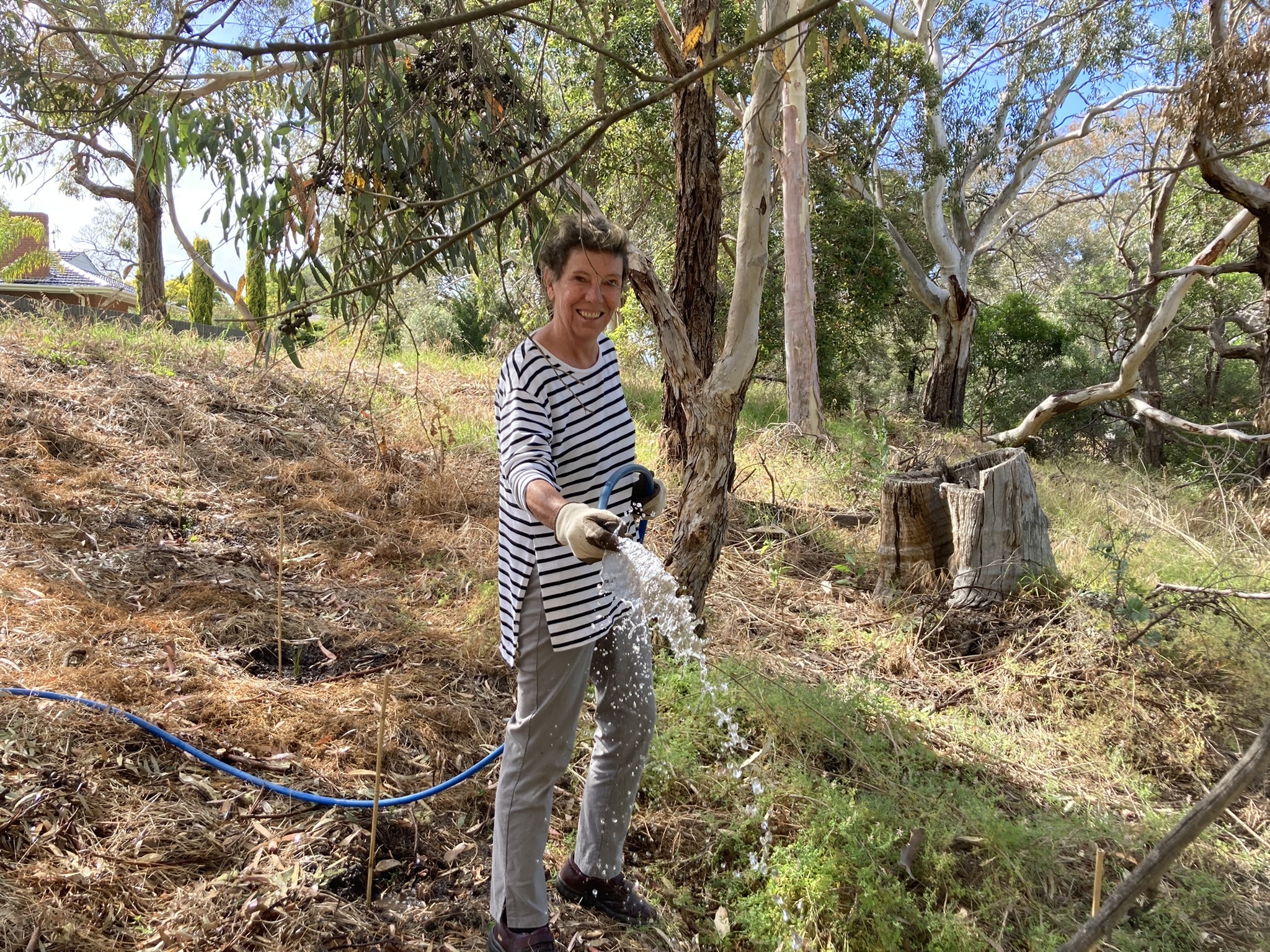
Best‑practice fertiliser management; right source, right rate, right time, right place, helps ensure plants receive what they need without oversupplying nutrients. Using plant sap tests alongside soil tests provides a clearer picture of what nutrients plants need. When fertiliser is matched to plant needs, less nutrient is lost to waterways, more nutrient is converted into productive growth and fertiliser costs can be reduced over time.
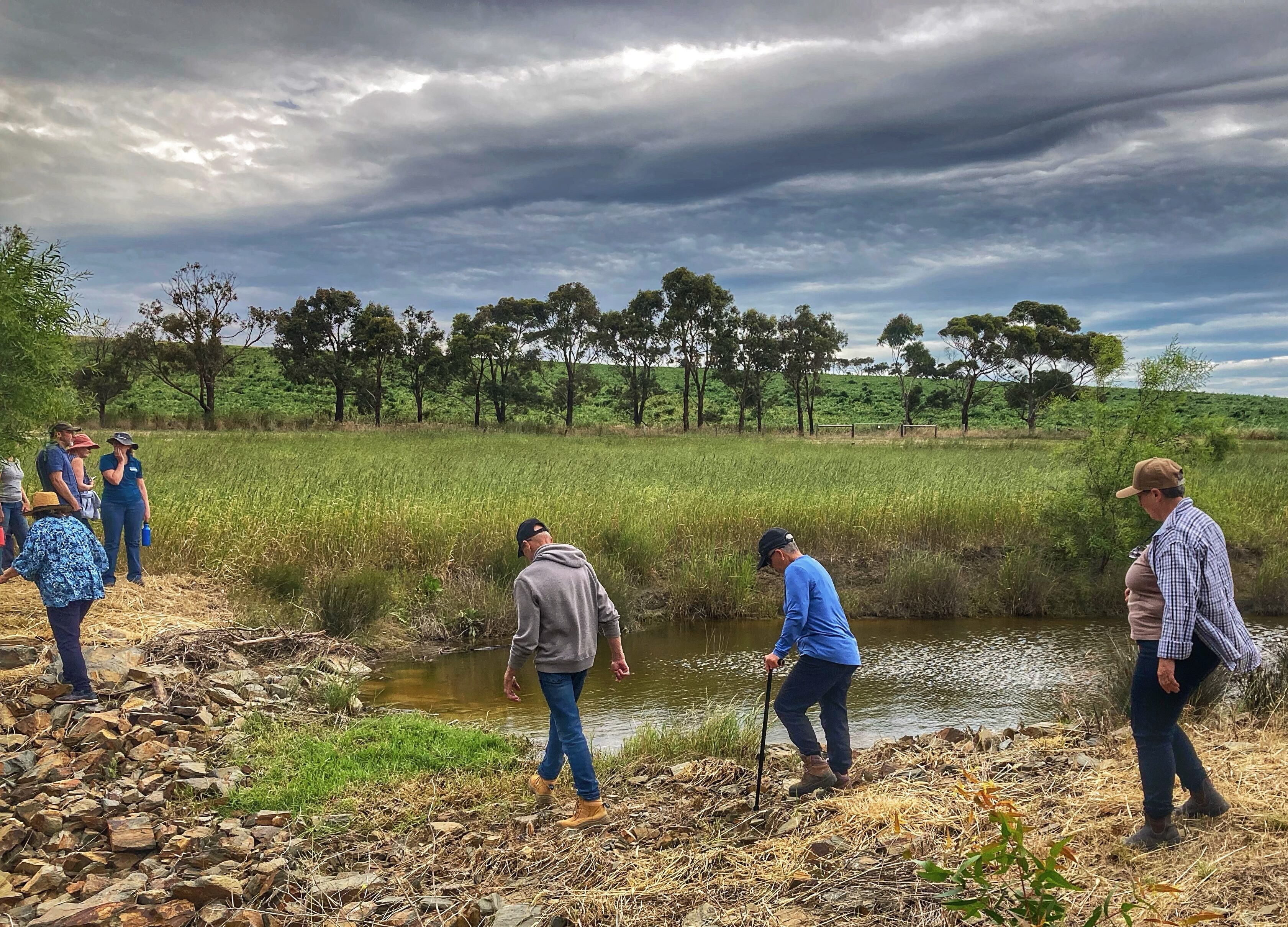
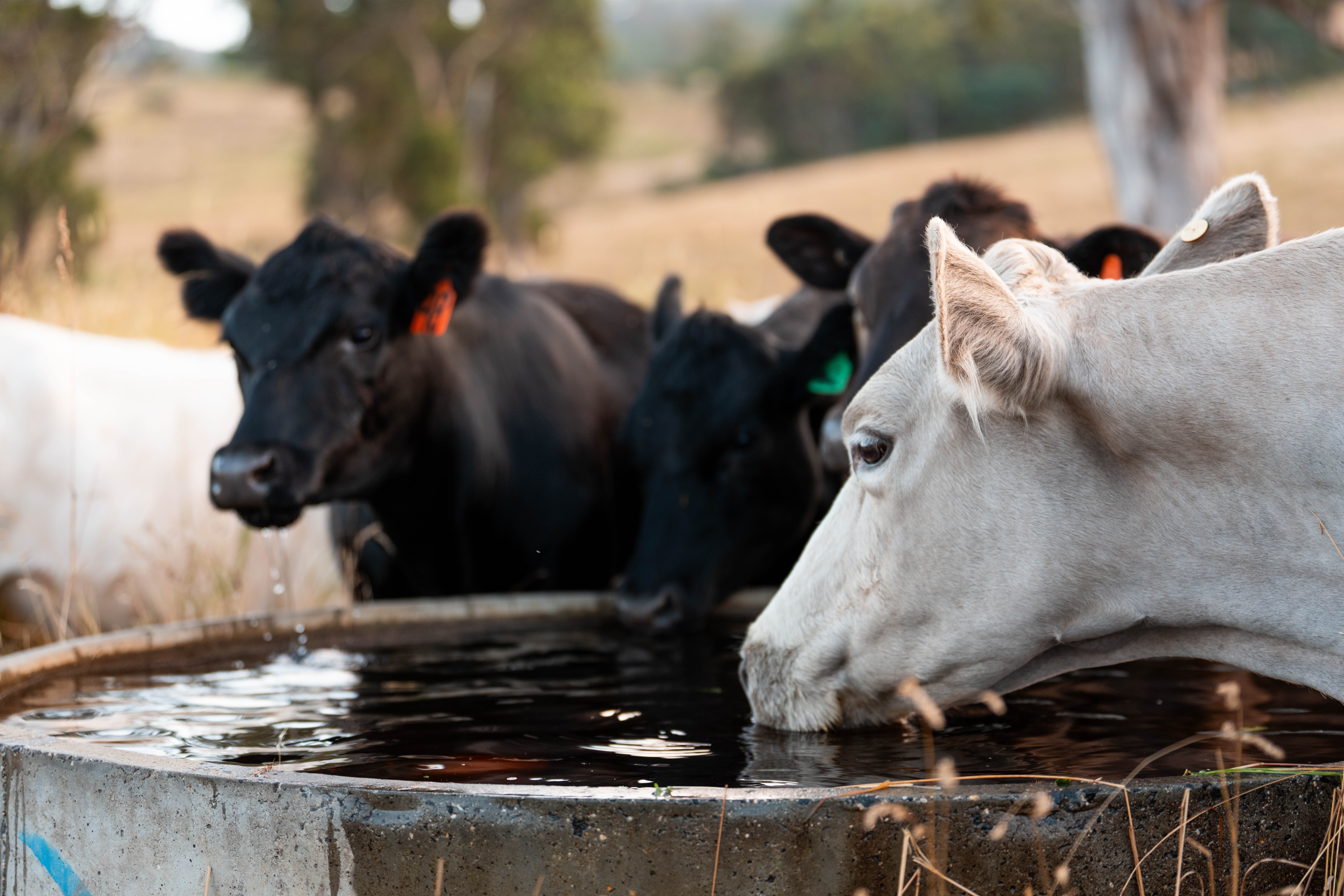
Ms Bartsch also encouraged thinking longer-term. “If thinking about actions closer to the river and/or longer-term investments, fencing and revegetating native species in a 30-50 metre buffer zone along watercourses is worth considering as it provides multiple benefits: reduces stock access and faecal contamination, captures runoff before it reaches the river, stabilises banks and reduces erosion, creates shade and wind protection for livestock and provide habitat for native fish, birds and macroinvertebrates,” she said.
“Healthy rivers support biodiversity, recreation and community wellbeing; but they also reflect healthy, well‑managed farms.
“By adopting practices that keep nutrients and organic matter where they belong, landholders can improve waterway health while strengthening the productivity and resilience of our agricultural landscapes.”
Sustainable Agriculture Facilitators are supported by the Australian Government through funding from the Natural Heritage Trust under the Climate-Smart Agriculture Program.
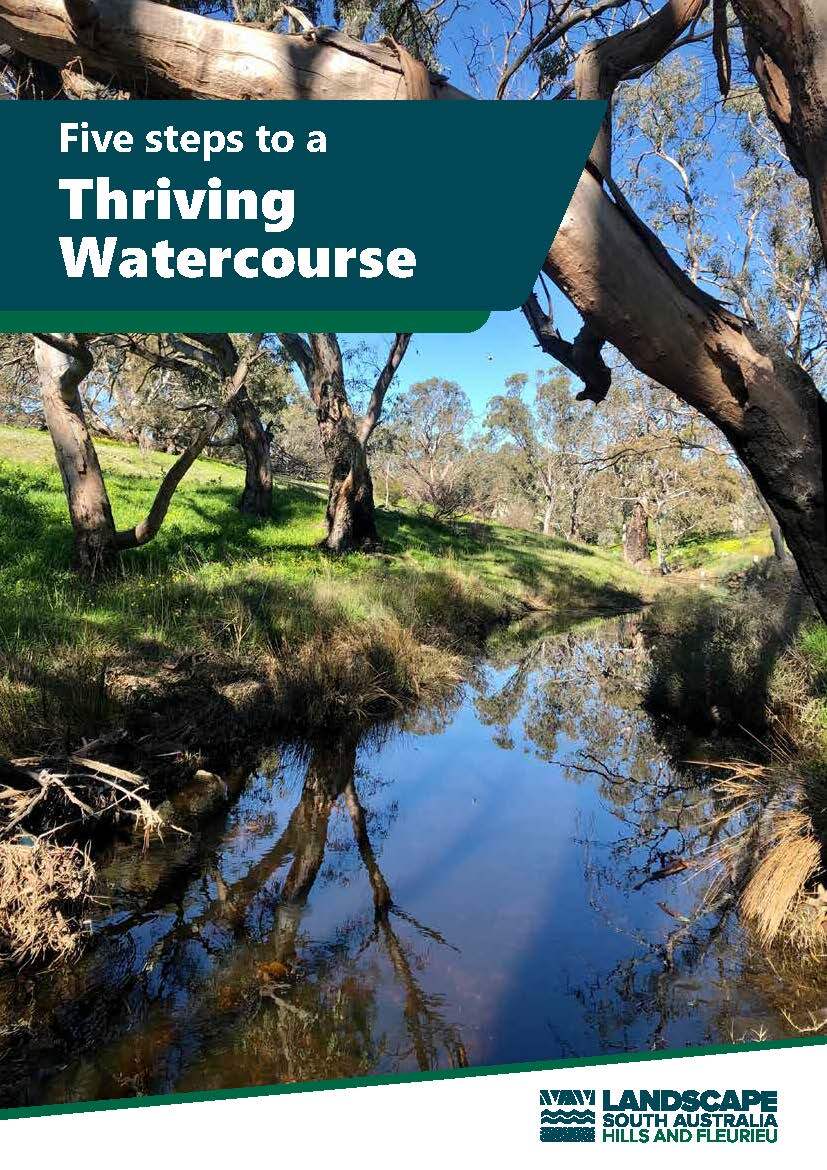
Download the 'Five Steps to a Thriving Watercourse' guide
A healthy watercourse doesn’t happen by accident, it comes from consistent, practical care. Our Five Steps to a Thriving Watercourse guide gives you simple, actionable advice you can follow at your own pace. Whether you manage a small block or a larger property, the guide walks you through essential topics such as erosion control, fencing, revegetation, and sediment management to help protect your watercourse.