H5 Bird Flu: If you notice multiple sick or dead birds or other animals record your location and report it to the 24-hour Emergency Animal Disease Hotline on 1800 675 888.

Stewardship News -
Communities tackle gazanias, the region's notorious garden escapees
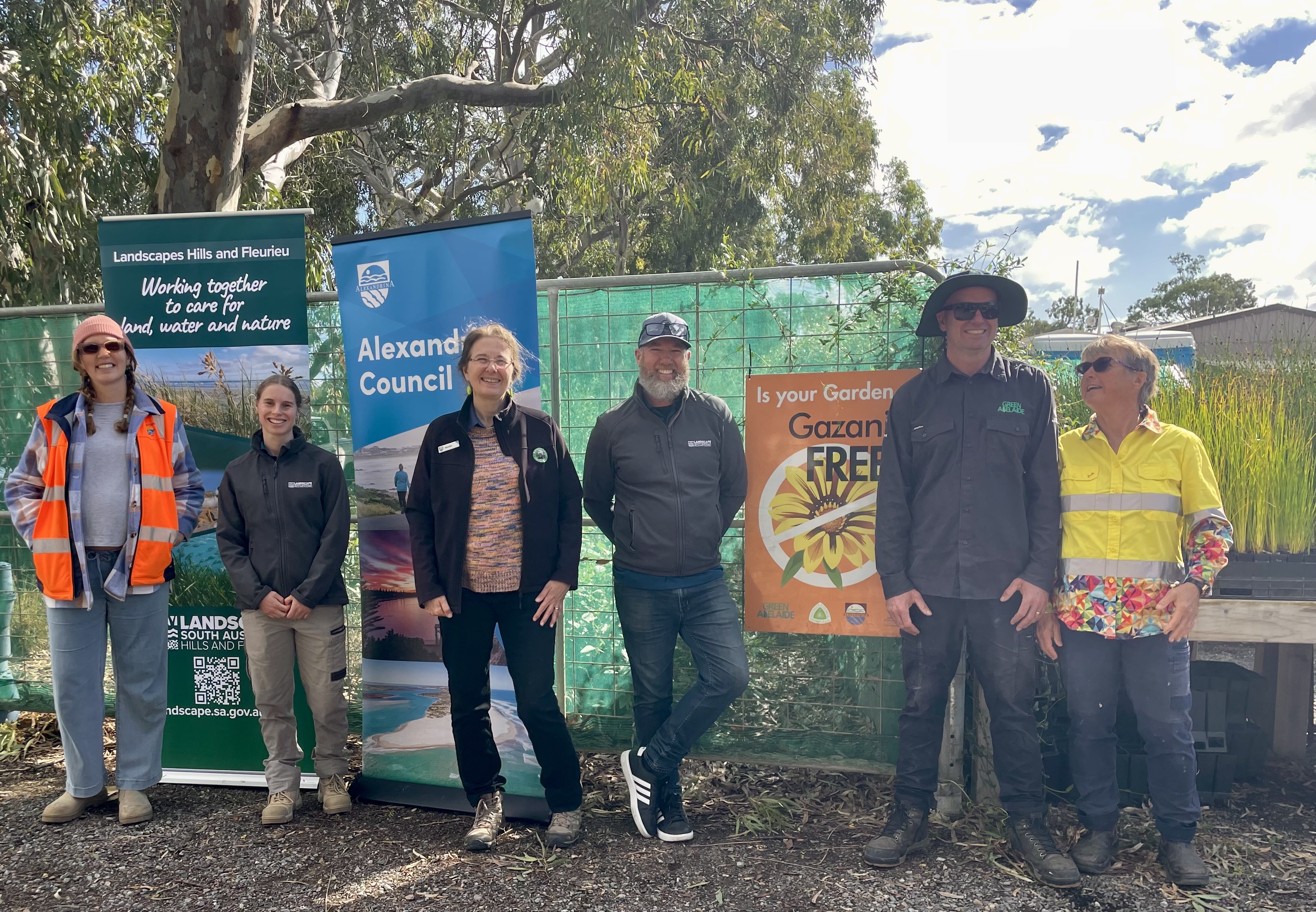
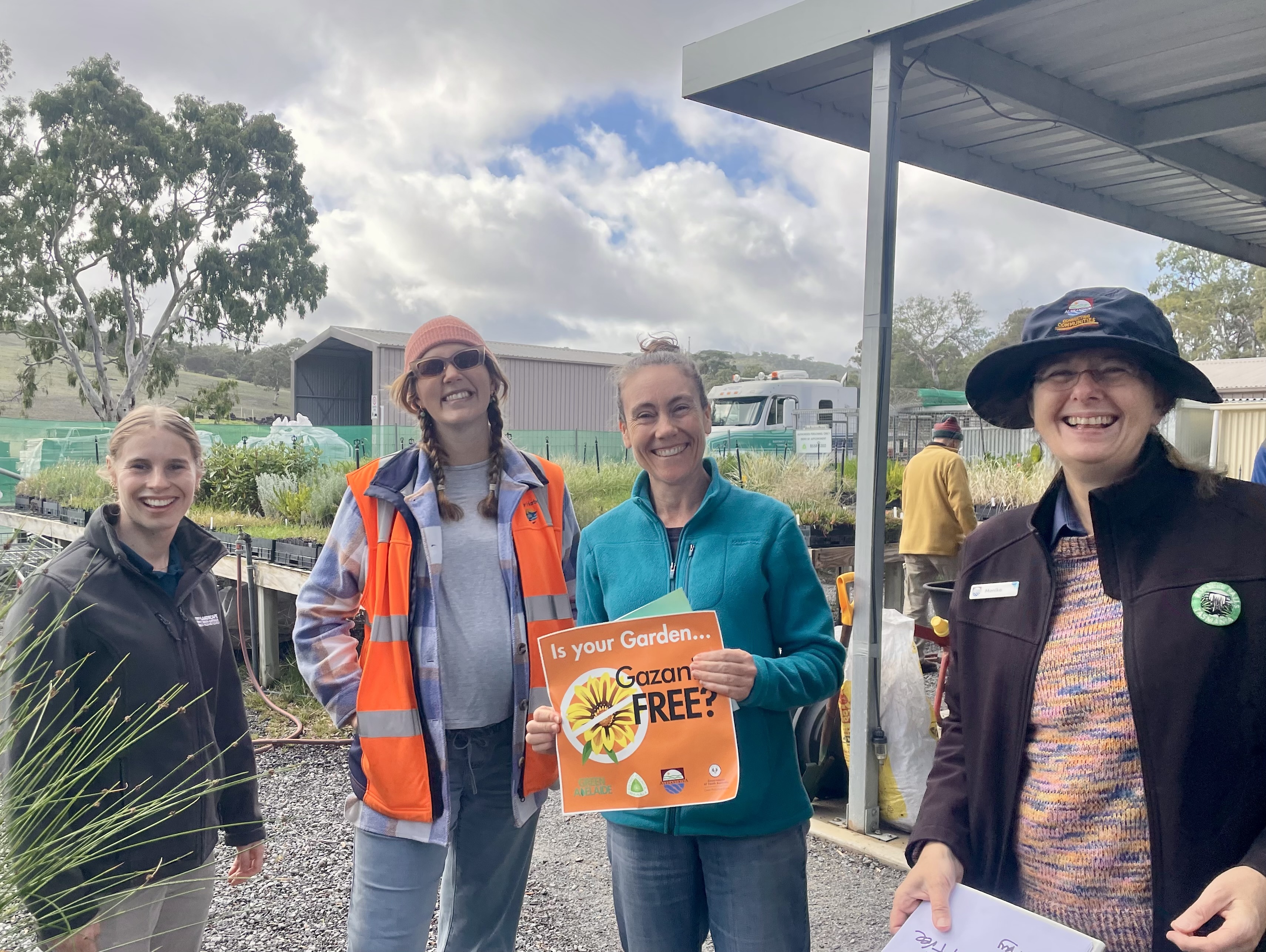
We’re celebrating the success of our recent Gazania Free Garden Plant Swap events, delivered in partnership with Alexandrina Council, the City of Victor Harbor, District Council of Yankalilla and Green Adelaide. These events showcased the strength of community action in tackling garden escapees across the south coast.
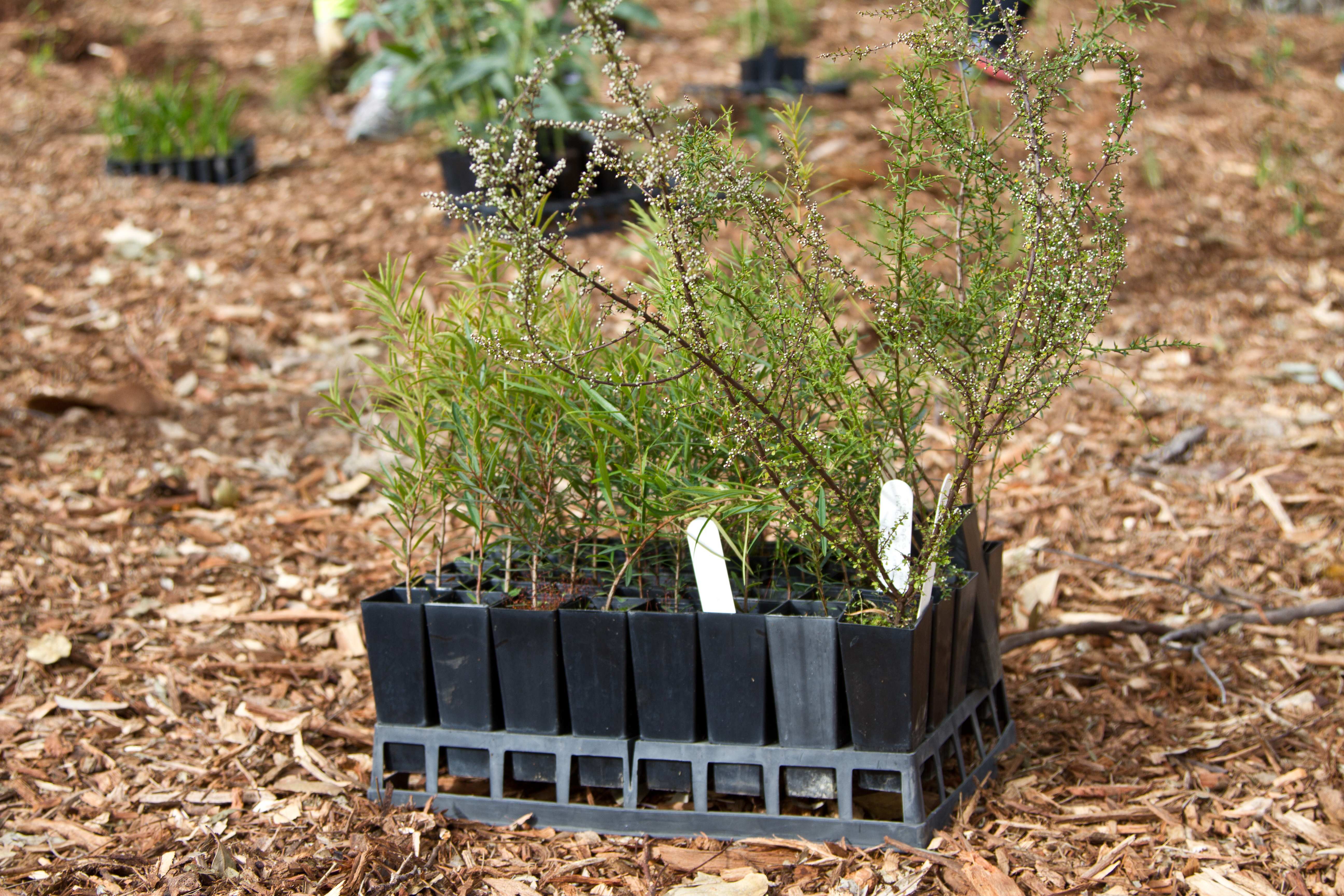
More than 50 households participated by removing gazanias from their gardens and sharing photo evidence in exchange for over 500 locally grown native plants, nurtured by volunteers at the Fleurieu Coast Community Nursery in Yankalilla. Beyond the numbers, previous participants in the program shared inspiring stories of transformation - describing how, after removing invasive weeds and replanting with native species, their gardens began to come alive again with returning birds, butterflies and beneficial insects.
What’s wrong with gazanias?
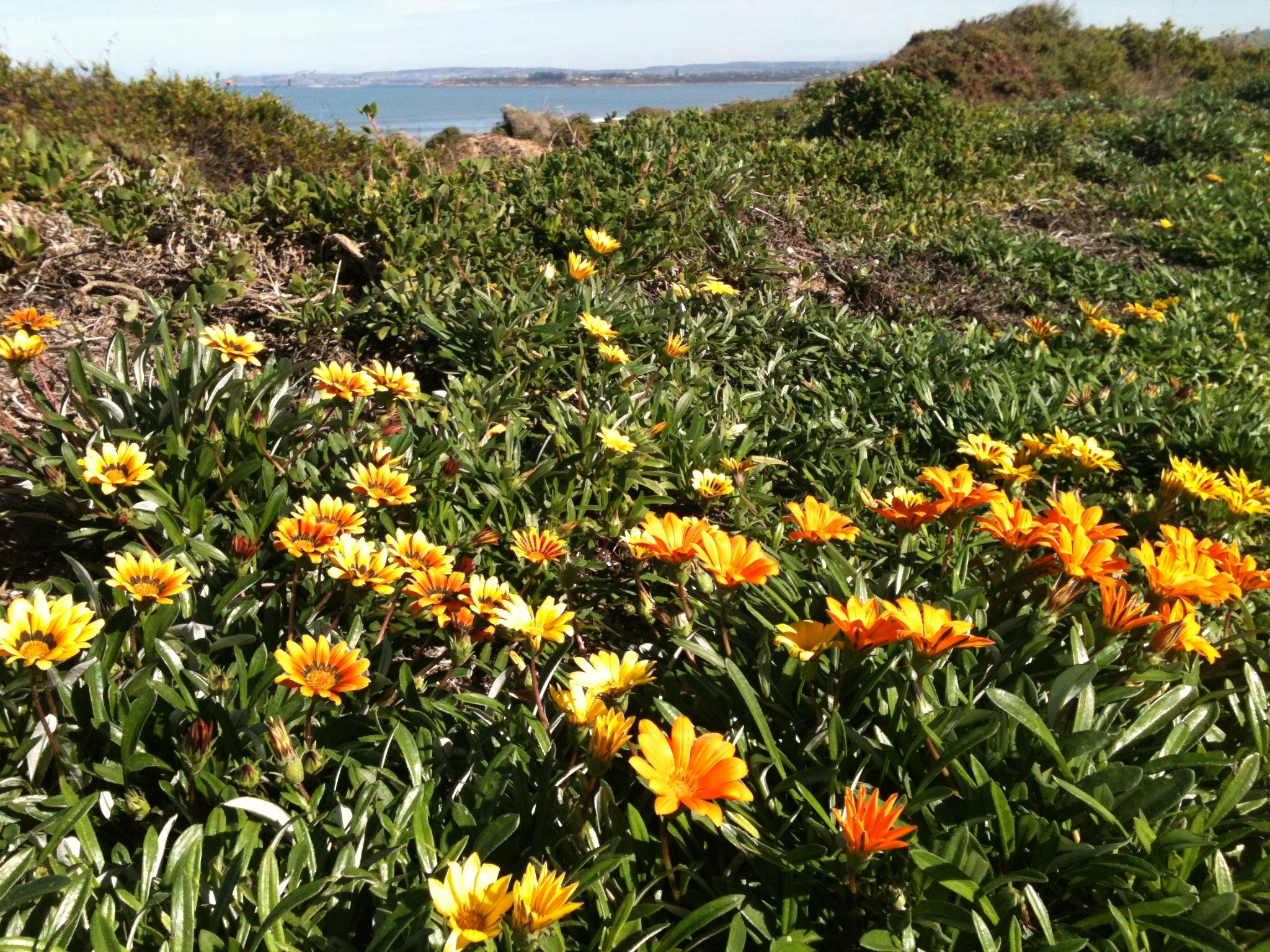
While colourful and hardy, gazanias are a declared weed that can rapidly invade coastal systems, smothering native vegetation and reducing habitat for wildlife.
Gazanias produce lots of seed, ensuring their takeover. One flower can create over 60 seeds, which can spread up to 1 km away from the wind. Seeds also germinate next to the parent plant, helping them invade a region. Vehicles, mowing or flood waters can also spread the seeds.
Replacing gazanias with local native species helps restore biodiversity and protect the region’s unique landscapes.
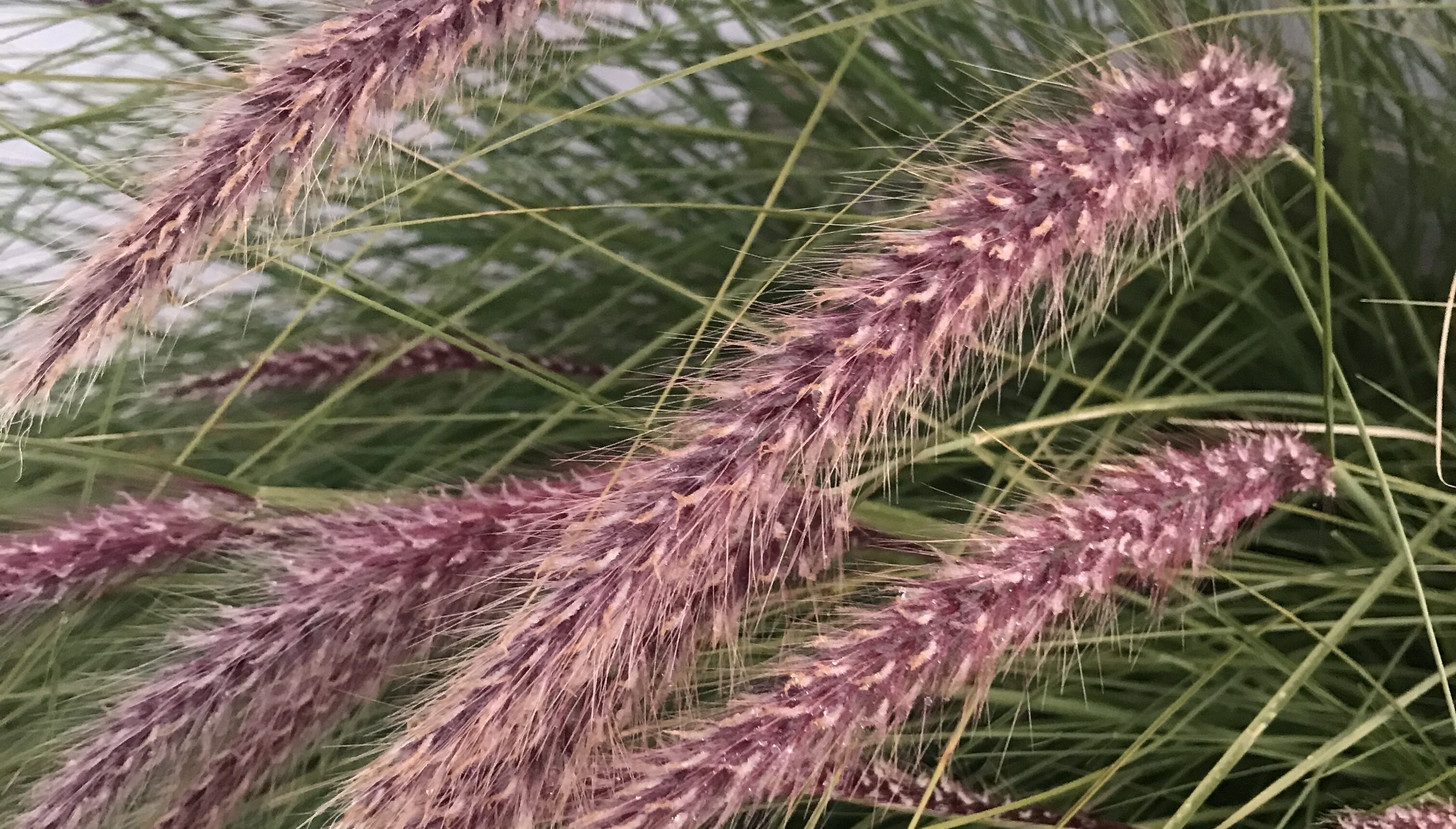
Gazanias are just one example. Other escaped garden plants, such as fountain grass (Cenchrus setaceus, pictured), also threaten the Fleurieu. This invasive species outcompetes native plants, dominates dunes and grasslands, and increases fire risk through dense, flammable growth.

What can you plant instead?
Are you removing gazanias and other invasive weeds from your garden, and need some native inspiration? Check out the Coastal Gardens Planting guide!