The Landscapes Hills and Fleurieu office will be closed on Wednesday 21 October and will reopen on Thursday 22 October. Our phones will not be monitored during this time

Latest News -
Threatened Species Day highlights vulnerable local plants and animals
Threatened Species Day is an opportunity to raise awareness of the challenges facing vulnerable plants, animals and ecosystems across Australia, while highlighting the important role habitat protection and restoration can play in supporting their recovery.
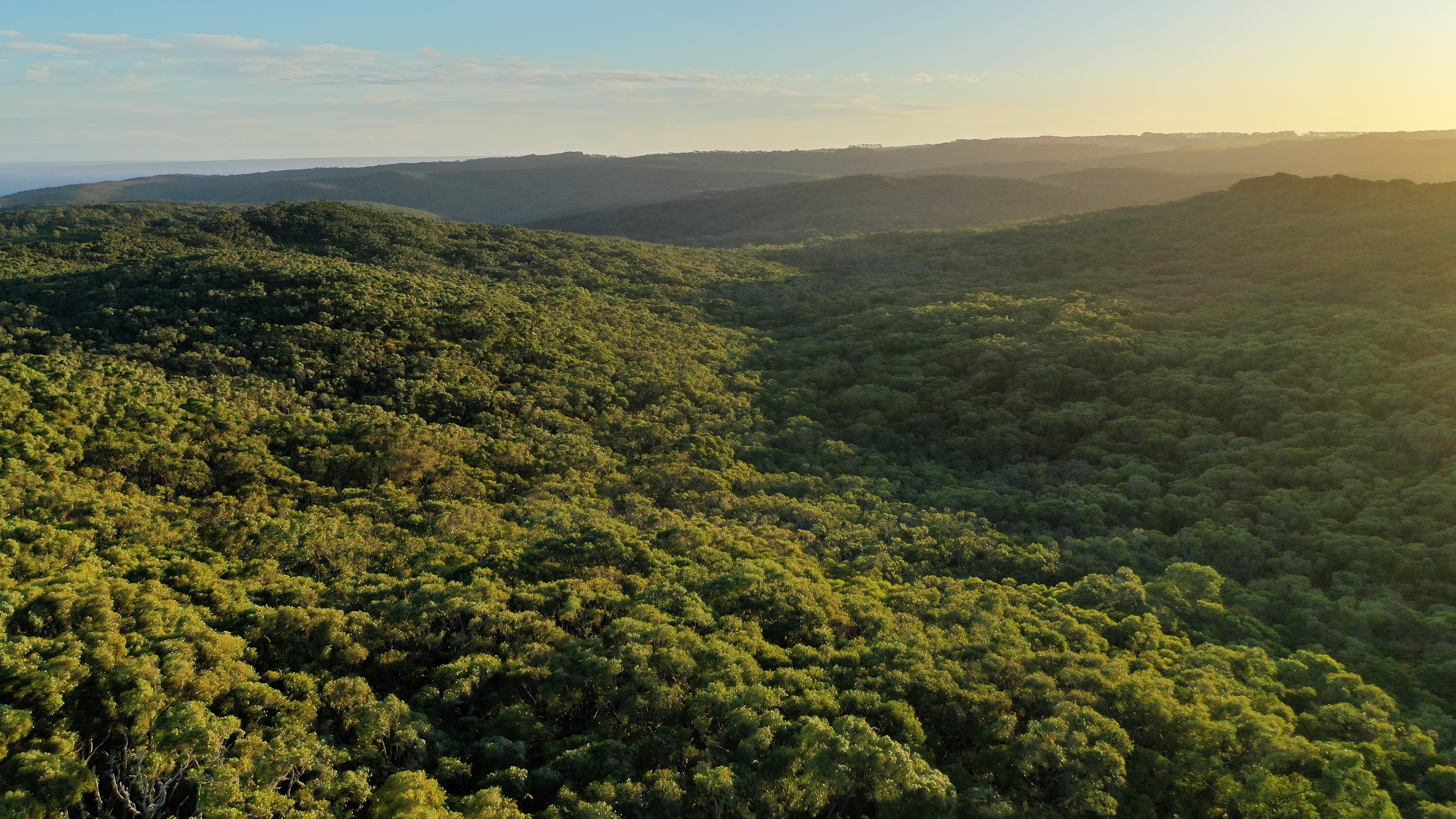
Across the Hills and Fleurieu, native species continue to face significant pressures, but wildlife experts say there is still time to reverse declines through sustained conservation efforts and community action.
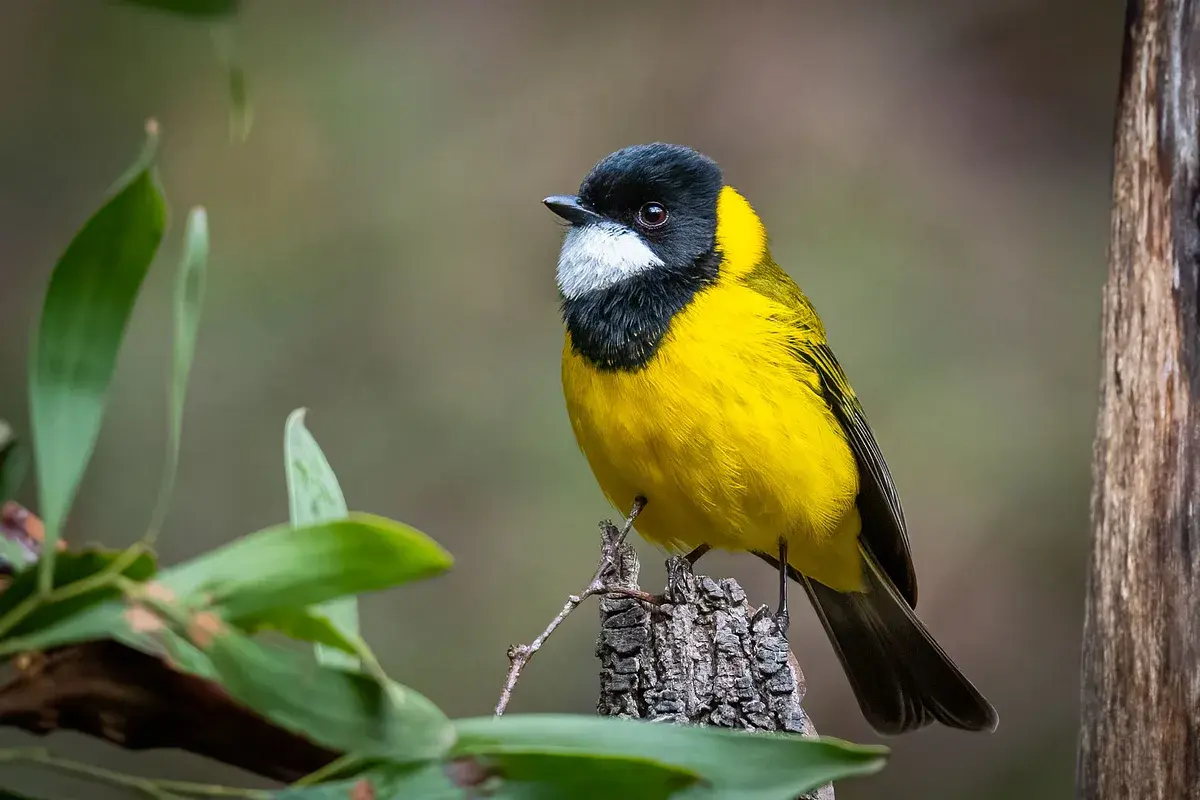
From freshwater fish and wetland frogs to woodland birds, small marsupials and a diverse range of plants, native species across the region are affected by ongoing threats that impact the habitats they rely on for food, shelter and breeding.
These pressures include habitat loss, disease, invasive pests and a changing climate, which together are reducing the resilience of many species and ecosystems.
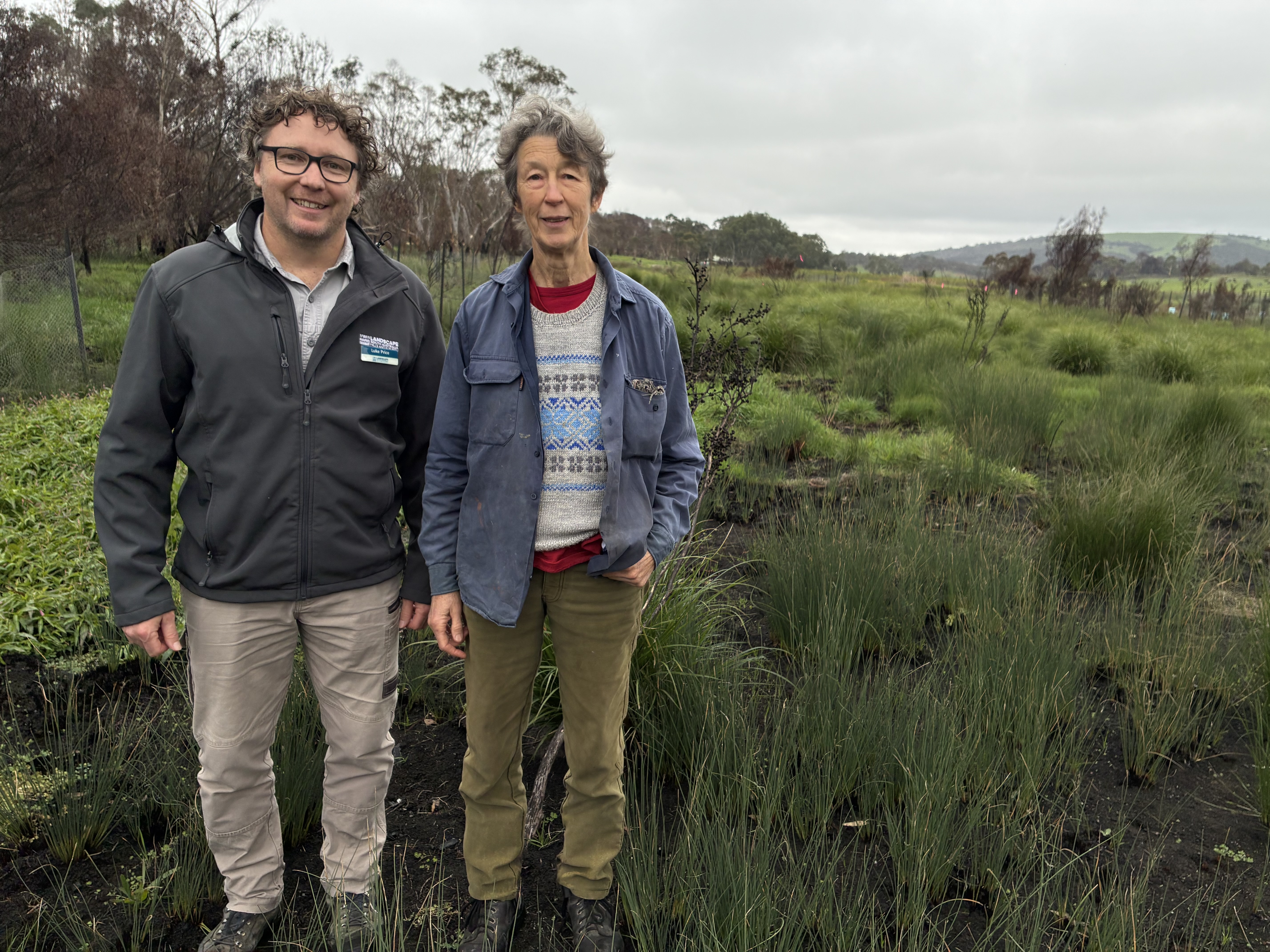
Landscapes Hills and Fleurieu’s Regional Ecologist Luke Price said many of the region’s threatened species are not widely recognised, but their loss would have significant consequences.
“These aren’t always the species people recognise, but they’re critical to how our ecosystems function, and we’re seeing them decline. Today, more than 340 plant and animal species across the Hills and Fleurieu are considered threatened with extinction, which shows just how significant the challenge has become," Mr Price said.
Mr Price said reversing these declines would require sustained investment in recovery programs, habitat protection, restoration and threat reduction across the landscape.
Much of the region’s remaining native habitat occurs on private land, meaning landholders have a crucial and important role to play in the recovery of threatened species and ecosystems.
“There is still time to turn this around. When we invest even relatively small amounts in recovery we see real results. The challenge is doing that for multiple species at the scale needed,” Mr Price said.
Protecting and restoring habitat on private land will be critical to that effort. Actions such as protecting native vegetation, restoring habitat, caring for watercourses and managing invasive pests and weeds help create the connected, resilient landscapes native species need to survive and recover.
When these actions are undertaken across multiple properties, the collective change can deliver significant benefits for biodiversity and strengthen the health and resilience of the region’s natural environments.
Landholders interested in protecting native vegetation, restoring degraded areas, revegetating habitat or helping threatened species and ecosystems can access information and resources here.
Fauna species that are a high priority for conservation action in the Hills and Fleurieu
| Common name | Scientific name |
|---|---|
| Australasian Bittern | Botaurus poiciloptilus |
| Australian Painted-snipe | Rostratula australis |
| Australian Sea Lion | Neophoca cinerea |
| Bassian Thrush | Zoothera lunulata halmaturina |
| Black-chinned Honeyeater | Melithreptus gularis gularis |
| Cryptic Sun Moth | Synemon theresa |
| Cunningham's Skink | Egernia cunninghami |
| Curlew Sandpiper | Calidris ferruginea |
| Diamond Firetail | Stagonopleura guttata |
| Eastern Osprey | Pandion haliaetus cristatus |
| Fairy Tern | Sternula nereis nereis |
| Far Eastern Curlew | Numenius madagascariensis |
| Golden-haired Sedge-skipper | Hesperilla chrysotricha cyclospila |
| Grey-headed Flying-fox | Pteropus poliocephalus |
| Heath Goanna | Varanus rosenbergi |
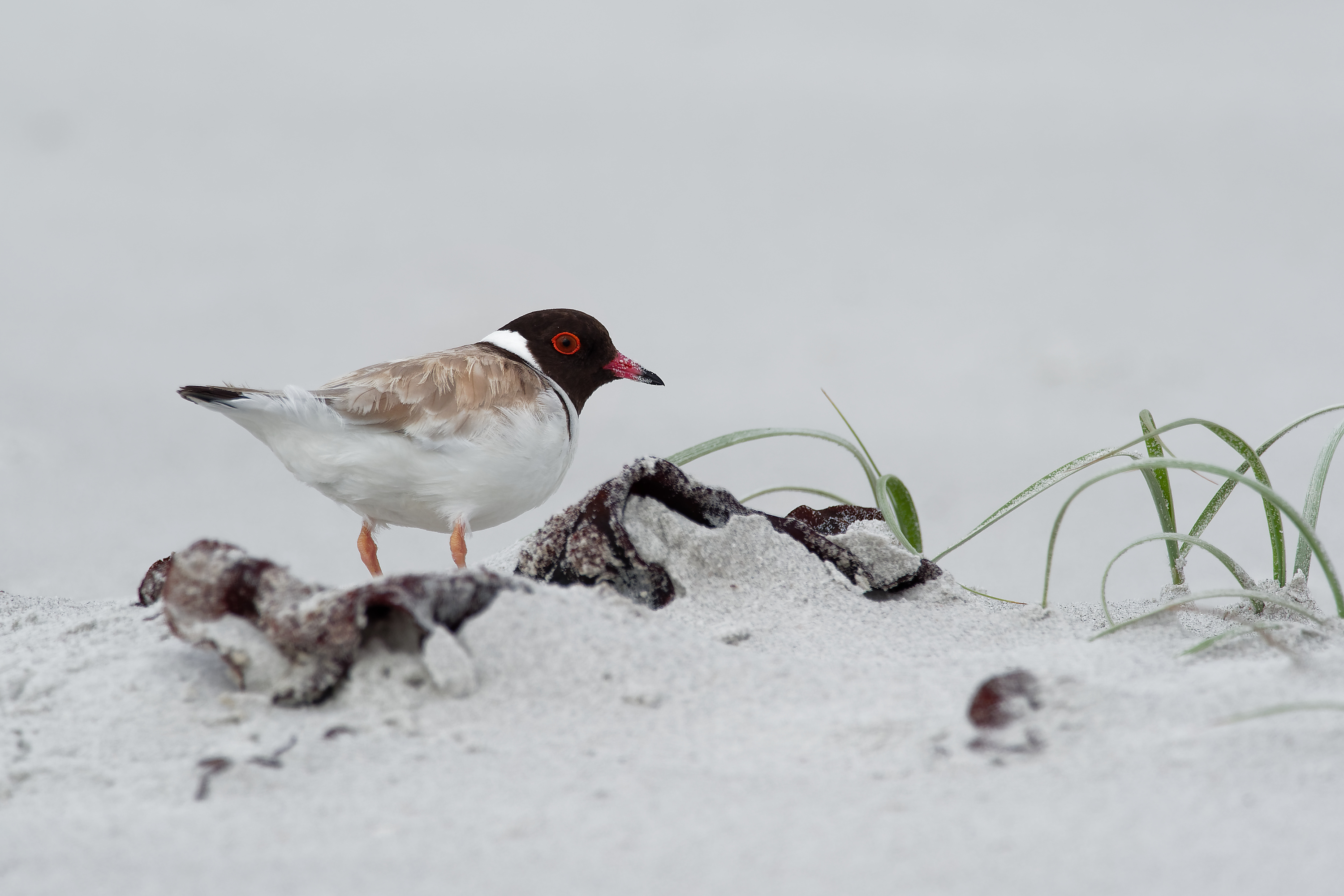
| Hooded Plover (Hooded Dotterel) | Thinornis cucullatus cucullatus |
| Hooded Robin | Melanodryas cucullata cucullata |
| Latham's Snipe | Gallinago hardwickii |
| Leatherback Turtle | Dermochelys coriacea |
| Mt Lofty Mite Harvestman | Archaeopurcellia eureka |
| Mt Lofty Ranges Chestnut-rumped Heathwren | Hylacola pyrrhopygia parkeri |
| Mt Lofty Ranges Southern Emu-wren | Stipiturus malachurus intermedius |
| Murray Hardyhead | Craterocephalus fluviatilis |
| Olive Perchlet | Ambassis agassizi |
| Pygmy Copperhead | Austrelaps labialis |
| River Blackfish | Gadopsis marmoratus |
| Southern Bell Frog | Ranoidea raniformis raniformis |
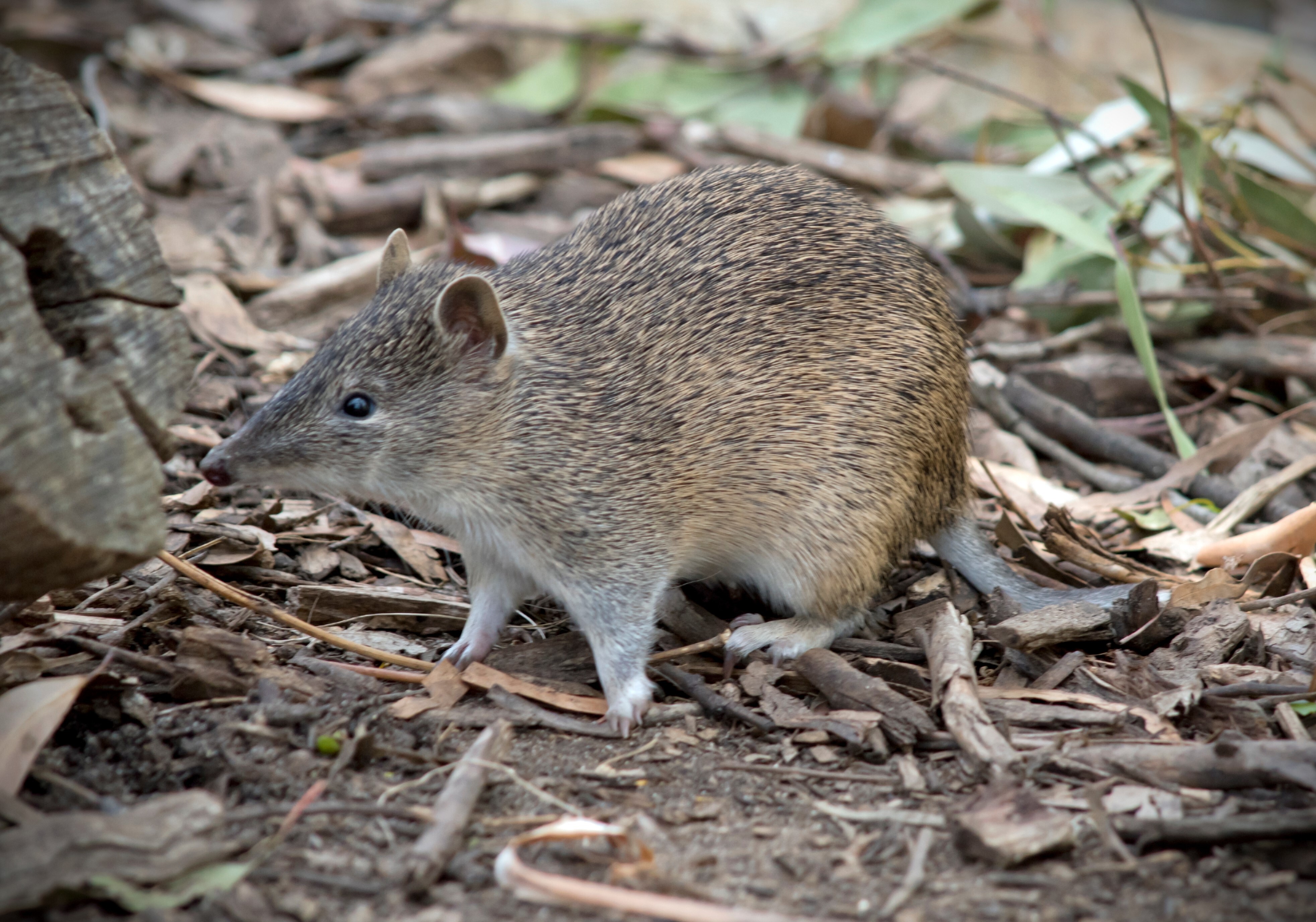
| Southern Brown Bandicoot | Isoodon obesulus obesulus |
| Southern Purple-Spotted Gudgeon | Mogurnda adspersa |
| Southern Pygmy Perch | Nannoperca australis |
| Square-tailed Kite | Lophoictinia isura |
| Western Beautiful Firetail | Stagonopleura bella samueli |
| White-bellied Sea Eagle | Haliaeetus leucogaster |
| Yarra Pygmy Perch | Nannoperca obscura |
| Yellow-bellied Water Skink | Eulamprus heatwolei |
| Yellowish Sedge-skipper | Hesperilla flavescens |
Source: Action Plan for Threatened Species and Ecological Communities 2026-2040.
Flora species that are a high priority for conservation action in the Hills and Fleurieu
| Common name | Scientific name |
|---|---|
| Australian Carraway | Oreomyrrhis eriopoda |
| Bayonet Spider-orchid | Caladenia gladiolata |
| Bog Clubmoss | Lycopodiella serpentina |
| Branching Rush | Juncus prismatocarpus |
| Bushy Clubmoss | Lycopodium deuterodensum |
| Butterfly Spyridium | Spyridium coactilifolium |
| Cleland's Wallaby-grass | Rytidosperma clelandii |
| Coloured Spider-orchid | Caladenia colorata |
| Deep Creek Correa | Correa eburnea |
| Finniss Spyridium | Spyridium latifolium |
| Fleurieu Leek Orchid | Prasophyllum murfetii |
| Forked Comb-fern | Schizaea bifida |
| Forked Greenhood | Pterostylis falcata |
| Hairy Guinea-flower | Hibbertia hirsuta |
| Hale Greenhood, Marsh Greenhood | Pterostylis uliginosa |
| Hindmarsh Correa | Correa calycina var. calycina |
| Hindmarsh Greenhood | Pterostylis bryophila |
| Jagged Bitter-cress | Rorippa laciniata |
| Kangaroo Island Scale-rush | Lepyrodia valliculae |
| Large River Buttercup | Ranunculus papulentus |
| Leafy Button Everlasting | Coronidium densifolium |
| Leafy Greenhood | Pterostylis cucullata ssp. sylvicola |
| Leafy Templetonia | Templetonia stenophylla |
| Mount Compass Oak-bush | Allocasuarina robusta |
| Mount Lofty Phebalium | Leionema hillebrandii |
| Naked Sun-orchid | Thelymitra circumsepta |
| One-flower Nancy | Wurmbea uniflora |
| Osborn's Eyebright | Euphrasia collina ssp. osbornii |
| Rock Correa | Correa glabra var. leucoclada |
| Rock-ledge rufoushood | Pterostylis sp. |
| Shade Tussock-grass | Poa umbricola |
| Showy Violet | Viola betonicifolia ssp. betonicifolia |
| Skeleton Fork-fern | Psilotum nudum |
| Small Rasp-fern | Blechnum rupestre |
| Spotted Knotweed | Persicaria praetermissa |
| Star Spider-orchid | Caladenia stellata |
| Swamp Mazus | Mazus pumilio |
| Veined Sun-orchid | Thelymitra cyanea |
| White Beauty Spider-orchid | Caladenia argocalla |
| White-flower Matted Pratia | Lobelia pedunculata |
| Wiry Rush | Juncus homalocaulis |
| Yundi Guinea Flower | Hibbertia tenuis |
Source: Action Plan for Threatened Species and Ecological Communities 2026-2040.
Read more about our work supporting threatened species
Landscapes Hills and Fleurieu is delivering a range of projects that help protect and recover threatened species and ecosystems across the region. One of these is the Australian Government-funded Back from the Brink project, which is supporting recovery efforts for some of the region's most threatened species through habitat restoration, threat reduction and community partnerships. Alongside Back from the Brink, initiatives such as ReBird the Ranges, the Bandicoot Superhighway and hooded plover conservation projects are helping create healthier, more connected habitats for native wildlife. Learn more about these projects below.
More projects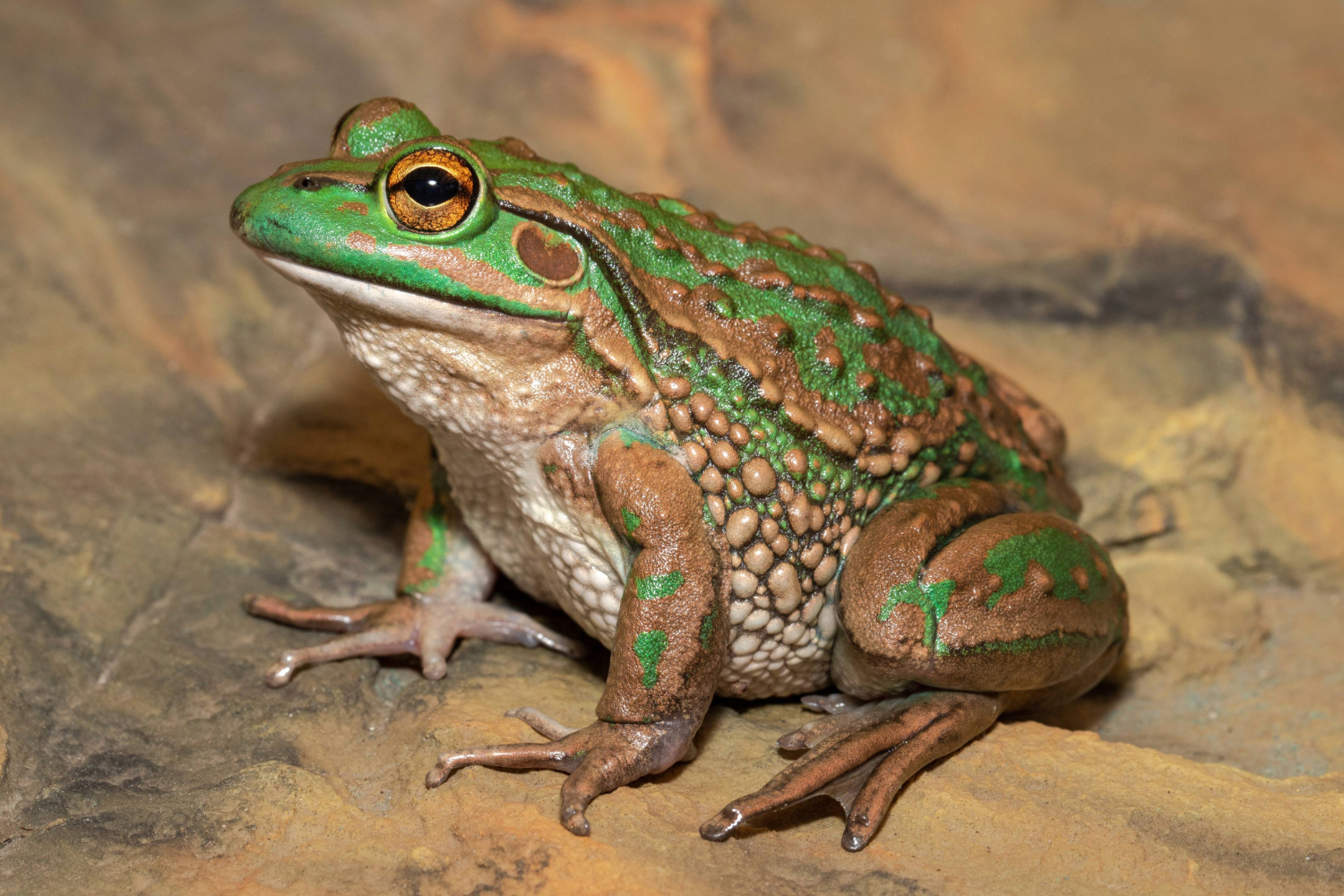

The Back from the Brink project is funded by the Australian Government Natural Heritage Trust and delivered by Hills and Fleurieu Landscape Board, a member of the Commonwealth Regional Delivery Partners panel.