H5 Bird Flu: If you notice multiple sick or dead birds or other animals record your location and report it to the 24-hour Emergency Animal Disease Hotline on 1800 675 888.

Latest News -
This summer, spare a thought for our fragile coastal dunes
Living in a sunburnt country, it's little wonder that many of us head to the coast for summer holidays. Generation after generation have treasured memories of time spent on the beach, but the need to approach the shoreline more mindfully is important to ensure it’s not degraded for future use.
Why do coastal dunes need our care and attention?
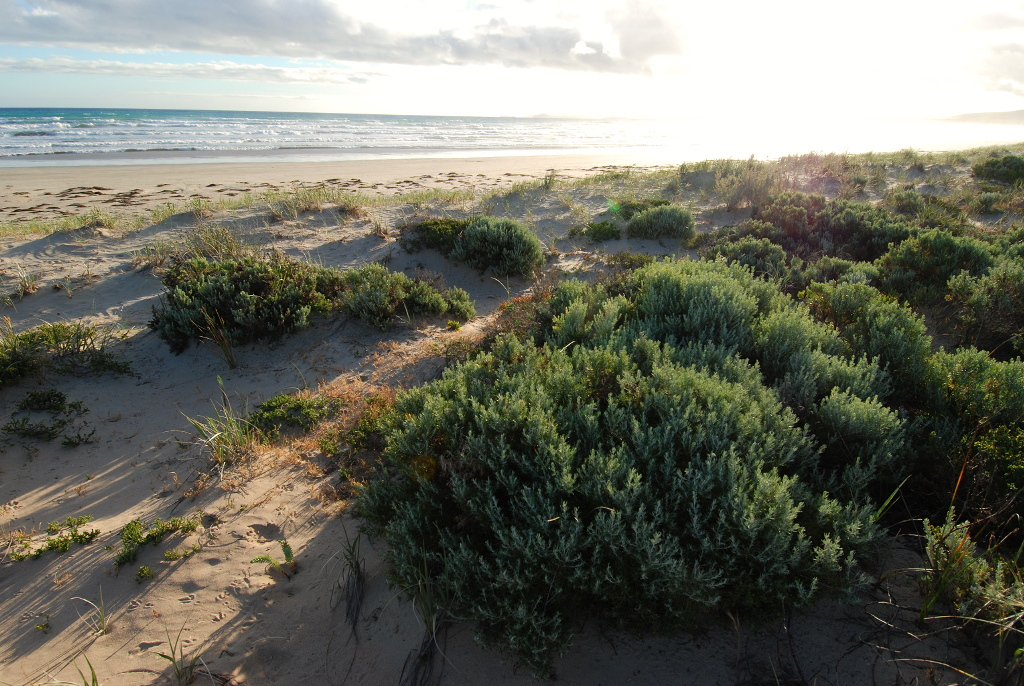
The dunes you will find along the state’s coastline are both magnificent and fragile. Long gone are the days when taking a path over the dunes to the beach is acceptable – and that also applies to our pets.
Coastal weeds compete for the same resources as native coastal vegetation.
Introduced fauna species like rabbits, foxes, cats and deer threaten native coastal flora and fauna.
Off-road vehicles on beaches and sand dunes also contribute to erosion, native vegetation decline and loss of habitat, particularly for nesting and feeding shorebirds.
Many coastal dunes also provide a unique record of Aboriginal history like the dune ranges where First Nations peoples living along the coast used the sea and coastal waters as a food source.
The large mounds of shell that remain from molluscs eaten by Aboriginal communities are known as middens and are sacred sites along the state’s southern coast.
What’s being done?
Across South Australia, landscape boards are working to help protect dune systems.
Our Plover Coast (Landscapes Hills and Fleurieu, Green Adelaide)
The spinifex grasses of our coastal dunes provide critical nesting habitat for the nationally threatened hooded plover.
From Port Adelaide to Goolwa, the Our Plover Coast project is working to remove introduced grasses from dune systems at priority breeding sites, revegetating them with local native spinifex vegetation.
Living in a sunburnt country, it's little wonder that many of us head to the coast for summer holidays. Generation after generation have treasured memories of time spent on the beach, but the need to approach the shoreline more mindfully is important to ensure it’s not degraded for future use.
Why do coastal dunes need our care and attention?
The dunes you will find along the state’s coastline are both magnificent and fragile. Long gone are the days when taking a path over the dunes to the beach is acceptable – and that also applies to our pets.
Coastal weeds compete for the same resources as native coastal vegetation.
Introduced fauna species like rabbits, foxes, cats and deer threaten native coastal flora and fauna.
Off-road vehicles on beaches and sand dunes also contribute to erosion, native vegetation decline and loss of habitat, particularly for nesting and feeding shorebirds.
Many coastal dunes also provide a unique record of Aboriginal history like the dune ranges where First Nations peoples living along the coast used the sea and coastal waters as a food source.
The large mounds of shell that remain from molluscs eaten by Aboriginal communities are known as middens and are sacred sites along the state’s southern coast.
What’s being done?
Across South Australia, landscape boards are working to help protect dune systems.
Our Plover Coast (Landscapes Hills and Fleurieu, Green Adelaide)
The spinifex grasses of our coastal dunes provide critical nesting habitat for the nationally threatened hooded plover.
From Port Adelaide to Goolwa, the Our Plover Coast project is working to remove introduced grasses from dune systems at priority breeding sites, revegetating them with local native spinifex vegetation.
The removal of densely vegetated areas of introduced grasses on hooded plover breeding beaches aims to give the threatened birds more opportunity for suitable nesting territories.
The introduced grasses cause the dunes to unnaturally develop steeper slopes, which limit the ability of the small birds to seek shelter in them.
Lower, less steep dunes provide habitat for nests and allow hooded plover chicks to retreat into the dunes when under threat from predators or during high tides and storm surges.
Rolling spinifex grass (Spinifex hirsutus) is a hardy native coastal species which creates ideal nesting habitat for the threatened hooded plover.
Revegetation of the dunes is bringing together dedicated partners and volunteers from across the Fleurieu to help restore coastal dune habitats and ensure the birds have suitable habitat to breed and increase their population.
We planted approximately 5200 local coastal plants last year as part of the Our Plover Coast project that were supplied from the Fleurieu Coast Community Nursery.
The propagation and spinifex planting are being undertaken by dedicated volunteer groups through community nurseries and local contractors.
It’s an important project to capture sand and stabilise dunes, create a natural buffer for storm surges, and restore critical habitat for a variety of plants and animals, including hooded plovers.
The Our Plover Coast project is coordinated by Landscapes Hills and Fleurieu and Green Adelaide, with support from BirdLife Australia, local councils and volunteers.
Eyes on Eyre for sustainable tourism (Eyre Peninsula Landscape Board)
On the Eyre Peninsula, the isolation of its coastal environments can make environmental impacts difficult to monitor, but an increase in the region’s popularity during the COVID years highlighted the fragility of the coastline.
An influx of visitors to the region’s coast in 2020 and 2021 caused negative environmental impacts that pushed forward the Eyes on Eyre project, designed to create sustainable tourism experiences while also minimising environmental impacts.
Focussing on priority coastal campgrounds, Eyes on Eyre helps with conservation management while offering structured camping options that protect sensitive coastal environments while improving infrastructure for better visitor experiences.
With funding from the Landscape Priorities Fund, 10 popular camping sites have been improved by local councils. Works have already resulted in vegetation recovery and reducing erosion including at lower Eyre Peninsula’s Greenly Beach.