H5 Bird Flu: If you notice multiple sick or dead birds or other animals record your location and report it to the 24-hour Emergency Animal Disease Hotline on 1800 675 888.

Latest News -
Join the conversation about water planning in the Mount Lofty Ranges
Water planning has never been more important, particularly in a region facing growing demand, increasingly variable rainfall and competing needs for water across the landscape.
To help address these challenges, the Hills and Fleurieu Landscape Board is calling on people across the region to share their views and help shape necessary changes to the Water Allocation Plans for the Eastern and Western Mount Lofty Ranges.
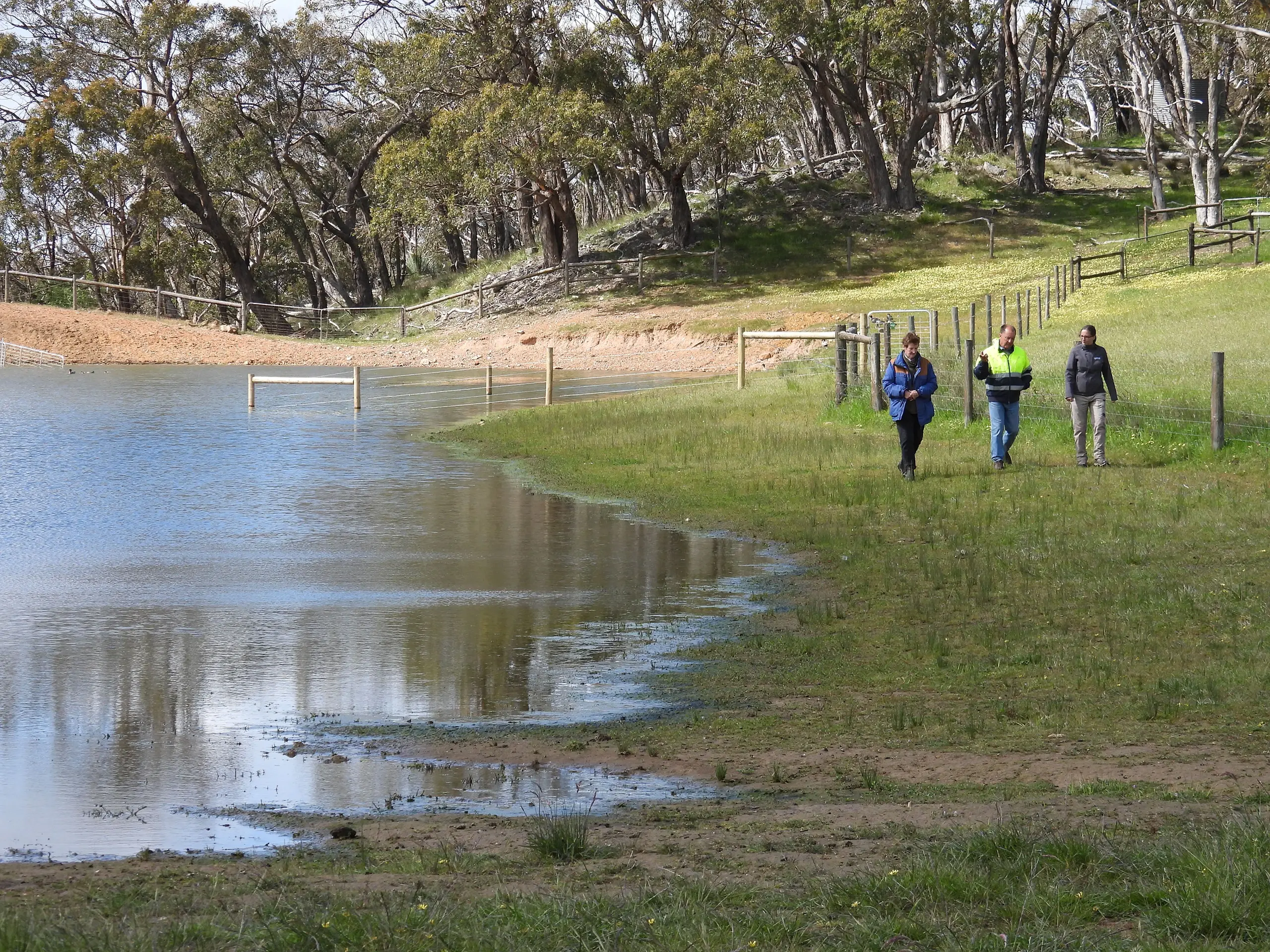
A series of ‘Catchment Conversations’, will be held over the coming months, providing the community and water‑users the opportunity to drop-in, ask questions, share local knowledge and help shape future policy directions.
Why we need to rethink our water future
Overall, the reliability of our water resources is declining, while demand across the region continues to grow.
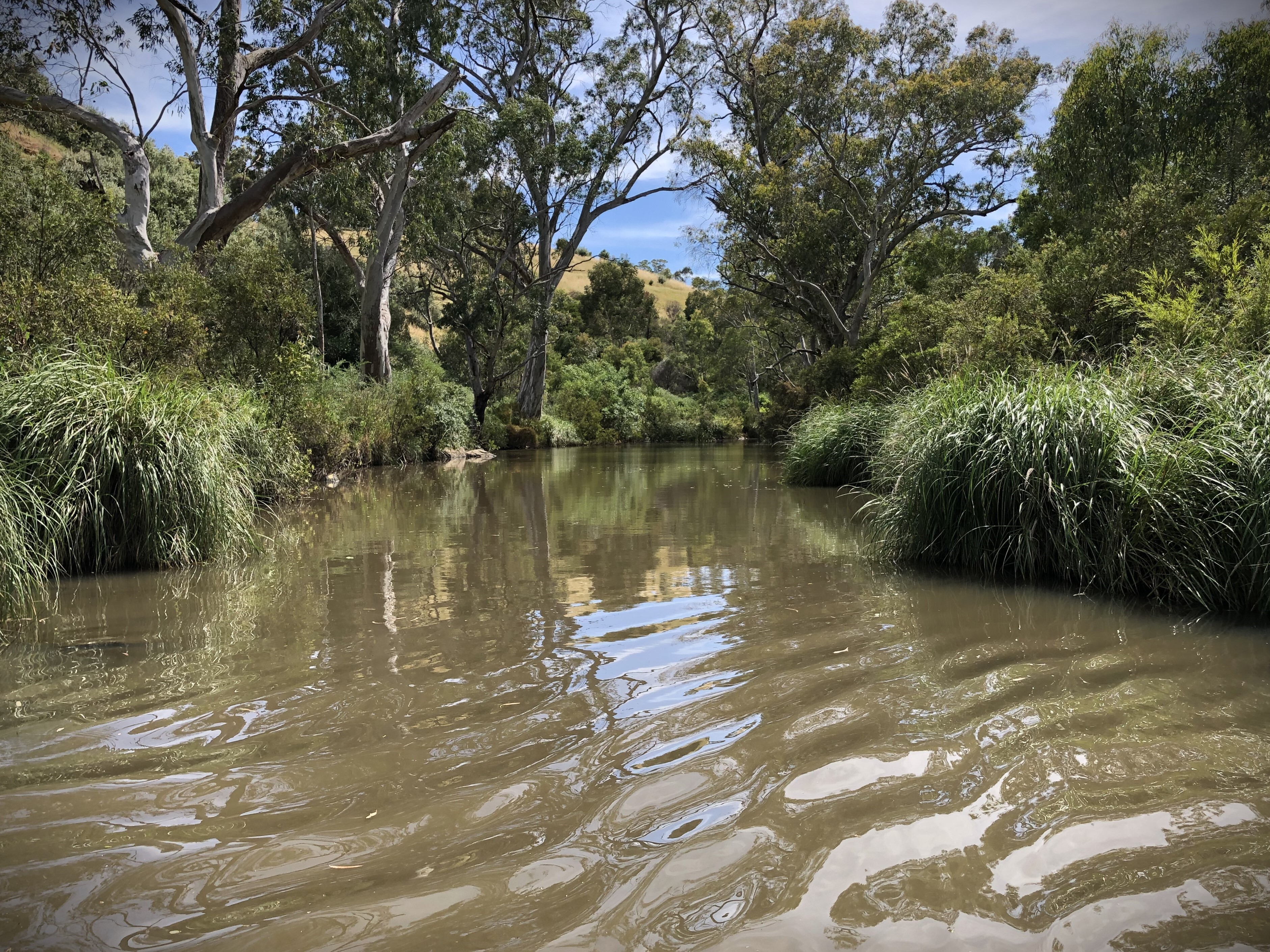
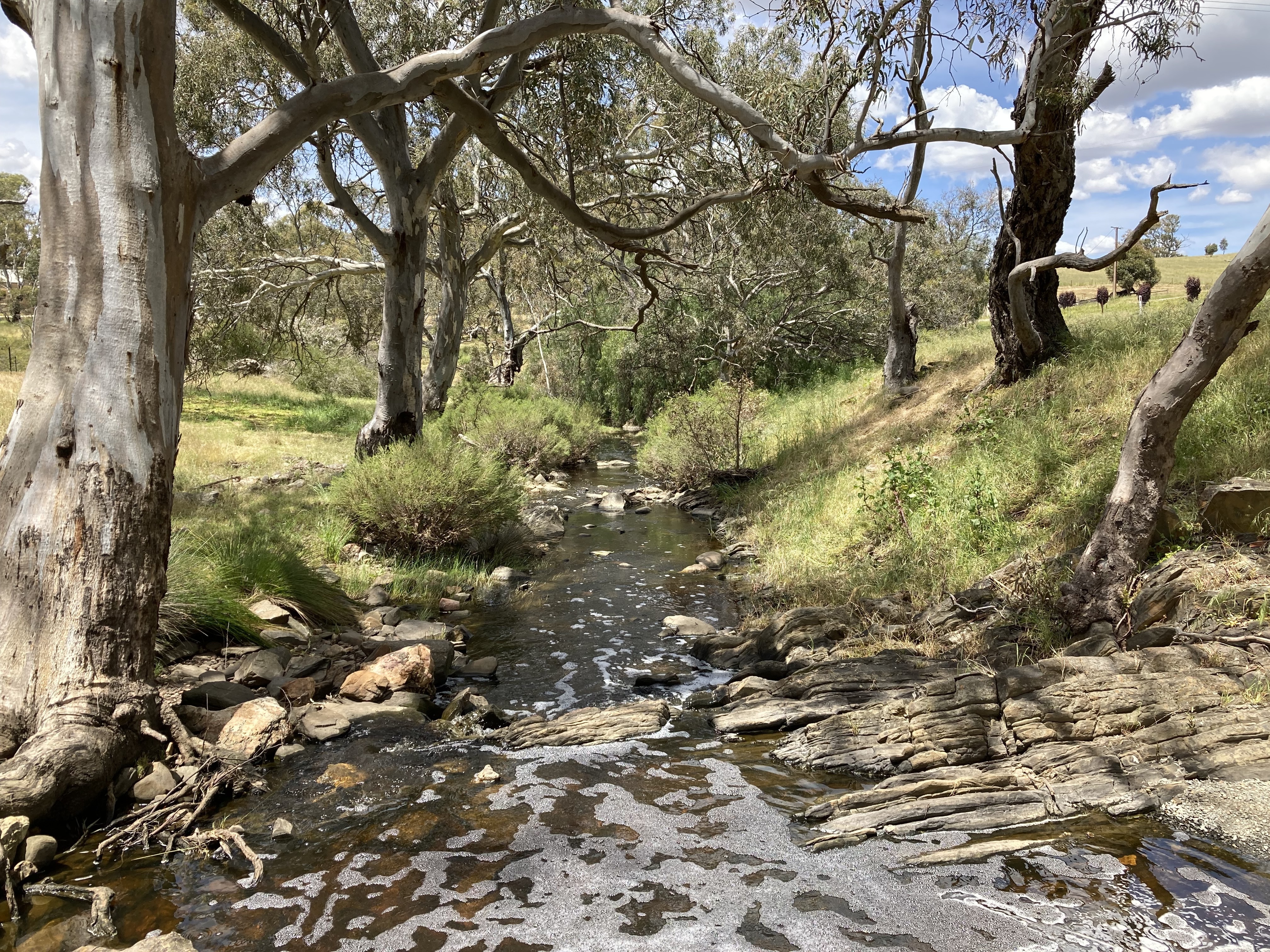
Paul Wainwright, Water Resources Team Leader at the Hills and Fleurieu Landscape Board said, “While the existing plans have provided important foundations, updates are required to ensure that the policies relating to water use remain appropriate. Many watercourses and wetlands are under significant pressure from altered flow patterns, and many catchments are now over‑allocated.”
Rainfall patterns in the region are changing. Our data shows that there are shifts in both the timing and amount of rainfall received across the region. Updated information and new approaches are required to ensure water resources are used sustainably to support primary production and the environment.
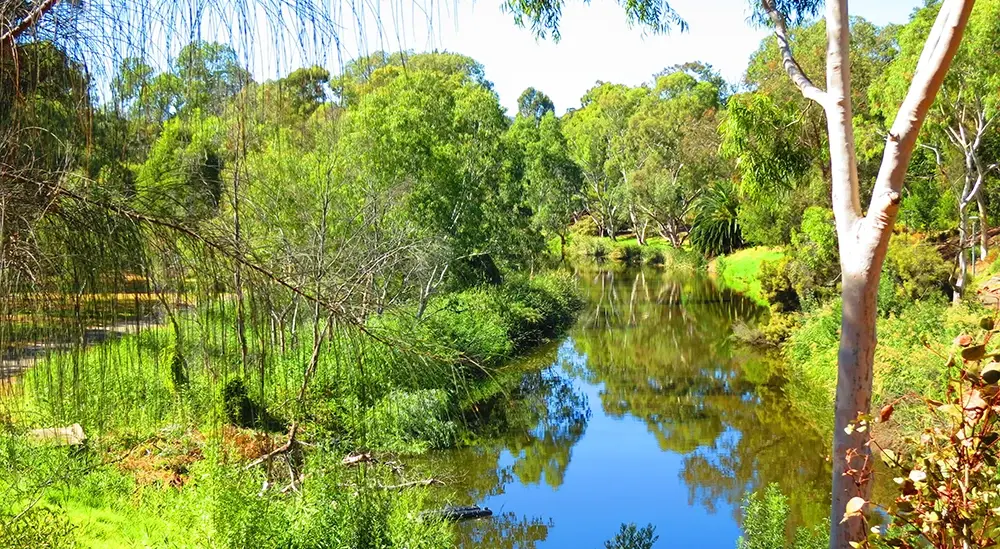
“These changes affect everyone – farmers, towns, businesses, ecosystems and cultural connections to Country. Healthy creeks and rivers support native species, productive landscapes and resilient communities,” Mr Wainwright said, stressing that planning for the future relies on “shared understanding and practical solutions.”
A transparent process with community voices at the centre
The Water Allocation Plans are being updated following a thorough review, which found the current plans are no longer suited to the region’s changing conditions. The multi-year amendment process (2025–2030) will use the latest data and scientific information to assess water availability, catchment conditions, and community needs, and will develop revised policy settings in collaboration with water users, First Nations groups, industry, councils, and local communities.
As part of this process and to support early engagement, the Hills and Fleurieu Landscape Board wants to hear from people from across the region at an upcoming Catchment Conversation.
“These conversations are designed to ensure the community can see and shape the process from the beginning. We need to ensure that local knowledge, community views, lived experience and cultural perspectives help shape the work ahead,” Mr Wainwright said.
While the sessions are not decision‑making forums, they will identify community values and concerns, influence how issues are framed and how options are explored. Attendees are invited to discuss surface and groundwater planning with our project teams.
People who can’t attend the Catchment Conversations are welcome to get in touch via phone or email and there will be plenty more in-person events and opportunities throughout the process.
The first ‘Catchment Conversation’ will be held on 25 May in Mylor, looking at the Onkaparinga River catchment, with further sessions running across the region through to October. Attendees will be able to speak directly with the Hills and Fleurieu Landscape Board Water Team and Department for Environment and Water specialists, including surface water, groundwater and ecology scientists Find out more and register your attendance here.
Looking ahead
Updating the Water Allocation Plans is a multi‑year project, and the Board encourages people to stay informed and take part as opportunities arise. As understanding grows and new information becomes available, further engagement will occur to ensure the plans incorporate the perspectives of the communities who rely on these water resources.