H5 Bird Flu: If you notice multiple sick or dead birds or other animals record your location and report it to the 24-hour Emergency Animal Disease Hotline on 1800 675 888.

Latest News -
Supporting threatened species recovery after fire
When bushfires widely impacted parts of the Fleurieu Peninsula earlier this year, the immediate focus was, importantly, on protecting lives, homes, livelihoods and critical infrastructure. Important threatened species habitats were also protected under difficult weather conditions and challenging terrain. Now, as the landscape begins to settle and recover, with signs of natural regeneration in some areas, greater attention is turning to what the fires have meant for the region’s threatened plants, animals and ecological communities.
The Deep Creek and Nangkita-Tooperang fires burned through areas that support some of South Australia’s most threatened species and ecological communities, reshaping habitats and testing years of conservation work. Early assessments, which began soon after the firegrounds became accessible, are revealing both the scale of the impact and the importance of native vegetation that was successfully protected by fire fighters. These early findings will help guide recovery actions to support these species and communities to survive and rebound in the months and years ahead.
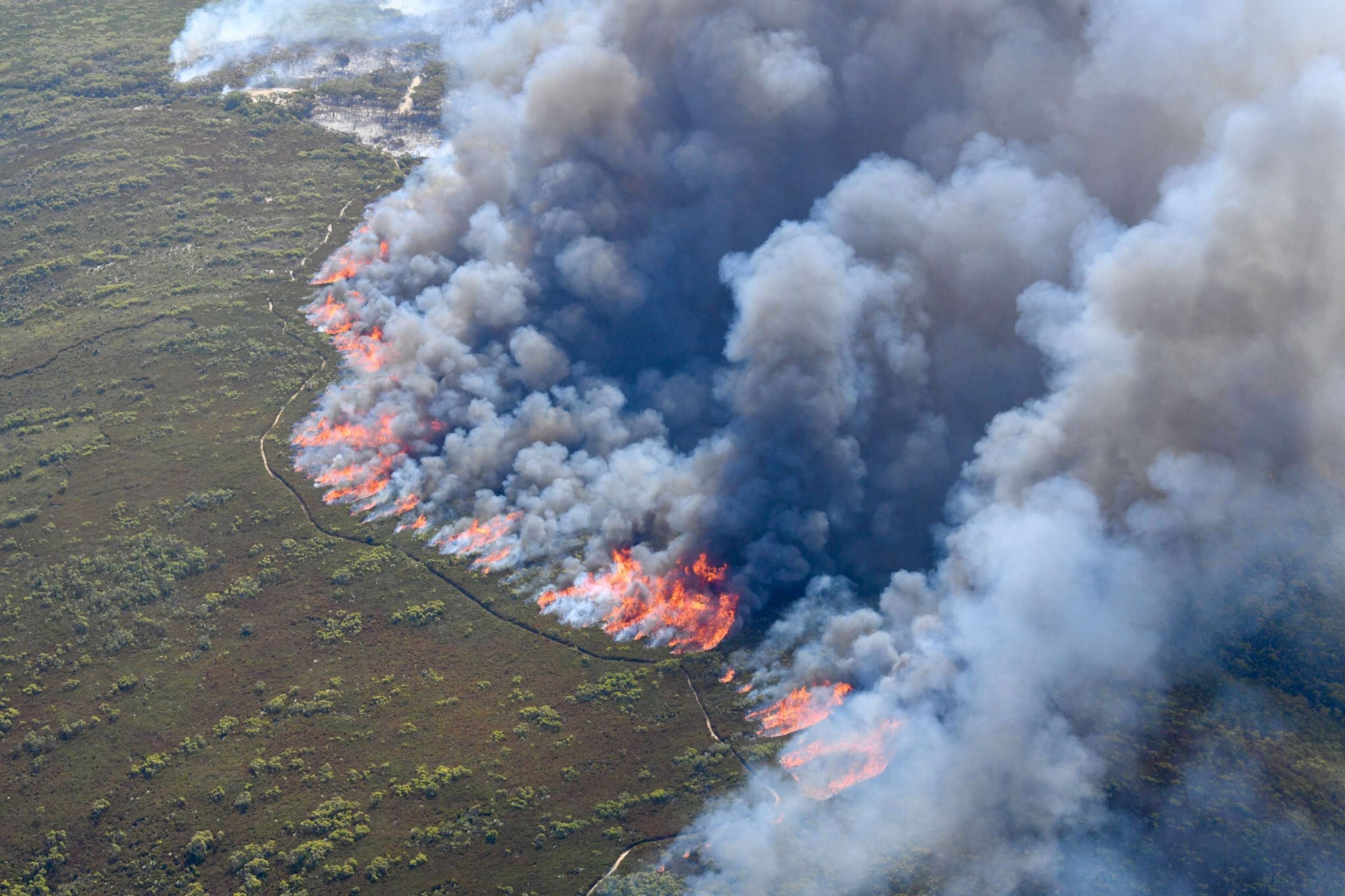
Landscapes Hills and Fleurieu’s Regional Ecologist Luke Price provided some updates on the impact and recovery efforts.
“Large areas of Fleurieu Swamp and several populations of threatened birds, mammals, plants, fish and invertebrates have been seriously affected by the fires. We have begun on-ground works, including initial surveys, and are building a clearer picture of the ecological impacts, allowing us to plan recovery actions accordingly.
“We have some initial funding through the Landscape Priorities Fund and Department for Environment and Water (DEW) to commence targeted threatened species and ecological community recovery works and will continue to seek further funds in the coming years to continue this important work.
“We have also offered grants and support to private landholders to help manage the fire impacts and help the impacted systems bounce back. Works include erosion and sediment control, fencing to exclude herbivores, control of environmental weeds and revegetation to help replace weeds in areas where native regeneration hasn’t occurred,” he said.
Here’s what we know so far, as early survey work begins to build a clearer picture of impacts and recovery needs:
Threatened ecological communities
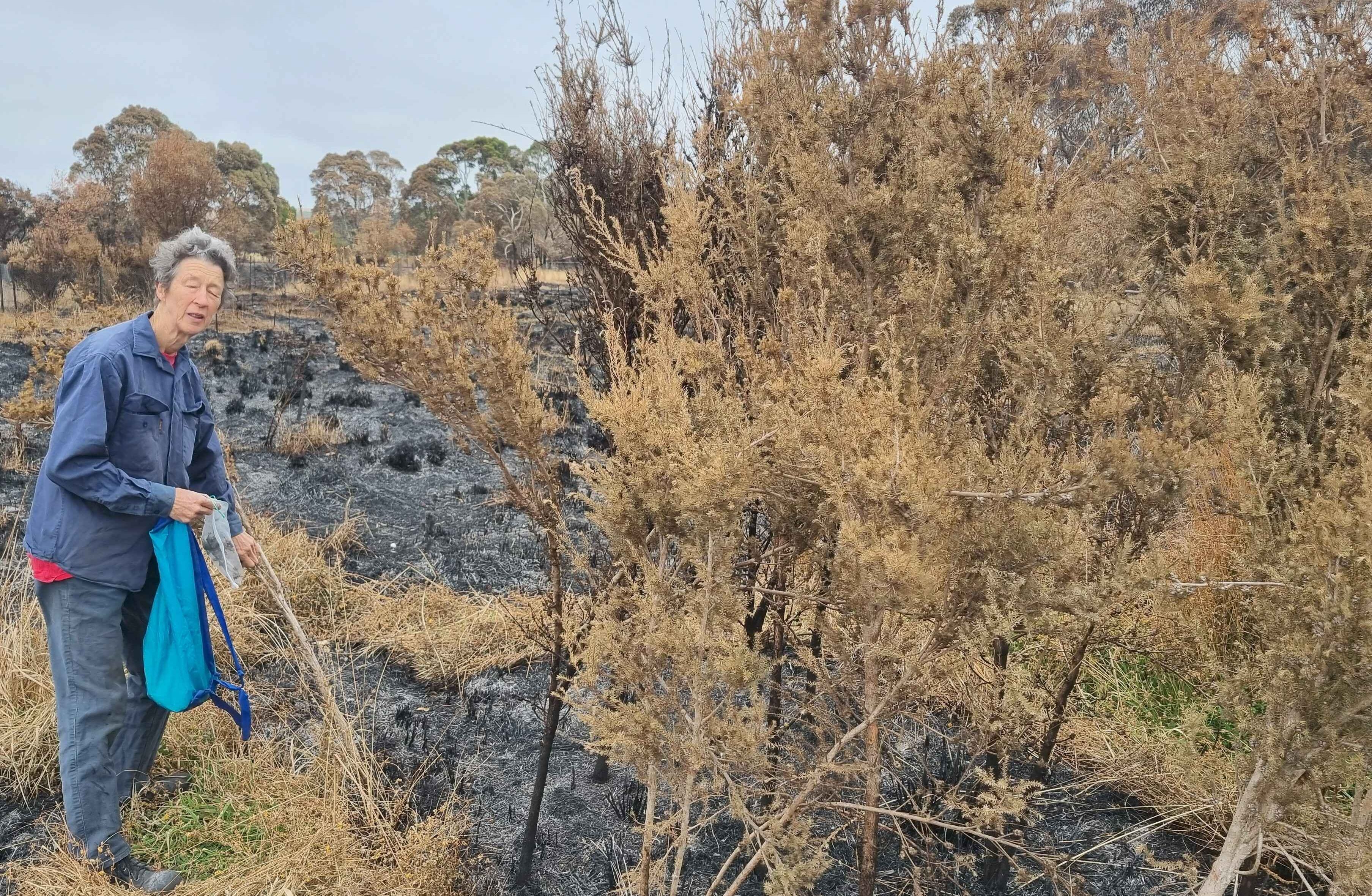
Numerous Fleurieu Peninsula Swamps in the Deep Creek and Nangkita-Tooperang firegrounds were affected. This unique ecological community provides important habitat for numerous threatened plant species, invertebrate species and threatened birds like the Mount Lofty Ranges southern emu-wren.
“The Swamps of the Fleurieu Peninsula are considered a nationally threatened ecological community, supporting a unique group of plants and animals. Affected areas span private and public land, and we are supporting landholders, including members of the Fleurieu Peninsula Swampholders Network, with weed control, flora surveys and seedlings for revegetation,” said Mr Price.
Revegetation sites
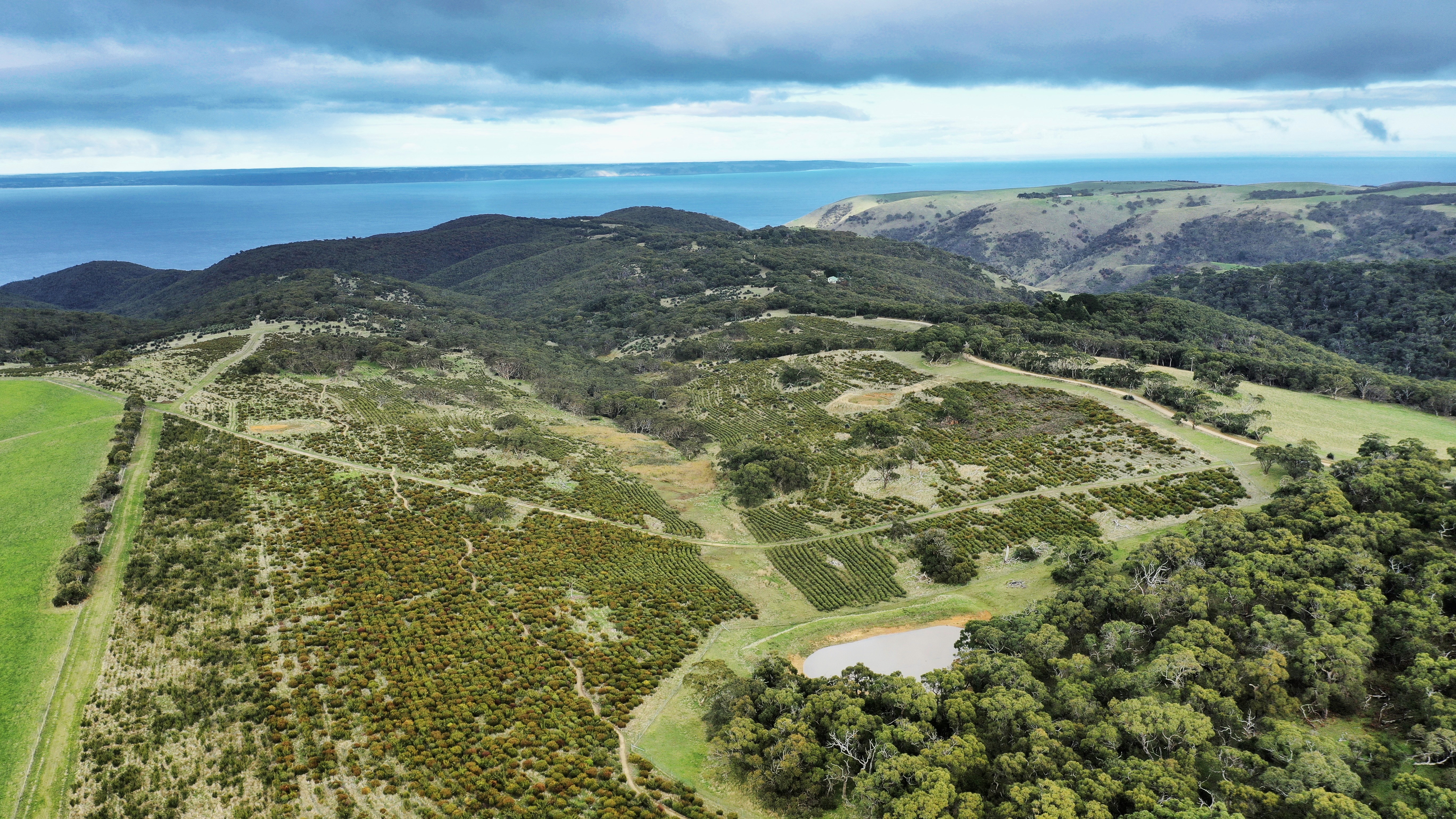
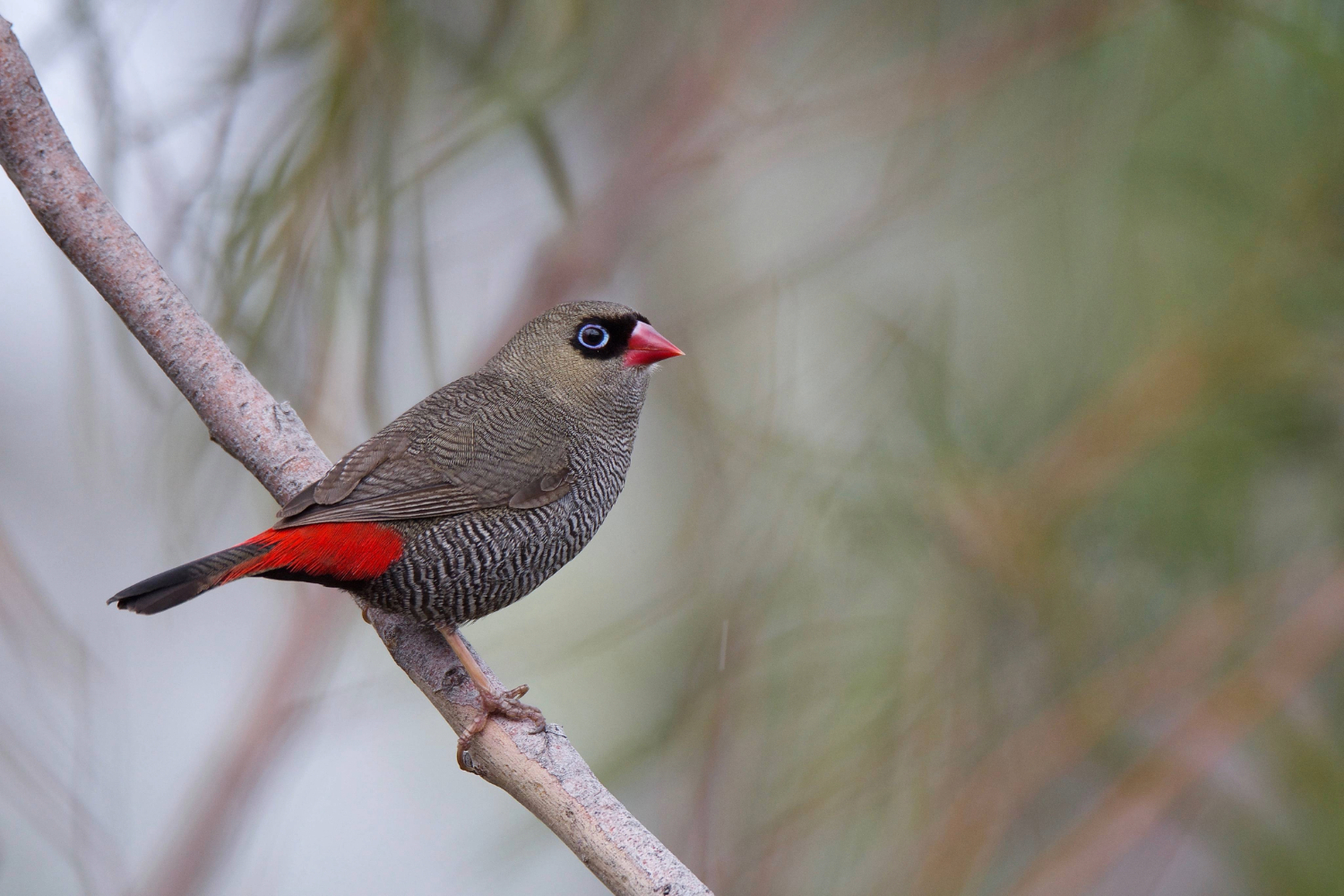
Approximately 40 hectares of heathland revegetation in Deep Creek National Park has been burnt. This forms part of over almost 300 hectares of threatened species habitat revegetated by Landscapes Hills and Fleurieu since 2016 with support from the Australian Government and State Government, through projects such as Back from the Brink. The revegetation provides habitat for nationally threatened species like the western beautiful firetail and southern emu-wren.
“While some heathland revegetation sites in Deep Creek were almost completely burnt, others were less affected. Thankfully, most of the burnt revegetation was old enough to have individuals that can survive and resprout or set viable seed, so we’re hopeful the revegetation will regenerate.
“The heath habitat is fire-dependent, with fire stimulating plant regeneration and helping maintain a suitable vegetation structure for our target heathland threatened species. However, fire intervals of between 20 to 50 years are generally preferred - so with vegetation less than 10 years old, the timing of this bushfire event isn’t ideal, but we’re optimistic we will see natural regeneration, particularly with appropriate management of weeds and exclusion of overabundant herbivores via fencing.
“We also lost significant sections of revegetation that were recently direct seeded and will infill affected areas by planting seedlings starting this winter. We’ve already re-fenced some sites within a week after the fire to exclude kangaroos and feral deer and have been undertaking early weed control to manage pest plants that typically emerge post-fire and compete with native seedlings,” said Mr Price.
Threatened species
Sites with populations of nationally threatened plant species such as the Kangaroo Island spider orchid and Deep Creek correa have been burnt.
Significant areas of habitat for threatened birds, mammals and invertebrates were burnt across both firegrounds, resulting in impacts to important populations.
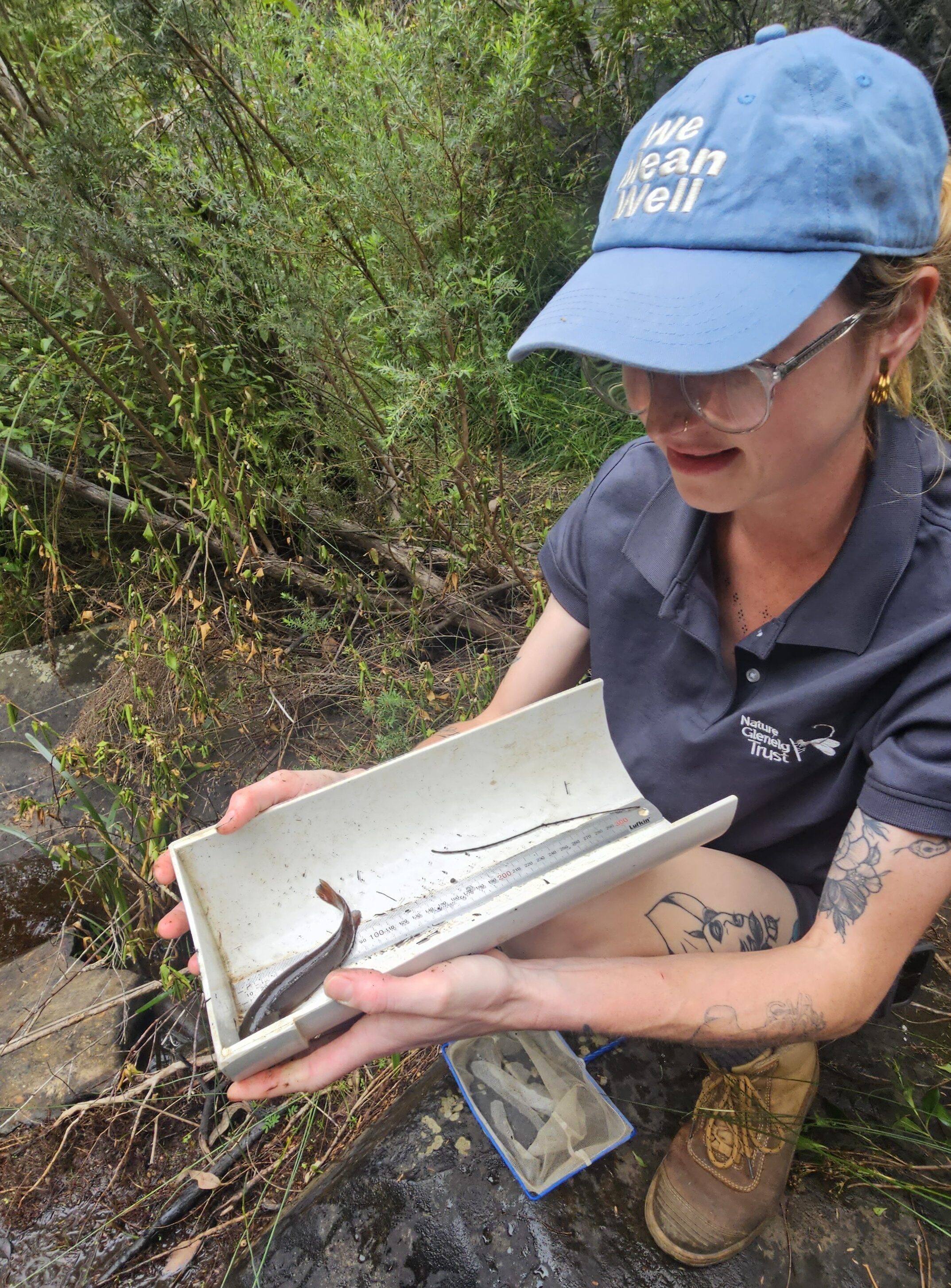
Our early aquatic surveys indicate overall declines in threatened freshwater fish populations in waterbodies within and downstream of Deep Creek and Tooperang-Nangkita firegrounds, largely due to poor post‑fire water quality in affected sites.
“We’re working closely with the DEW, National Parks and Wildlife Service South Australia (NPWSSA), and the South Australian Seed Conservation Centre to undertake recovery actions.”
“Some of the threatened plants, including orchids, affected by the fires have very low population sizes and may require additional support for recovery, so we’re fortunate to have the SA Seed Conservation Centre guiding this work. Previous works with the Centre have included translocation of some of these nationally threatened plants and protection from herbivores. We will assess how these natural and translocation sites have fared following the fire, and targeted flora surveys will commence in spring and continue over the next few years. Recent seed collections (including from last December), along with planned additional collections, will also support recovery efforts,” said Mr Price.
“Measuring the impact on fauna and flora takes time, and regular survey and monitoring data helps us better understand the required recovery actions. In some cases, initial survey work has been completed and while the fires have had serious consequences, early signs of persistence are beginning to emerge for some species.
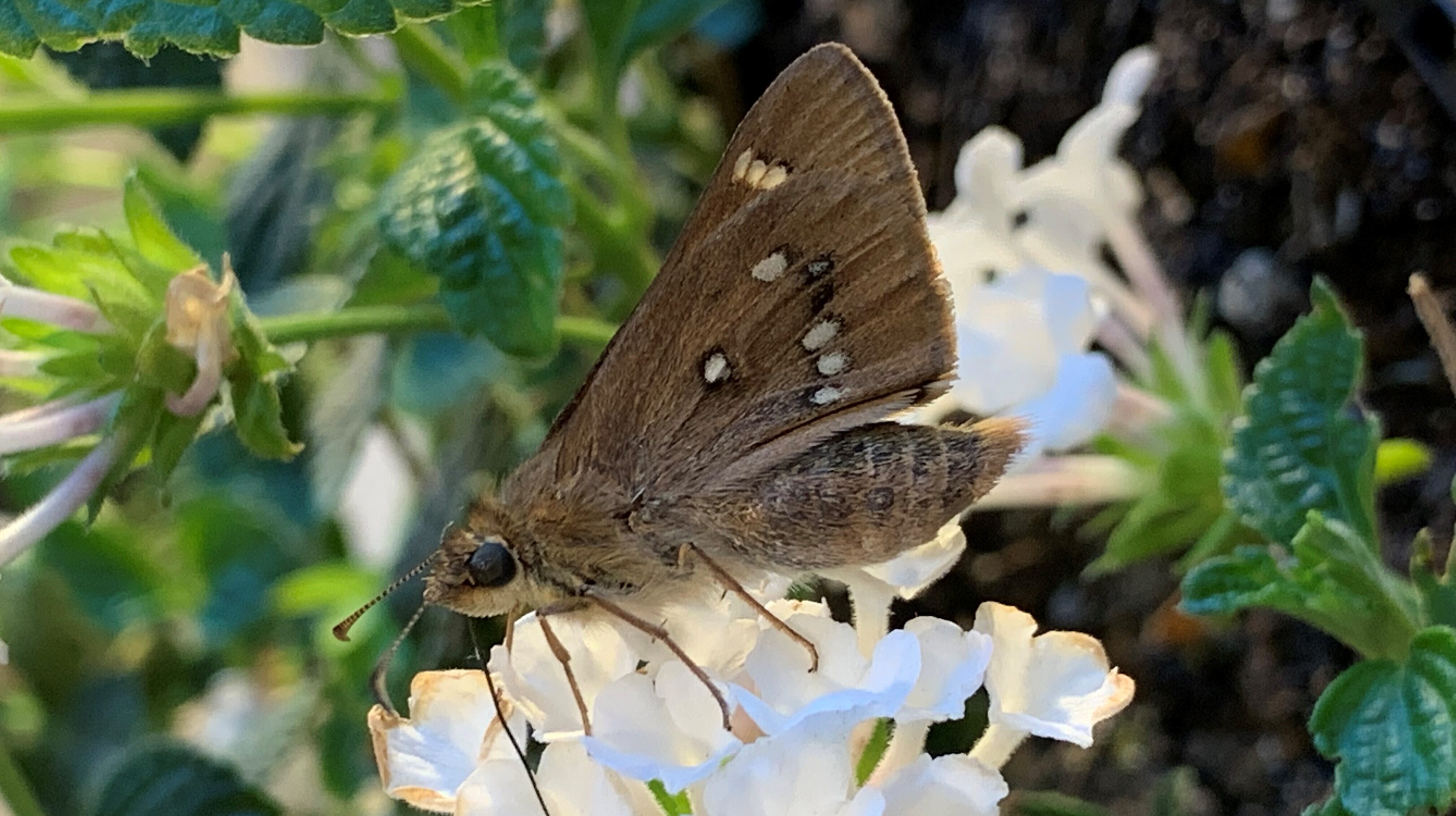
“In the Deep Creek fireground, early surveys by EntoSearch have suggested that the golden-haired sedge skipper, a very rare butterfly, considered a high priority for conservation by leading experts, has persisted at one unburnt site, which is encouraging. This site is a fenced area with established Ghania (its host plant), on private property, providing a secure area for potential re-population of adjoining burnt sites. We will continue monitoring and support local landholders with information and advice to improve the recovery of their swamps and anticipate a return of viable habitat, as well as support the recovery of the local population.
“In the Deep Creek area, initial surveys undertaken by Nature Glenelg Trust indicate that the poor water quality has seen a decline in vulnerable populations of climbing galaxias and other small-bodied fish species, however a small population (12 individuals) of climbing galaxias was found at one isolated site, and a single individual at another, which is promising. Ongoing surveys will help us determine required recovery efforts,” said Mr Price.
“At Nangkita and Tooperang, Nature Glenelg Trust has also undertaken threatened fish surveys for river blackfish and southern pygmy perch and have found that several key sites have been impacted but they are still present in a couple of locations, albeit in lower numbers. Control monitoring sites upstream and downstream of fire affected pools support fish which are currently doing okay, so we will continue to monitor fire affected and downstream sites to check water quality and fish health. Surveys indicate the river blackfish has become locally extinct, in the last few years, from two of the four catchments where it occurs, making the Nangkita and Tooperang population critically important.
“We will be funding spring bird surveys at over 50 long-term monitoring sites across the fireground and surrounding areas to assess the post-fire status of threatened species and are also supporting NPWSSA with bandicoot surveys at sites across the fireground. This will help build a clearer picture of how species are responding and where recovery efforts are best targeted.”
While fire has an immediate impact on vulnerable species, it also provides insight into the resilience of these ecosystems. Research and data collection over the coming months and years will build scientific understanding about future post-fire recovery efforts and threatened species conservation. Landscapes Hills and Fleurieu will continue this work alongside partners and guided by the Action Plan for Threatened Plants and Ecological Communities 2026-2040.
“We are grateful to the SA Country Fire Service, DEW, NPWSSA and farm firefighters for their extraordinary efforts to tackle the fires and protect many sites of ecological value. We have a lot of work ahead of us to manage the impacted ecosystems and species towards recovery but have a fantastic team of passionate people, land holders and organisations to give us the best chance of recovery and, given how local communities are already supporting each other, we remain optimistic about the path ahead,” said Mr Price.
Acknowledgements
- The Back from the Brink project is funded by the Australian Government Natural Heritage Trust and delivered by Hills and Fleurieu Landscape Board, a member of the Commonwealth Regional Delivery Partners panel.
- Threatened Flora recovery works are part funded by the Hills and Fleurieu Landscape Board and delivered by the SA Seed Conservation Centre
- Southern brown bandicoot surveys will be funded by the National Parks and Wildlife Service South Australia and supported by DEW and the Hills and Fleurieu Landscape Board
- Spring bird surveys will be funded by the Hills and Fleurieu Landscape Board and delivered by the National Parks and Wildlife Service South Australia
- Fish surveys are funded by Landscapes Hills and Fleurieu and delivered by Nature Glenelg Trust
- Golden-haired sedge skipper surveys are funded by the Hills and Fleurieu Landscape Board and delivered by EntoSearch
- Recovery actions, such as weed control, to help recovery of threatened species habitat and Fleurieu Swamps are funded by the Department for Environment and Water and Hills and Fleurieu Landscape Board and delivered by the Hills and Fleurieu Landscape Board.
- The Nangkita-Tooperang and Deep Creek Bushfire Recovery Grants are funded through the Landscape Priorities Fund and delivered by the Hills and Fleurieu Landscape Board.
- The development of the Action Plan for Threatened Species and Ecological Communities was supported by the Australian Government Natural Heritage Trust and the landscape levy. Views, opinions, and content do not necessarily reflect those of the Australian Government.
The Hills and Fleurieu Landscape Board is committed to walking alongside Kaurna, Peramangk and Ngarrindjeri Nations, listening, learning and working together to protect and restore the lands and waters on which we live and work.