Planning your rabbit control? Find out which control methods you can use this season and what’s changing with K5 calicivirus-treated carrots.

Latest News -
Restoring grassy woodlands for threatened birds and productive farms
A decade-long effort to restore grassy woodland landscapes for woodland birds in the Mount Lofty Ranges has seen more than 50,000 trees planted and habitat improved across more than 18,000 hectares of farmland.
Through partnerships between landholders, community organisations and government agencies, this work is helping restore the trees and habitat features that woodland birds depend on, while strengthening the health and resilience of farming landscapes.
Recent projects funded through the Landscape Priorities Fund and State Government demonstrate how different restoration approaches are contributing to this broader effort.
Since 2016, Trees For Life's Paddock Tree Project has partnered with landholders across the eastern Mount Lofty Ranges to establish and protect more than 32,000 paddock trees, helping improve habitat across nearly 18,000 hectares of productive farmland. Along with providing habitat for woodland birds, paddock trees also offer benefits such as livestock shelter, improved soil health and greater resilience to dry conditions.
While this work has focused on integrating habitat into working farms, a complementary approach over the past four years has prioritised conservation-focused and non-productive properties to restore grassy woodland landscapes. Working with landholders, Second Nature Conservancy planted, watered and protected more than 20,000 locally native trees across 200 hectares, helping restore habitat for woodland birds while maintaining the open woodland structure relied on by many ground-foraging species.
Dr Wendy Telfer, Nature Partnerships and Finance Lead at Landscapes Hills and Fleurieu, said the projects demonstrate how habitat restoration could be tailored to different landscapes and land uses.
“These projects show that restoring habitat is not a one-size-fits-all approach. Different landholders have different goals, opportunities and constraints. In some places, that means integrating paddock trees into productive farming systems. In others, it means restoring habitat features across conservation-focused properties.
“What these approaches have in common is that they work with landholders to put back habitat that birds depend on, while supporting healthy and resilient landscapes.”
The projects contribute to the broader ReBird the Ranges initiative, a collaboration of 25 organisations working together to reverse the decline of woodland birds across the Mount Lofty Ranges.
With much of the region's original grassy woodland cleared or fragmented and almost 80 woodland bird species in decline, ReBird the Ranges is bringing together landholders, community organisations, researchers and government agencies to protect, enhance and reconstruct habitat across the landscape.
Dr Telfer said the achievements of the past decade demonstrate what can be achieved through long-term collaboration.
“The progress made over the past decade shows what is possible when landholders, communities and organisations work together toward a shared goal.”
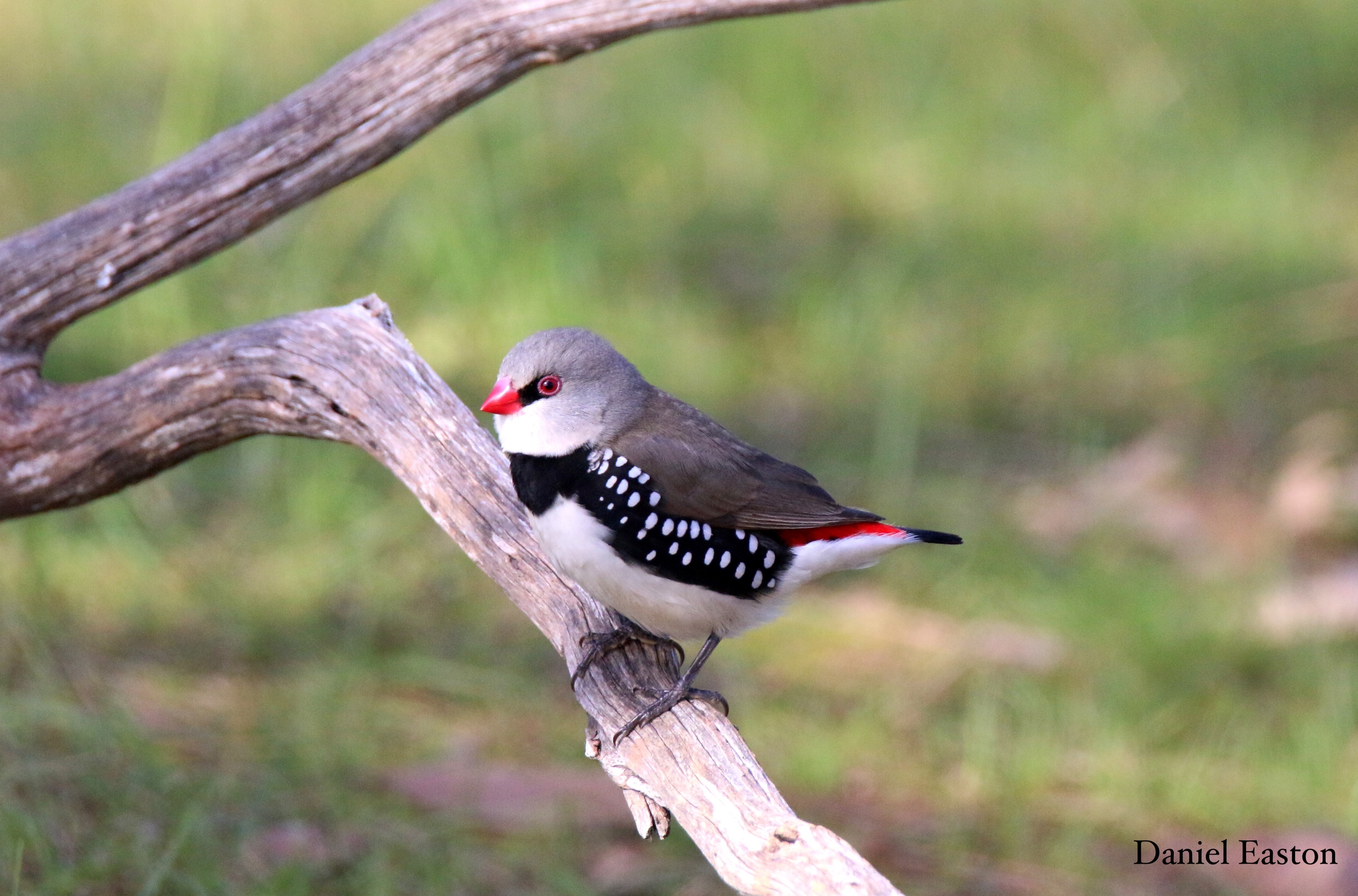
One of the properties involved in the project is at St Ives, where Robert and Glenda Mock partnered with Second Nature Conservancy to enhance habitat for woodland birds on their 150-acre property.
“We are really pleased to have Second Nature Conservancy partnering in the continuing revegetation of our property,” said Robert.
“It is steep country and hard to get around with a vehicle. As we are both over 70 now, the support has been invaluable in helping us achieve our revegetation goals.”
“Elegant Parrots, Rainbow Bee-eaters and Red-browed Finches seem to agree that our place is good to move into now. We can sense that the Diamond Firetails won't be far behind as they are only a kilometre away.”
“The dry conditions and grazing pressure from kangaroos have certainly tested us, but it is rewarding to see fresh growth return once the trees are protected.”
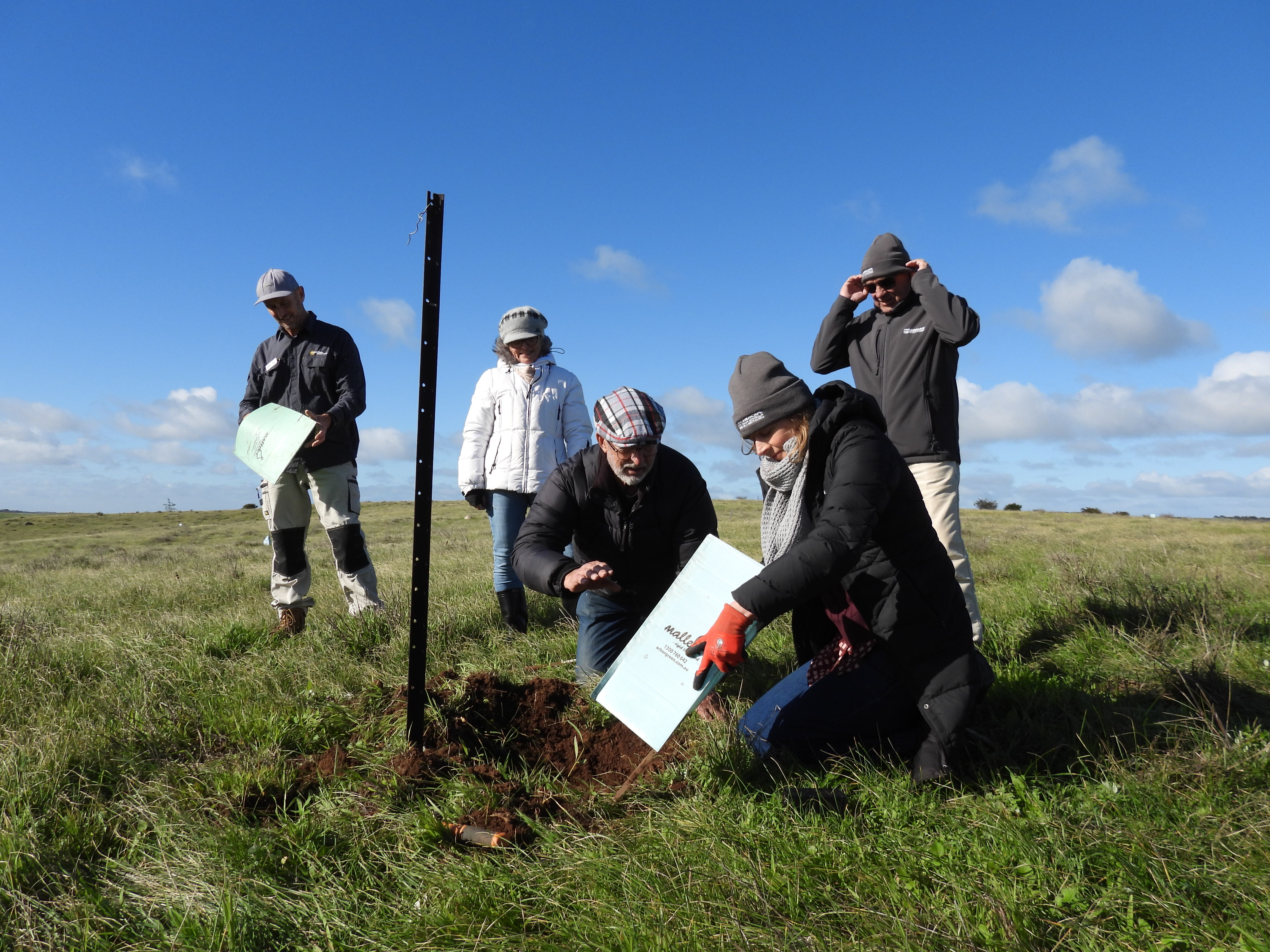
This project was delivered by Landscapes Hills and Fleurieu, the Department for Environment and Water, Trees For Life and Second Nature Conservancy, with support from the Landscape Priorities Fund and the South Australian Government.