Planning your rabbit control? Find out which control methods you can use this season and what’s changing with K5 calicivirus-treated carrots.

Latest News -
Feral olives recognised as a national priority for control
A significant milestone has been reached in the fight against feral olives, with the pest formally recognised as a National Established Weed Priority (NEWP).
The recognition follows a nomination led by Landscapes Hills and Fleurieu, with strong support from government agencies, landscape boards, councils, environmental organisations and community groups concerned about the threat feral olives pose across southern Australia.
Susan Ivory, Stewardship Team Leader at Landscapes Hills and Fleurieu, said the decision highlights the importance of collaboration in tackling invasive species.
"This outcome reflects the collective efforts of the many organisations and individuals who supported the nomination and highlights the growing recognition of feral olives as an issue of national importance."
Despite being a declared pest plant in South Australia, feral olives (Olea europaea) continue to spread and impact landscapes across the Hills and Fleurieu region. African olives are the primary concern in the eastern states, while European olives pose the greatest challenge in South Australia. Both varieties invade native vegetation, forming dense infestations that crowd out native species and degrade ecosystem health.
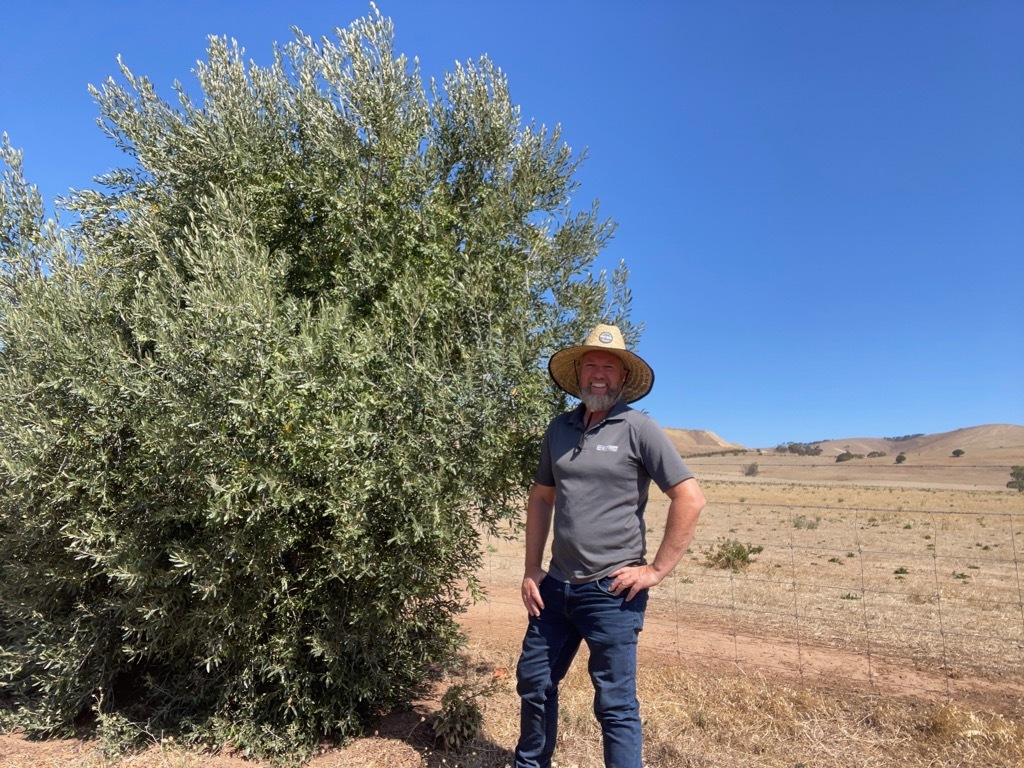
“Many of groups who provided letters of support for this nomination are concerned about fire risk, the complete loss of understorey species and the impact on already stressed native trees. Negative impacts on threatened Grey Box Grassy Woodlands are also of particular concern”.
The pest was one of 14 species recognised as a National Established Weed Priority through a national assessment process.
"National recognition helps raise awareness of the impacts of feral olives and supports greater collaboration on management efforts across Australia.
"We also extend congratulations to our colleagues at the Limestone Coast Landscape Board, who were successful in leading the nomination for African lovegrass to be recognised as a NEWP. It's another important step forward for coordination in the fight against invasive weeds," said Ms Ivory.
Other invasive plants recently recognised as a National Established Weed Priority (NEWP) - that will assist efforts in the Hills and Fleurieu region - include Arum lily, Sea spurge and Erica species.
Landscapes Hills and Fleurieu thanks all organisations and community members who supported the nomination and helped achieve this important national outcome.