The Landscapes Hills and Fleurieu office will be closed on Wednesday 21 October and will reopen on Thursday 22 October. Our phones will not be monitored during this time

Managing kangaroos on your property
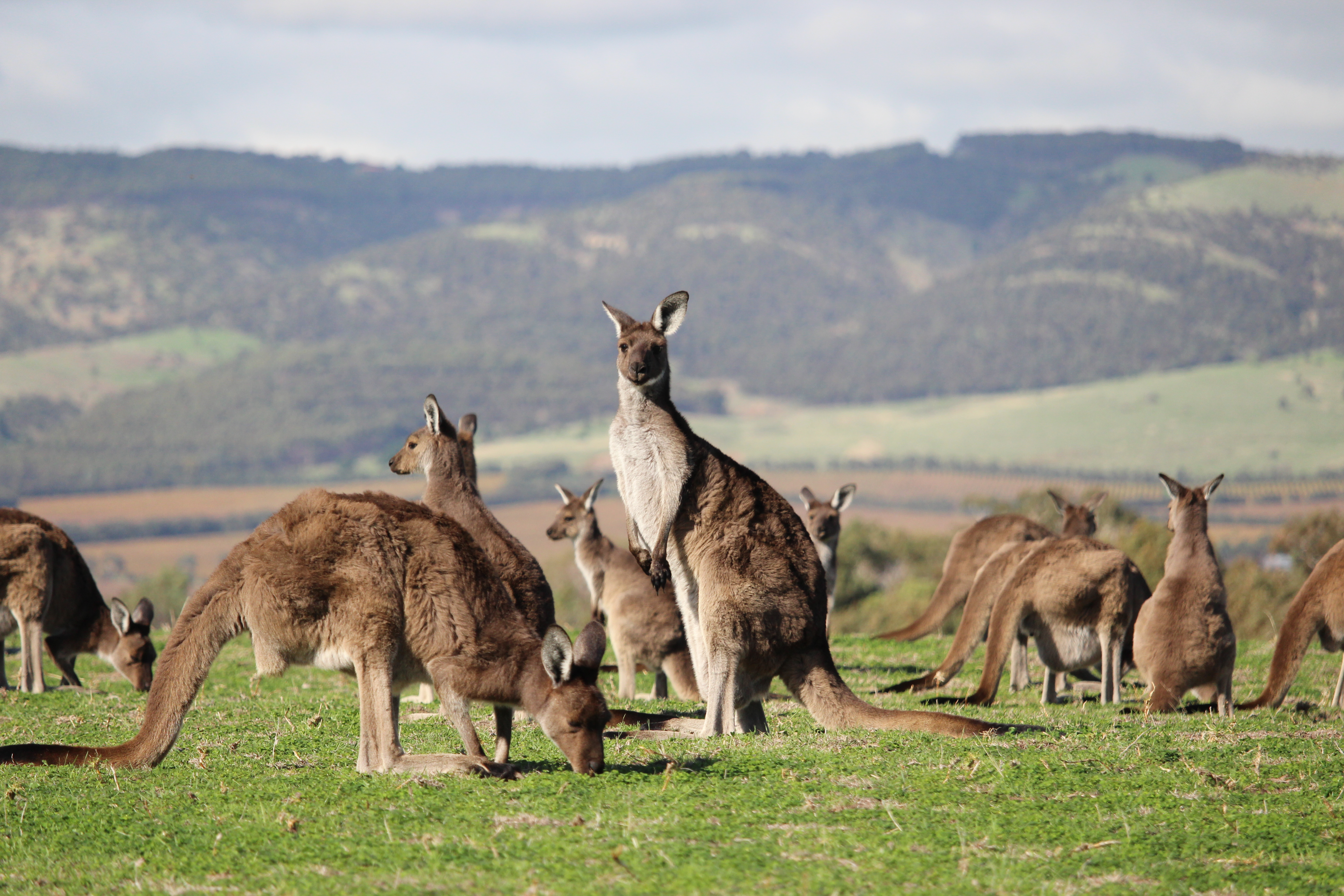
Kangaroos are an iconic part of the Australian landscape, but across parts of the Hills and Fleurieu their populations have grown to levels that can cause problems.
As a land manager, you know how challenging it can be when kangaroo numbers rise. Too many kangaroos on your property can damage pastures, crops, fences and native vegetation, and can even create safety risks on nearby roads.
This page is designed to help you understand why kangaroo populations have grown, the impacts they can have on the land, and the legal, safe, and effective options available for managing them.
Why kangaroo populations have grown
Several environmental and human factors have contributed to the overabundance of kangaroos, particularly in South Eastern Australia. The absence of natural predators, such as dingos, combined with extended periods of drought following successive good seasons, has led to increased kangaroo numbers that impact crops, pastures and native vegetation.
Agricultural changes, including the creation of pastures and artificial watering points, have provided ideal conditions for kangaroos to thrive outside their natural range. This intensifies the natural ‘boom and bust’ cycles of kangaroo populations, where numbers surge after good seasons and decline during droughts.
Kangaroos are protected under the National Parks and Wildlife Act, so management options are limited. While commercial harvesting occurs in some areas, it only affects a small portion of the population due to low commercial viability.
Environmental impacts of kangaroo's
Kangaroos are a natural part of the Australian landscape, but when their numbers become very high, they can have significant impacts on the environment.
Vegetation and ecosystem Health
High densities of kangaroos can overgraze pastures and native vegetation. This reduces plant diversity, prevents seedlings from growing, and can alter the structure of ecosystems. In some areas, sensitive species such as orchids, bandicoots, and woodland birds are affected because their habitat is damaged or destroyed.
Soil and land condition
Overgrazing by kangaroos can also lead to soil compaction and erosion. When ground cover is reduced, the land becomes more vulnerable to wind and water erosion, which can reduce soil fertility and further degrade ecosystems.
Competition with other wildlife
Large kangaroo populations can compete with other native herbivores for food and water. In some cases, this can reduce the survival and reproduction of smaller or rarer species, affecting overall biodiversity.
Landscape balance
Managing kangaroo numbers is not about removing them entirely, but keeping populations at levels that ecosystems can support. Balanced populations allow kangaroos to have adequate food and space while protecting native plants, other wildlife and overall landscape health.
How landholders can manage kangaroos
All kangaroo species in South Australia are protected under the National Parks and Wildlife Act 1972. The Department for Environment and Water (DEW) is responsible for regulating their management and ensuring that any control measures are carried out lawfully and humanely.
The department encourages land managers to use non-lethal methods wherever possible, such as fencing, deterrents, or limiting access to water to reduce kangaroo impacts. However, in some cases, population control may be necessary to balance environmental health, agricultural production and animal welfare.
There are two main legal pathways for managing kangaroo numbers:
- Commercial harvest – Licensed kangaroo field processors (shooters) may harvest kangaroos within designated commercial harvest zones and supply carcasses to approved meat processors for human consumption or pet food.
- Permit to destroy wildlife – Landholders outside the commercial harvest zone, or those wishing to undertake non-commercial control, can apply to DEW for a permit. This allows a specified number of kangaroos to be destroyed on the property. Carcasses must remain on site unless ‘personal use’ tags are purchased.
Animal welfare is a key consideration in all management activities. Both commercial and non-commercial shooters must follow strict codes of practice to ensure humane destruction and handling. It is illegal to harm or destroy kangaroos without appropriate authorisation.
To find out more about kangaroo management options, visit the Department for Environment and Water's Kangaroo Conservation and Management webpage.
 PIRSA: Reducing grazing pressure through kangaroo management
 Regional Grazing Pressure Management Fact Sheet