
Updating the Eastern and Western Mount Lofty Ranges Water Allocation Plans
 Back to projects
- Project status Current
The Water Allocation Plans for the Eastern and Western Mount Lofty Ranges have been reviewed and are now being amended.
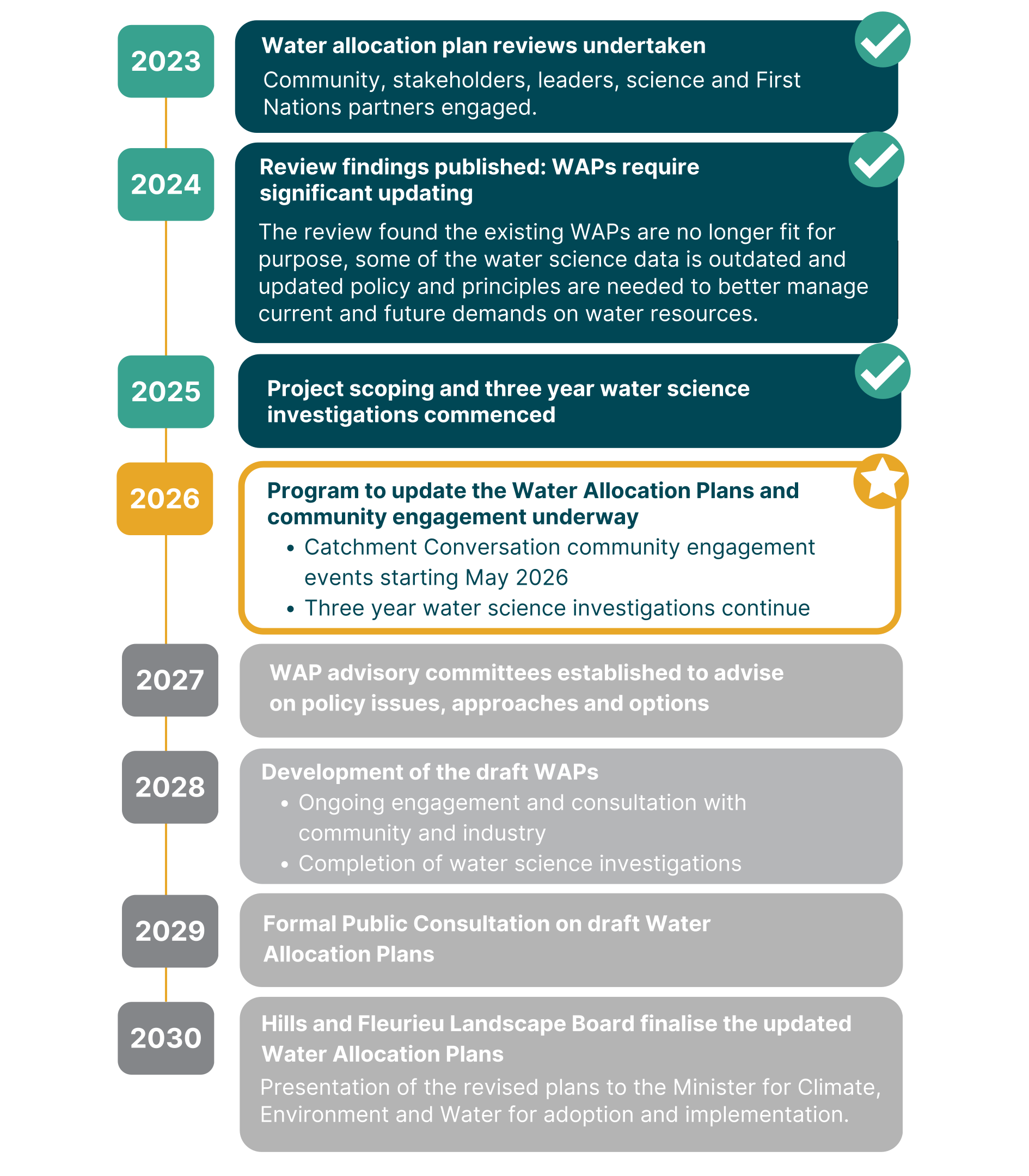
The process to amend these plans began in 2025 and is expected to continue through to 2029, resulting in updated Water Allocation Plans for both regions.
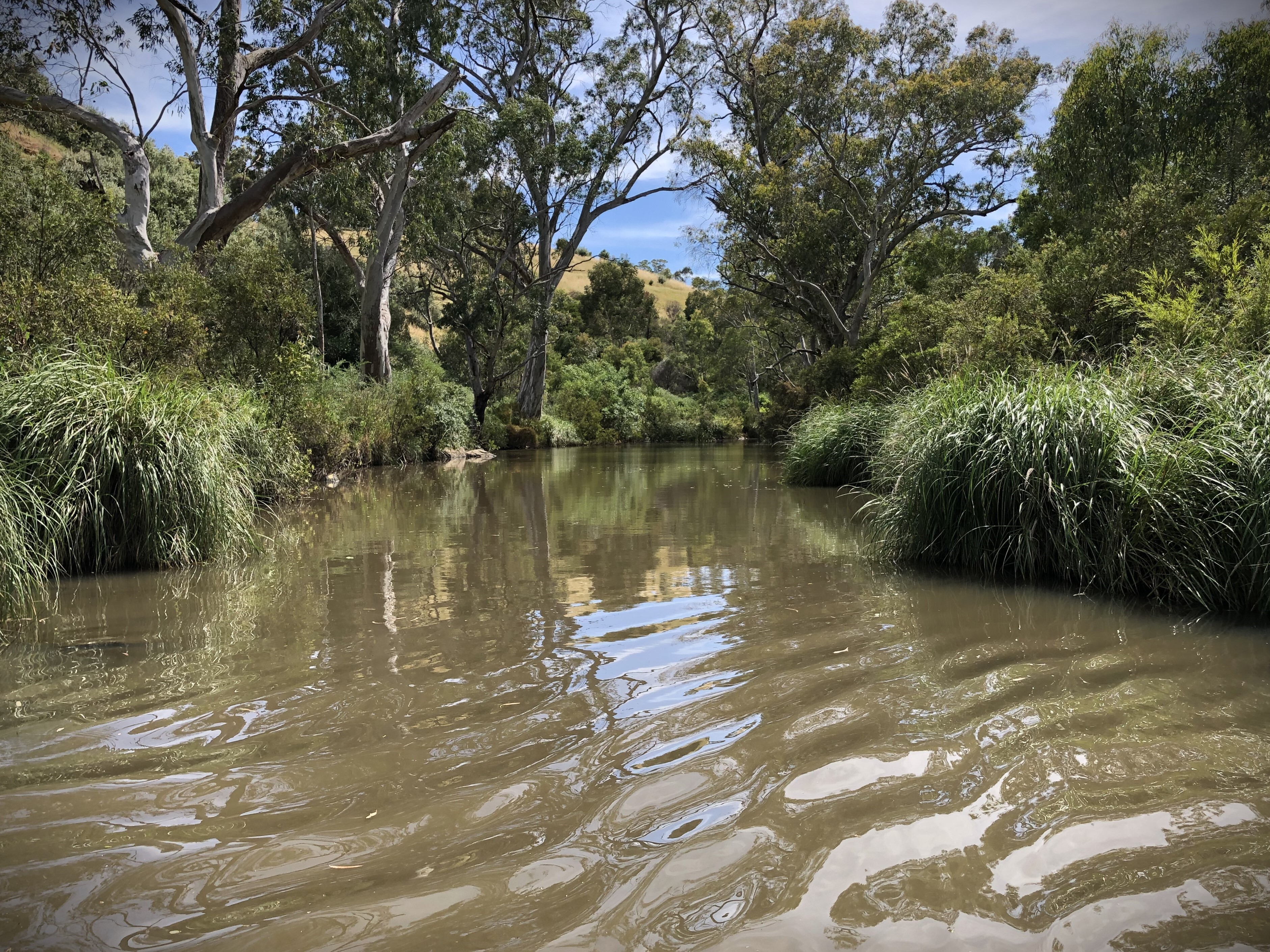
This is an important opportunity to reflect on how water is shared and used across our catchments, and how different uses collectively affect natural flow paths, farms and aquatic ecosystems. Healthy creeks and rivers support native species, productive landscapes and resilient communities, and achieving this relies on shared solutions.
Supporting sustainable water use into the future may involve practical changes on the ground, as well as ongoing conversations about how we value and manage water across our communities.
Planning for climate change is also essential, as rainfall patterns shift and water availability becomes less predictable.
Throughout the amendment process, all water licensing business will continue as usual. The Department for Environment and Water remains your key contact for all licensing matters.

Join a Catchment Conversation
Help shape future Water Allocation Plans across the Hills and Fleurieu.
How do the plans get amended?
Amending the Mount Lofty Ranges plans is a staged, multi‑year process. New science information will become available over time, and that evidence, alongside community knowledge and values, will help shape future management options. No decisions have been made yet, and this work will progress in steps, with opportunities for discussion and input along the way.
The section below explains what we’ve learned so far, how the amendment process works and how you can stay involved.
The Eastern and Western Mount Lofty Ranges Water Allocation Plans are legal documents that provide the regulatory framework for responsible, fair and equitable water allocations for users of surface, watercourse and ground water resources, whilst supporting the health of our landscapes and ecosystems.
The water allocation plan must be reviewed within 10 years of adoption to ensure it is still effectively managing the risks to the water resource, the environment and the community. Reviews on the existing Eastern and Western Mount Lofty Ranges WAPs took place between 2022 - 2024 and found they are no longer fit for purpose, as they rely on outdated rainfall data, do not reflect increased climate variability, and are based on an unsustainable water balance.
Amending the plans is a complex, multi-year process underpinned by community and cultural values, new knowledge, data and science.
Findings of the review of the 2013 Water Allocation Plans
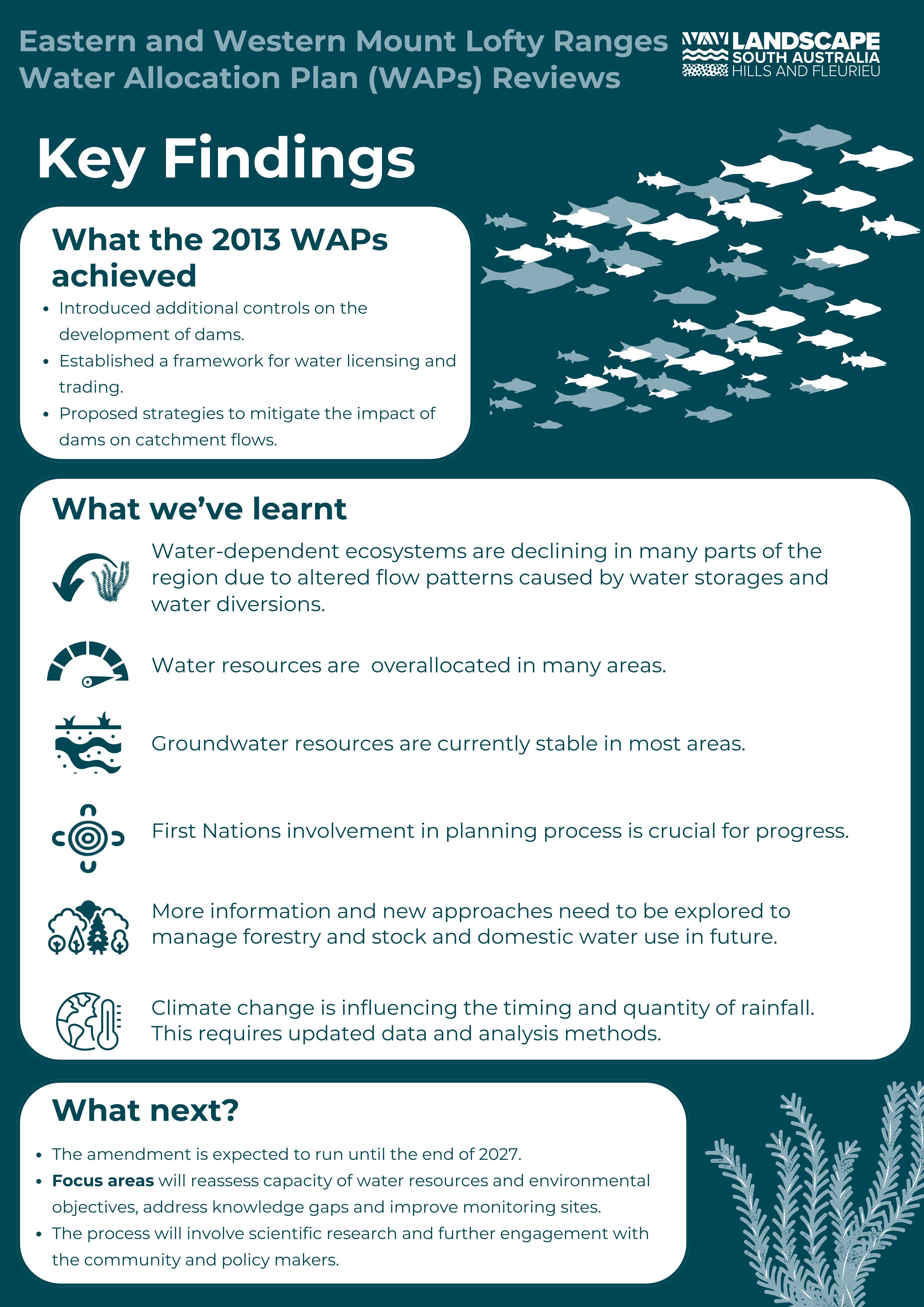
The review of the current Water Allocation Plan's found that they were successful in:
Establishing a framework for water licensing and trading.
Introducing additional controls on the development of dams.
Proposing strategies to mitigate the impact of dams on catchment flows.
Key learnings of the review were:
Groundwater resources are currently stable in most areas.
Water-dependent ecosystems are declining in many parts of the region due to altered flow patterns caused by water storages and water diversions.
Water resources are over-allocated in many areas.
Climate change is influencing the timing and quantity of rainfall. This requires updated data and analysis methods.
First Nations involvement in planning process is crucial for progress.
More information and new approaches need to be explored to manage forestry and stock and domestic water use in future.
How the plans will be updated
The amendment process involves developing policy revisions or new policy elements in alignment with findings identified during the review process.
These revisions are developed with support from the Water Allocation Plan Advisory Committees. They are then further tested with stakeholders and community through consultation. Feedback from consultation may result in revisions being changed and then tested again with stakeholders and community. The process is iterative as revisions are interconnected.
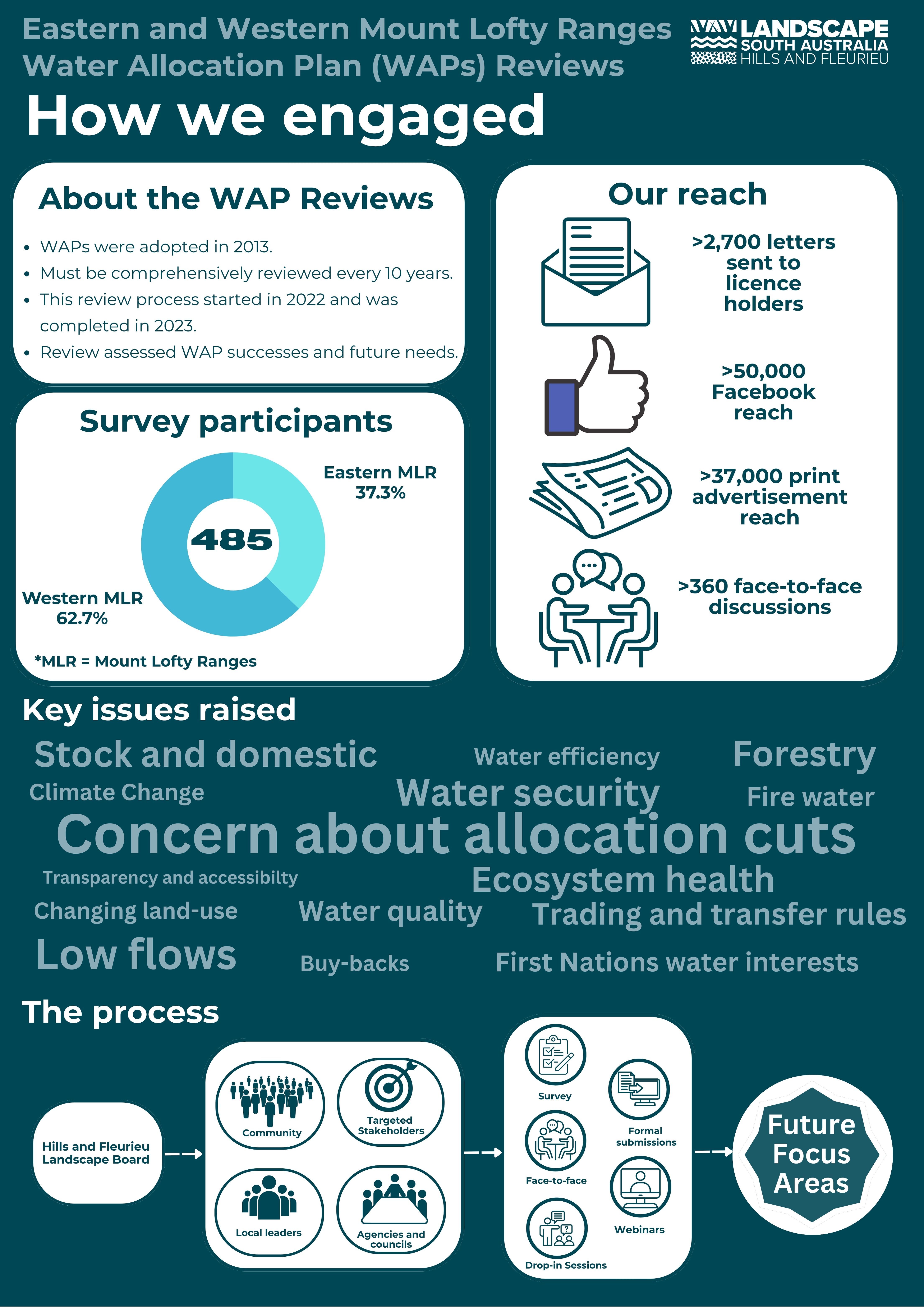
The amendment phase has commenced and will involve detailed technical investigations to address knowledge gaps and will also include significant community engagement, including:
Forming Water Allocation Plan Advisory Committees (WAPACs).
Consulting targeted interest groups.
Engaging with communities in the Eastern and Western Mount Lofty Ranges.
We are mindful that water users need to be kept informed of the process and any changes that could impact their businesses so that they can plan and make informed decisions. Throughout the process we will ensure to communicate:
clear information about any imminent changes so that it enables forward planning for water users,
how the changes might impact water users,
the types and scale / extent of amendments that are required,
the type and source of information and evidence that will be used to address knowledge gaps during the amendment process, and
the intended outcomes of any amendments (i.e. how the balance between environment, business and social values/needs are weighted).
We will continue engaging with communities and interest/business groups as our understanding grows and can be applied. As the amendment process continues, we encourage you to stay informed and participate in upcoming opportunities.
Timeline
Be part of the conversation
We want to hear from a wide range of voices as we begin updating the Water Allocation Plans for the Mount Lofty Ranges. Local knowledge, lived experience and different perspectives all play an important role in shaping good water planning.
One of the key ways to get involved will be through our Catchment Conversation events. These are relaxed, informal sessions where community members can come together to talk about local water issues and what should be considered as planning moves forward. Learn more or find an event near you here.
If you have any questions or would like to learn more, please get in touch via our contact us page.
Sign up for updates
Stay informed as we update the water allocation plans
Get email updates on progress, key milestones and opportunities to have your say as we work through the water allocation plan amendments.
Frequently asked questions
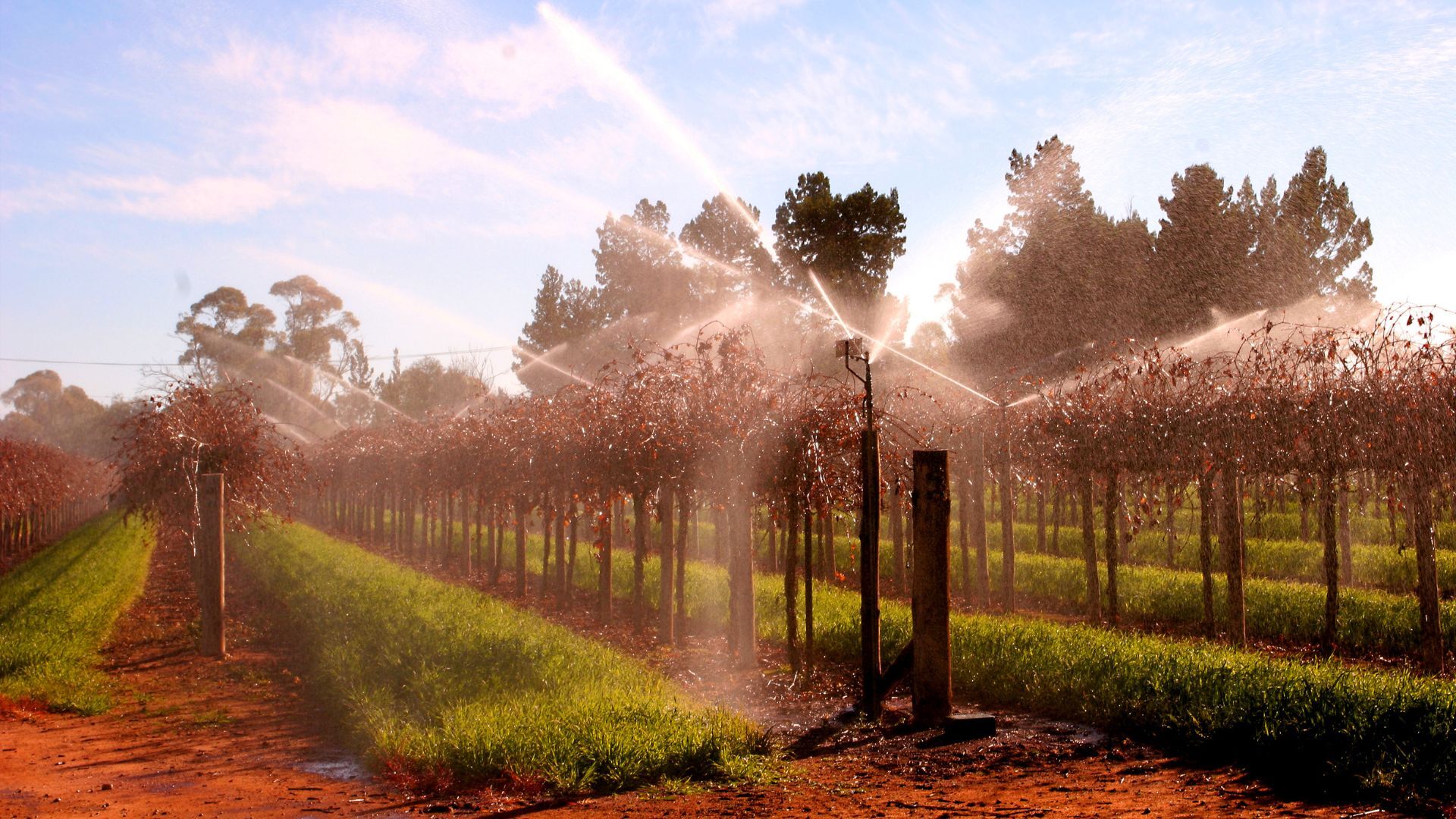
A water allocation plan (WAP) is a legal document which ensures the needs of the environment are taken into account when determining how much water is available to be taken and used for other purposes. Water allocation plans set out the amount of water available for use, how that water may be allocated to water users, rules around trade of water, and the types of activities permitted with that water.
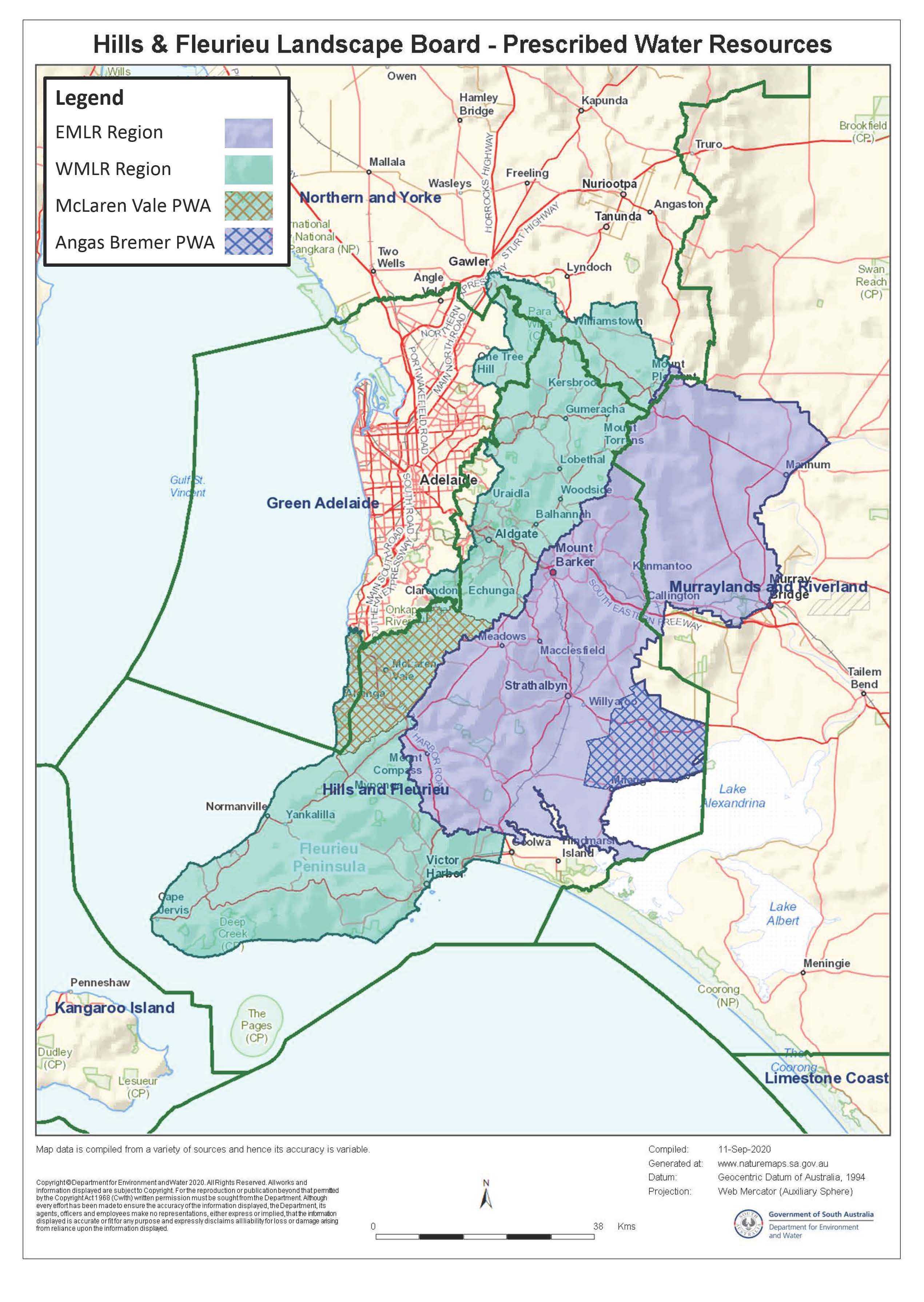
Both surface water and groundwater is prescribed in the Eastern Mount Lofty Ranges (EMLR) and Western Mount Lofty Ranges (WMLR).
Water allocation plans ensure the long-term sustainable, fair, and secure distribution of water resources among environmental, social, and economic needs. By setting clear rules for water usage and taking into account scientific data, WAPs manage the availability of water, support ecological health, and provide certainty for water users and for communtiies. community
The 2024 review of the Eastern and Western Mount Lofty Ranges WAPs found that amendments to the WAP policies are required to address gaps and limitations and to bring the science, policy and implementation
Water allocation plans are amended to update policies based on new scientific data, adapt to changing climate conditions, and ensure the sustainable management of water resources.
The recent review of the WAPs identified key focus areas which require revision to ensure that they remain appropriate to meet environmental and community need. We will work with community to identify water policy options and understand trade-offs between environmental, social and economic water needs
To support the process there is a program of water science underway which will inform us about the status and condition of the water resources in the prescribed areas, and the water requirements of the ecosystems which depend on water.
The Hills and Fleurieu Landscape Board will work with all interested stakeholders to ensure views are heard throughout the process of updating the WAPs.
Amending the plans is a complex, multi-year process underpinned by community and cultural values, new knowledge, data and science.
Currently the Board is investing in a program of water science to provide new knowledge which will inform the process to update WAP policies. For this reason we don’t expect to have new plans in place until 2030.
We will continue to communicate progress and there will be many opportunities to engage with us to share your knowledge and help shape policies in the WAPs.
The Hills and Fleurieu Landscape Board is keen to hear your perspectives on water planning in the region – what’s working, what’s under pressure, and how the plans can support water users into the future.
One of the key ways to get involved will be through our Catchment Conversation events. These are relaxed, informal sessions where community members can come together to talk about local water issues and what should be considered as planning moves forward. Learn more or find an event near you here.
If you have any other questions or would like to learn more, you can also get in touch via our contact us page.
Stay informed as we update the Water Allocation Plans
Get email updates on progress, key milestones and opportunities to have your say as we work through the water allocation plan amendments.
You might also like
-
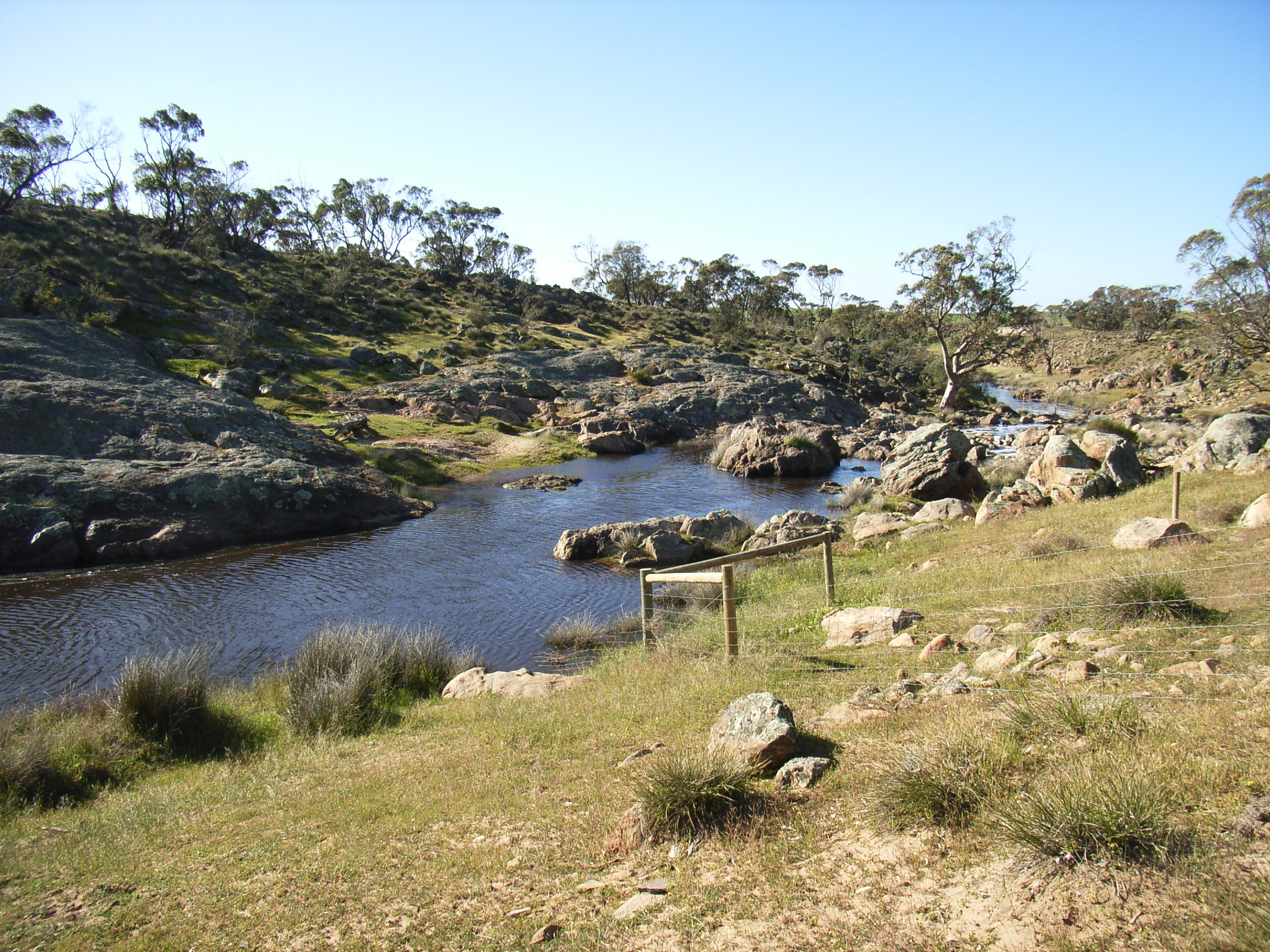
Western Mount Lofty Ranges Water Allocation Plan
Read More About Western Mount Lofty Ranges Water Allocation Plan
-
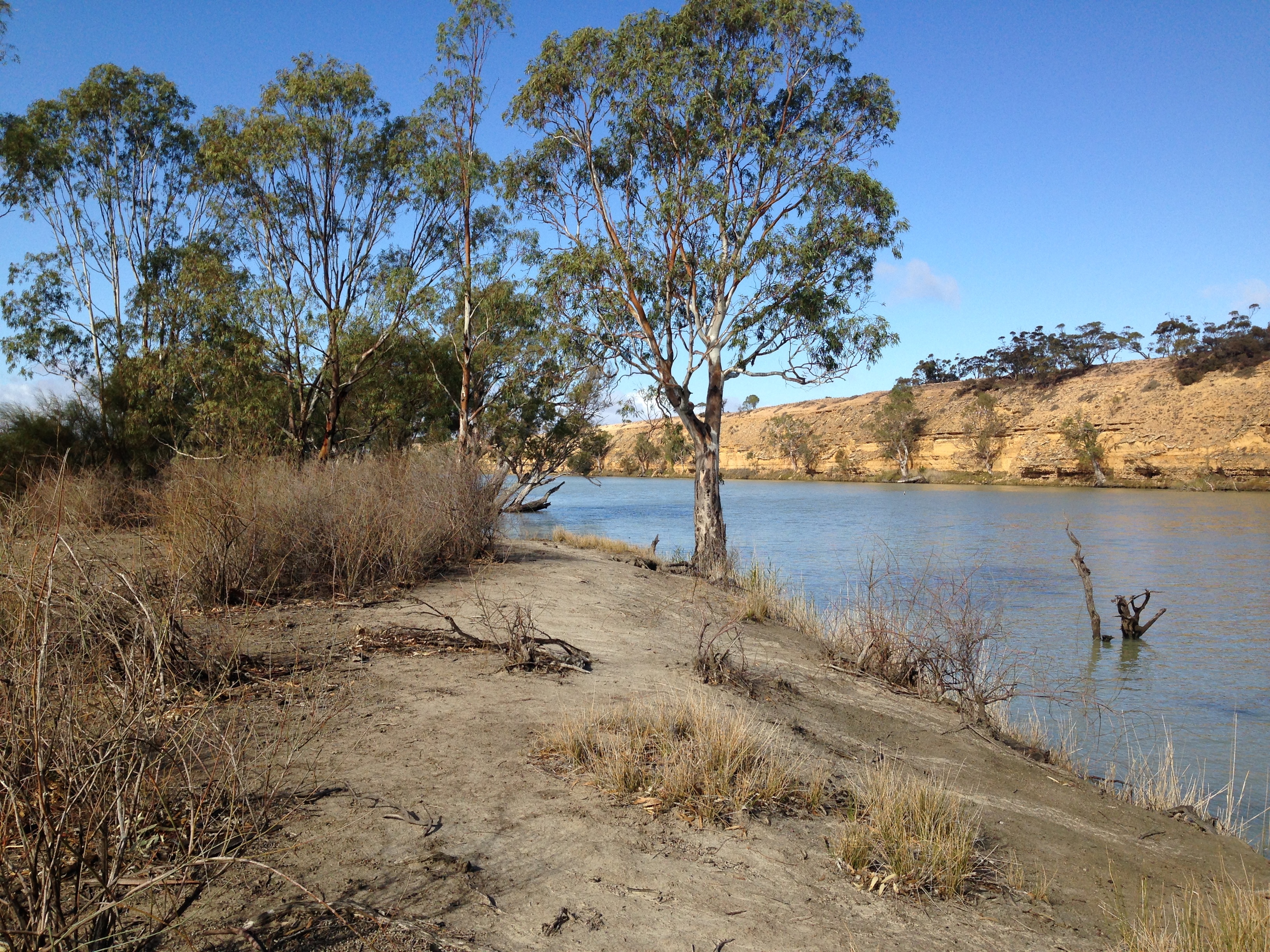
Eastern Mount Lofty Ranges Water Allocation Plan
Read More About Eastern Mount Lofty Ranges Water Allocation Plan
-
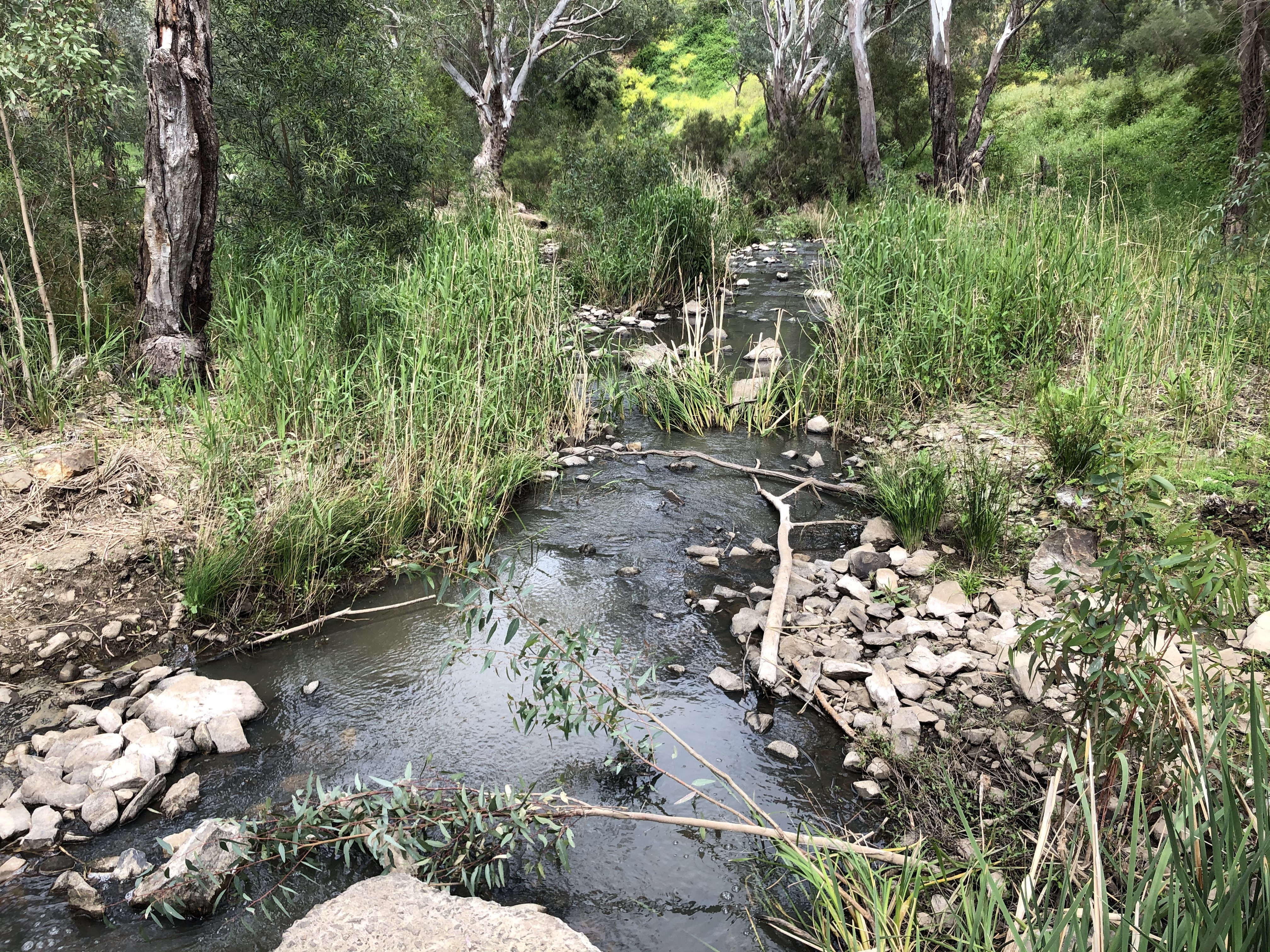
Review of the 2013 Mount Lofty Ranges Water Allocation Plans
Read More About Review of the 2013 Mount Lofty Ranges Water Allocation Plans
-
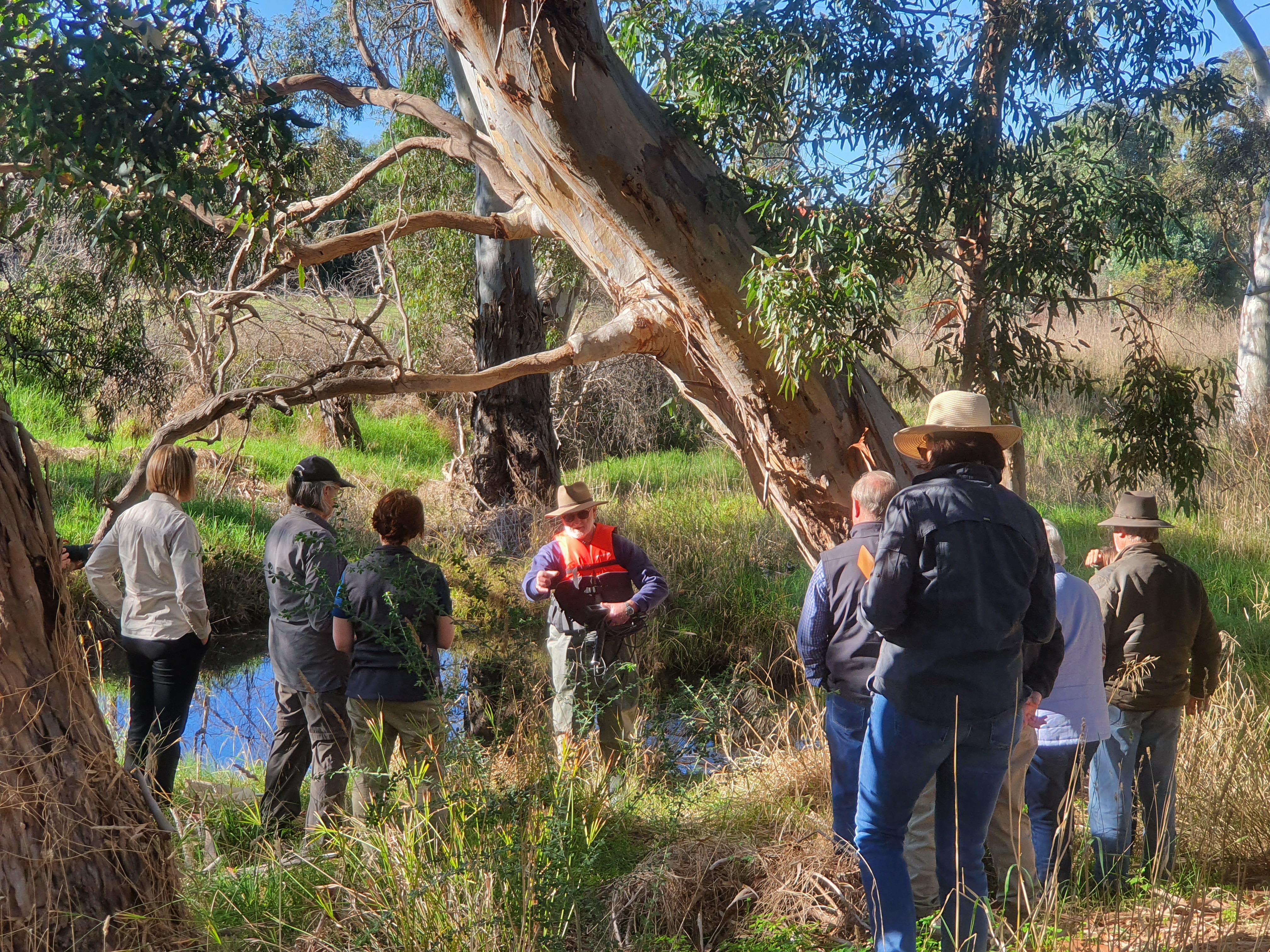
Join a Water Catchment Conversation
Read More About Join a Water Catchment Conversation
The Hills and Fleurieu Landscape Board is responsible for the review and amendment of the Eastern and Western Mount Lofty Ranges Water Allocation Plans (WAPs) in accordance with the Landscape South Australia Act 2019. The implementation of the plans is a shared responsibility with the Department for Environment and Water.