H5 Bird Flu: If you notice multiple sick or dead birds or other animals record your location and report it to the 24-hour Emergency Animal Disease Hotline on 1800 675 888.

Managing declared weeds on roadsides
 Back to projects
- Project status Current
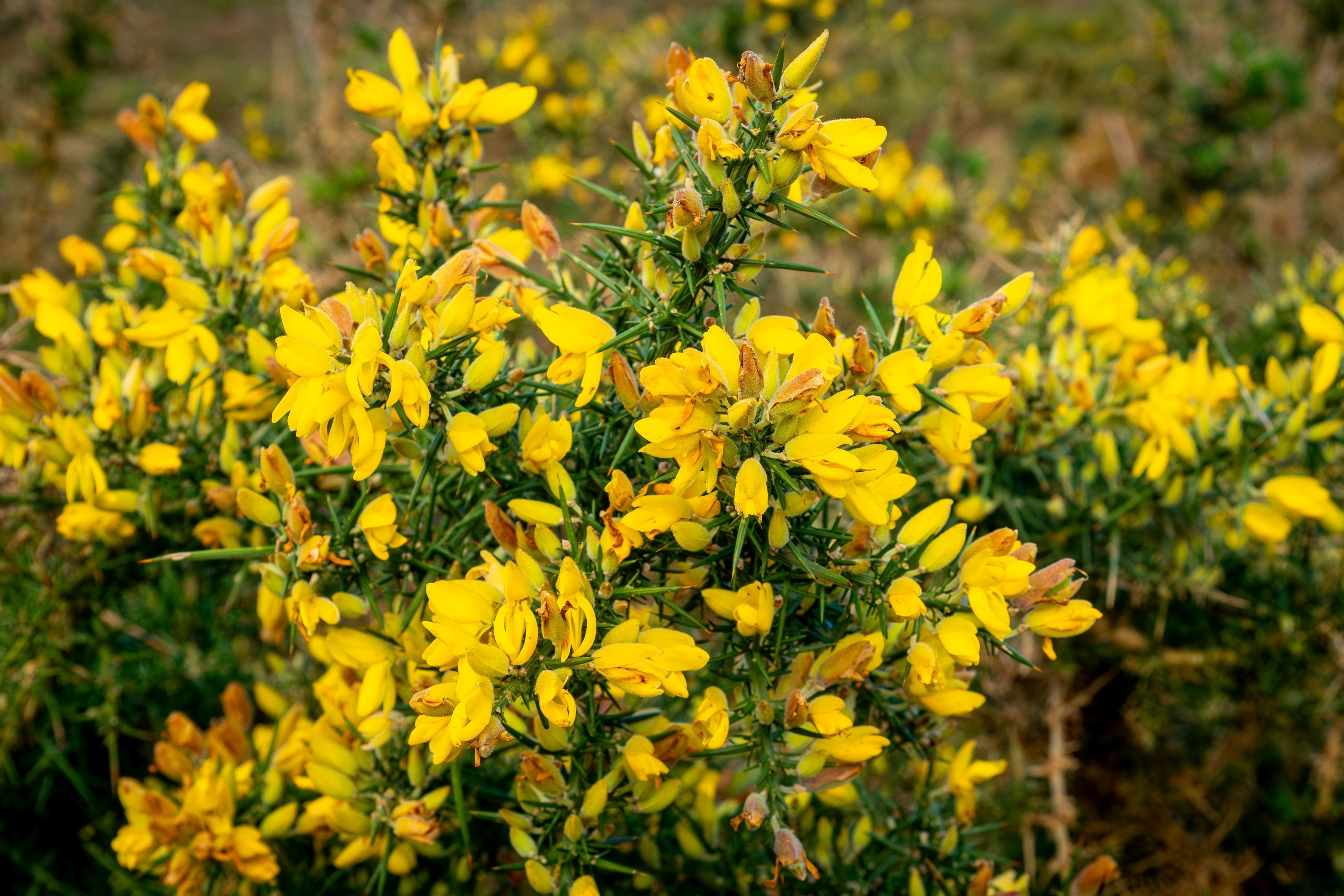
Roadside verges aren’t just empty spaces, they’re home to important native plants and can even support threatened species. But they can also be pathways for serious weeds that threaten biodiversity, agriculture, and bushfire safety.
With over 10,000 km of roadsides and 150 declared weed species, we invest levy funding into the management of priority declared weeds by:
- Stopping new and emerging weeds before they spread.
- Targeting high-risk species that could impact on bushfire preparedness.
- Protecting agriculture and priority native vegetation.
What you can do:
- Report declared priority weeds—check the South Australian alert weeds guide.
- Control roadside weeds yourself – make sure to get council approval (s221 permit) to remove vegetation before starting work. It is important to work safely on roadsides
- For other roadside vegetation management enquiries, vegetation removal, firewood collection or dumping on roadsides, contact your local council.

Who is responsible for roadside weeds?
Hills and Fleurieu Landscape Board: Controls declared priority weeds on all roadsides. The Landscape Board is also able to recover costs for roadside weed control from adjoining landholders if necessary.
Department of Infrastructure and Transport (DIT): Manages all other vegetation up to the white markers on State roads and National roads and all other vegetation up to the adjoining property boundary on controlled access roads like the South Eastern Free-way and Southern Expressway.
Local Councils: Manage all other vegetation on local roads and beyond the white roadside markers on State and National roads.
Landholders: Have a legal responsibility under the Landscape South Australia Act 2019 to manage declared weeds on their properties.

Hills and Fleurieu Regional Pest Plant and Animal Strategy
The Hills and Fleurieu Regional Pest Plant and Animal Strategy 2024-2029 is a plan to help manage weeds and pest animals across the region. It focuses on protecting farms, the environment, and local communities from the damage these pests cause.
By working together under this strategy, we can better manage pests, protect biodiversity, and support productive landscapes.