H5 Bird Flu: If you notice multiple sick or dead birds or other animals record your location and report it to the 24-hour Emergency Animal Disease Hotline on 1800 675 888.

Stewardship News -
Planning for Thriving Revegetation at Riverdale Farm
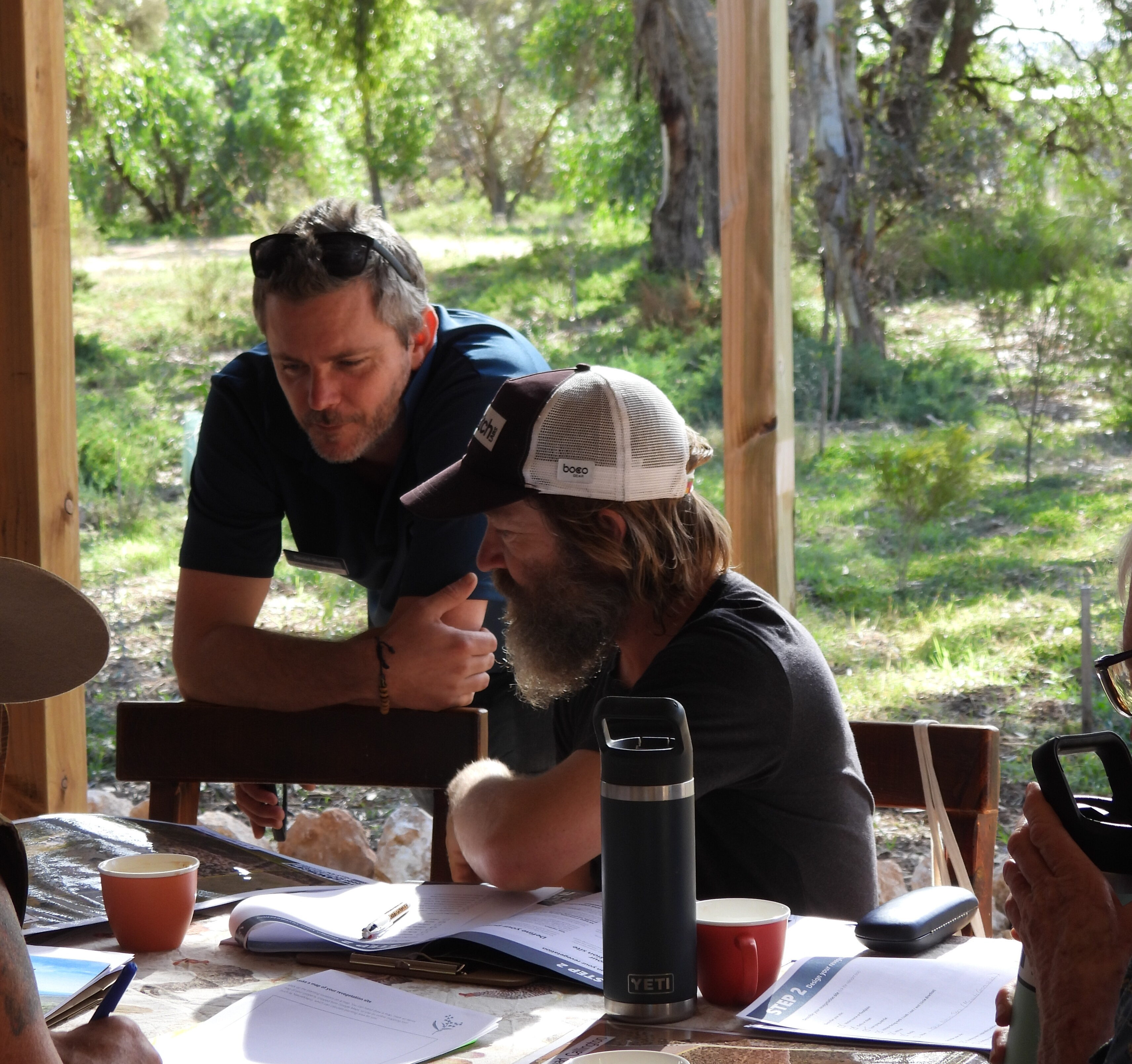
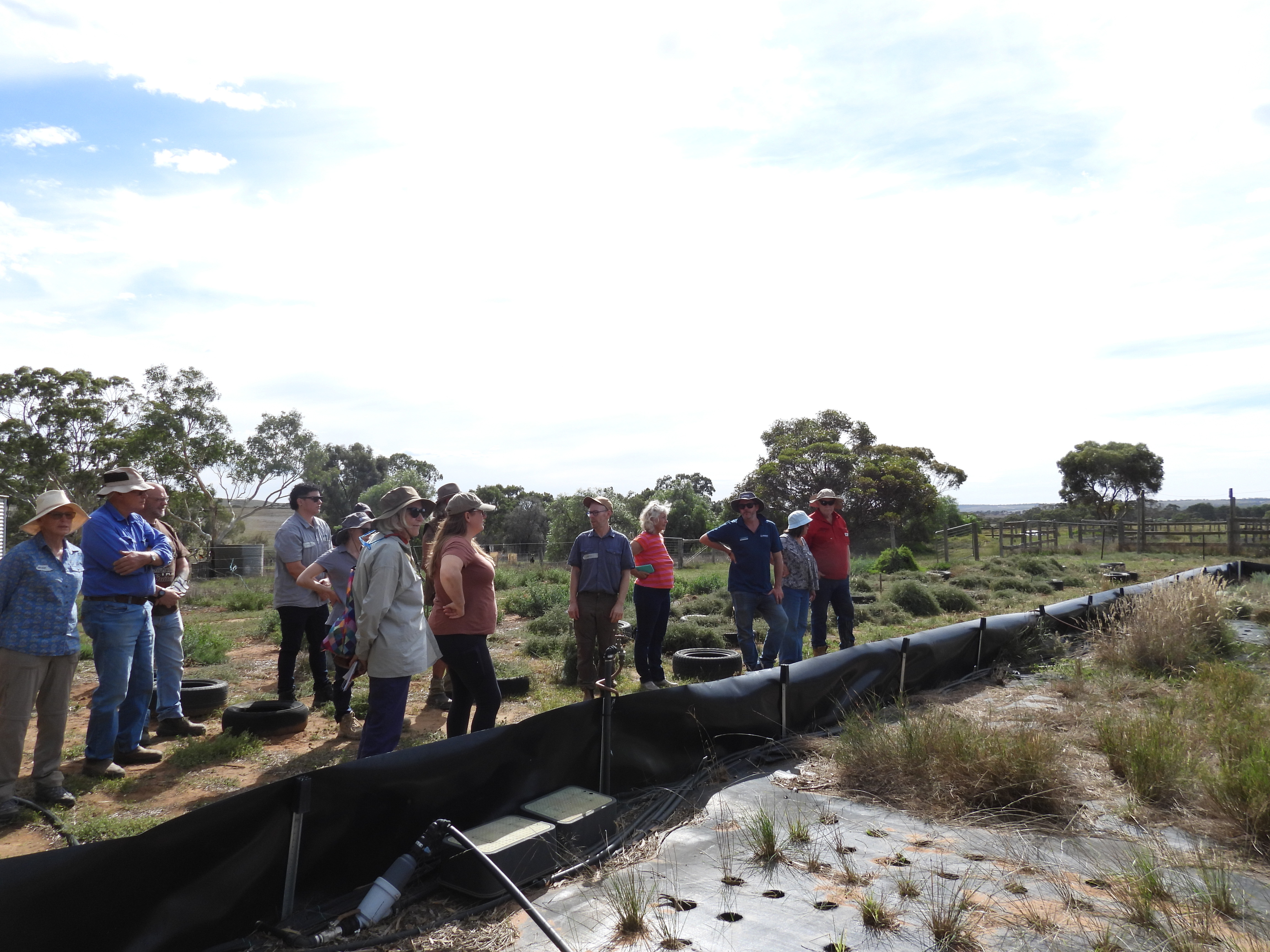
Planning a revegetation project on your property? Our recent revegetation workshop at Riverdale Farm shared practical ways to improve survival, reduce maintenance and get better long-term results. Hosted by Simon Harris of Riverdale Farm in Salem, the workshop brought together landholders and individuals interested in improving biodiversity and building practical revegetation skills for their own properties.
Throughout the day, participants gained valuable knowledge and hands-on insights into planning, implementing and monitoring successful revegetation projects. Set in a real-world farming environment, the workshop provided an excellent opportunity to explore practical approaches and discuss the challenges and rewards of restoring native landscapes.
Staging projects
One of the key learnings from the workshop was the importance of breaking revegetation projects into smaller, manageable plots. Participants learned how staging projects can improve establishment success, make maintenance more achievable and allow landholders to better monitor progress over time. This approach also creates opportunities to adapt methods as seasonal conditions change.
The importance of native grasses
Attendees also explored different techniques for restoring paddocks with native grasses and herbaceous species. Discussions focused on the role these species play in improving biodiversity, landscape resilience and overall ecosystem health. Participants were encouraged to consider how native vegetation can support both productive and sustainable farming systems.
Identifying plant species
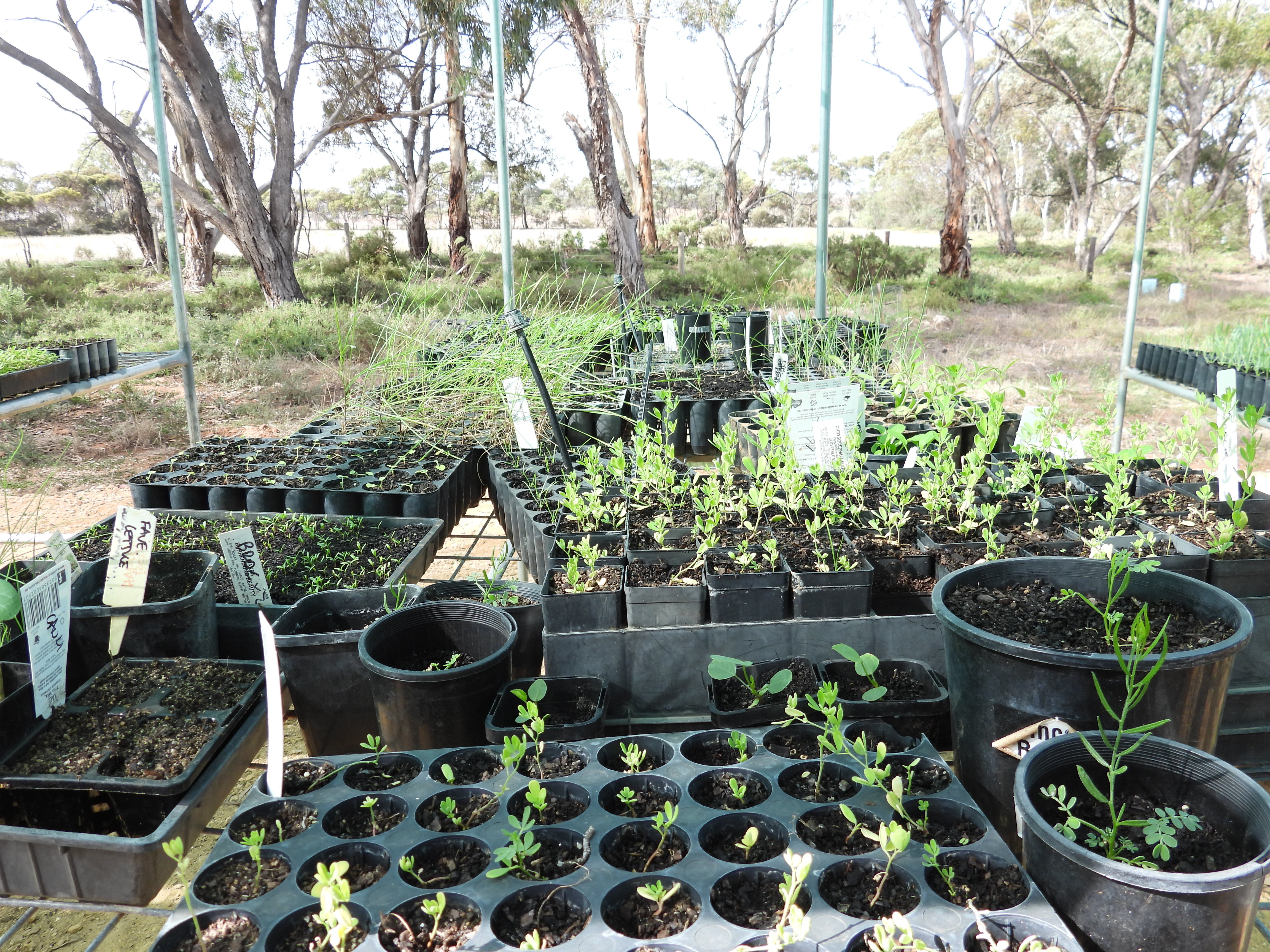
Plant identification was another important focus of the day. Participants developed a greater understanding of how to recognise native species and why selecting appropriate local plants is essential for long-term revegetation success. Choosing species suited to local conditions can improve survival rates and reduce future maintenance requirements.
Patience is key
A strong message throughout the workshop was that patience is key. Successful revegetation takes time, and learning alongside the land is all part of the process. Participants were encouraged to observe seasonal changes, adapt to conditions and view revegetation as a long-term investment in healthier landscapes.
Many participants particularly appreciated the property walk and the opportunity to hear Simon Harris share his firsthand experiences, lessons learned and revegetation successes at Riverdale Farm.
A big thank you to everyone who attended and contributed to such an inspiring and engaging day, and especially to Simon Harris for generously hosting the workshop and sharing his knowledge and experience.
This project is supported by the Australian Government through funding from the Natural Heritage Trust under the Climate-Smart Agriculture Program. These events are run in-conjunction with the Landscapes Hills and Fleurieu Stewardship Program.
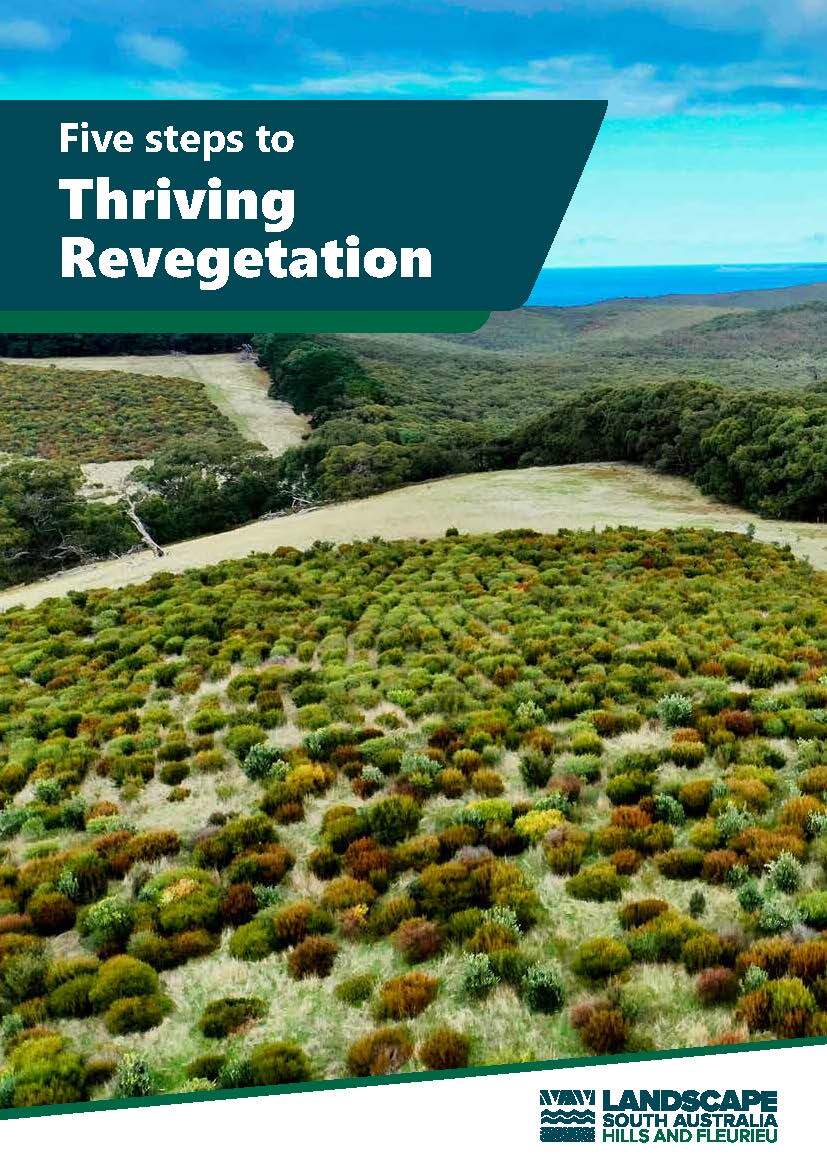
Download our free "Five Steps to Thriving Revegetation" guide
Interested in learning more about how to plan and plant effective revegetation on your property? Restoring native vegetation is a great way to improve soil health, protect waterways and support local wildlife.
Whether planting paddock trees, creating a shelterbelt, protecting native vegetation, or replanting a creek line, revegetation boosts biodiversity, reduces erosion and enhances water retention.

Upcoming Events
-
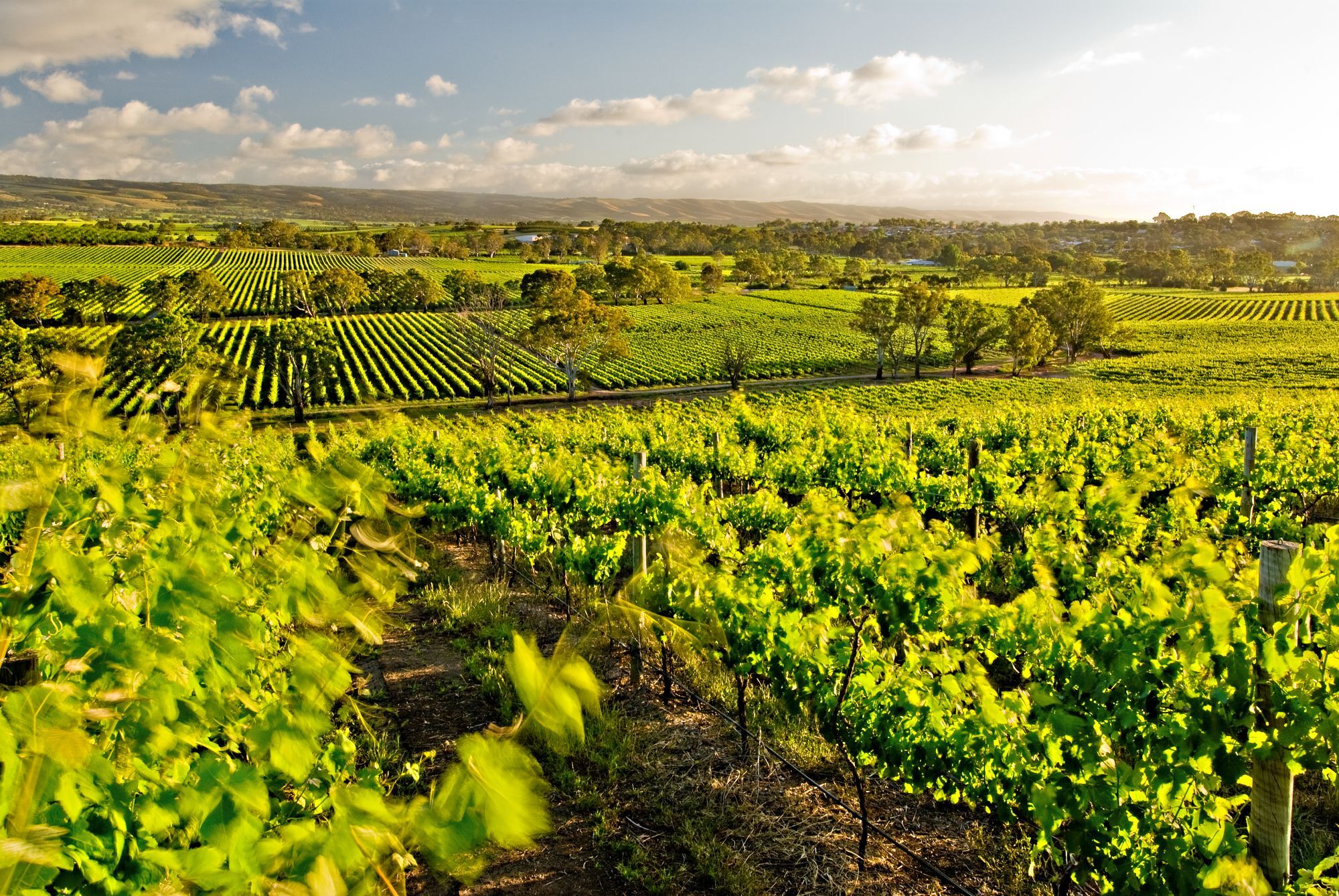
Catchment Conversation - Willunga Basin
 DateTimeMcLaren Vale Location
 -
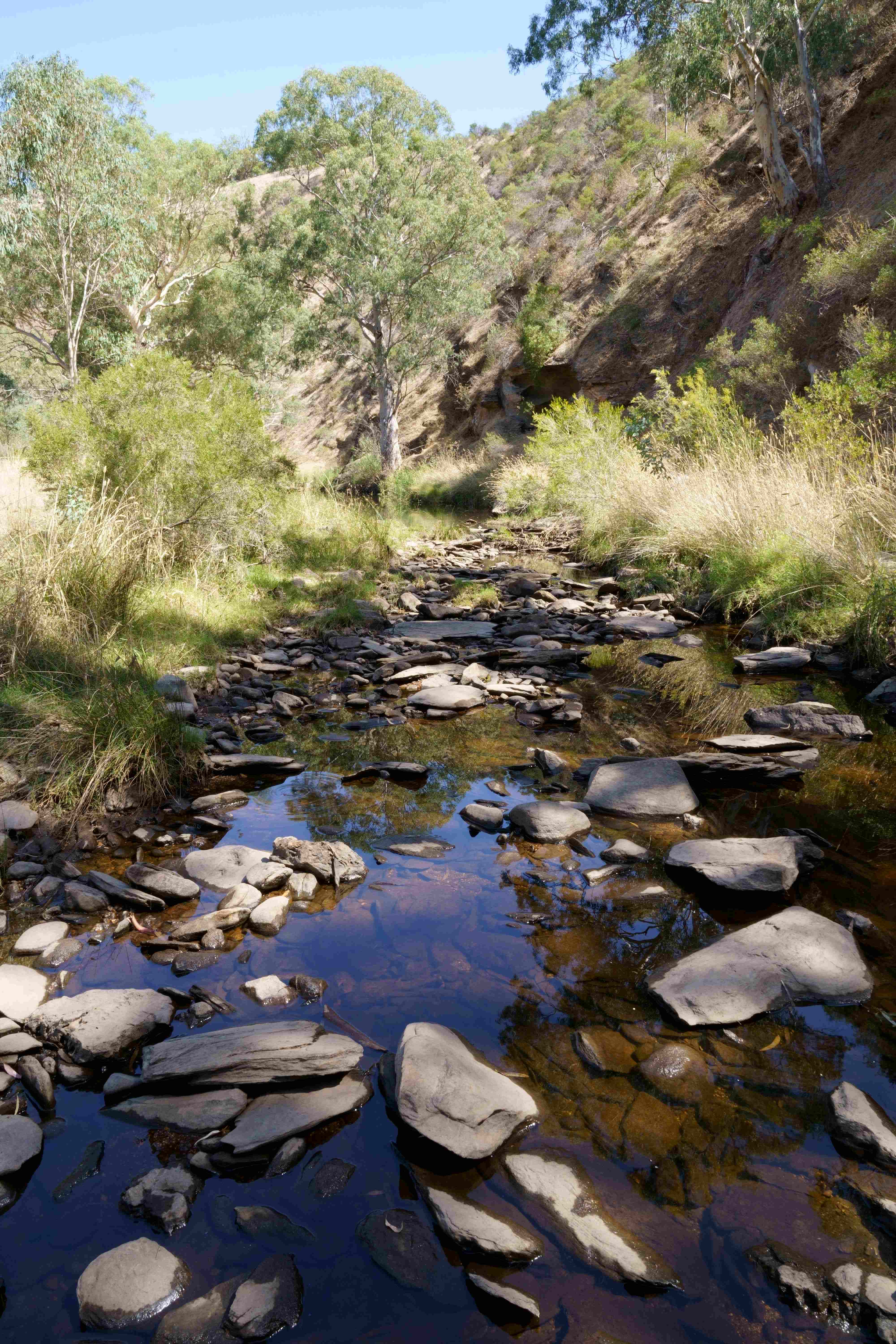
Catchment Conversation - Little Para and South Para Rivers
DateTimeMount Pleasant Location -
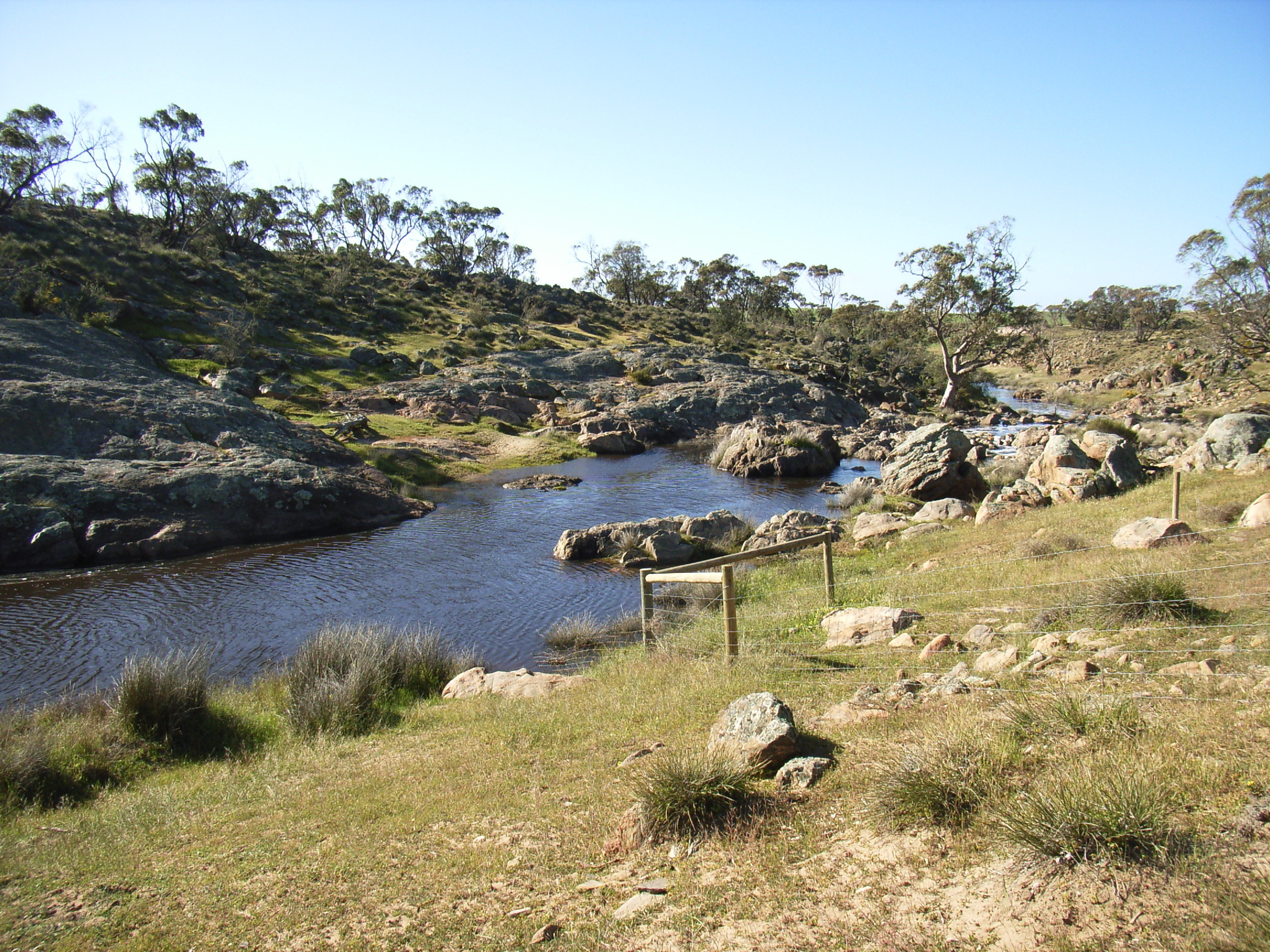
Catchment Conversation - Reedy Creek, Milendella Creek, Long Gully, Bees Knees, Salt Creek, Preamimma Creek, Rocky Gully Creek
DateTimeMount Pleasant Location