
Latest News -
Strengthening coastal ecosystems ahead of bird flu risk
Australia’s wildlife faces an emerging threat as H5 avian influenza (bird flu) continues to spread internationally. To help prepare, the Australian Government has invested $100 million, including $35.9 million in environment measures. This is supporting a number of preparedness efforts, such as projects that strengthen the resilience of native species and ecosystems before the virus reaches our shores. In South Australia, this funding is supporting practical, on‑ground work with a focus on nationally listed threatened species (EPBC‑listed) and Ramsar wetlands.
Along the Southern Fleurieu coast, Landscapes Hills and Fleurieu and partners are delivering two projects over the next few months, aiming to boost ecological resilience and reduce disease risks for vulnerable wildlife.
Restoring offshore islands of the Fleurieu Peninsula
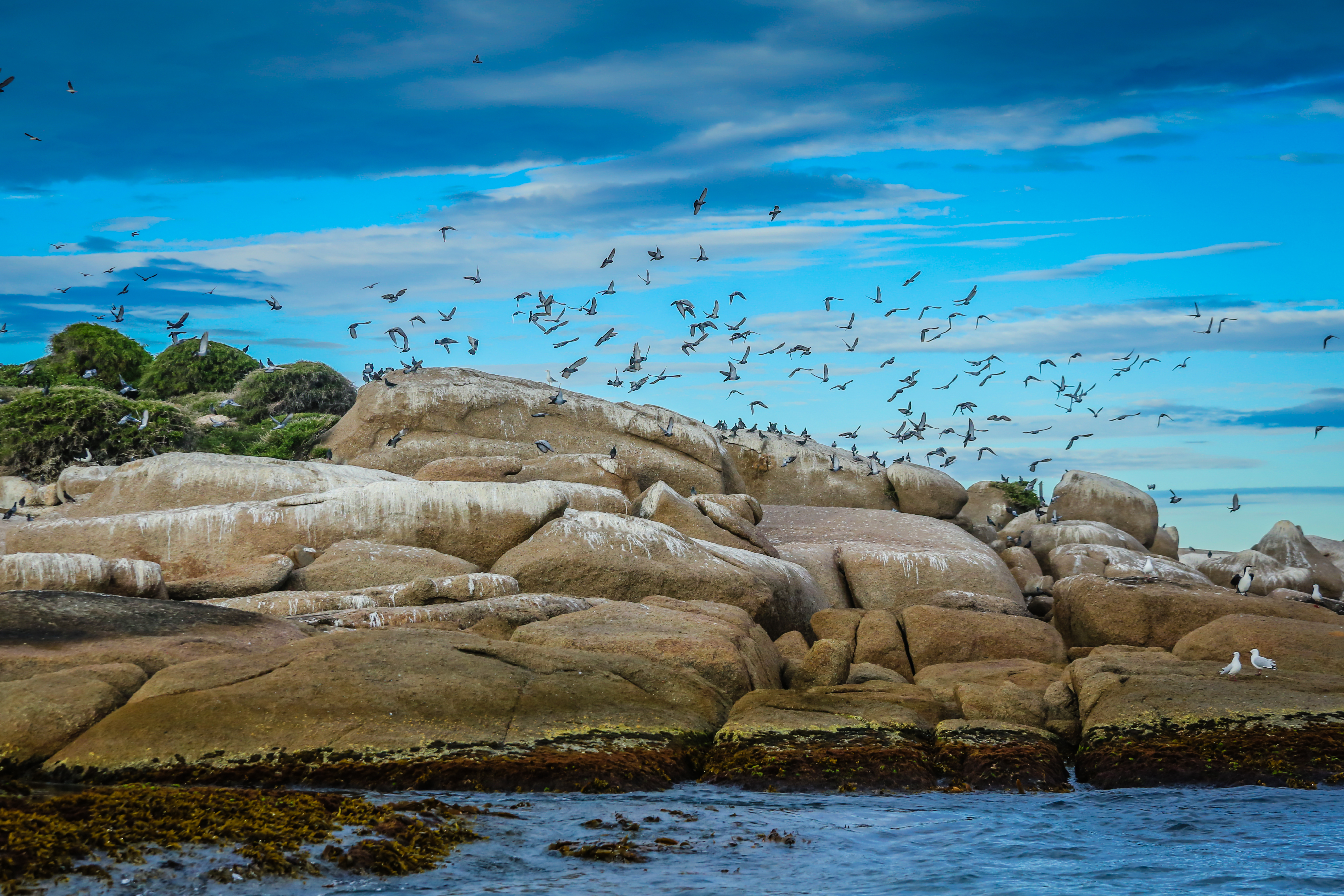
Scattered off the south coast of the Fleurieu Peninsula are a handful of rugged offshore islands, relatively small in size but immense in ecological importance. These islands support regionally significant shorebird and seabird colonies, resting sites for marine mammals such as seals and sea lions, and rare coastal plants. Their isolation makes them natural sanctuaries, but also fragile ones.
These islands however, face mounting pressure. Invasive weeds are degrading native habitats, while pigeons and starlings spread weed seeds, compete with native species and may increase the risk of disease transmission, including H5 bird flu, should it reach South Australia.
To safeguard these ecosystems, a coordinated restoration program is now underway across five offshore islands, including:
- Weed control across 45 hectares targeting high-risk invasive species.
- Feral bird management to reduce spread of weeds, competition and disease risk (five islands and adjoining coastal areas).
- Revegetation across 25 hectares (four islands) using carefully selected local coastal native plants.
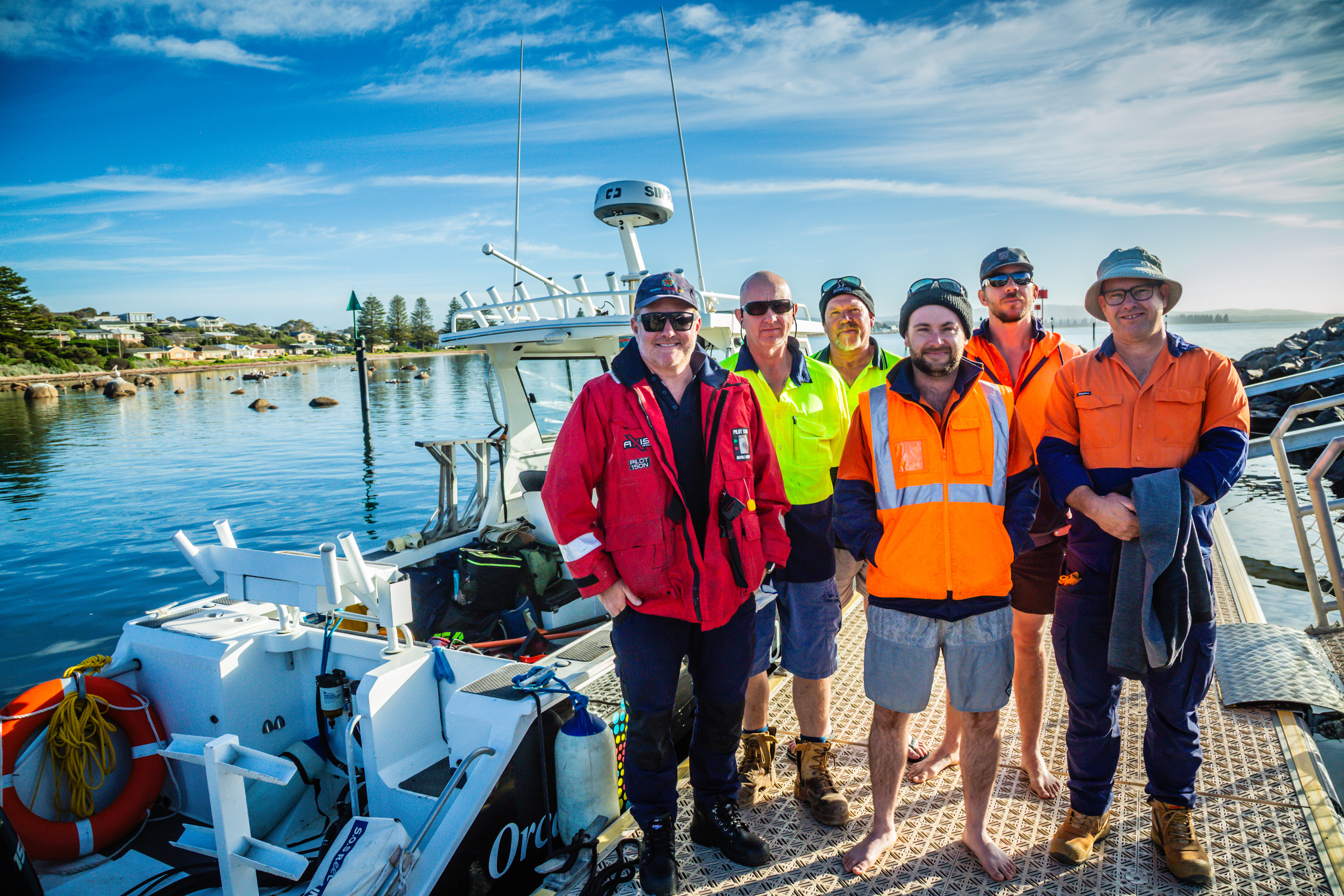
Each activity is timed around sensitive seabird nesting periods and conducted under strict safety and environmental protocols. Access to these islands via marine vessels is difficult and weather-dependent, requiring specialist teams of contractors and in some cases, access is only feasible by helicopter.
This work is further strengthened by the involvement of Ngarrindjeri/Ramindjeri First Nations partners, whose long-standing connection to the islands is informing cultural and ecological decisions, ensuring benefits extend well beyond the project. Dedicated community groups with valuable local knowledge of the coast and associated vegetation communities are also contributing to the project.
Together, these efforts aim to bolster the resilience of some of the region’s most vulnerable and isolated ecosystems - giving shorebirds, seabirds, marine mammals and coastal flora the best possible chance should bird flu arrive. Read more about the islands restoration here.
Fox and feral cat control across the Fleurieu Peninsula
On the mainland an equally urgent threat persists. The Fleurieu Peninsula is home to over 150 threatened animals, including beach nesting birds, resident and migratory shorebirds, reptiles, mammals, and other species, already pressured by habitat loss and human-induced impacts. Foxes and feral cats amplify these pressures through predation, disturbance, and their potential role as vectors of avian influenza.
According to the Invasive Species Council, it’s estimated that feral cats alone kill over 2 billion native animals in Australia every year, while foxes kill an estimated 300 million. That’s around 2.5 billion native mammals, birds, reptiles and amphibians every year.
To address these risks, Landscapes Hills and Fleurieu and partners, including the Department for Environment and Water and local councils, are rolling out a large-scale control program spanning public and private land. This includes:
- 3000 ha of targeted fox control through shooting
- 2000 ha of coordinated fox baiting using 1080 baits supplied to land managers
- 400 ha of feral cat trapping and humane euthanasia
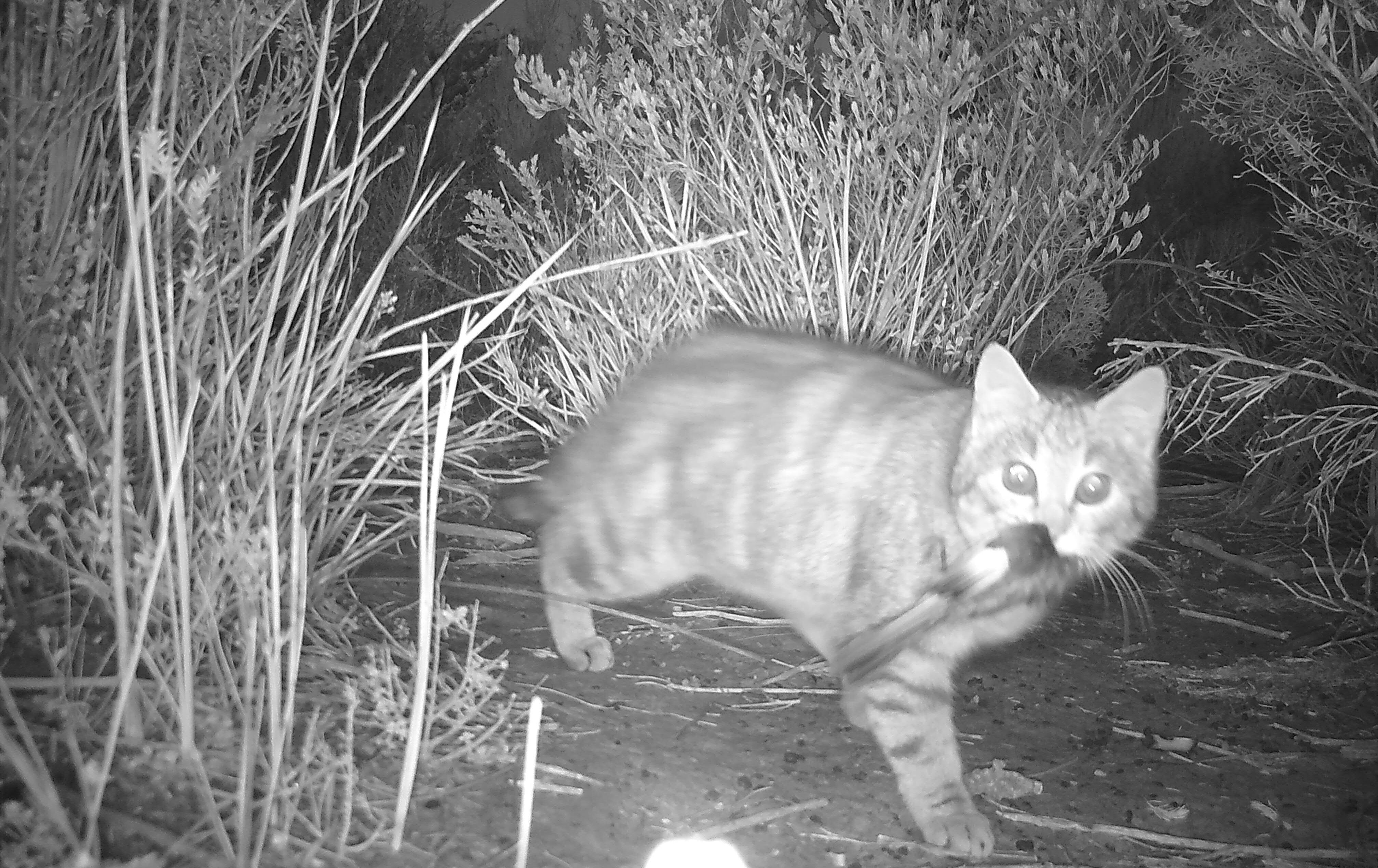
All activities are undertaken by trained contractors and land managers working to strict animal welfare, safety and environmental standards, improving outcomes for threatened species.
Community support also plays an important role. Responsible pet ownership, such as keeping cats confined, microchipped and identifiable, helps reduce accidental trapping and protects both wildlife and domestic animals.
By reducing predation pressure and lowering disease‑transmission pathways, this project strengthens the region’s preparedness and builds healthier, more resilient coastal ecosystems. Read more about the feral cat and fox control project here.
Together, these two projects form a coordinated response to an emerging threat. By restoring offshore island refuges and reducing pressure from invasive predators, proactive, scientifically informed steps are being taken to protect our wildlife before H5 bird flu arrives.
With work already underway to strengthen preparedness ahead of a possible outbreak, this initiative demonstrates how targeted investment, strong partnerships and early action can help safeguard biodiversity in a rapidly changing world.
These projects are funded by the Australian Government and delivered by the Hills and Fleurieu Landscape Board, with support from the Department for Environment and Water and local councils.