
Managing weeds
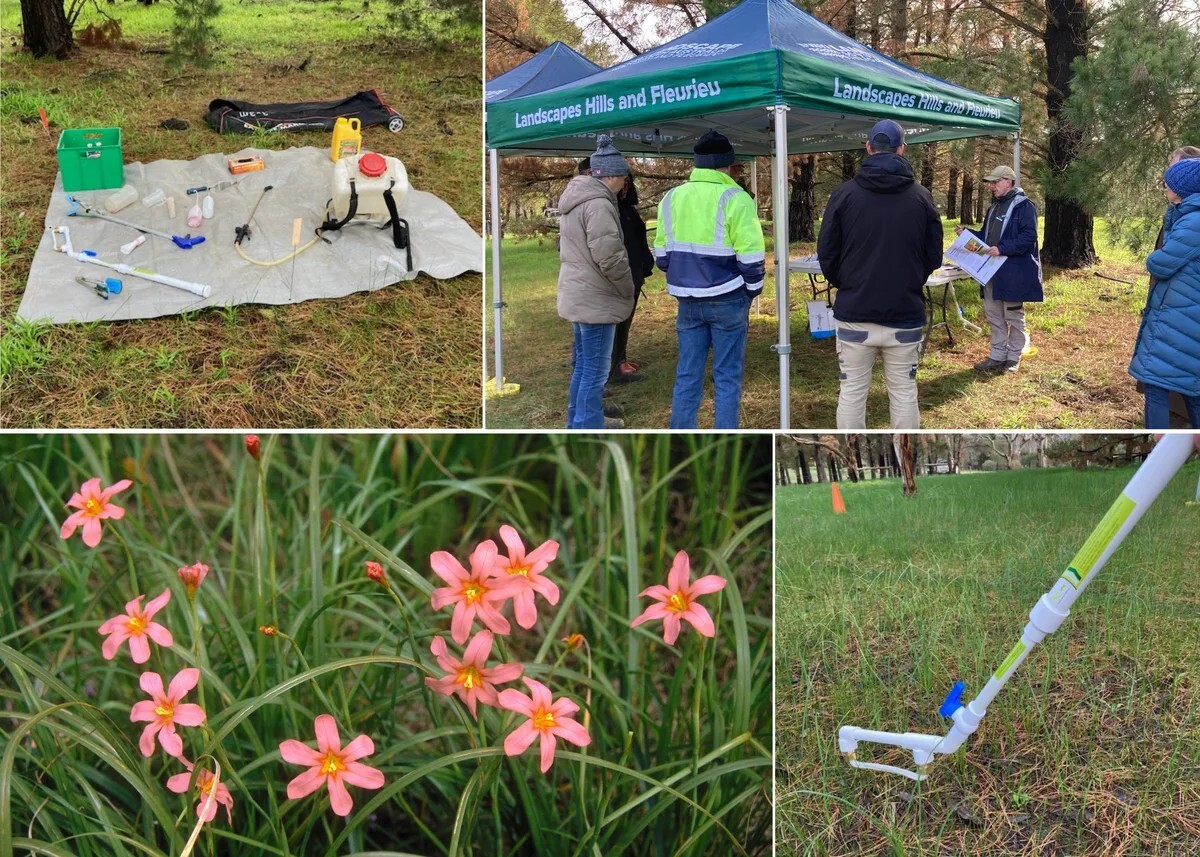
Weeds are a common challenge across our region, affecting many landowners and managers. From woody shrubs to invasive bulbs, these plants threaten property health, native wildlife, and biodiversity.
Since colonisation, many introduced species have spread aggressively, taking over farmland and natural areas.
By tackling weeds together, we can protect native vegetation, support local ecosystems, and keep our landscapes healthy for generations to come.

Declared weeds
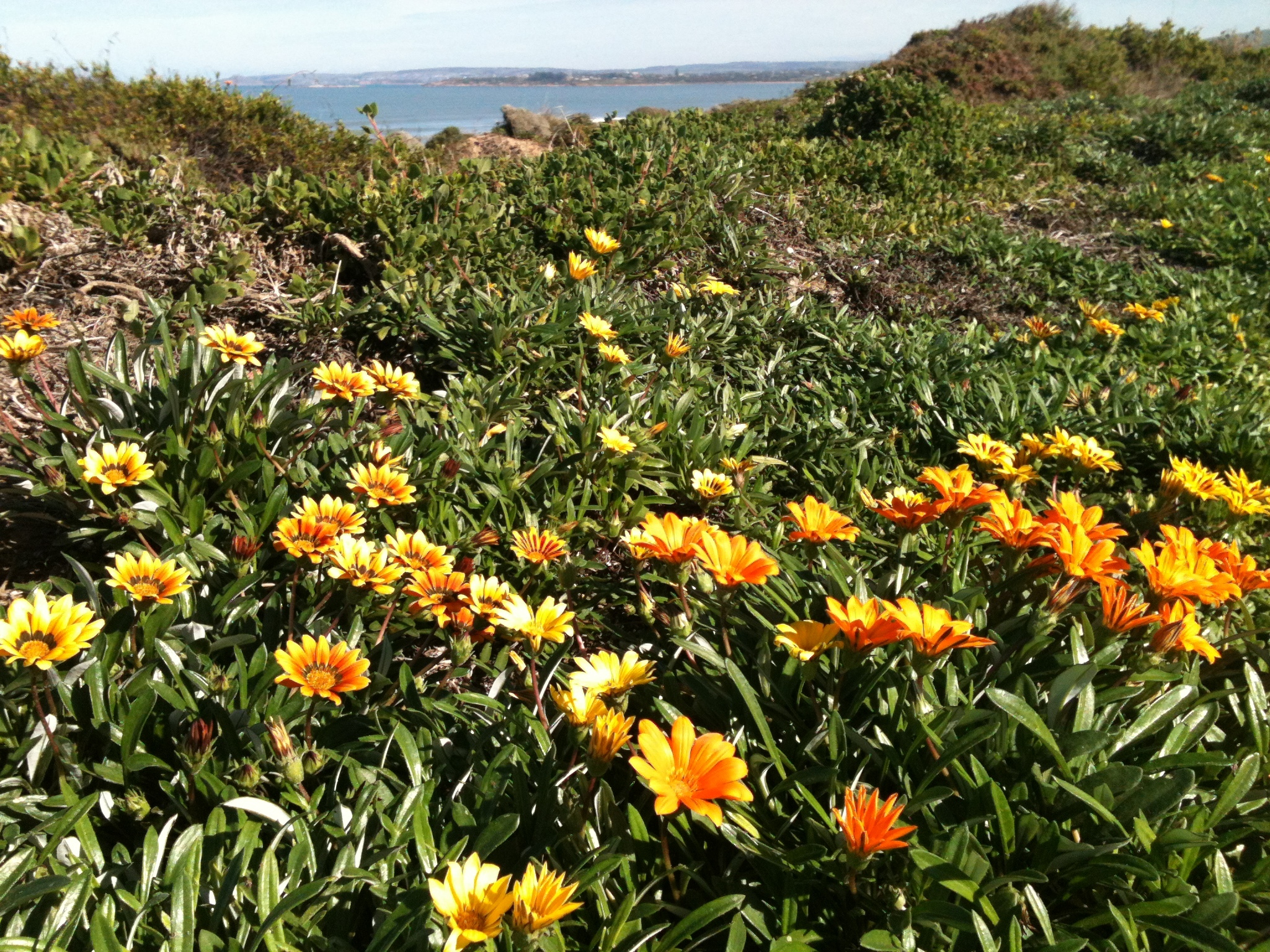
Some weeds pose a serious risk to agriculture, native ecosystems and community safety. These are classified as declared weeds, and land managers have a legal responsibility to manage them under the Landscape South Australia Act 2019. This includes:
- preventing the sale or movement of declared weeds
- controlling or destroying infestations
- reporting new infestations to authorities.
Policies and the full list of declared weeds are available on the Primary Industries and Regions SA (PIRSA) website.
How to manage weeds
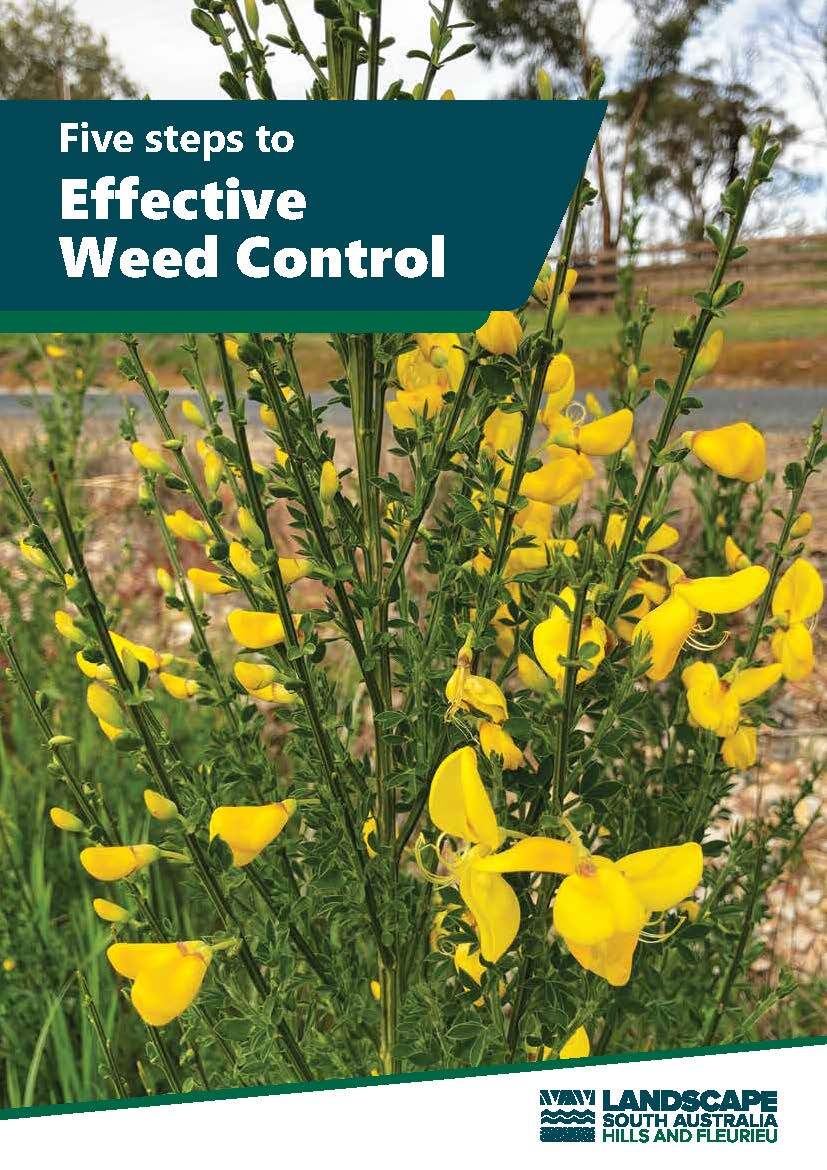
Managing weeds doesn’t have to feel overwhelming. The Five steps to effective weed control guide will help you tackle weed problems effectively and protect your land. Taking control of weeds is one of the best ways to support healthy native vegetation and keep your property thriving.
Plan to succeed
Before starting weed control, it’s important to be clear about your goals, whether that’s protecting native plants, keeping waterways clear, protecting crops, or meeting legal requirements.
Set realistic expectations by making a plan that considers:
- How much time and money you can commit each year
- The follow-up work needed to manage regrowth and new weeds
- Whether you’ll hire professional help for difficult jobs
- Opportunities to work with neighbours on shared weed issues
- What will replace weeds after removal to prevent bare ground
- How to manage any concerns about herbicide use
Identify and map your weeds
Knowing how to identify your weeds is key to choosing the right control methods and timing. Use online tools like Weedscan, iNaturalist, or Pl@ntNet, ask local experts, or get help from a Stewardship Officer or community groups.
Once identified, map your weeds across your property. Mark important features like creeklines, native vegetation, dams, fences, and tracks,these help you prioritise and plan where to focus your efforts.
Create management zones and note weed locations, sizes, and whether they’re dense or scattered. The more detailed your map, the easier it is to target weed control effectively.
Online weed identification tools
• Weedscan
• Atlas of living Australia
• iNaturalist
• Pl@ntNet
• Google Lens
• Facebook groups – such as SA Natureteers
Choose your weed management strategy
Effective weed control means using the right tactics for your situation. Whether you’re dealing with new weeds, established infestations, or protecting important areas, focusing your efforts will help you make the most impact.
- Eradication: Act fast to remove small or new infestations before they spread. Early control is usually simpler and less costly.
- Containment: Manage larger infestations by tackling scattered plants and less-affected zones first, then working inward to shrink the main weed patch.
- Asset protection: Focus on protecting high-value areas like native vegetation, waterways, fences, and grazing land to safeguard key resources and infrastructure.
Additional important points to consider include:
- Controlling weeds in watercourses: Managing weeds near creeks, rivers, and wetlands requires care to avoid damaging the waterway or causing erosion. Always check if permits are needed and seek advice before using heavy machinery or clearing large plants near water.
- Dealing with erosion: After removing weeds, bare soil can quickly erode and invite new weed growth. It’s important to stabilise the soil by planting grasses, shrubs, or native species as soon as possible to protect the area and prevent further problems.
- Soil testing: Knowing the condition of your soil can help you choose the best plants and management methods. Testing for nutrients and soil health will improve the success of your weed control and revegetation efforts.
- Working with neighbours: Weeds don’t respect property boundaries, so collaborating with neighbours or local groups can improve results. Sharing knowledge, resources, and coordinating control efforts helps manage weeds more effectively across the landscape.
Choose the right control method
There’s often more than one way to control weeds and the best results usually come from using a mix of methods. The technique you choose should effectively kill the weed, protect nearby plants, suit your skills and budget, and be something you can realistically maintain over time.
Your choice of method may also depend on the site conditions, whether it’s flat, steep, rocky, near water, or a sensitive bushland area and the type of weed you’re tackling.
Integrated weed management brings together different methods in a planned way. For example, you might slash a weed patch, let it regrow, then spray the fresh growth and hand-pull any seedlings. This approach can reduce herbicide use and improve results over time.
Common weed control methods include:
- Biological control: Using approved natural enemies like insects to suppress certain weeds. Works best as part of an integrated strategy.
- Manual control: Hand-pulling, hoeing, or solarising small patches, especially for new infestations or in sensitive areas.
- Mechanical control: Slashing, mulching, or deadheading weeds to prevent seeding or to manage large areas.
- Herbicide use: Always follow label directions and take care near water, crops, or sensitive plants.
- Fire as a tool: Burning can trigger seed germination for follow-up control or support natural regeneration — but should be planned carefully with permits and advice.
- Preventing spread: Clean machinery, use weed-free materials, and encourage groundcover to stop new weeds establishing.
Follow-up, monitor, maintain and review
Weeds won’t disappear after a single effort, regular follow-up and maintenance are key to long-term success.
Stay on top of:
- Monitoring regrowth: check sites regularly and act before weeds take hold again
- Adjusting your methods: review your plan, change tactics if needed, and learn from each season
- Photopoints: track progress with before-and-after photos to keep motivated and measure success
Always plan to replace weeds:
- Weeds love bare ground. Replace them with pasture, native plants, or revegetation to stop them coming back.
Work with neighbours and protect key areas
- Keep fences and boundaries clear
- Watch for weeds in watercourses, wetlands and bushland
- Share the load with neighbours or local groups
Prevention matters: A few simple steps can help stop new weeds arriving:
- Clean equipment and vehicles
- Check stock feed for weeds
- Contain new livestock before release
- Keep an eye out for weedy garden plants
Download the weed control guide
Ready to take action? Our 'Five steps to effective weed control' guide makes it easy to get started with practical advice you can follow at your own pace. Whether you’re working on a small patch or a larger site, the guide will help you plan your project, avoid common pitfalls and set yourself up for success
Download the guide and start making a difference on your property today.

Who is responsible for managing weeds?
Landholders: Have a legal responsibility under the Landscape South Australia Act 2019 to manage declared weeds on their properties.
Hills and Fleurieu Landscape Board: Controls declared priority weeds on all roadsides. The Landscape Board is also able to recover costs for roadside weed control from adjoining landholders if necessary.
Department of Infrastructure and Transport (DIT): Manages all other weeds on State roads and National roads and controlled access roads like the South Eastern Free-way and Southern Expressway.
Local Councils: Manage all other weeds on local roads and beyond the white roadside markers on State and National roads.
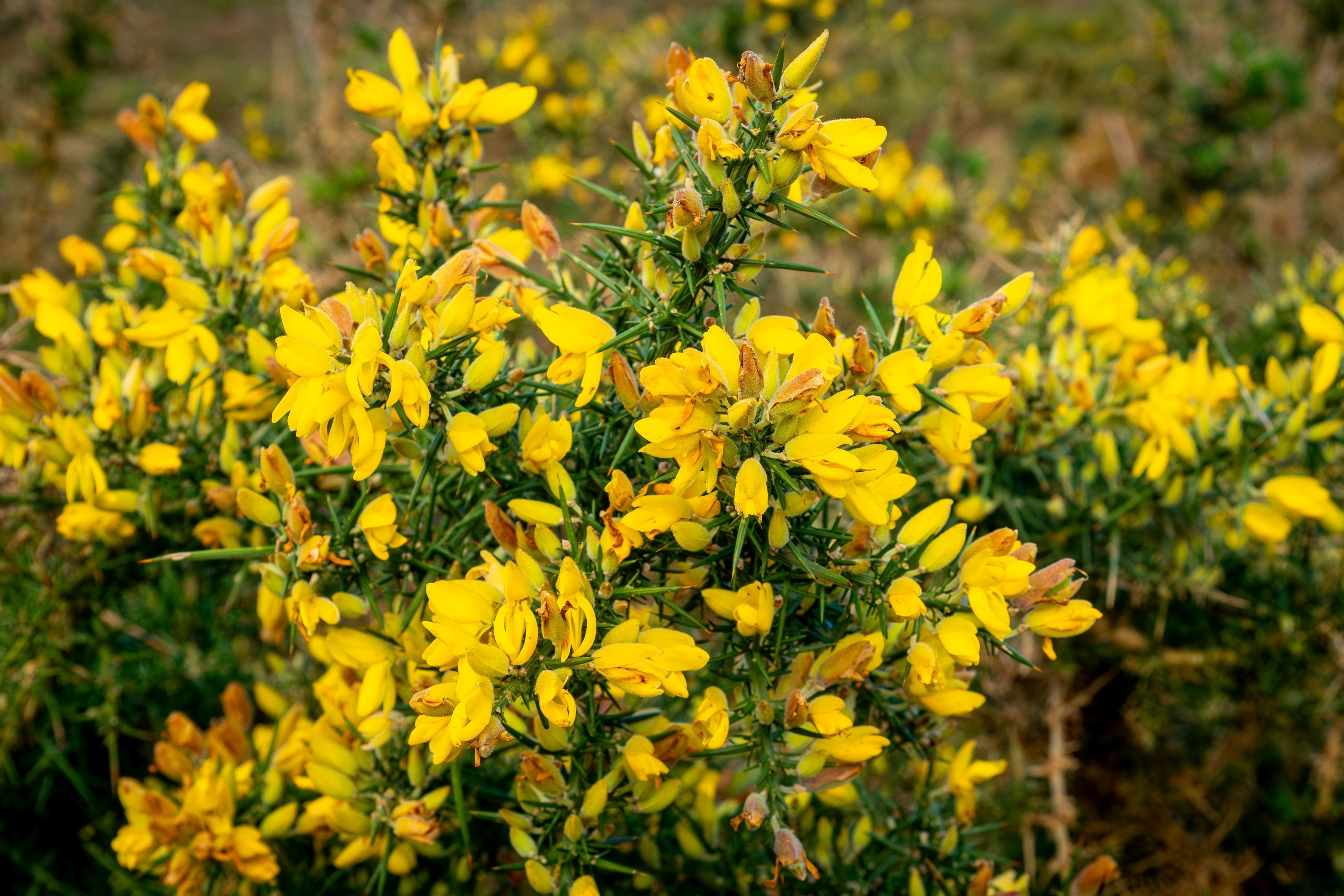
Declared weed fact sheets
-
-
African feathergrass
Pennisetum macrourum -
African lovegrass
Eragrostis curvulaDeclared
Must be controlled, banned from sale.Related Links
-
Aleppo pine
Pinus halepensisDeclared
Must be controlled (unless planted and maintained for amenity or commercial purposes), banned from sale.Related Links
-
Alligator weed
Alternanthera philoxeroidesStatus
State Alert. Notify Landscape Board immediately if found.Declared
Must be destroyed, banned from sale.Related Links
-
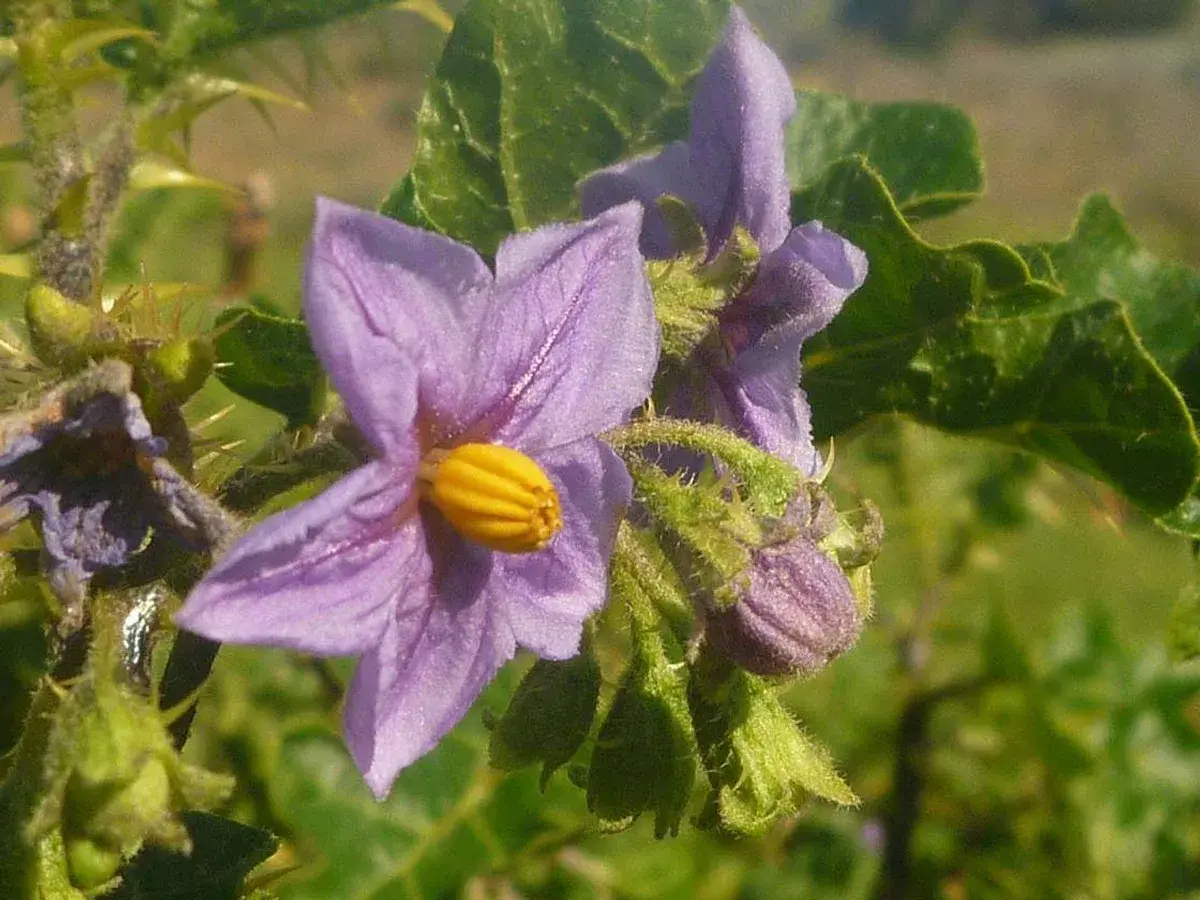
Apple of Sodom
Solanum linnaeanumStatus
Must not be sold or traded in any way, including as a contaminant of anything.Related Links